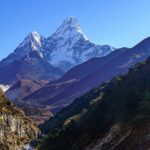
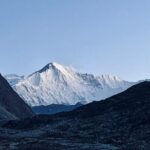
Manaslu feels calmer than Nepal’s big treks. This route pairs dramatic Himalayan Larkya La Pass country with Tibetan-influenced villages inside the Manaslu Conservation Area, and the smaller group size (max 16) keeps the trail from turning into a conveyor belt. I also like how the trip is structured to help you get moving without micromanaging every detail—English-speaking guidance, porter support for your duffel, purified drinking water, and permits handled end to end.
One consideration: you still need moderate physical fitness and good acclimatization patience. The highest point is the big day over Larkya La Pass, and the trek runs several long walking days plus altitude days in Samagaun, Samdo, and Dharamsala to help you adjust.
In This Review
- Key highlights at a glance
- Manaslu Circuit: a calmer trek with Tibetan-influenced culture
- Price and logistics: what $1,900 really buys you
- The trekking pace: walking days, altitude days, and why it matters
- Kathmandu set-up: where your trek really starts
- Into the Budhi Gandaki valley: Machha Khola to Jagat
- River valleys and first real climbs: Jagat to Deng, Namrung, and Shyala
- Samagaun: acclimatization, culture, and optional Manaslu Base Camp
- Approaching the Tibetan border: Samdo and Dharamsala
- Larkya La Pass day: the hardest payoff
- Tilje to Besisahar: finishing strong without pretending it’s easy
- Teahouses, shared rooms, and purified water: comfort level in plain terms
- Guides, team size, and how service affects your stress level
- Who should book this Manaslu Circuit trek (and who should reconsider)
- Should you book the Manaslu Circuit with Awesome Holidays Nepal?
- FAQ
- How long is the Manaslu Circuit trek?
- Where does the trek start and end?
- Is airport pickup and drop-off included?
- What kind of lodging and meals are included during the trek?
- Are permits included?
- Is there porter support?
- What is the highest point on the trek?
- Are there acclimatization days or optional side treks?
- What happens if poor weather cancels the trek?
Key highlights at a glance
- Restricted area permit included, so you can focus on walking instead of paperwork headaches.
- Maximum 16 trekkers, which usually means a less chaotic feel on the trail.
- Acclimatization days built in (Samagaun, Samdo, and Dharamsala) to reduce altitude stress.
- Porter for your duffel bag (2:1 ratio) plus an English-speaking guide throughout.
- Purified drinking water during the trek, using a water purifier or chemical tablets.
Manaslu Circuit: a calmer trek with Tibetan-influenced culture
If you want a Nepal trek that feels more human-paced than the flashiest routes, the Manaslu Circuit is a strong fit. The big promise here isn’t just scenery—it’s the feeling that you’re moving through real villages tied to a Tibetan-influenced way of life. You pass through settlements and rural trails that sit inside a protected region, so it’s less about chasing crowds and more about noticing how people live at altitude.
I also like the “challenge with support” design. You do serious trekking—days around 6 to 9 hours depending on where you are in the circuit—but the schedule doesn’t pretend altitude is a non-issue. There are dedicated acclimatization days, and you don’t rush straight from village life to the highest pass.
And yes, the pass day matters. Larkya La Pass is the highest altitude point on this trek, and it’s treated like the main event of the trip rather than a quick checkbox.
You can also read our reviews of more hiking tours in Kathmandu
Price and logistics: what $1,900 really buys you
At $1,900 per person, this trek isn’t cheap, but it’s also not just you-and-a-map. Your cost covers a lot of the hardest-to-plan pieces that often inflate trekking budgets.
Included in the price:
- Airport pickup and drop-off (both domestic and international)
- Welcome and farewell dinner in Kathmandu
- An English-speaking guide for the trek
- Porter support for your duffel bag, with a 2:1 guest-to-porter ratio
- Twin-sharing teahouses/guesthouses on the trek
- Purified drinking water during the trek (water purifier or chemical tablets)
- First-aid treatment in case of emergencies
- Administrative expenses and government taxes
- Permits required for the trek, including a restricted area permit
- Meals during the trek: breakfast (15), lunch (14), dinner (14)
Not included (so you can budget properly):
- Kathmandu hotel and most Kathmandu meals (welcome/farewell dinner only)
- International flights and airport departure tax
- Private transfers from Kathmandu to the trek start and return drive from Besisahar
- Bottled water or other beverages
- Nepal tourist visa
- Travel insurance and emergency evacuation charges
- Personal expenses and personal gear/equipment
Here’s the value angle I think you’ll feel: permits + guiding + porter help + purified water + most meals is a big chunk of “in-country risk” that you don’t have to manage yourself. That matters on a trek where the altitude and remoteness already make decisions more stressful. If you’d rather spend your energy on the trail than logistics, the inclusions are doing real work for you.
One more practical note: the trip uses a mobile ticket, and the group stays small (max 16), which usually makes check-in and pacing easier than big tour operations.
The trekking pace: walking days, altitude days, and why it matters
This is a circuit, so the effort isn’t one long grind. Instead, you’ll feel a pattern: river valley walking, gradual climbs, then altitude adjustments before the big pass.
Expect several days around:
- 6 hours of trekking on many of the middle segments
- 7 to 9 hours on key days as you gain height and reduce easy exit options
The itinerary also includes acclimatization time where you stay at higher villages longer:
- An extra day in Samagaun, with an option for a trek toward Manaslu Base Camp
- A rest/acclimatization day in Samdo
- Another acclimatization day in Dharamsala before the Larkya La Pass crossing
That’s important because high altitude isn’t just about stamina—it’s about how your body reacts. This schedule is built to give you a buffer before the highest crossing, which makes the overall trek feel more manageable than a “rush up, cross, rush down” plan.
Kathmandu set-up: where your trek really starts
Your trip begins in Kathmandu at the Kathmandu Business Hotel in Thamel. When you land, you’ll be met and transferred to the hotel. There’s also a welcome dinner in Kathmandu, and later a farewell dinner after you return.
Even if Kathmandu doesn’t look like part of a trek, this stage matters. It’s when you get your bearings, sort out what you’ll carry, and meet your guide. A smooth first day helps because trekking in Nepal is never just about the walk—it’s about timing, weather, and keeping energy steady from the start.
In the feedback I’ve seen attached to similar trips run by this operator, Mr. Bipin is specifically thanked for helpful, reassuring gestures. That’s the kind of practical hospitality you’ll appreciate in Kathmandu when you’re juggling travel fatigue and last-minute questions.
Into the Budhi Gandaki valley: Machha Khola to Jagat
Day two begins with a scenic drive to Machha Khola. This is your transition day from city life to trail rhythm, rolling through rural hills before you start walking for real.
From there, you move to Jagat, following the Budhi Gandaki River area. This segment is about building rhythm—suspension bridges, terraced fields, and a trail that keeps you walking through village scenery instead of climbing immediately.
What I like about this early stretch:
- It’s structured enough that you’re not wondering what comes next
- It introduces you to the pace of crossings and bridge crossings that show up repeatedly in Nepal trekking
If you’re prone to getting impatient early, this portion helps you settle in. You’re not chasing altitude on day three; you’re learning the rhythm.
River valleys and first real climbs: Jagat to Deng, Namrung, and Shyala
From Jagat, the trek continues to Deng, walking through river valleys and forested sections. Then you reach Namrung, and later Shyala—both days are described as gradual ascent with traditional settlements and views.
The practical takeaway: you’re steadily moving higher while still spending time in human-sized villages. That’s a good combination when you want the trek to feel rewarding each day rather than purely grindy.
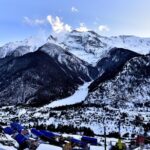
At Shyala, the setting is framed around dramatic peaks in the background. Even without needing fancy trekking terms, you can expect that day to feel like you’re stepping into the high-country “feel,” where every turn offers more sky and more scale.
Samagaun: acclimatization, culture, and optional Manaslu Base Camp
You’ll arrive in Samagaun and, crucially, you don’t just sleep and leave. There’s an additional acclimatization day here.
This is one of the smartest design choices in the whole plan. The trek gives you time to adjust your pace to altitude while still enjoying a village that has a strong cultural identity and big mountain views.
You also get an option on this day to trek toward Manaslu Base Camp. Whether you choose it depends on how your body feels and how much you want to “spend” your energy before the highest pass day. I like that the choice exists, because it respects different fitness levels and different risk tolerance around altitude.
Approaching the Tibetan border: Samdo and Dharamsala
After Samagaun, you head to Samdo, described as near the Tibetan border. That proximity matters to the feel of the region. The closer you get, the more you’ll notice that the culture shifts with the geography—people, architecture, and daily life look more connected to the high-altitude, borderland world.
Then comes another key part: you spend additional time in Samdo for acclimatization, including a scenic hike. After that, you move to Dharamsala and spend another acclimatization day.
Why this works for most trekkers:
- It reduces the chance you arrive at the pass day feeling like you were rushed up
- It gives you a “practice” day at higher altitude before the hardest crossing
The only drawback is time. These extra days can feel like they slow things down—until you’re grateful you didn’t rush. Altitude turns “slow” into “saves you.”
Larkya La Pass day: the hardest payoff
Day twelve is when the trek’s biggest altitude challenge happens: crossing Larkya La Pass.
The plan calls for an early start, and it’s described as demanding but rewarding. Translation: you should expect a long, cold-feeling push where breath matters and pace matters. When you’re on a pass day, the goal isn’t to set a personal record. It’s to keep moving consistently and keep your body calm.
If you’ve never trekked at real altitude before, this is the day to listen to your guide and stick to the plan. Many small decisions—how fast you start, how often you stop, how you manage fatigue—make the difference between arriving okay and feeling smashed.
You’ll likely remember this day the most, not because it’s long, but because it’s the moment your effort connects to the widest views on the circuit.
Tilje to Besisahar: finishing strong without pretending it’s easy
After the pass, you continue to Tilche. The walking here is framed through alpine meadows and forested areas, with fewer “highest point” vibes and more down-valley rhythm.
Then you trek to Dharapani to close out on foot, and transition to a drive back to Besisahar, before finally returning to Kathmandu.
Two things I like about the ending:
- You’re not thrown into a chaotic free-for-all after a major altitude day. There’s a clear finish path.
- The trek closes with enough structure that you can recover without feeling lost.
And after you return to Kathmandu, you’ll wrap with memories of the whole arc—from river valleys to borderland villages to that pass day.
Teahouses, shared rooms, and purified water: comfort level in plain terms
The trek stays are twin-sharing teahouses/guesthouses. That usually means simple rooms, shared facilities, and a “good enough” approach to comfort. This isn’t a luxury stay route, so I’d set your expectations accordingly.
On the plus side, you’re not left guessing about water. Drinking water is handled using a purifier or chemical tablets during the trek. That matters because bottled water can get expensive fast on long remote routes, and the plan already covers your basic needs in this area.
What you’ll want to plan for yourself:
- Any beverages beyond the provided water approach
- Personal gear/equipment, since those are not included
- Kathmandu comfort on both sides of the trek, since only the welcome/farewell dinners are covered
The porter support also helps with day-to-day comfort. You’re carrying yourself, not a whole shop. Your duffel bag goes with a porter, and that reduces fatigue over long days.
Guides, team size, and how service affects your stress level
The trip includes an English-speaking guide throughout the trek, plus first-aid treatment if needed. Having a guide isn’t just about route knowledge; it’s also about decision-making when weather changes or when you’re feeling off.
In the feedback around Manaslu Circuit treks run by this operator, Mr. Raman Shrestha is praised as an exceptional guide—supportive, warm, and strong on practical trekking guidance. I like that this operator uses guides whose style isn’t all business. On a hard multi-day trek, calm reassurance helps.
With a maximum of 16 trekkers, you also avoid the biggest downside of group treks: the long bottlenecks. Smaller groups can mean more manageable pacing and easier logistics for meals and trail breaks.
Who should book this Manaslu Circuit trek (and who should reconsider)
This trek is a great match if you:
- Want a more sedate route than Nepal’s highest-traffic options
- Care about Tibetan-influenced villages and culture, not just summit photos
- Prefer a guided plan with permits and logistics handled
- Can handle moderate physical effort and a pass day that’s the hardest part of the trip
You might reconsider if you:
- Want private transfers and full independence from start to finish (private transfers aren’t included)
- Expect luxury accommodations (teahouses are twin-sharing and basic)
- Are looking for a short trek that avoids altitude complexity (acclimatization days are part of the plan for a reason)
Should you book the Manaslu Circuit with Awesome Holidays Nepal?
If your idea of a great trek is steady walking, cultural villages, and a serious but well-supported pass day, I’d say this is book-worthy. The value comes from the structure: permits (including a restricted area permit), a guide throughout, porter support, purified water, and meals across the trek.
The two things I’d hold close as you decide are:
- Altitude is real here. The schedule adds acclimatization days for a reason.
- Comfort is basic and twin-sharing, so you should plan for that rather than bargaining with expectations.
If that sounds like your style, you’re in the right place for the Manaslu Circuit’s mix of big Himalayan ambition and calmer, more human trekking.
FAQ
How long is the Manaslu Circuit trek?
The duration is listed as about 15 days per person, with the experience described as a 16-day Manaslu Circuit.
Where does the trek start and end?
The meeting point is Kathmandu Business Hotel, Thamel, Kathmandu. The experience ends back at the meeting point.
Is airport pickup and drop-off included?
Yes. The experience includes airport pickup and drop-off for both domestic and international travel.
What kind of lodging and meals are included during the trek?
You stay in teahouses/guesthouses on a twin-sharing basis. Meals during the trek include breakfast (15), lunch (14), and dinner (14).
Are permits included?
Yes. All required permits are included, including a restricted area permit.
Is there porter support?
Yes. A porter carries your duffel bag, with a 2:1 guest to porter ratio.
What is the highest point on the trek?
The highest point is Larkya La Pass.
Are there acclimatization days or optional side treks?
Yes. There are acclimatization days in Samagaun and Samdo, and another acclimatization day in Dharamsala. There’s also an option to trek to Manaslu Base Camp during the Samagaun acclimatization period.
What happens if poor weather cancels the trek?
The experience requires good weather. If it’s canceled due to poor weather, you’ll be offered a different date or a full refund.