REVIEW · POKHARA
Pokhara: 9-Day Annapurna Base Camp Trek with Poon Hill
Book on GetYourGuide →Operated by MTA Trekking Pvt. Ltd. · Bookable on GetYourGuide
Early mornings pay off here. This 9-day Annapurna Base Camp trek pairs a Poon Hill sunrise wow-factor with village walking through rhododendron country, all while MTA Trekking handles permits, paperwork, and tea-house stays. I also like the well-organized logistics—the route, timing, and guided support—because it lets you focus on the climb. The main tradeoff is obvious the trail includes a lot of stairs and you’ll reach high elevations like Annapurna Base Camp at 4,130m, so pace matters.
Because this is a private group trek with an English/Hindi live guide, the experience feels personal rather than rushed. In the feedback I’ve gathered about MTA Trekking, guides such as Lalit and Pratiksha are praised for keeping things safe, steady, and even fun, and a porter named Rickson (noted as doing his first trek) carried bags with big enthusiasm—proof that good planning and encouragement are part of the trip, not just extra polish.
In This Review
- Why This Pokhara-to-Annapurna Plan Works
- Day-by-Day: What You’ll Actually Do on the Trail
- Day 1: Pokhara to Tikhedhunga (1,570m) via Nayapul
- Day 2: Tikhedhunga to Ghorepani (2,840m) over Ulleri’s steps
- Day 3: Sunrise at Poon Hill (3,210m) then onward to Tadapani or Chuile
- Day 4: Chuile to Sinuwa (2,170m) with river confluences
- Day 5: Sinuwa to Deurali (3,200m) through forest and classic peak views
- Day 6: Deurali to Annapurna Base Camp (4,130m)
- Day 7: Annapurna Base Camp down to Bamboo (2,300m)
- Day 8: Bamboo to Jhinu Dada Hot Spring (1,600m)
- Day 9: Jhinu Dada back to Lakeside Pokhara
- Poon Hill Sunrise: The One Moment You Shouldn’t Half-Do
- Stairs, Altitude, and Other Real Considerations
- Natural Hot Springs at Jhinu Dada: Recovery That Doesn’t Feel Like a Gimmick
- Price and Value: Is $487 Fair for 9 Days?
- Guides, Private Group Pace, and Why It Changes Everything
- What to Bring (From the Pack List You’re Given)
- Who This Trek Suits Best
- Should You Book This Annapurna Base Camp + Poon Hill Trek?
- FAQ
- How long is the trek, and where does it start?
- Is this trek a private tour, and what languages are used?
- What’s the altitude, and is altitude sickness a concern?
- Are trekking permits and government taxes included?
- Are meals included?
- What should I bring, and what gear is not included?
- Can I cancel for a full refund?
Why This Pokhara-to-Annapurna Plan Works
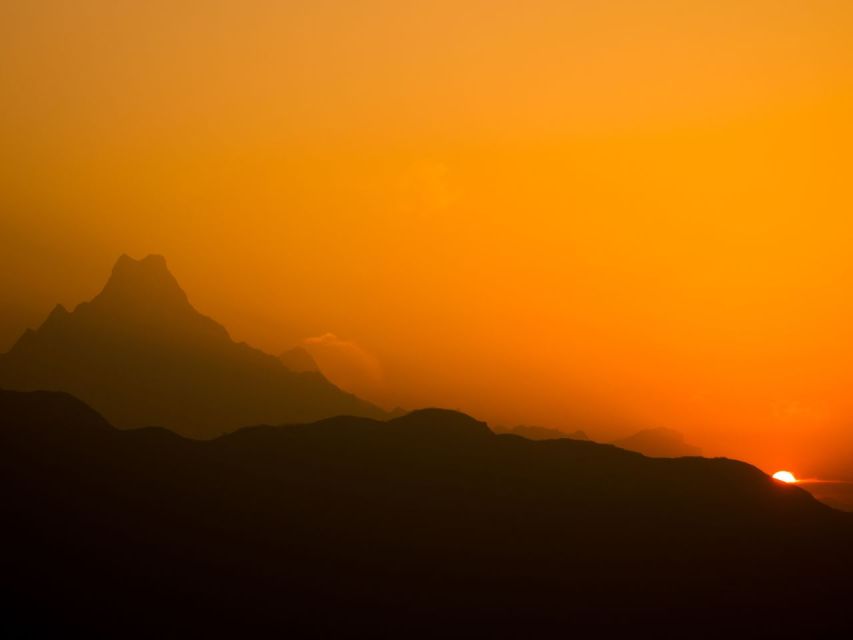
This trek is built around two kinds of rewards: big-picture views and small, human moments.
First, you get the early payoff. Poon Hill is famous for sunrise, and the timing in this itinerary is designed so you’re up before the day fully warms up. Second, the walking doesn’t feel like a one-note hike. You move through different trail textures—steep stair sections, forest stretches, and quieter descent paths—so your body gets a chance to adjust.
And since you’re based out of Pokhara, you’re not solving transportation puzzles while you’re also trying to breathe at altitude. There’s a cab/vehicle leg at the start, a guided trekking plan through the mountain villages, and then a return transfer to Lakeside Pokhara.
Day-by-Day: What You’ll Actually Do on the Trail
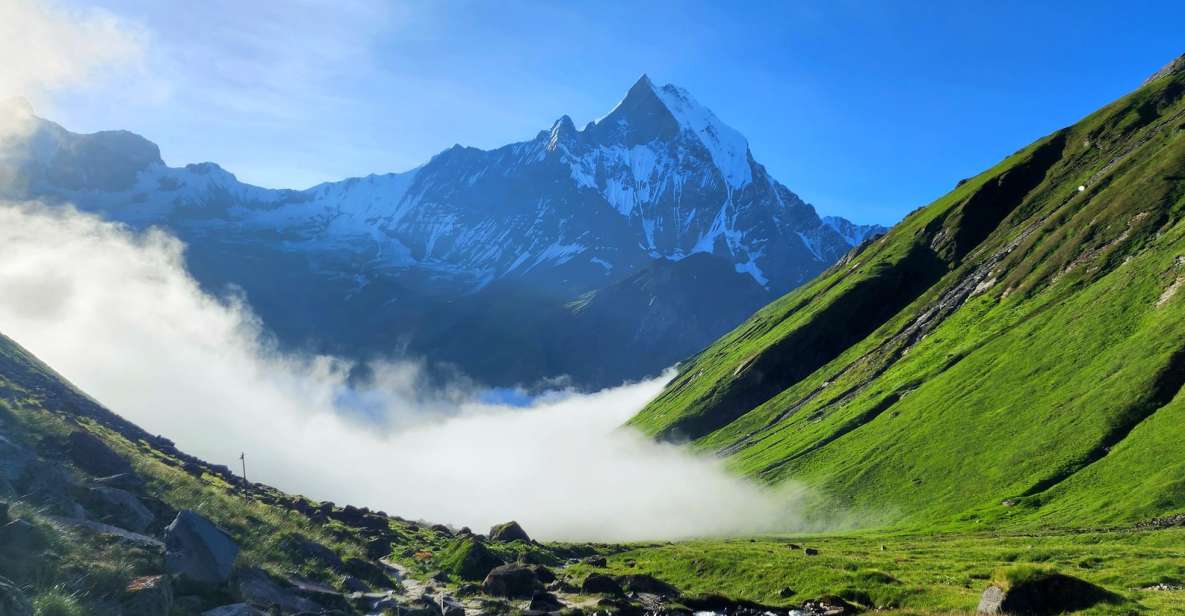
Here’s the rhythm you can expect, with what each day feels like and what to watch for.
You can also read our reviews of more hiking tours in Pokhara
Day 1: Pokhara to Tikhedhunga (1,570m) via Nayapul
You start with about a 2-hour cab ride from Pokhara to Nayapul, then switch to trekking with a roughly 3-hour hike into Tikhedhunga. You’ll pass the Modi Khola River along the way, plus villages and rhododendron forests that make the early kilometers feel less monotonous.
The value of day one is that it warms you up without throwing you into max effort immediately. You’ll rest at a cozy tea house in Tikhedhunga, which sets you up for the bigger stair challenge the next day.
Day 2: Tikhedhunga to Ghorepani (2,840m) over Ulleri’s steps
This is the day with the workout reputation. The route climbs to Ulleri village with over 3,000 steps, and it’s framed by blooming rhododendrons when conditions are favorable. Reaching Ghorepani at 2,840m means you’ll feel the altitude shift, but you also get the comfort of a village stay at the end.
I like this design because it’s a clear “do the hard thing” day, followed by a night where you can recover properly. Your drawback to plan for: expect sore legs, especially if you rush the stairs. Go slow and steady, and your knees will thank you.
Day 3: Sunrise at Poon Hill (3,210m) then onward to Tadapani or Chuile
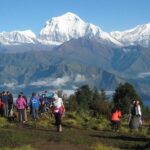
This is where you earn that early alarm. You hike up for Poon Hill sunrise around the viewpoint area at 3,210m, then move into a forest trek toward Tadapani or Chuile (around 2,400m). You trade “standing still for photos” time for “walking while the light changes” time, which feels more satisfying than just chasing a viewpoint.
If you’re the type who enjoys a morning routine, this day fits you. You’ll likely be cold at first, then gradually warmer as the sun climbs. Bring sunglasses even if you think you won’t—glare at altitude can be real.
Day 4: Chuile to Sinuwa (2,170m) with river confluences
You keep trekking toward the deeper base camp approach, moving to Sinuwa for the night. A standout moment is crossing the convergence of the Kumrung and Modi Rivers—one of those “the trail tells a story” spots where you can see how water shapes this whole region.
This day’s pace matters because you’re starting to spend more time in serious trekking country. You’ll want good breaks and a steady gait, not frantic speed.
Day 5: Sinuwa to Deurali (3,200m) through forest and classic peak views
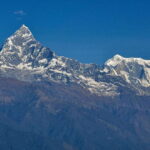
You climb to Deurali for a rest night at about 3,200m, and the route runs through lush forest stretches. You also get mountain companionship in the form of Annapurna and Machhapuchhre views during the day.
This is an important acclimatization step in practice: you’re going higher than before, but the next move depends on getting used to altitude. Mentally, I’d treat this as “build the habit” day—snack often, hydrate consistently, and don’t try to prove something to the trail.
Day 6: Deurali to Annapurna Base Camp (4,130m)
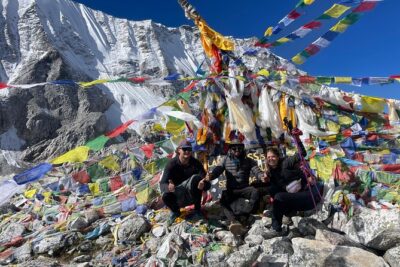
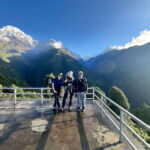
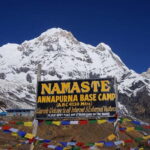
This is the pinnacle day. You ascend to Annapurna Base Camp at 4,130m, surrounded by snow-capped peaks and glaciers. After days of climbing, the base camp arrival has that quiet, stunned feeling—like your body finally understands the goal.
What to consider: the air is thin up here, and you may not feel like eating much. Keep meals simple, drink water steadily, and don’t over-plan your photos. Take the moment, then let your body recover.
Day 7: Annapurna Base Camp down to Bamboo (2,300m)
You start descending to Bamboo, around 2,300m. After a high point day, this is a relief—but don’t underestimate it. Descents can be tough on your quads and ankles, especially after long days.
The reason this day matters is psychological. You’re backing away from the thin-air zone and getting into a more forgiving elevation range. That makes the next hot-spring recovery day feel realistic instead of hopeful.
Day 8: Bamboo to Jhinu Dada Hot Spring (1,600m)
Today’s theme is recovery. You continue descending toward Jhinu Dada, where natural hot springs help soothe tired muscles. If you’ve had stair days and high-altitude days, this is the reward you actually feel in your body.
A practical note: the hot spring doesn’t replace rest. Use it to relax and then still sleep early. You’ll go back to Pokhara the next day, and you’ll want your legs to behave.
Day 9: Jhinu Dada back to Lakeside Pokhara
You return to Lakeside Pokhara with a final trekking segment (about 2 hours on foot) followed by a comfortable ride. The feeling here is less about effort and more about closure—time to look back at the route you did and the way your perspective changed from village steps to glacier views.
Poon Hill Sunrise: The One Moment You Shouldn’t Half-Do
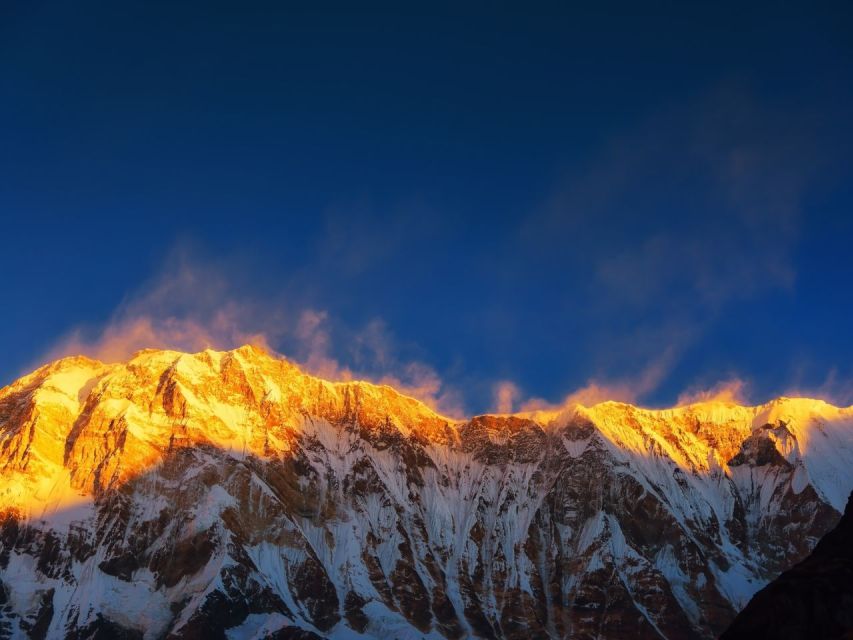
Poon Hill isn’t just scenic—it’s a whole strategy.
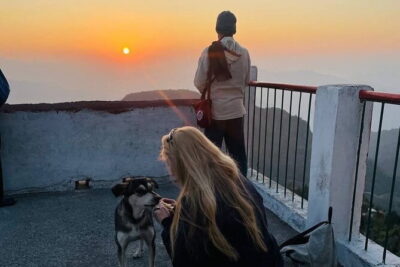
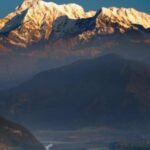
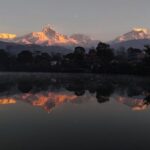
Because you reach it at sunrise timing, you get a mix of cold air, sharp light, and big mountain silhouettes. That’s why people talk about orange-red reflections on the snow, and why the morning milk tea vibe at this altitude can feel extra special. It’s also when skies tend to look their best, since cloud buildup later in the day can dull the contrast.
My advice: plan for cold. Even if your body warms up quickly after movement, sunrise hours can be chilly. Warm layers plus sunglasses usually beat “I’ll just tough it out” bravado.
Stairs, Altitude, and Other Real Considerations
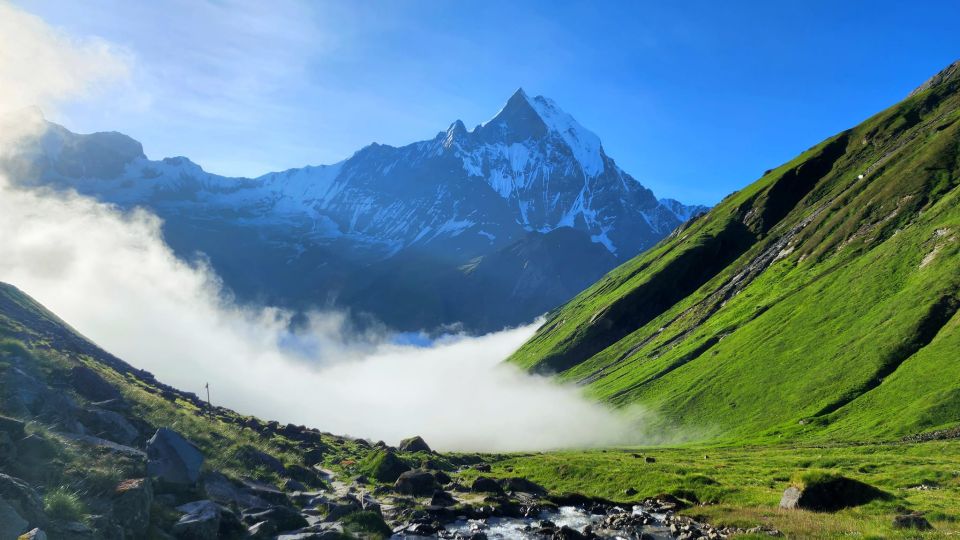
This trek is rated moderate in difficulty by many operators, but “moderate” doesn’t mean “easy.” Your itinerary includes a heavy stair segment (Ulleri’s 3,000+ steps) and an extended high-elevation day at Annapurna Base Camp.
Altitude sickness is listed as a possibility, though it’s stated as rarely happening. Still, don’t ignore symptoms. If you feel unusually unwell, your guide’s advice should come first.
Also note the season factor: during monsoon months (June–August), weather can be erratic with heavy rainfall. That affects trail conditions and visibility, and it’s when leeches can be a nuisance on lower trails. Wearing long pants tucked into gaiters and using insect repellent are specifically recommended.
Natural Hot Springs at Jhinu Dada: Recovery That Doesn’t Feel Like a Gimmick
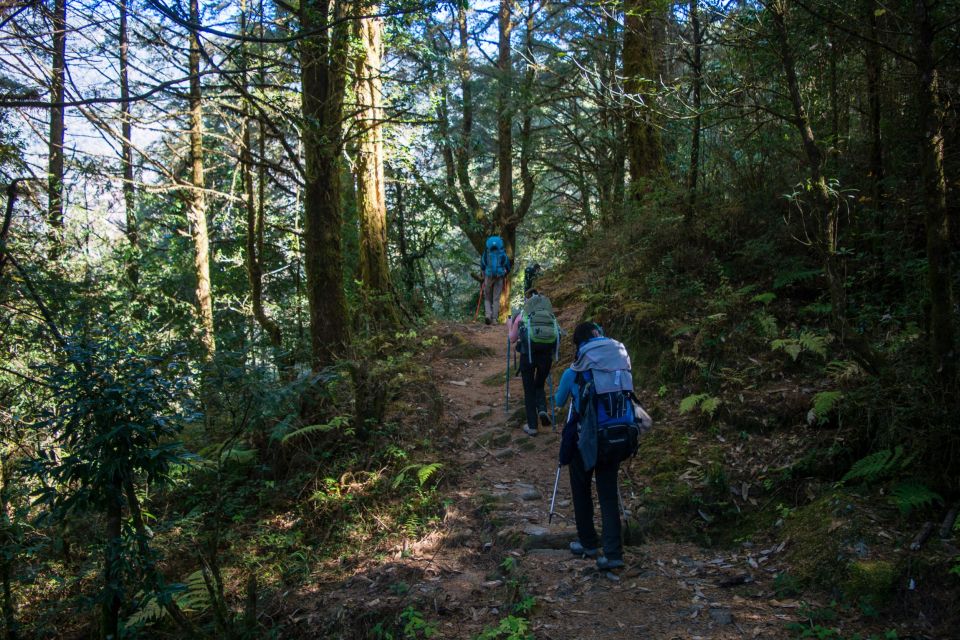
Hot springs are often a “nice-to-have” on treks, but Jhinu Dada is a strong practical feature here because you’re coming off the steepest fatigue arc: base camp day, then a descent day, then another down day.
By the time you reach 1,600m, your body has earned a reset. Soaking can help you relax sore muscles and return to walking with more comfort than you would otherwise. It’s not magic, but it’s real relief—especially if you’re someone who gets tight and stiff after long downhills.
Price and Value: Is $487 Fair for 9 Days?
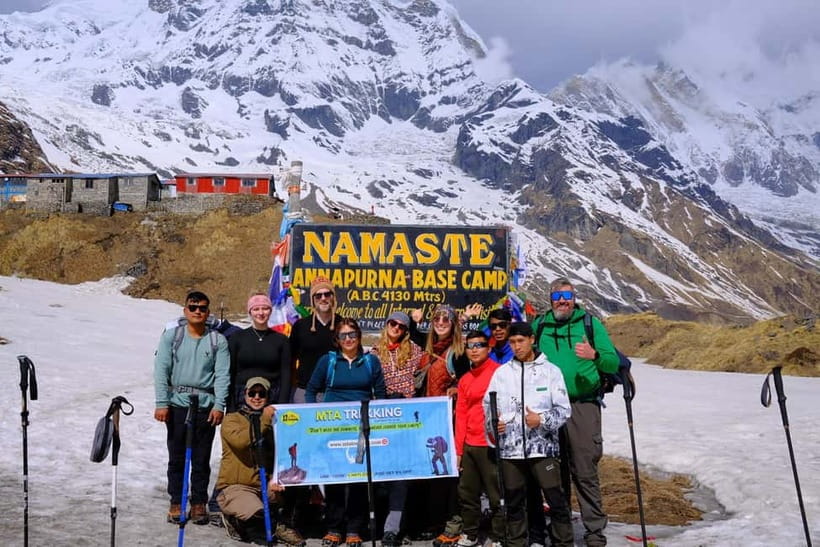
At $487 per person for 9 days, this is priced as a structured, guided trekking package rather than a barebones DIY plan.
Here’s what helps the value make sense:
- Transportation during the trek is included, including the Pokhara to Nayapul transfer and the return travel back to Pokhara.
- Trekking permits and paperwork plus government taxes are included. Getting that right matters in Nepal.
- Accommodation is included throughout the trek.
- Staff expenses during the trek are included, which typically means your guide and support are covered.
What to budget for separately:
- Soft and hard drinks and other personal purchases (like phone calls, laundry, bar bills, battery recharge).
- Insurance and rescue coverage is not included.
- Bottled or boiled water and hot shower costs can fall under personal expenses.
- Trekking gear like trekking poles, sleeping bags, and crampons is not included.
My take: this cost makes sense if you want the planning handled and you’d rather spend energy on the trail than paperwork. If you already own gear, know your packing system, and feel comfortable booking tea houses yourself, you might find cheaper alternatives—but you’re trading away the convenience and guidance that make this route feel smoother.
Guides, Private Group Pace, and Why It Changes Everything
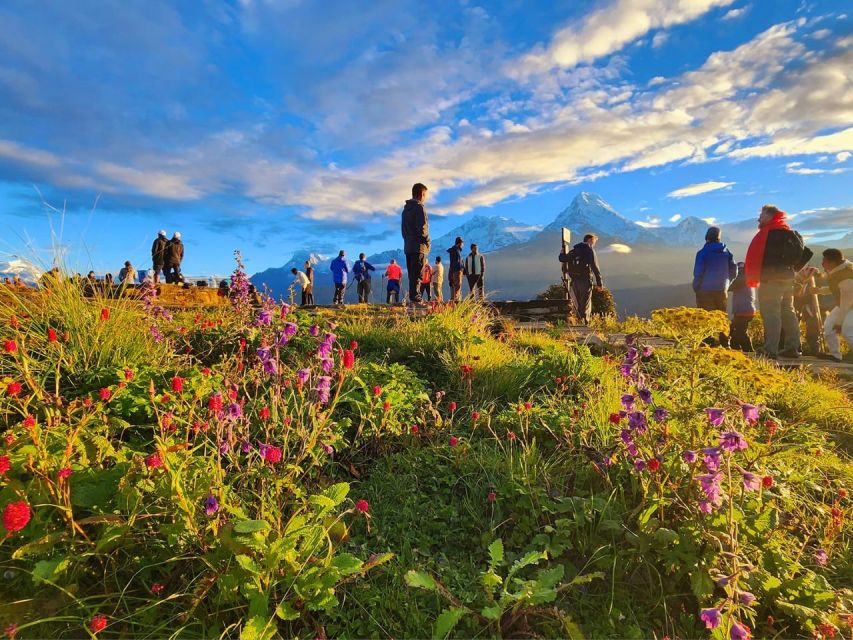
This trek runs as a private group with a live guide in English and Hindi. That matters because a private pace lets you handle stair days and high-altitude sections with less pressure.
In the experiences shared about MTA Trekking, guides like Lalit and Pratiksha were noted for being patient and caring, with a professional approach that still feels friendly. That kind of guidance is especially useful when you’re tired, hungry, or unsure how fast to go.
Also, pay attention to the support system. A porter named Rickson was highlighted as carrying bags with dedication even as a first-trek experience. That tells me the organization emphasizes teamwork and doesn’t treat support staff as an afterthought.
What to Bring (From the Pack List You’re Given)
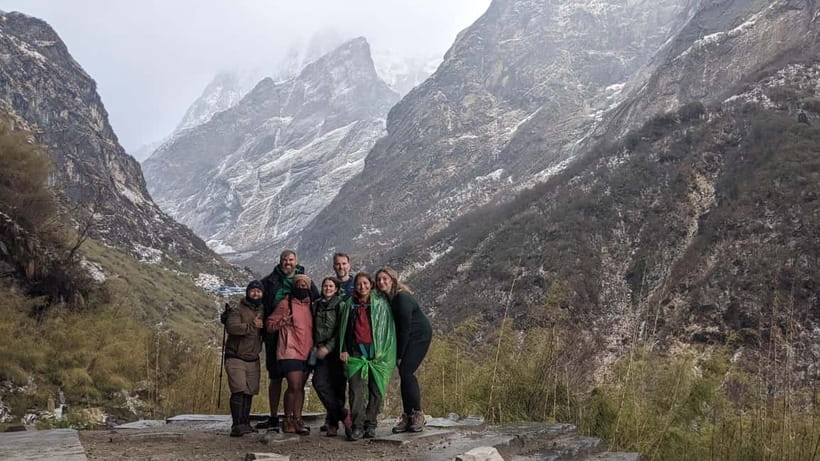
You’ll want practical basics for changing mountain weather and early mornings.
Bring:
- Comfortable shoes
- Weather-appropriate clothing
- Sunscreen
- Sunglasses
Not included (so plan ahead):
- Trekking poles
- Sleeping bags
- Crampons or similar specialized gear
And if you’re trekking in wetter conditions, be ready for insects. The route notes long pants tucked into gaiters and repellent during monsoon season.
Who This Trek Suits Best
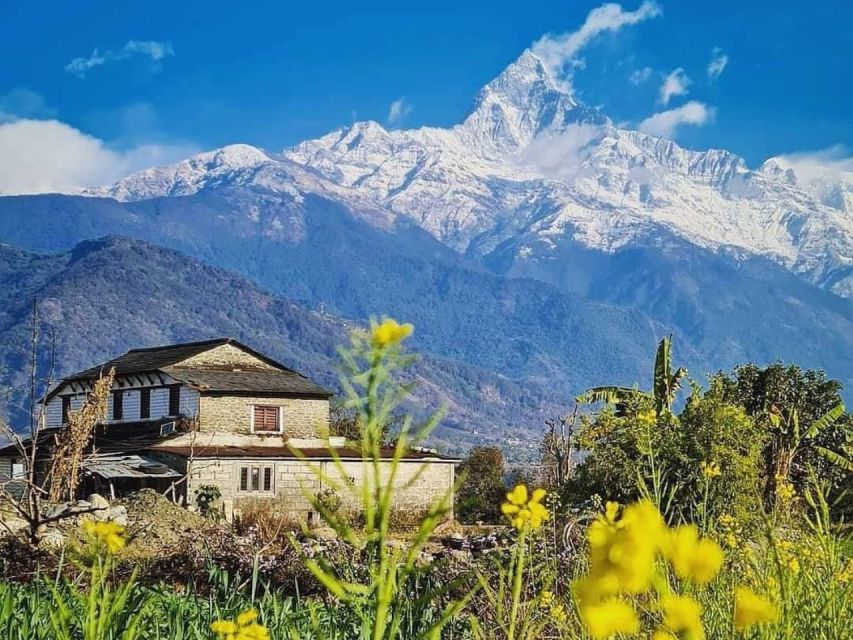
This trek fits you if you want:
- The classic Annapurna Base Camp goal plus a Poon Hill sunrise morning
- Village culture time, rhododendron forests, and a natural hot spring recovery day
- A guided, organized experience with an English/Hindi speaking guide
It’s not suitable for:
- Pregnant women
- People with altitude sickness
- People over 70
Should You Book This Annapurna Base Camp + Poon Hill Trek?
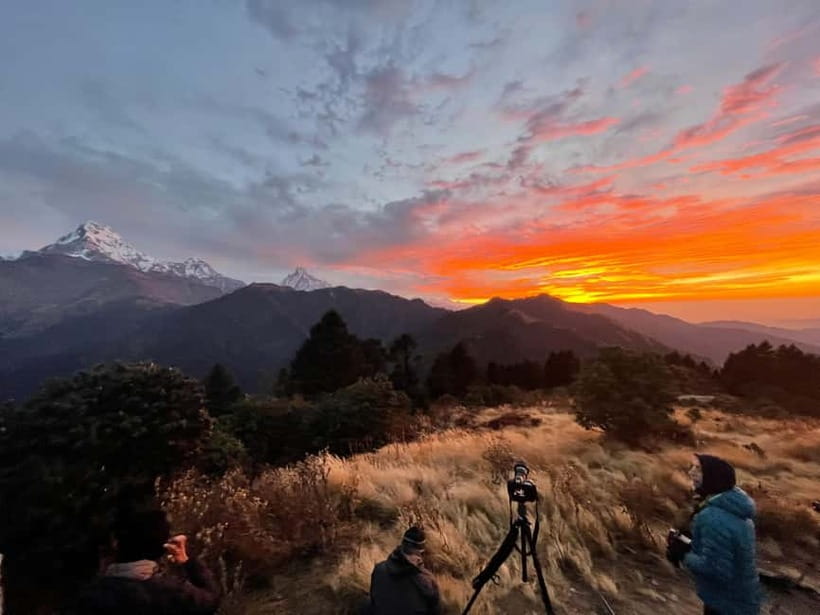
Book it if you’re excited by sunrise views, you can handle stair-heavy days, and you want a guided route that takes care of permits, taxes, accommodations, and in-trek transport. The combination of Poon Hill plus Annapurna Base Camp at 4,130m, and then a real body reset at Jhinu Dada hot springs, is a strong “peak-to-recovery” sequence.
Skip it (or choose another plan) if altitude is a known risk for you, if stairs are a problem, or if monsoon weather would be a dealbreaker. Also, factor in gear costs and personal expenses—$487 covers a lot, but it doesn’t cover everything you’ll want at altitude.
If you want a trek that feels organized without feeling robotic, this one is a solid match.
FAQ
How long is the trek, and where does it start?
The duration is 9 days. It starts in Pokhara, with pickup included, and ends by returning to Lakeside Pokhara.
Is this trek a private tour, and what languages are used?
Yes, it’s a private group trek. The live tour guide speaks English and Hindi.
What’s the altitude, and is altitude sickness a concern?
You’ll reach high points including Poon Hill at about 3,210m and Annapurna Base Camp at 4,130m. Altitude sickness is listed as a possibility, though it’s described as rarely happening. People with altitude sickness are not suitable for this trek.
Are trekking permits and government taxes included?
Yes. Trekking permits and paperwork, along with government taxes, are included.
Are meals included?
Meals are included only for the Full Package. If you’re not on the full package option, you should expect to pay for food yourself.
What should I bring, and what gear is not included?
Bring comfortable shoes, weather-appropriate clothing, sunscreen, and sunglasses. Trekking poles, sleeping bags, and crampons are not included.
Can I cancel for a full refund?
Yes. Free cancellation is available up to 24 hours in advance for a full refund. You can also use reserve now & pay later to keep plans flexible.