REVIEW · KATHMANDU
Best Nepal Tour: Kathmandu Pokhara Chitwan Tour
Book on Viator →Operated by Shepherd Holidays · Bookable on Viator
One day you’re craning your neck at gold-roofed temples. Then—wildlife. This Kathmandu Pokhara Chitwan tour is built to move fast without feeling rushed, and I like how the Kathmandu day strings together major UNESCO-area sights. I also like that the Chitwan part is set up for real wildlife time, with a team that many people associate with guide names like Bhim and Ankita. One thing to keep in mind: entrance fees at several heritage sites and attractions aren’t included, so budget a bit extra.
You’ll also notice the trip is designed around practical transitions: airport pickup, hotel stays in the big sightseeing hubs, and a route that switches from cool Kathmandu to warmer Chitwan to lakes-and-mountains Pokhara in just a couple of days. The main drawback, for some folks, is the pace: it’s active sightseeing plus safari-style time, so you’ll want to pack for walking and early mornings, not long lie-ins.
In This Review
- Key Highlights You’ll Care About
- Kathmandu’s Temple Circuit: Pashupatinath to Patan Durbar Square
- The trade-off
- The Jump to Chitwan: From City Faith to Jungle Wildlife
- Why this pacing works
- Chitwan National Park Day: Jeep Safari Plus Canoe and Jungle Walk
- The main consideration
- Pokhara Lakeside Arrival: A Real Reset in the Middle of the Trip
- What to expect on the ground
- Phewa Tal, Devi’s Fall, Gupteswar Cave: Your Best-of Pokhara Day
- A realistic pacing note
- Sarangkot Sunrise and the Thamel Ending: Your Last Big View
- Weather matters here
- Price and Logistics: Is $600 Good Value?
- My value take
- Hotels, Groups, and How Smooth This Feels
- Who Should Book This Trip (and Who Might Want Alternatives)
- Should You Book the Kathmandu Pokhara Chitwan Tour?
- FAQ
- How long is the Kathmandu Pokhara Chitwan tour?
- What is the price per person?
- What’s included in the tour price?
- What is not included?
- Which Kathmandu sites are visited?
- Are entrance fees included for Kathmandu and Pokhara stops?
- What wildlife activities happen in Chitwan?
- Does the itinerary include a sunrise viewpoint?
- Is hotel accommodation provided in all cities?
- What happens if weather is poor for the sunrise?
Key Highlights You’ll Care About
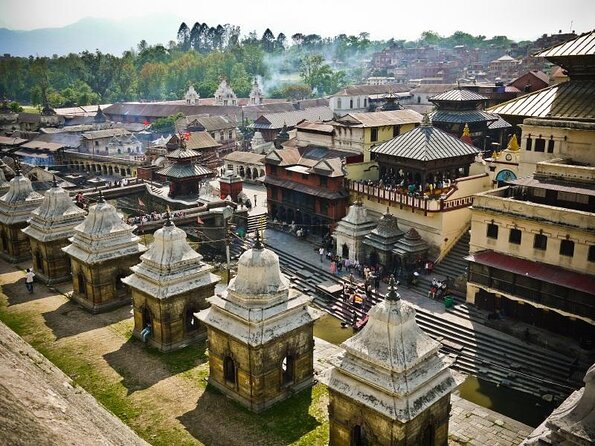
- Kathmandu’s big hits in one day: Pashupatinath, Swayambhunath, Boudhha, and Patan Durbar Square
- Chitwan wildlife time on purpose: jeep safari plus canoeing and jungle walk options
- Pokhara sights clustered well: Phewa Tal, Devi’s Fall, Gupteswar Cave, and more
- Sarangkot sunrise viewpoint: early-morning mountain views before breakfast
- Good built-in support: pickup/drop-off, ground staff coverage, and twin-sharing hotel stays in Chitwan & Pokhara
Kathmandu’s Temple Circuit: Pashupatinath to Patan Durbar Square
If you’re trying to understand Nepal quickly, this route starts in the right place. Kathmandu is where you see the country’s spiritual layers up close, and the plan focuses on sites that people travel across the planet to experience.
Pashupatinath Temple is your first stop. It sits about 5 km east of the city center along the Bagmati River, and it’s dedicated to Lord Shiva. The key practical note here is that the tour marks the admission ticket as not included, so plan for an extra payment. Also, expect crowds and a very “lived-in” atmosphere—this isn’t a quiet museum stop.
Next is Swayambhunath, which many visitors associate with monkeys because they really do hang around the temple area. You’ll get art, architecture, and—just as importantly—high-angle views over Kathmandu Valley. The good news: this stop lists admission as free, so it’s an easy win.
Then comes Boudhha (Bouddhanath), described as the oldest and largest stupa in the valley, built in the 5th century. It’s a huge focal point, and it’s also the kind of place where your brain slows down. The tour lists it as free, so you can focus on taking it in rather than budgeting time for ticketing.
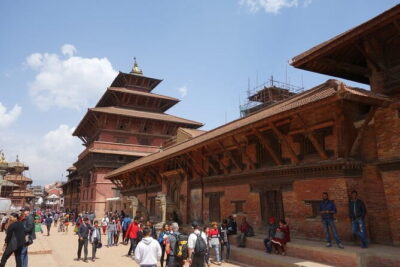
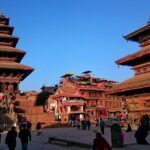
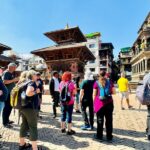
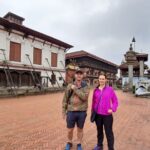
Finally, you finish at Patan Durbar Square in Lalitpur. This is a UNESCO World Heritage area, centered on an ancient royal palace linked to the Malla kings. Again, the tour marks heritage-site admission as not included, so think of this as your “extra fee” moment.
You can also read our reviews of more tours and experiences in Kathmandu.
The trade-off
This Kathmandu day packs a lot into a single schedule window. If you love leisurely pacing, you’ll still have time to roam and photograph, but you’ll be moving from one major site to the next. I’d come here with comfortable shoes and a willingness to be a little flexible with timing.
The Jump to Chitwan: From City Faith to Jungle Wildlife
Day 2 is where the tour changes gears. After breakfast, you drive from Kathmandu to Chitwan by tourist bus or private car. The trip is short enough that you don’t feel like you’re losing a full day to transit, but it’s long enough to feel the climate shift—Kathmandu is cool, and Chitwan is warmer.
Once you arrive, the tour takes you to your hotel and gives you your schedule for Chitwan visits. You then get the setup for a wildlife-focused stay. The big promise here is Chitwan National Park, described as Nepal’s richest park in flora and fauna, with jungle safari opportunities to see animals like one-horned rhinos, elephants, Bengal tigers, and crocodiles.
A practical point: wildlife viewing isn’t guaranteed in a literal sense, even on the best routes. What you can count on is the structure. The plan is designed around time in the park and guided activities, not just a quick drive-by. That’s the difference between seeing “a forest” and having a real shot at wildlife encounters.
Why this pacing works
This tour doesn’t make you choose between culture and nature. It moves you from sacred sites to safari country while you’re still fresh—so you don’t arrive in Chitwan exhausted from a long city schedule. That transition is part of the value.
Chitwan National Park Day: Jeep Safari Plus Canoe and Jungle Walk
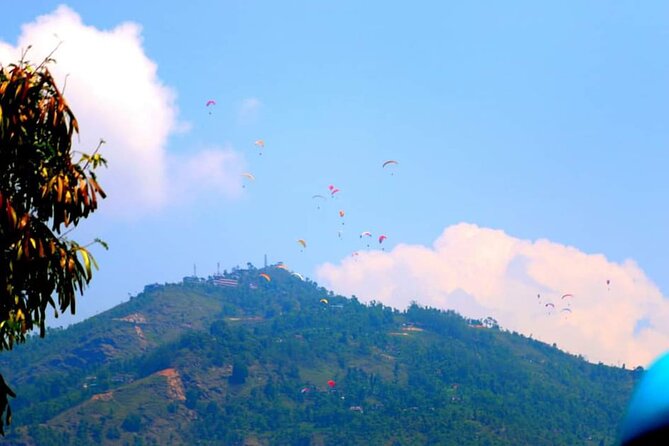
Day 3 is your main Chitwan wildlife day. After breakfast, you head inside Chitwan National Park and do a jeep safari, plus additional jungle and non-jungle activities like canoeing and jungle walk.
Here’s what that means for your experience:
- A jeep safari is your best bet for covering ground and spotting wildlife without losing focus.
- Canoeing adds a quieter angle. Instead of engine noise and bouncing roads, you’re on calmer water, often noticing birds and smaller wildlife activity.
- A jungle walk is where you slow down. Even when you don’t see something massive instantly, you learn how the ecosystem works and what to look for.
The tour description also implies that you’ll be watching for a variety of animals and birds. Based on the tour’s emphasis, you should expect guides to keep you oriented and help you interpret what you’re seeing—especially when you’re looking for signs of wildlife rather than only dramatic sightings.
The main consideration
Chitwan is active. You’ll likely spend long stretches outdoors, and you’ll want to plan for insect repellent and hydration. The tour includes meals (lunch, plus dinner on two days), but you should still expect to feel the heat and movement on safari day.
Pokhara Lakeside Arrival: A Real Reset in the Middle of the Trip
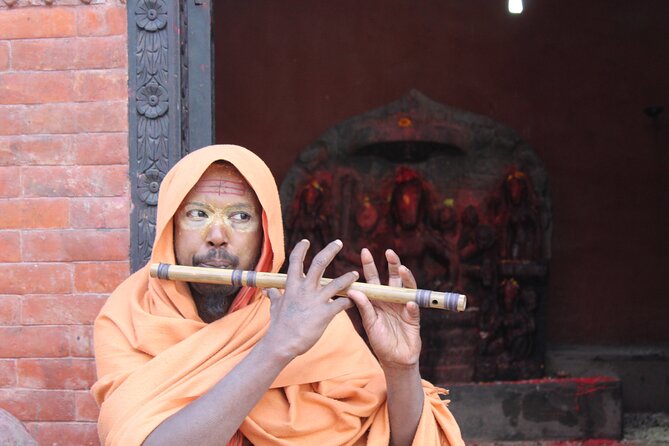
Day 4 takes you from Chitwan to Pokhara by tourist bus or private car. The drive runs through hilly terrain with views of jungles and rivers, and it’s exactly the kind of “in-between day” that helps the whole trip feel smoother. You’ll arrive and spend about half a day in Pokhara’s lakeside area.
Pokhara is the part of Nepal that makes people start planning the second trip while the first one is still happening. It’s described as a beautiful city of lakes and mountains, with Phewa Lake being the star attraction for your later day. But even before that, the lakeside setting helps your body recover after safari mornings.
What to expect on the ground
Your day 4 is less about ticking off dozens of stops and more about settling into Pokhara. That matters because day 5 is packed. If day 4 were rushed or busy, day 5 would feel exhausting. Instead, the tour gives you enough room to reset.
Phewa Tal, Devi’s Fall, Gupteswar Cave: Your Best-of Pokhara Day
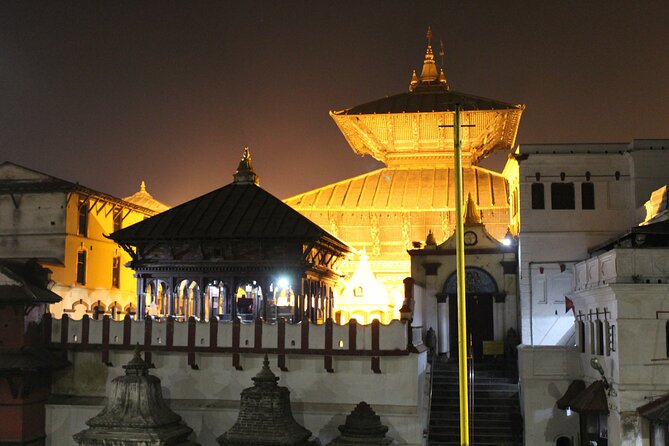
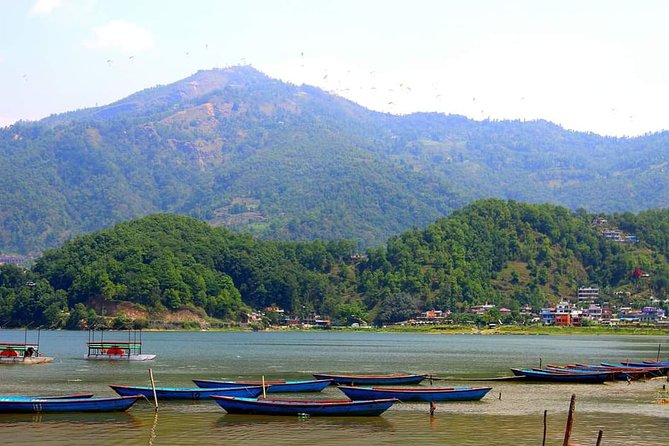
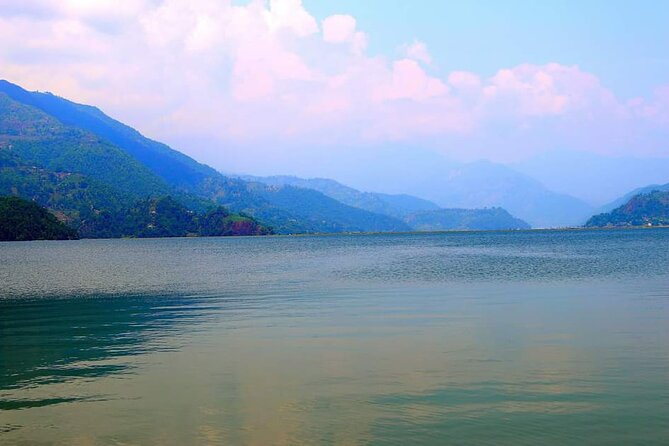
Day 5 is your sightseeing powerhouse. You start at Phewa Tal (Fewa Lake), the second largest lake in Nepal. The description is classic for a reason: the lake is surrounded by jungle, and the Fishtail mountain view can reflect on the water. In the middle of the lake sits Barahi temple, which adds a very distinct “Nepal” element to a scene that could easily belong in a travel poster.
Next up is Gupteswar Gupha (a cave worship site). It’s about 3 km long. Here the tour notes Hindu worship of Lord Shiva (Mahadev). The stop lists admission as not included, so plan on additional fees. Caves can also mean cooler air and slippery spots, so wear shoes you trust.
After that comes Devi’s Fall, also known locally as PATALE CHHANGO. The admission is also listed as not included. This is one of those stops that’s easier to appreciate when you can see the water’s path clearly, so try not to rush it.
Then you have Bindhya Basini Temple, dedicated to the goddess Bhagabati, with admission not included. This is a shorter stop, but it adds variety to the day: you’re not only doing water and caves—you’re also stepping into a devotional space.
Finally, the tour includes Seti River Gourge. The description says the gorge was made by the Seti River and that Seti means white in Nepali. You’ll see deep gorge views and straight-shifting water action described in the tour notes.
A realistic pacing note
This day is full. It’s not a “one attraction per hour” schedule—more like a steady chain of stops. You’ll enjoy it most if you come in willing to move, take photos quickly, and stay flexible about timing.
Sarangkot Sunrise and the Thamel Ending: Your Last Big View
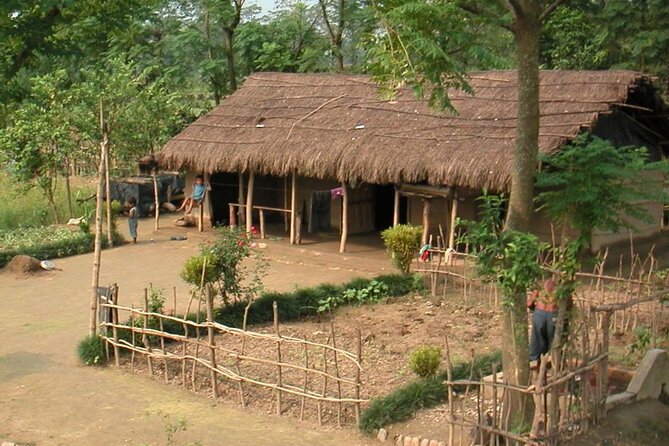
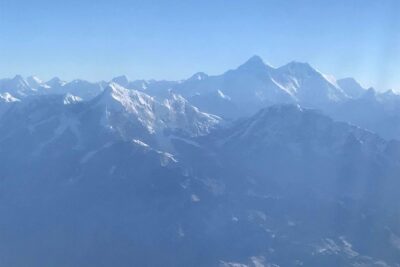
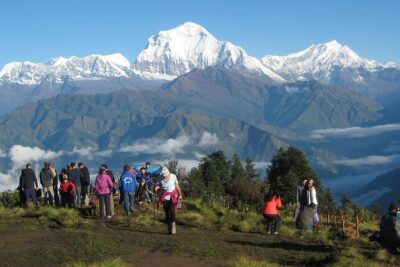
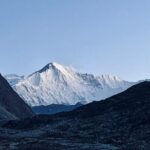
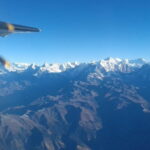
Day 6 is built around one of Pokhara’s most popular experiences: Sarangkot Hill for sunrise. The tour plan says you go early, catch the view, then return for breakfast. That early timing is key because sunrise visibility in this part of Nepal depends on weather and cloud cover.
After sunrise and breakfast, you can either drive back to Kathmandu by tourist bus/private car or fly back to Kathmandu (the flight is listed as extra). The day also references Thamel, which is Kathmandu’s well-known tourist area—useful as a final stop if you want to pick up snacks, small gifts, or just wrap your trip with a bit of urban energy.
Weather matters here
This tour notes that the experience requires good weather. If conditions aren’t right, you’ll be offered a different date or a full refund. In other words: don’t gamble your schedule with rigid, non-changeable plans around your sunrise day.
Price and Logistics: Is $600 Good Value?
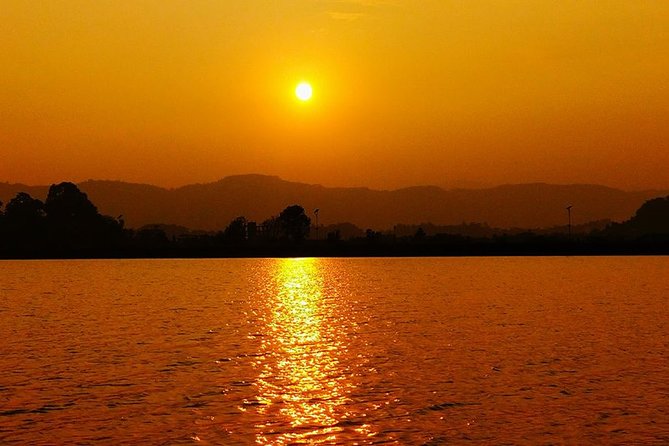
At $600 per person, this is a structured, multi-stop package that covers a lot of the operational work—transport between major cities, guided sightseeing days, and meals in key parts of the route.
Here’s what the price effectively buys you:
- Airport pickup and drop-off (so you’re not figuring out logistics on arrival and departure)
- Hotel stays with breakfast in Chitwan and Pokhara (twin sharing)
- Several meals included: lunch and dinners on two days, plus breakfasts on three days
- Ground staff coverage and official taxes/expenses
- A plan that handles the switch between cultures and environments: temples → wildlife → lakes-and-mountains
Now the parts that are not included (and why they matter):
- International airfare and the Nepal entry visa (visa is available on arrival, but you still need to factor it in)
- Accommodation and food in Kathmandu (that’s a big one—this package is not covering your Kathmandu lodging)
- Entrance fees at heritage sites in Kathmandu and attractions in Pokhara (several stops explicitly list tickets as not included)
My value take
If you’re also planning to spend nights in Chitwan and Pokhara anyway, and you want guided movement between the three areas, $600 can be a solid deal. The budget risk is Kathmandu: because accommodation and meals there aren’t included, your true total depends on where you stay and what you eat in Kathmandu.
If you’re the type who likes DIY travel, you might be able to build a cheaper route. But if you want the stress removed—routes, timing, and guidance—this is the kind of package that can feel worth it.
Hotels, Groups, and How Smooth This Feels
This is set up as a private tour/activity where only your group participates. That matters because it changes the vibe. You’re not always stuck waiting for a large, mixed group to finish photos. You’ll still walk and move through crowds, especially in Kathmandu, but you won’t be managing a chaotic group dynamic.
Hotel accommodations in Chitwan and Pokhara are described as twin sharing with breakfast. That keeps the trip comfortable without going ultra-luxury. Since Kathmandu lodging and meals aren’t included, I’d treat Kathmandu as your “add-on nights” planning point. Choose a place in or near your sightseeing base so you’re not spending time in transit before tours start.
Food-wise, the tour includes lunch and dinners on certain days. That’s a relief on safari day and for the sightseeing day in Pokhara, when you don’t want to hunt for meals between attractions.
Who Should Book This Trip (and Who Might Want Alternatives)
This tour fits best if you want three different Nepal vibes without a lot of decision-making. I’d especially recommend it for:
- First-timers who want Kathmandu culture, Pokhara scenery, and Chitwan wildlife in one go
- People who prefer guided route planning over map juggling
- Anyone who values a real sunrise viewpoint, not just a late-day photo
Consider adjusting your expectations if:
- You hate early mornings (Sarangkot sunrise starts early)
- You’re hoping for a super relaxed pace (this route moves steadily)
- You don’t want to pay extra for entrance fees at multiple stops
Should You Book the Kathmandu Pokhara Chitwan Tour?
I’d book this if you want a well-stitched route that handles the hard parts: getting you between regions, organizing guided days, and placing you in the right locations for sunrise and safari time. The price can feel fair because it includes key meals, transport, and hotel stays in Chitwan and Pokhara.
But I’d also plan ahead for the add-ons: Kathmandu lodging/food on your side, plus entrance fees at several attractions. If you’re okay with that, you’ll likely find this route gives you a lot of Nepal per day—temples, lakes, and wildlife—without turning your trip into constant logistics.
FAQ
How long is the Kathmandu Pokhara Chitwan tour?
The tour runs for about 6 days.
What is the price per person?
The listed price is $600 per person.
What’s included in the tour price?
The package includes pickup and drop-off to and from the airport, lunch, breakfast on 3 days, dinner on 2 days, and twin-sharing hotel stays with breakfast in Chitwan and Pokhara. It also includes salary and insurance of ground staff and government taxes/official expenses.
What is not included?
Not included are international air fare, Nepal entry visa, accommodation and food in Kathmandu (besides what’s included), and entrance fees at heritage sites in Kathmandu and attractions in Pokhara.
Which Kathmandu sites are visited?
The Kathmandu day includes Pashupatinath Temple, Swayambhunath, Boudhha, and Patan Durbar Square.
Are entrance fees included for Kathmandu and Pokhara stops?
No. Entrance fees at heritage sites in Kathmandu and attractions in Pokhara are listed as not included.
What wildlife activities happen in Chitwan?
Chitwan includes a jeep safari and also jungle and non-jungle activities such as canoeing and jungle walk.
Does the itinerary include a sunrise viewpoint?
Yes. Day 6 includes a sunrise view from Sarangkot Hill.
Is hotel accommodation provided in all cities?
Hotel accommodation is provided for Chitwan and Pokhara (twin sharing with breakfast). Kathmandu accommodation is not included.
What happens if weather is poor for the sunrise?
The tour requires good weather. If it’s canceled due to poor weather, you’ll be offered a different date or a full refund.