REVIEW · KATHMANDU
Ghorepani Poon Hill Trek
Book on Viator →Operated by Frolic Adventure Pvt. Ltd. · Bookable on Viator
Ghorepani Poon Hill is the quickest way into Annapurna scenery. This short trek is built around sunrise viewpoints and relaxed village-and-forest walking in the Annapurna region, with logistics handled from Kathmandu through Pokhara and into the mountains. I also like that you get the permits included up front, so you are not scrambling for paperwork once you arrive.
The main drawback: even though it’s marketed as beginner-friendly, the day-to-day walking can still feel like a workout, especially if you’re not used to uphill trails or early starts.
If you want a mountain trip that feels real but doesn’t eat your entire vacation, this one fits. It’s popular for a reason: rhododendron and pine forests, traditional settlements, and sightlines that can include peaks like Dhaulagiri and the Annapurna range.
In This Review
- Key things to know before you go
- Why Ghorepani Poon Hill is the Annapurna on-ramp
- Frolic Adventure logistics: transport, lodges, and small-group pacing
- Day 1: Kathmandu to Pokhara Lakeside and why you start here
- Day 2: Nayapul/Birethanti to Ulleri and your first real rhythm
- Day 3: Ulleri to Ghorepani via Banthanti forests
- Day 4: The pre-dawn Poon Hill sunrise hike (and how to do it right)
- Day 5: Tadapani sunrise, then the return to Pokhara
- The mountain views you can plan around (not just hope for)
- What you’ll get for $380 and where the value really sits
- How hard is it really for beginners and older trekkers?
- Should you book this Ghorepani Poon Hill Trek?
- FAQ
- Where does the tour start and end?
- How long is the Ghorepani Poon Hill Trek?
- What permits are included?
- Is transportation included?
- How many nights do you stay in Pokhara and in the mountains?
- Is breakfast included?
- What’s the group size?
- Is the trek easy for beginners?
- Is free cancellation available?
Key things to know before you go
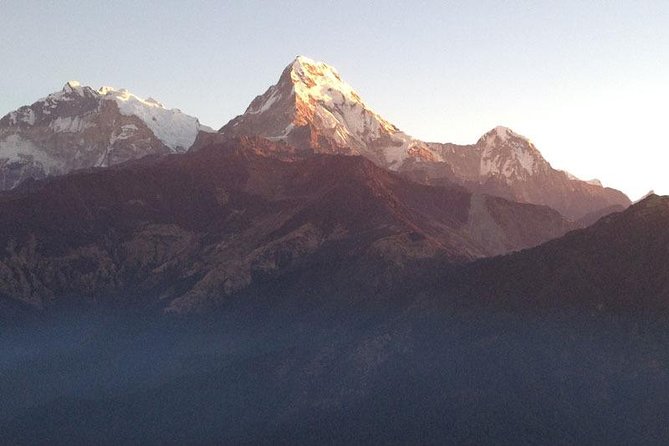
- Poon Hill sunrise is the centerpiece, with an early pre-dawn hike from Ghorepani
- Permits and fees are included (ACAP permit and TIMS card), plus multiple transfers
- You’ll sleep in Pokhara first, then switch to lodge stays for three mountain nights
- The route goes through forests and villages, not just straight “look at mountains” sightseeing
- Small groups (up to 16) makes it easier to move together at trekking pace
- Beginner-friendly is not the same as effortless, so plan your fitness accordingly
Why Ghorepani Poon Hill is the Annapurna on-ramp
The Ghorepani Poon Hill Trek is famous because it delivers Annapurna-and-beyond mountain views on a schedule that most people can actually manage. The route sits in Nepal’s Annapurna region, and it’s designed to be short enough for first-timers, families, and older trekkers who still want that classic Himalayan payoff.
You’ll also see why this trek is so popular. There are commonly hundreds of trekkers on the trail each day, so the experience is social. That matters because a lot of visitors are nervous about trekking in a new country, and a visible stream of people can make the whole thing feel less intimidating.
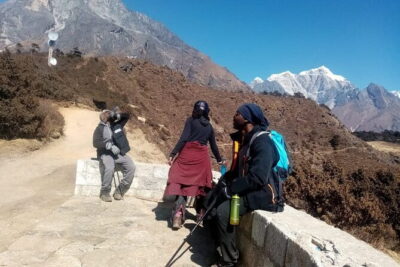
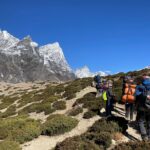
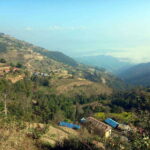
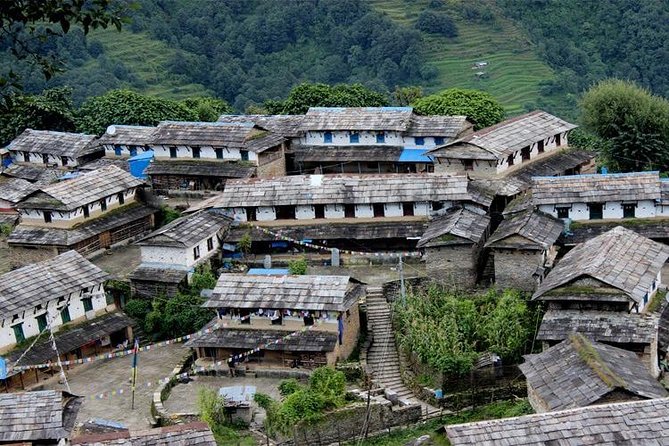
What I appreciate is that the trek doesn’t just focus on one “photo spot.” You walk through rhododendron and pine forest, pass traditional villages, and get cultural and everyday life along the way. Even if you only have a week total, it feels like a real trek rather than a short bus tour with a viewpoint stop.
You can also read our reviews of more hiking tours in Kathmandu
Frolic Adventure logistics: transport, lodges, and small-group pacing
This trip is priced at $380 per person and runs about five days. For many people, the value isn’t just the trek itself—it’s the amount of travel management you don’t have to plan. You start with a tourist bus from Kathmandu to Pokhara, then you switch into private transport for key legs tied to the trekking route. The company also includes 2 nights in Pokhara hotels and 3 nights in mountain lodges.
A few practical details make the whole thing smoother:
- Group size: maximum of 16 travelers, so you are not lost in a huge crowd.
- Pickup is offered, which helps if you want the least-stress start.
- Mobile ticket is listed as a feature, which usually means less paperwork chaos on the day of travel.
- Permits included: ACAP Permit and TIMS card are in the package, along with all fees and taxes.
Guides named Rajesh and Saroj show up in the feedback as organized and helpful, with Saroj specifically noted as great and informative. That matters on a trek like this, because good guidance is what turns a “beginner trek” into a confident walk rather than a constant question mark.
One consideration: the tour ends in Pokhara, at a hotel provided in Lakeside Baidam (Hotel Splendid View). The package notes that you need to arrange your own transport back to Kathmandu or wherever you’re going next. So if you have flights or onward plans, it’s smart to schedule them with a little buffer.
Day 1: Kathmandu to Pokhara Lakeside and why you start here
Day 1 is your “get oriented” day. You drive from Kathmandu to Pokhara early in the morning by tourist bus. The bus departs at 7:00 am from Sorhakhutte (near Thamel) and covers roughly 200 km. The ride takes about 7 hours.
You’ll arrive in Pokhara and settle around the Lakeside area. This is a good pacing choice. Pokhara gives you time to breathe, eat normally, and sleep in a proper hotel before you start climbing on foot. It also helps if you arrive in Nepal with jet lag. A full trekking day on Day 1 would be rough for most people; this one starts you with transport, not hills.
The package includes one breakfast on the day plan list, but the bigger win on Day 1 is the overnight comfort and the way the itinerary sets up your next morning drive.
Day 2: Nayapul/Birethanti to Ulleri and your first real rhythm
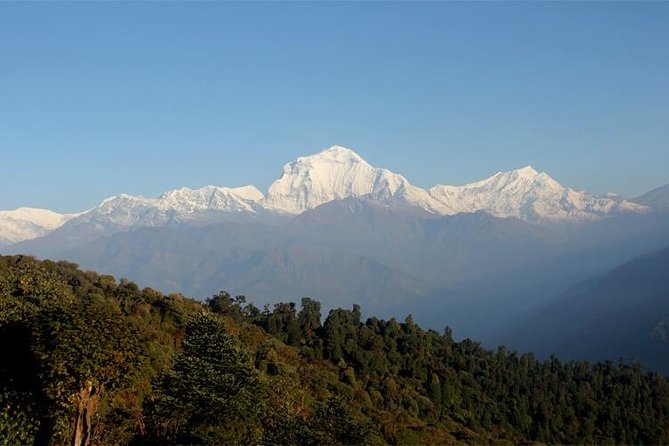
On Day 2, you start with breakfast and then travel from Pokhara to the trekking area. The plan is a private transport ride to Nayapul, then you reach Birethanti and begin walking. This day’s walking portion is aimed at reaching Ulleri.
What makes this day important is that it sets your trekking rhythm. Ghorepani Poon Hill is “short and easy,” but the Annapurna foothills still bring uphill stretches, plus stone steps and a steady gradient in places. If you’re someone who gets discouraged when legs feel heavy, this is the day to slow your pace early and trust the plan.
A small tip mindset-wise: don’t judge the trek by the first hour. Day 2 is about getting warmed up and learning how your body responds when you’re carrying daypack weight on a slope.
Day 3: Ulleri to Ghorepani via Banthanti forests
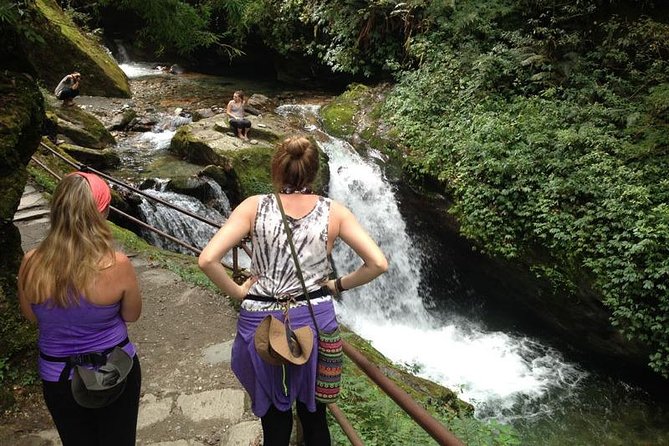
Day 3 starts after breakfast from the lodge. The walk begins with a gradual ascent. You trek about 1.5 hours from Ulleri to Banthanti, then you enter the forest section.
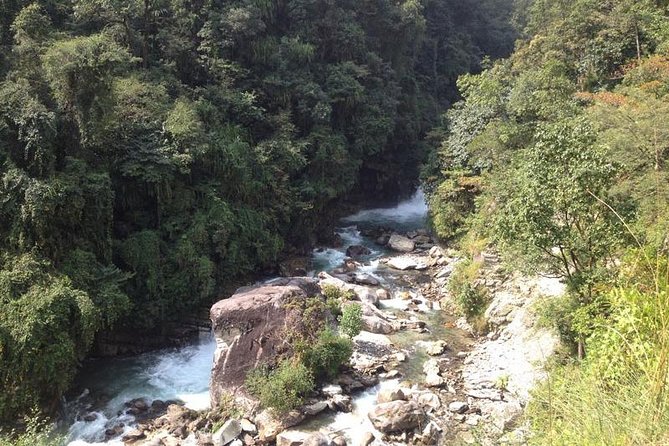
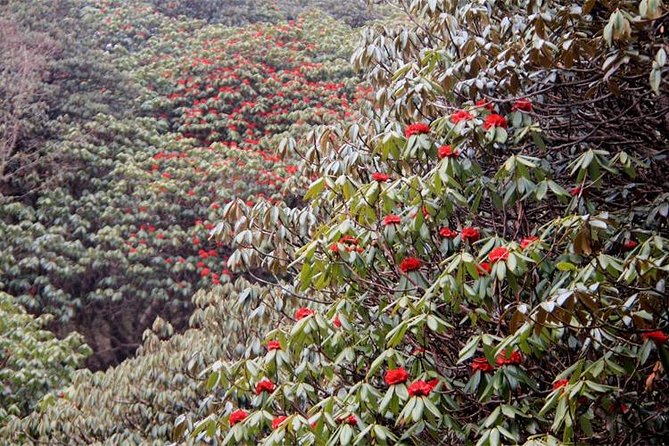
This is one of the trek’s best-feeling stretches because it’s less about “peak hunting” and more about moving through oak, pine, and rhododendron landscapes. Rhododendron is especially tied to the seasonal look of this area, and even when flowers are not at their peak, you still get that shaded forest walking that cools your brain after the first climbs.
You’ll reach Ghorepani by the end of the day (the itinerary lists Ghorepani as the main stop). Since this is also the base for the Poon Hill sunrise hike next morning, the day is both scenic and strategic: you’re building your legs while putting yourself in position for the big view.
Day 4: The pre-dawn Poon Hill sunrise hike (and how to do it right)
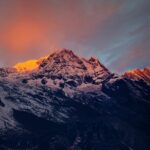
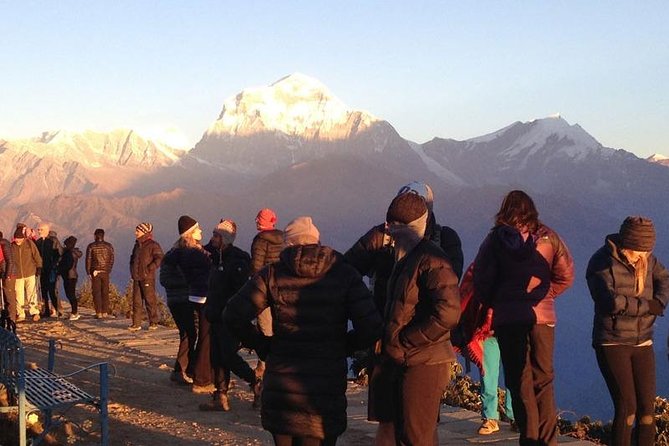
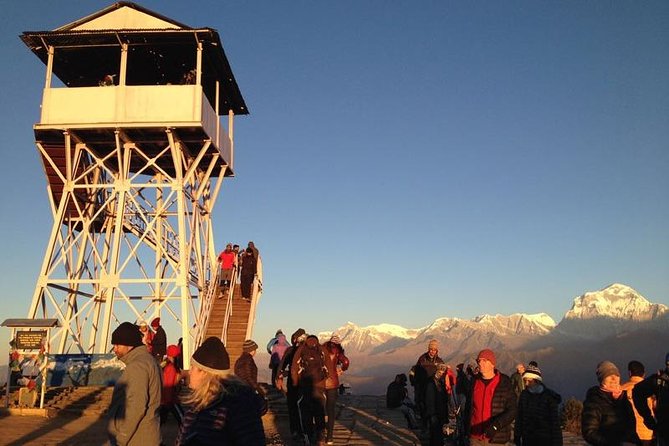
This is why the trek has the name it has. Day 4 includes an early morning hike to Poon Hill for sunrise mountain views, with the group starting in the dark using a flashlight from the lodge. The hike to Poon Hill takes about an hour, and then you return to the lodge afterward.
This one detail changes everything. Sunrise hikes demand a different mindset than daytime trekking:
- You pace slower in the pre-dawn cold.
- You stop more often to check footing.
- You keep your attention on the horizon instead of the trail.
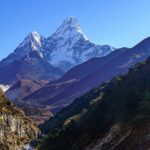
What you’re aiming for is dramatic visibility over the Annapurna and Dhaulagiri ranges, with peaks you’ll see referenced including Dhaulagiri (8,167m) and Annapurna I (8,091m), plus more like Annapurna South. The trek route also highlights famous “photo-bait” peaks such as Fishtail (6,997m). You may not catch every peak every sunrise (weather is always a factor), but the itinerary is clearly built around those sightlines.
A practical consideration: because it’s popular, expect other trekkers on the viewpoint. That’s not a problem; it can actually make it easier to find the best spots to stand and take photos. Still, plan for waiting a bit once you arrive because sunrise is a time window, not an instant.
Day 5: Tadapani sunrise, then the return to Pokhara
Day 5 keeps the sunrise theme going, but with a different vantage. The plan is to see the sunrise with mountain views such as Annapurna South, Himchuli, Fishtail, and Annapurna III and II from Tadapani, followed by breakfast.
From there, you continue trekking through forested sections back toward the return end of the trek (the itinerary text cuts off mid-description, but you can expect a descent and walking segments aimed at reaching the transport point). The package includes private transport from Syauli back to Pokhara, which is helpful because it removes the need to guess your final leg.
You end back in Pokhara at the provided hotel (Hotel Splendid View in Lakeside Baidam). It’s a clean finish: breakfast, a final walking stretch, then you’re back to the comfort of the lakeside for the night.
The mountain views you can plan around (not just hope for)
This trek is essentially a set of viewpoints stitched together by walking. If you go in expecting a single “wow” moment, you may miss the bigger story: how often you see peaks as the light changes.
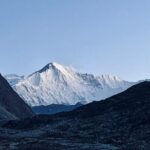
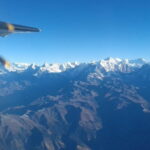
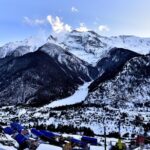
The trek is presented as having views across major parts of the Himalaya, including the Annapurna range and Dhaulagiri, plus the “signature” look of Fishtail. Even on days where haze limits distance, you usually still get layered mountain silhouettes—especially when you are high enough near sunrise.
Here’s what helps you get the most out of the view time:
- Start early enough for sunrise without rushing. The itinerary already builds in the early start.
- Keep your expectations flexible. Clouds can shift, and you might see different portions of the range than the guidebook view.
- Use daylight for trekking days. The forest walks are quieter and more comfortable when you’re not fighting darkness and cold.
What you’ll get for $380 and where the value really sits
At $380 per person, this isn’t a budget backpack-only option. It’s better described as a “supported trek” package. The value comes from what you don’t have to organize yourself.
Inclusions you can count on:
- Permits: ACAP permit and TIMS card
- Fees and taxes: handled inside the package
- Transport: Kathmandu to Pokhara by tourist bus; private transport Pokhara to Birethanti and Syauli back to Pokhara
- Stays: 2 nights in Pokhara hotels plus 3 nights in mountain lodges
- Meals: breakfast included for 4 mornings
So you’re paying for convenience and planning labor: routes, timing, and logistics that keep your trek moving smoothly from the city to the trail.
One booking-time tip: the tour is listed as being booked about 9 days in advance on average. For a popular trek with sunrise demand, that’s a hint to lock your slot sooner rather than later, especially if you’re traveling during peak season.
Also note what isn’t clearly listed: lunch and dinner are not stated in the inclusions. That means you’ll likely budget for those meals separately at lodges or along the way.
How hard is it really for beginners and older trekkers?
The trek is recommended for beginners, families, and elderly visitors. That’s consistent with the “short trek” structure and the lodge-based overnight plan, which reduces carrying stress.
But one important reality check from past trek experiences: it can still be hard enough to feel like more than people expect. One review flagged that even though it’s marketed as beginner-level, it’s not exactly easy.
So I’d plan like this:
- If you can do regular walking and handle uphill stairs without being miserable, you should be fine.
- If you’re new to hiking or have knee issues, take the difficulty seriously and ask about pacing. A small-group trek still requires that you keep moving.
- If you’re sensitive to early mornings, remember that sunrise hikes mean colder starts and faster decisions (what layers to wear, when to stop, how to pace).
The good news is that you’re not doing this solo. A guided trek with a supportive structure is a big part of why so many first-timers choose Poon Hill.
Should you book this Ghorepani Poon Hill Trek?
Book it if you want a classic Annapurna experience without the longer commitment. This is a smart choice when you want sunrise mountain views, forest walks, traditional villages, and a supported plan that covers key transport and permits.
I would hesitate or look for a more gentle alternative if:
- you expect the trek to be effortless,
- you struggle on sustained uphill walking,
- or you have tight travel connections out of Pokhara and can’t manage the return timing.
If your priority is a well-run short trek with clear goals (Poon Hill sunrise and multiple view chances), this one is a solid bet. Just train your legs a bit before you go, pack warm layers for early starts, and treat the route like a steady hike, not a race to the viewpoint.
FAQ
Where does the tour start and end?
The tour starts at Frolic Adventure Private Limited in Kathmandu, and it ends at Hotel Splendid View in Pokhara (Lakeside Baidam). You’ll need to arrange transport back to Kathmandu or onward destinations from Pokhara yourself.
How long is the Ghorepani Poon Hill Trek?
The duration is listed as about 5 days (approx.).
What permits are included?
The package includes the ACAP permit and TIMS card.
Is transportation included?
Yes. The tour includes a tourist bus from Kathmandu to Pokhara, plus private transport for the trekking legs (Pokhara to Birethanti and Syauli to Pokhara).
How many nights do you stay in Pokhara and in the mountains?
You get 2 nights hotel accommodation in Pokhara and 3 nights lodge accommodation during the mountain part of the trek.
Is breakfast included?
Breakfast is included for 4 days.
What’s the group size?
The trek has a maximum group size of 16 travelers.
Is the trek easy for beginners?
It is recommended for beginners, families, and elderly travelers, but one past review noted it is not exactly easy. Plan for uphill walking and early starts.
Is free cancellation available?
Yes. You can cancel up to 24 hours in advance for a full refund, and cancellations within 24 hours are not refunded.