REVIEW · KATHMANDU
12 Days Everest Base Camp Trek from Kathmandu
Book on Viator →Operated by CAN Travels · Bookable on Viator
Everest starts with a short hop to Lukla. From there, this 12-day trek strings together classic Sherpa villages and big-peak scenery: Namche Bazaar, Tengboche Monastery, Dingboche, and finally Everest Base Camp at the foot of the world’s highest mountain.
I really like how the route builds in altitude breathing room. You get an acclimatization day in Namche, then another recovery day around Dingboche with a hike to Nagarjun Hill—both help you move forward smarter, not just faster. I also like the payoff points: Tengboche with its monastery setting, then Kala Patthar for famed panoramic views.
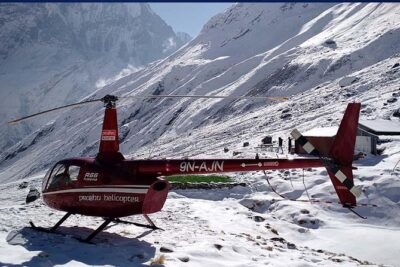
One thing to think about: the whole trip leans on the Kathmandu–Lukla–Kathmandu flights. If your schedule has to be strict, you’ll want to stay flexible and keep buffer days.
In This Review
- Key things I’d pin on your planning list
- Lukla to Kathmandu: the real rhythm of this Everest trek
- Day-by-day: what each stop feels like
- Day 1: Lukla → Phakding (your first taste of trail life)
- Day 2: Phakding → Namche Bazaar via Monjo and Sagarmatha National Park
- Day 3: A Namche acclimatization day (take it seriously)
- Day 4: Namche → Tengboche (rhododendron forests and monastery views)
- Day 5: Tengboche → Dingboche (bridges, stupas, and quieter altitudes)
- Day 6: Dingboche rest and hike to Nagarjun Hill
- Day 7: Dingboche → Lobuche (from forests to sparse high-country shrubs)
- Day 8: Lobuche → Everest Base Camp (Gorak Shep and the big arrival)
- Day 9: Everest Base Camp → Kala Patthar (the 360-degree viewpoint day)
- Day 10: Kala Patthar area → Namche Bazaar (down days can still feel long)
- Day 11: Namche Bazaar → Lukla (the return loop)
- Day 12: Lukla → Kathmandu (farewell dinner and flight back)
- Cultural stops that feel more than a photo stop
- Everest views: where the photos actually come from
- Price and logistics: is $1,380 good value?
- Guide quality you can feel in tough moments
- Who this 12-day Everest Base Camp trek is best for
- Should you book CAN Travels for Everest Base Camp?
- FAQ
- How long is the Everest Base Camp trek?
- Where does the trek start and end?
- Is Kathmandu to Lukla flight included in the price?
- Are food and drinks included?
- Is this tour private?
- What is the cancellation window for a full refund?
Key things I’d pin on your planning list
- Flights to Lukla are part of the package (round-trip), so you’re not juggling separate reservations.
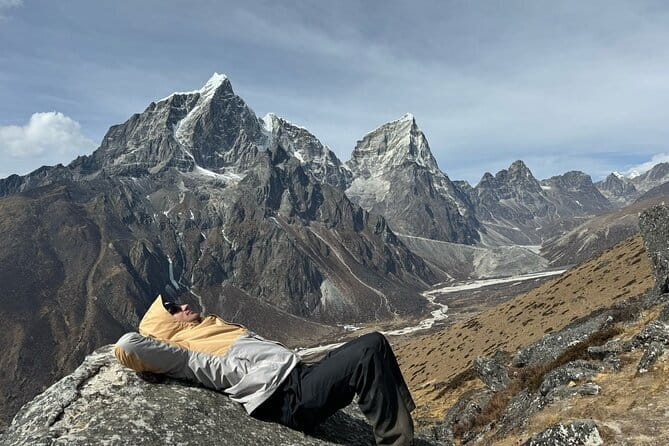
- Acclimatization is built in with a Namche rest day and a Dingboche recovery hike day.
- Tengboche Monastery is a major cultural stop, with the Khumbu-region spiritual vibe front and center.
- Everest Base Camp and Kala Patthar are the two big “look at that” moments.
- Guest houses during the trek keep things simple and practical along the trail.
- Guide quality matters here, and the names Prakash, Milan, and Dev show up for a reason.
Lukla to Kathmandu: the real rhythm of this Everest trek
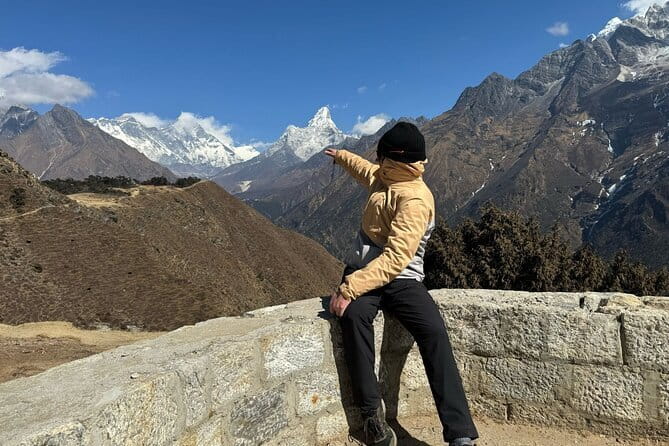
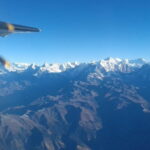
This trek is famous for a reason. But the part that makes it work for most people is the pacing. You start with a scenic flight from Kathmandu to Lukla, then you gradually work uphill along the Dudh Koshi River system. That first transition matters because it gets you on the trail while you’re still fresh, not deep into exhaustion.
From Lukla you drop into Phakding for Day 1, then you work your way toward Namche Bazaar, the gateway town to the Everest region. This is not a random collection of stops. It’s a sequence designed to move you from river valleys into higher Sherpa country step by step.
And you’ll feel the mix of worlds as you go: rhododendron forests, prayer flags, small settlements, stone bridges, monastery prayer rituals, and huge mountain silhouettes that keep changing as your elevation climbs.
You can also read our reviews of more hiking tours in Kathmandu
Day-by-day: what each stop feels like
Day 1: Lukla → Phakding (your first taste of trail life)
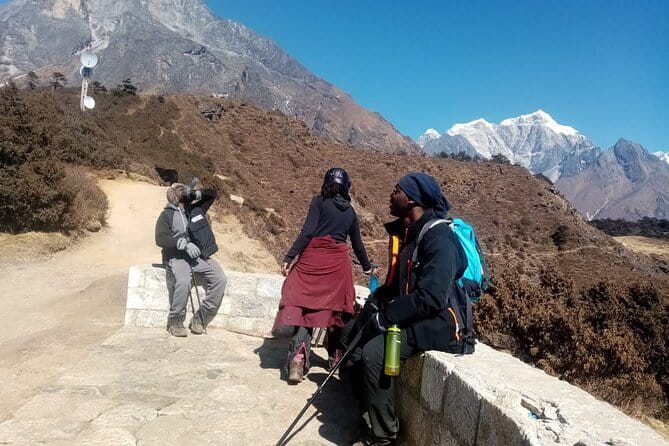
You land in Lukla and meet your trekking team, then begin the trek from there. The route follows the Dudh Koshi river and includes a descent/valley start that helps you get used to hiking right away. It’s a good “set your legs” day—enough movement to feel the trek, not so much that you’re wiped out.
Practical note: after a flight day, you’ll usually appreciate a calm first afternoon. Guest house nights help you reset without overthinking logistics.
Day 2: Phakding → Namche Bazaar via Monjo and Sagarmatha National Park
Today shifts gears. You trek from Phakding toward Namche, and the trail passes through Monjo and Sagarmatha National Park, which is known for wildlife and flowers. Along the way you cross streams and small villages, so you’re not just walking through empty space—you’re moving through a living region.
Namche is where the atmosphere changes. It’s the main hub of the Everest area, so you get more services and more people, but also more energy.
Day 3: A Namche acclimatization day (take it seriously)
Instead of pushing straight on, you spend a day around Namche to acclimatize. There’s an excursion option to either Syangboche Airstrip or Everest View Hotel area, depending on how the day feels for your group.
I like this day because it’s not just resting in a room. Even a short excursion helps you check your breathing, see how your body responds, and adjust your pace without losing the day.
Day 4: Namche → Tengboche (rhododendron forests and monastery views)
The trail gradually climbs through dense rhododendron forests, passing Imja Khola along the way. You reach Tengboche village and get to explore Tengboche Monastery, described as the oldest monastery in the Khumbu region.
This is one of those days where the scenery and the culture lock together. You’re hiking uphill, you’re seeing prayer flags and changing views, and you’re also reaching a spiritual center with rituals that make the place feel grounded rather than just scenic.
Day 5: Tengboche → Dingboche (bridges, stupas, and quieter altitudes)
You continue uphill and cross suspension bridges, then move through small settlement areas such as Pangboche and Orsho before reaching Dingboche. The route includes stupas and chortens, so you’re constantly passing Buddhist markers—not just seeing mountains.
Dingboche has a different feel than Namche: less of a town vibe, more of a base-camp feel. It’s a good “settle in and focus” place as the altitude climbs.
Day 6: Dingboche rest and hike to Nagarjun Hill
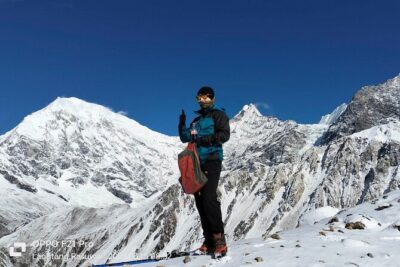
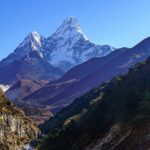
Today is a break day to adjust to elevation. You also hike to Nagarjun Hill, which offers strong views of Everest, Lhotse, Ama Dablam, Nuptse, Thamserku, Pumori, and more.
If you’ve never done an acclimatization hike like this, think of it as a test run. It helps you understand how your body handles a climb while staying within a controlled day structure.
Day 7: Dingboche → Lobuche (from forests to sparse high-country shrubs)
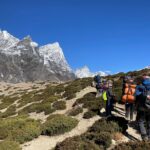
You leave Dingboche behind and gradually ascend. The terrain shifts from lush forest sections into more sparsely dotted shrubs. You then reach Lobuche villages, which sit in the higher, harsher zone where the air feels thinner and the views get more dramatic.
This is typically where you start noticing the Everest region’s “edge.” Not extreme, but unmistakable: everything feels sharper, colder, and more exposed.
Day 8: Lobuche → Everest Base Camp (Gorak Shep and the big arrival)
This is a long walking day toward Everest Base Camp. Your route passes through Gorak Shep, noted as the last human settlement area on the trail before Base Camp.
You reach Everest Base Camp itself, where climbers prepare for an attempt on the highest peak. Even without being a climber yourself, it’s a powerful place because you’re physically at the point where the mountain becomes someone’s mission.
Guest house stay continues along the way, so you’re not sleeping in tents or operating like expedition staff.
Day 9: Everest Base Camp → Kala Patthar (the 360-degree viewpoint day)
This is the classic “go early” style day. You hike up to Kala Patthar for 360-degree views of Everest. It’s described as sitting just above Everest Base Camp, which makes it a top add-on for people who want the maximum sight picture.
If you only cared about reaching Base Camp, you’d still come here. But pairing Base Camp with Kala Patthar is what turns the trip into a full-spectrum Everest experience: a place where climbers train, plus a viewpoint that explains the scale.
Day 10: Kala Patthar area → Namche Bazaar (down days can still feel long)
You start the day with breakfast and trek through dense forests and small villages. Following the Imja River you reach Tengboche and descend to Phungki Thanka, then drop down to Namche through lush forest sections.
This is your reminder that descent isn’t always easy. It’s faster than going up, but your legs still do a lot. It’s also a smart psychological shift: you’re returning, but you still get plenty of scenery.
Day 11: Namche Bazaar → Lukla (the return loop)
You retrace the path, descending through dense forests and crossing streams and small villages. You reach Phakding and then continue toward Lukla.
This is a “you made it” day. Not because it’s effortless, but because it’s the end of the uphill storyline and the start of the return-to-town storyline.
Day 12: Lukla → Kathmandu (farewell dinner and flight back)
You take the flight back to Kathmandu and move to a hotel on arrival. In the evening, there’s a farewell dinner to say goodbye to the group and prepare for departure.
It’s a nice finishing touch after days of walking and early starts.
Cultural stops that feel more than a photo stop
This trek isn’t only about altitude. You’re also moving through Sherpa culture in meaningful chunks.
Namche Bazaar is your orientation point for the region. You get to acclimatize there and also do a short excursion. It’s a place where you can feel the rhythm of daily life that supports trekkers, porters, and local routines.
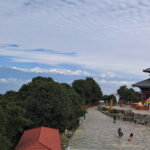
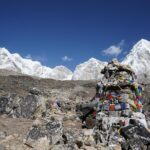
Then comes Tengboche Monastery. You’ll see prayer flags, prayer-related rituals, and you can spin prayer wheels as part of monastery culture. These are simple actions, but that’s what makes them memorable—you participate in a practice rather than just watching it from a distance.
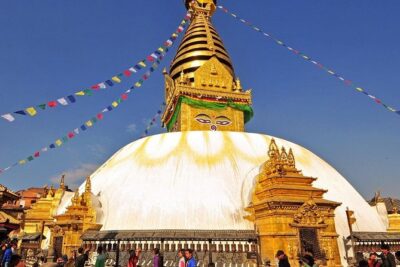
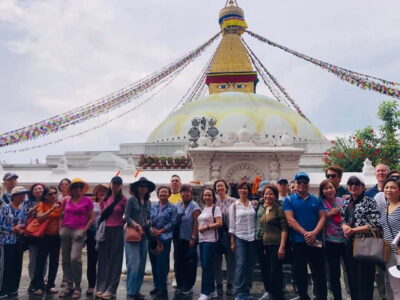
Along the way you’ll also encounter Buddhist structures like stupas and chortens. They show up on the route rather than only at a single attraction, so culture becomes part of the hiking experience, not an add-on.
Everest views: where the photos actually come from
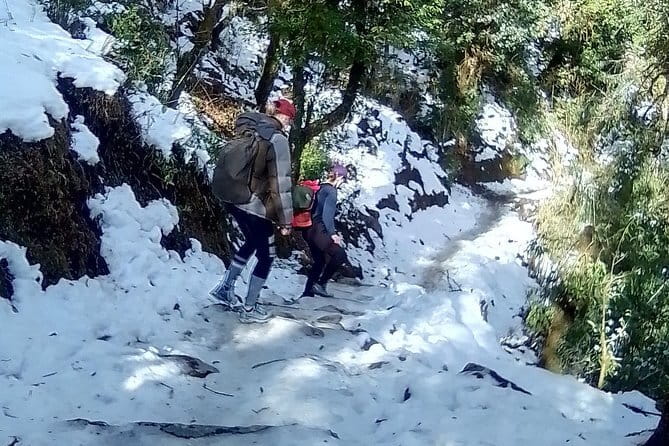
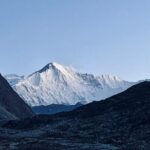
You get big views in several places, not just one single “final reveal.” Namche offers high-elevation perspectives, but the trip really ramps up once you reach the higher Sherpa zones like Dingboche and Lobuche.
Nagarjun Hill on Day 6 matters because it helps you understand what you’re hiking toward. You’ll see Everest, Lhotse, Ama Dablam, and more in one direction, which makes the higher days feel less mysterious.
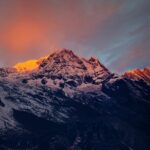
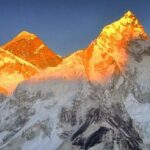
Kala Patthar on Day 9 is the headline. The route highlights it as a very famous viewpoint with 360-degree views of Everest. Also important: the hike is positioned as going just above Everest Base Camp, which helps you connect the “where climbers work” spot to the “where you understand the whole mountain picture” spot.
Price and logistics: is $1,380 good value?
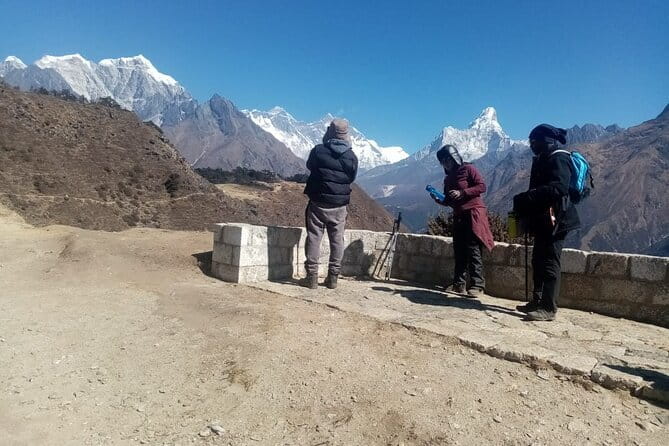
At $1,380 per person for about 12 days, the value comes from what’s included—not just the route.
Included highlights:
- Kathmandu ↔ Lukla flights (major cost and time saver)
- trekking permit and official documents
- hotel pickup and drop-off in Kathmandu
- a government-licensed English-speaking trekking guide
- guest house accommodation during the trek
- a private setup, plus an emergency normal first aid kit
Not included:
- food and drinks, with the note that you can buy them on your own (about US$25 per day)
- gratuities (optional)
Here’s how I’d think about it: you’re paying for the expensive, hard-to-arrange parts (flights and permits) and the daily structure. Then you pay for day-to-day meals and drinks yourself, which can be a good thing if you like choosing your own food pace and preferences.
Also, the operator lists mobile ticket and group discounts as features. Since the tour is described as private, you should expect it to run just for your group, with pricing flexibility depending on how many people you book with.
Guide quality you can feel in tough moments
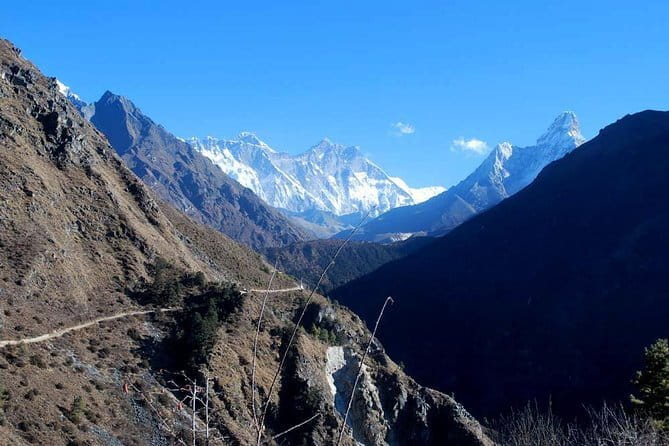
The trekking guide is the difference between a hike that feels stressful and one that feels manageable.
In the feedback you shared, three guide names keep showing up: Prakash, Milan, and Dev. The descriptions focus on professionalism, safety care, and keeping people comfortable. That lines up with what you actually want on an Everest trek: calm decision-making on the trail, good altitude pacing advice, and help handling the little issues that can become big at altitude.
You also get a government-licensed English-speaking guide. That matters more than it sounds when you’re tired, and your brain wants simple answers.
Who this 12-day Everest Base Camp trek is best for
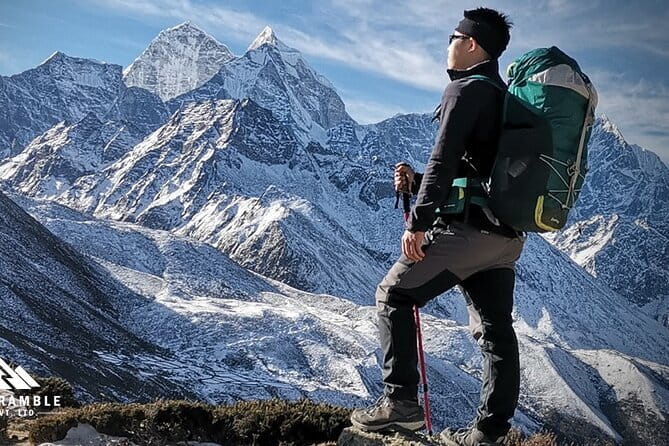
This trek is a strong fit if you:
- want the Everest region highlights without needing climbing gear or expedition-style logistics
- enjoy a balance of culture + viewpoints (monastery, prayer wheels, stupas—not only peaks)
- are willing to take acclimatization seriously, including an extra day in Namche and a recovery/hike day near Dingboche
It’s also for you if you like structure: private tour format, guest houses each night, and a guide who handles permits and documentation.
If you’re brand new to high-altitude trekking, the itinerary still looks doable because it includes built-in elevation strategy. But the trip does require strong physical fitness, so be honest with yourself before you commit.
Should you book CAN Travels for Everest Base Camp?
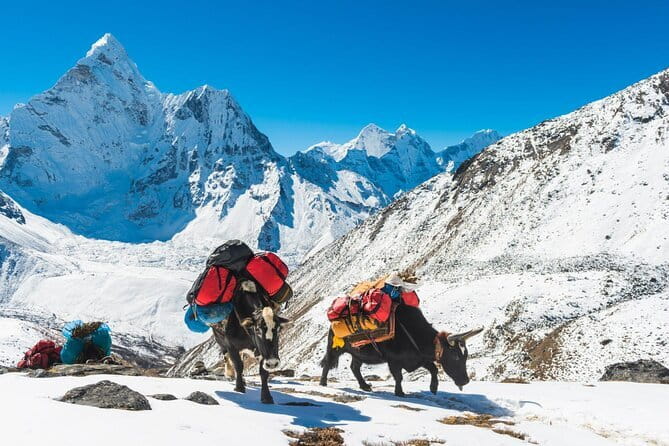
I’d book this trek if you value three things: included flights to Lukla, a guide-led plan with acclimatization days, and the classic combination of Everest Base Camp plus Kala Patthar. The route is built to keep you moving forward at altitude without skipping the cultural heart of the Khumbu region.
I’d pause if you hate any schedule risk at all, because the trip depends on flights. Also keep your budget realistic for food and drinks on top of the $1,380 price.
If you’re the type who wants a guided, structured Everest experience that still feels human—prayer flags, monastery mornings, guest house evenings—this one is a solid bet.
FAQ
How long is the Everest Base Camp trek?
The trek runs for about 12 days.
Where does the trek start and end?
It starts in Kathmandu and includes trekking from the Lukla side, then returns with flights back to Kathmandu at the end.
Is Kathmandu to Lukla flight included in the price?
Yes. The Kathmandu to Lukla to Kathmandu flight ticket is included.
Are food and drinks included?
No. Food and drinks are available for purchase, with an approximate cost noted at about US$25 per day.
Is this tour private?
Yes. It’s described as a private tour/activity, meaning only your group participates.
What is the cancellation window for a full refund?
You can cancel up to 3 days in advance for a full refund.