REVIEW · KATHMANDU
Local Bazaar Walking Tour in Kathmandu with Professional Guide
Book on Viator →Operated by Liberty Holidays · Bookable on Viator
Markets can teach faster than museums. This private bazaar walking tour in Kathmandu is a practical way to see how everyday life rubs shoulders with historic architecture, especially around Asan, Indra Chowk, and Kathmandu Durbar Square. You’ll also get a real guide who can point out what you’re actually looking at, not just recite facts.
I love two things most here: the private guide format (you can ask questions and move at your pace), and the balance of markets plus a major cultural anchor like Kathmandu Durbar Square and the royal palace area known as Hanuman Dhoka. One thing to consider: the tour builds in time for lunch, but lunch isn’t listed as included, so budget for food and drinks you choose while you’re out.
In This Review
- Key points before you go
- Private guide logistics that make the markets feel doable
- How the timing works
- Asan Bazaar: narrow lanes, old mansions, and serious craftsmanship
- What to look for as you walk
- Indra Chowk: spices, wedding beads, and temple guard figures
- Two temple sights you’ll pass on the route
- Street food time (if you want it)
- Kathmandu Durbar Square and Hanuman Dhoka: the UNESCO anchor
- Why this stop is worth your time
- Lunch that’s planned, but not included
- Budget-friendly mindset for your meal
- Walking routes and comfort: how to make the 3.5 hours easier
- Who this tour fits best
- Price and value: is $100 a fair deal?
- A note on the guide experience (Bharat’s patient approach)
- Should you book this Kathmandu bazaar walking tour?
- FAQ
- How long is the walking tour?
- Is the tour private?
- What’s included in the price?
- Is lunch included?
- Are entrance fees included?
- Do you offer pickup from outside Kathmandu’s ring road?
- Do I need to bring my own water and sun protection?
- Is this tour suitable for older travelers?
Key points before you go
- Private, pro-guided pace: You’re not stuck with a “follow-the-leader” script.
- Asan + Indra Chowk focus: Two closely connected market areas, with different vibes and specialties.
- Durbar Square + Hanuman Dhoka: UNESCO-listed sights that make the walk feel meaningful, not random.
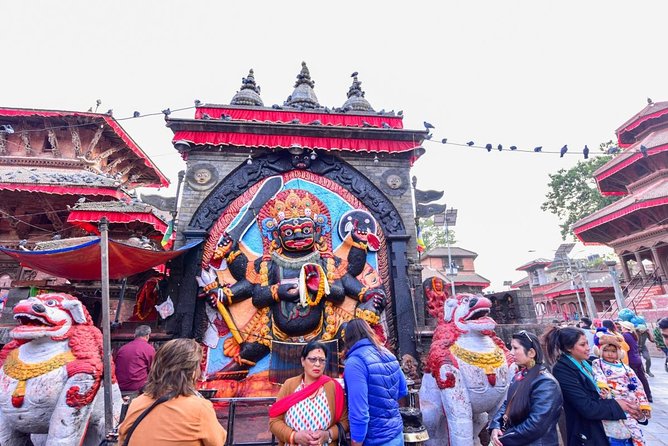
- Temples and craftsmanship details: You’ll pass recognizable places like Seto Machhendranath and Aakash Bhairav.
- Plan for walking time: About 3 hours 30 minutes on foot in crowded market lanes.
Private guide logistics that make the markets feel doable
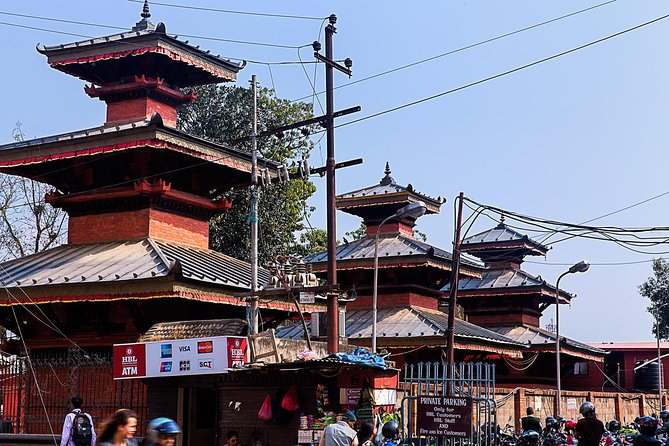
This tour is designed to remove the biggest friction of market sightseeing: figuring out where to go and how to interpret what you’re seeing. You get hotel pickup and drop-off, plus an air-conditioned vehicle to get you into the older market districts without melting on the way.
Because it’s a private tour (only your group), you don’t have to rush past things that catch your eye. That matters in Kathmandu’s bazaars, where the “attractions” are often small: a stall with brass and bronze work, a shop selling copper crafts, a narrow passage that suddenly opens to a temple doorway. In the same tour spirit, I especially like that your guide can slow down for photos and for browsing, not just for checking boxes.
You can also read our reviews of more walking tours in Kathmandu

How the timing works
You’re out for about 3 hours 30 minutes, split across market lanes, then anchored by the Durbar Square complex. This is long enough to feel like you got oriented, but short enough that you’ll still have energy after for your own exploring.
A small practical note: comfortable walking shoes are a must. Markets are uneven, and alleyways can get tight. Also bring sunglasses and sunscreen, and plan on heat and sun because you’ll be outdoors for much of the walk.
Asan Bazaar: narrow lanes, old mansions, and serious craftsmanship
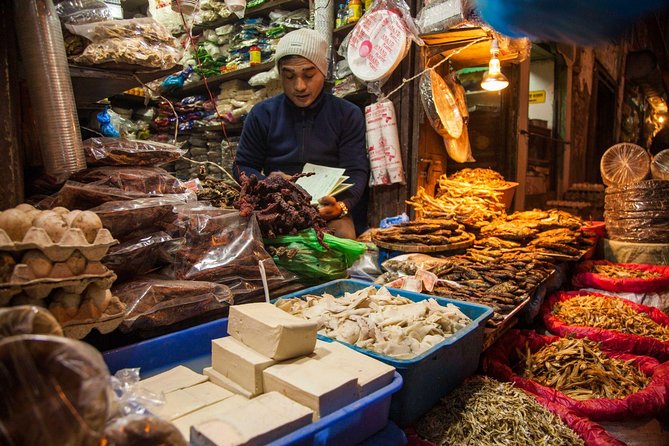
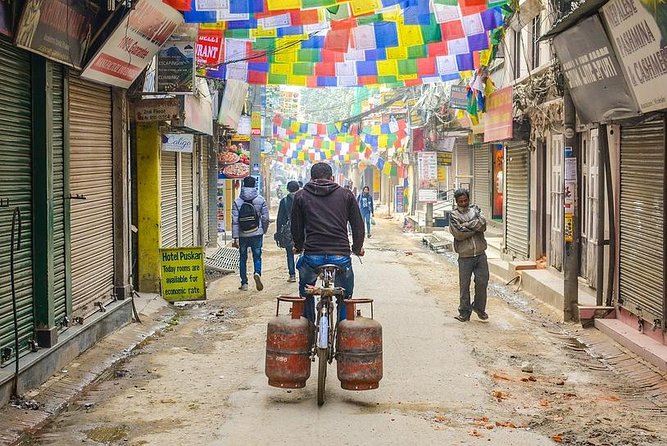
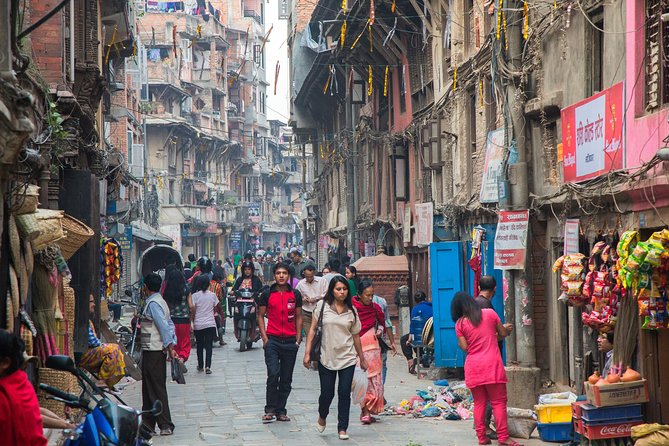
Your walk starts at Asan, one of the historic market hubs that anchors Kathmandu’s day-to-day commerce. From the moment you step into the older lanes, the story is about contrast: modern life moving through the same space as older architecture.
Asan is also a place where you learn what “market” means beyond souvenirs. As you go, you’ll see artisan wares and vendors operating in a street setting—then you’ll hear the context that ties the streets to the area’s past. In practice, that makes the whole experience more “I understand why this place looks like this” and less “I just followed a route.”
What to look for as you walk
Here are a few things that tend to make this stop click:
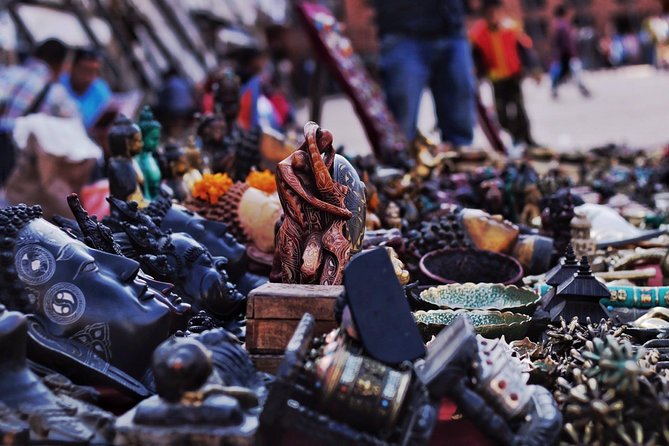
- Craft materials: stalls and displays featuring brass, bronze, and copper work
- The street texture: narrow alleys that feel like corridors between old buildings
- The rhythm of local shopping: fruit, vegetables, spices, and everyday needs sold alongside specialty items
The big value of Asan is that it teaches you the geography of the old center. Even if you later wander on your own, you’ll have a mental map of what connects where.
Indra Chowk: spices, wedding beads, and temple guard figures
From Asan you continue to Indra Chowk, often associated with the Newroad Indrachok area and its layers of commerce. This section feels like a step-up in energy because it mixes residential-neighborhood streets with market streets.
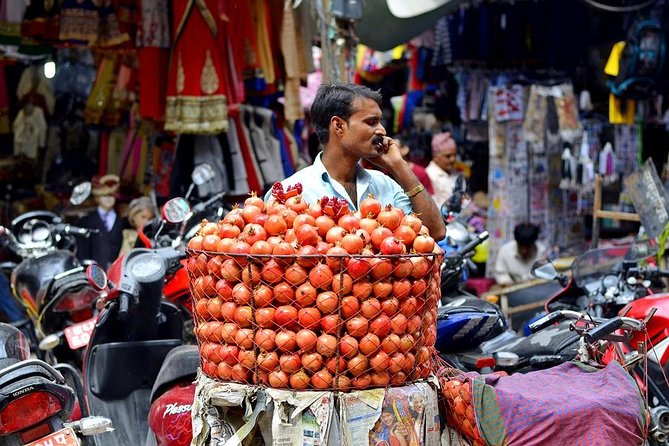
The standout detail here is the variety of what’s sold. You’ll pass produce and aromatic spices, plus textiles and a specialized area known for items used in traditional Nepali weddings. That means you’re not only seeing generic “souvenir shops.” You’re seeing sections of the market that serve specific rituals and family needs.
You can also read our reviews of more guided tours in Kathmandu

Two temple sights you’ll pass on the route
Indra Chowk isn’t only commercial. You’ll also see temples tied to the local landscape, including:
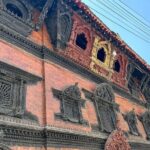
- Seto Machhendranath, noted for intricate wood carvings
- Aakash Bhairav, with lion statues guarding the area
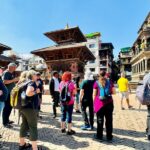
You don’t need to be a temple expert for this to land. Even a quick explanation from your guide helps you understand what makes these places recognizable and why they’re woven into daily street life. This is where a private guide really pays off: they can connect temple details to what you’re seeing on the street in real time.
Street food time (if you want it)
As part of the Indra Chowk stretch, you’ll come across street food stands serving fried momo dumplings. If you like trying small bites while you walk, this is a solid moment to do it. Just remember: the tour does not list alcoholic drinks as included, and your lunch meal is not listed as included either—so treat food as part of your on-the-go spending.
Kathmandu Durbar Square and Hanuman Dhoka: the UNESCO anchor
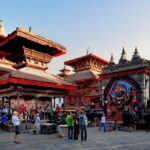
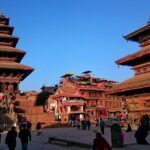
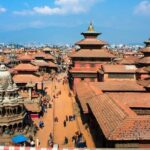
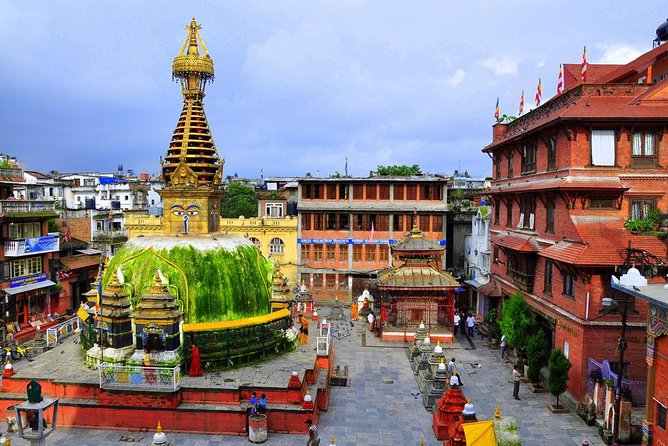
Most market walks in big cities can turn into pure shopping. This one avoids that by giving you a major cultural stop: Kathmandu Durbar Square, a UNESCO World Heritage site.
You’ll be shown the royal palace area called Hanuman Dhoka. Even if you’ve never visited before, this is the part that helps you see why the surrounding streets matter. Markets don’t exist in a vacuum; they grow where communities, power, and religious life intersect.
Why this stop is worth your time
Durbar Square is where the tour’s two halves—markets and culture—snap together. In practical terms, it helps you:
- Understand the historic significance of the old city center
- Place the bazaars in a wider setting than “places to buy things”
- Get a clearer feel for how Kathmandu organizes important landmarks in an urban fabric
The walking here also tends to slow down a bit, which is good. After lots of stalls and alleyways, you’ll want a mental reset. Durbar Square gives you that without ending the tour.
Lunch that’s planned, but not included
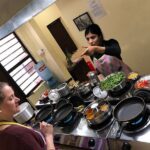
The tour includes time to join a lunch moment featuring traditional Nepali cuisine. That’s great because it keeps you from having to hunt for food mid-walk. Still, because lunch isn’t listed as included, you should plan for it to be an extra cost you choose during the tour.
Budget-friendly mindset for your meal
Since lunch is not guaranteed as a fixed included element, I recommend you keep flexibility:
- If you’re hungry, go for the traditional meal option your guide suggests.
- If you want to sample smaller bites instead, you can usually do that while still keeping lunch time in mind (especially with street food like momo around the Indra Chowk area).
Also, drinks are generally on you unless specifically included elsewhere. Alcoholic drinks are available to purchase, so if you drink, factor that into your spending.
Walking routes and comfort: how to make the 3.5 hours easier
The tour covers a mix of open market lanes and narrow alleyways. That means comfort matters more than you might think. I like that the tour guidance explicitly calls out practical items: at least 1 liter of drinking water per person, sunglasses, sunscreen, and comfortable shoes.
Here’s how I’d prepare like a local-friendly shopper:
- Wear shoes you can walk in for hours, not “tourist sandals.”
- Bring water and sip early, not only when you’re thirsty.
- Keep your sunglasses on in the market light—helps with fatigue and makes photos easier.
- If you plan to shop, think about how you’ll carry items in crowded streets.
Who this tour fits best
This works well for first-timers who want a fast orientation to Kathmandu’s old market core. It’s also a great choice if you like culture but still want the day to feel hands-on—spices, crafts, street scenes, and a UNESCO stop.
It’s not recommended for participants age 75+, and like any walking tour, it’s better for people who can handle uneven pavement and tighter spaces without discomfort.
Price and value: is $100 a fair deal?
At $100 per person for a private 3.5-hour experience, the value hinges on what you need from the day:
- If you want a guide to explain what you’re seeing, where to look, and how the markets connect to key sights, this pricing starts to make sense.
- If you’d rather wander without paying for guidance, you could do parts of this on your own, but you’d miss the context that turns the walk from random to meaningful.
What helps justify the cost is that you get hotel pickup and drop-off, an air-conditioned vehicle, and an expert guide. Also, the walk includes multiple distinct areas rather than one small loop. You’re combining market immersion with a UNESCO-listed anchor and a royal palace area stop—so the time isn’t spent only in one narrow zone.
A practical note on expenses: entrance fees are described as generally free in most local areas, but you should still expect you might encounter some entry fees if required at specific points. And lunch isn’t included, so treat that as part of your real-world day budget.
A note on the guide experience (Bharat’s patient approach)
One of the most praised elements from the experience is the guide’s style. In particular, Bharat is highlighted for being very well briefed and—just as importantly—patient. That patience shows up in the small real-life moments: when you stop for photos, when you pause to browse, and when you need extra time to understand something before moving on.
That’s exactly what you want in a bazaar tour. You’re not only looking at goods; you’re decoding a place.
Should you book this Kathmandu bazaar walking tour?
I’d book this if you want a structured but flexible way to understand Kathmandu’s old market neighborhoods. It’s especially strong when you’re the type who likes questions, likes looking closely at crafts and temple details, and wants your day to end with the satisfaction of seeing Durbar Square and the Hanuman Dhoka area—not just passing shops.
Skip or reconsider if you need long museum-style seating breaks, if you’re not comfortable with steady walking in crowded lanes, or if paying extra for lunch and optional purchases would feel annoying.
If you’re visiting Kathmandu for the first time and you want your orientation day to actually teach you something, this is a solid choice.
FAQ
How long is the walking tour?
It runs about 3 hours 30 minutes.
Is the tour private?
Yes. It’s a private tour, so only your group participates.
What’s included in the price?
Hotel pick-up and drop-off, an air-conditioned vehicle, an expert tour guide (plus driver), and walking sightseeing are included.
Is lunch included?
Lunch is not listed as included, even though the tour includes time for traditional Nepali cuisine during the outing. You’ll want to plan to pay for your meal.
Are entrance fees included?
Entrance fees are not listed as included. The tour notes that most local areas don’t require entry fees, but if something requires admission, you may pay it.
Do you offer pickup from outside Kathmandu’s ring road?
Pickup is for hotels inside Kathmandu city ring road. Pickup from hotels outside the ring road can charge an additional fee.
Do I need to bring my own water and sun protection?
Yes. You’re advised to bring at least 1 liter of drinking water per person, plus sunglasses and sunscreen.
Is this tour suitable for older travelers?
It’s not recommended for participants age 75+.