REVIEW · KATHMANDU
Nepal Cultural Highlights Tour in 10 Days
Book on Viator →Operated by Asian Heritage Treks and Travels · Bookable on Viator
Ten days, zero guesswork, and big views. I like this Nepal Cultural Highlights Tour for small-group attention and for the way it handles the heavy lifting—private driving between Kathmandu, Chitwan, Lumbini, Pokhara, and back again. I also like the strong mix of UNESCO World Heritage sites and wildlife/peaceful time, so you don’t just do temples all day. One drawback to plan for: several days involve long transfer drives, so you’ll want to travel in “flexible and rested” mode.
This tour hits a practical sweet spot for first-timers: you get a guided route through the places most people aim for, plus a flow that makes sense geographically. The price ($1,699) is easier to justify because it includes hotel stays, an English-speaking local guide, private land transport, and key entrance fees, not just sightseeing time.
If you want to see a lot of Nepal without hiring multiple guides or building your own schedule brick by brick, this is a smart way to go. And since the group tops out at 10, it feels like a tour that’s actually organized—more “buddy road trip with a driver” than “stand in a crowd and hope.”
In This Review
- Key things that make this tour work
- Why this 10-day Nepal route is so efficient (and less stressful)
- Kathmandu in real life: Thamel arrival and your first temple circuit
- Kathmandu Durbar Square: architecture you can feel
- Swayambhunath (Monkey Temple): the hilltop viewpoint
- Boudhanath Stupa: calm breaks in a busy day
- Pashupatinath in the evening: sacred, visible, and unforgettable
- Patan and Bhaktapur: two UNESCO city centers with different personalities
- Patan Durbar Square: graceful, refined, very watchable
- Bhaktapur Durbar Square: medieval preservation and local traditions
- Chitwan National Park: private transfer, then wildlife time on the Rapti River
- Canoeing on the Rapti River: crocodile country, quietly
- Lumbini day: bird watching and the calmer pulse of the Terai
- Pokhara by road: a long scenic transfer that sets up the views
- Sarangkot sunrise plus the Pokhara classics
- Devi’s Fall: water doing something unusual
- Gupteshwor Cave: see the waterfall from inside
- World Peace Stupa: hilltop views over lake and mountains
- Bandipur on the way back: a short taste of an old-town feel
- Day 10: airport transfer when you still have your energy
- Price and value: is $1,699 reasonable for this loop?
- Who this tour is best for (and who should rethink it)
- Should you book this Nepal Cultural Highlights Tour?
- FAQ
- How big is the group?
- Is airport pickup included?
- Where does the tour start?
- What entrance fees are included?
- Are meals included?
- What about private transportation and hotels?
- What’s the tipping situation?
- Is cancellation free?
- Is there a mobile ticket?
Key things that make this tour work
- Max 10 travelers: small-group touring that keeps questions from getting lost
- Private vehicle transfers: comfortable travel between far-apart regions like Chitwan and Pokhara
- UNESCO entrance fees included: less ticket chaos at the gates
- Wildlife + culture balance: canoe time on the Rapti River plus major Kathmandu Valley sites
- Early morning Pokhara highlight: Sarangkot sunrise before the day gets noisy
- Trusted operator signals: 4.9 rating with 100% recommendation for Asian Heritage Treks and Expeditions
Why this 10-day Nepal route is so efficient (and less stressful)
Nepal can be a planning headache. Distances are real, roads can be slow, and cultural sites don’t fit neatly into a casual “we’ll see what happens” plan. This tour is designed around that reality: it links Kathmandu Valley landmarks with Chitwan, Lumbini, and Pokhara in one smooth loop.
The biggest win for you is that someone else drives. That means you can focus on the scenery passing by and the conversations with your guide, instead of managing timetables and transfers. It also means fewer “lost day” moments—those days where one delay turns into a chain reaction of missed sights.
There’s also a value angle. This price isn’t just paying for a guide—it’s paying for the infrastructure: private vehicle land transport plus hotel accommodation and local taxes. Add in World Heritage site entrance fees, and the common “I thought the basics were included” surprise becomes less likely.
You can also read our reviews of more tours and experiences in Kathmandu.
Kathmandu in real life: Thamel arrival and your first temple circuit
You land at Tribhuvan Airport and your driver is waiting outside the terminal. From there, you head straight to your hotel in Thamel, the tourist-friendly base in Kathmandu. That first transfer matters because it puts you into “day one mode” quickly, without having to figure out where to eat or what direction to walk.
On Day 2, you’ll step into the Kathmandu spiritual core with a tight cluster of famous sites:
Kathmandu Durbar Square: architecture you can feel
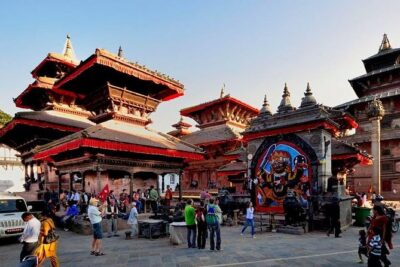
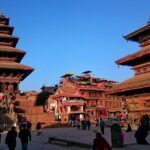
Kathmandu Durbar Square is a high-impact start. You’ll see old temples and classic Newar architecture right in the historic heart of the city. The best part here is the density: the site doesn’t feel like a single monument. It feels like a whole neighborhood of stone, carved detail, and religious life.
Consideration: this is “walking + looking” sightseeing. Comfortable shoes help more than you’d think.
Swayambhunath (Monkey Temple): the hilltop viewpoint
Then it’s on to Swayambhunath, one of the oldest stupas in Nepal and famously known as the Monkey Temple. The stupa sits on a hill, and you reach it from more than one side, which means the climb doesn’t feel like one straight slog.
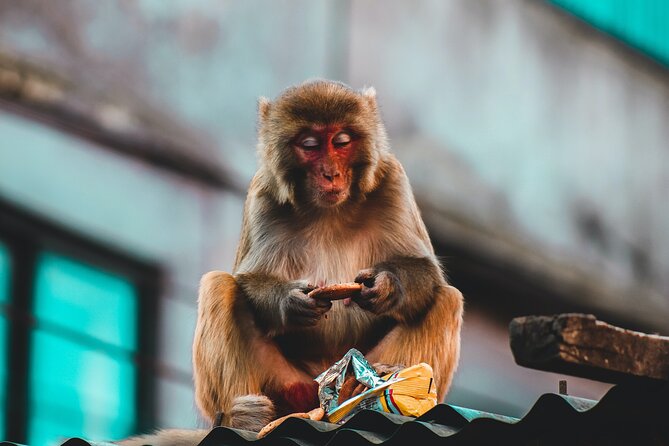
You get that classic “Kathmandu spreads out below” feeling from up there. And yes, monkeys are part of the scene. It’s not the main attraction—but it’s a constant reminder you’re in the real world, not a staged museum.
Boudhanath Stupa: calm breaks in a busy day
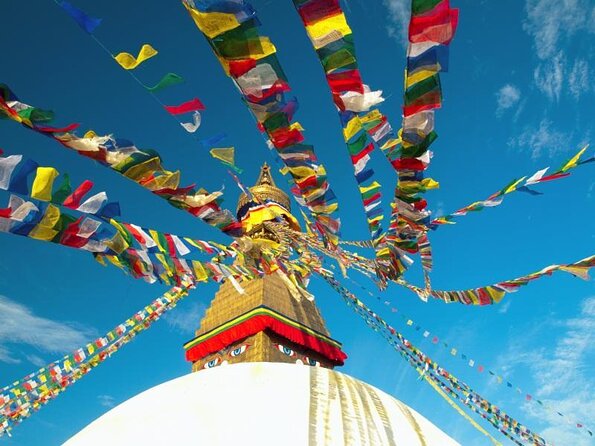
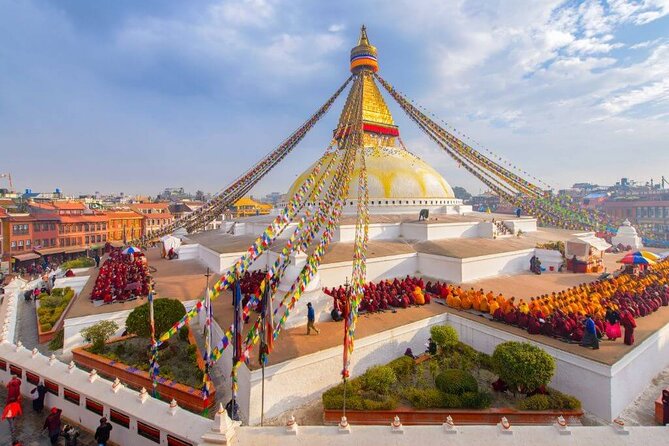
Next comes Boudhanath Stupa, one of the biggest stupas in the world and a UNESCO site. You’ll have free time to get lunch and soak up the slower rhythm: devotees moving through routines, prayer wheels turning, and the sense that time here doesn’t follow your phone’s schedule.
Pashupatinath in the evening: sacred, visible, and unforgettable
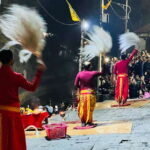
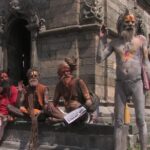
After that, the day closes at Pashupatinath Temple, an important Hindu pilgrimage site along the Bagmati River. Pashupatinath is also known for cremation ceremonies, and in the evening you’re likely to see more ritual life than you would at midday.
One practical note: because this is a working pilgrimage site, don’t expect “quiet sightseeing rules” like you’d get at some museums. Dress respectfully and be ready for a more grounded, direct experience.
Patan and Bhaktapur: two UNESCO city centers with different personalities
Day 3 takes you out of Kathmandu proper and into the UNESCO-packed Kathmandu Valley storyline.
Patan Durbar Square: graceful, refined, very watchable
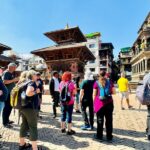
Patan Durbar Square is another World Heritage stop with old-city energy. You’ll visit key historic structures such as Krishna Temple. Patan’s vibe tends to feel more craftsmanship-forward—less about one giant landmark and more about how the whole area is built like a living artwork.
Why it’s worth it: if you’re trying to understand Nepal beyond the “big photos,” places like Patan show you how culture lives in the everyday environment.
Bhaktapur Durbar Square: medieval preservation and local traditions
Then comes Bhaktapur Durbar Square, known for being one of the largest and most-preserved medieval city centers from the Malla period. This is the kind of place where architecture and daily tradition overlap. The area is also known for preserved local crafts like pottery.
Bhaktapur can feel slightly slower than Kathmandu. That works in your favor—your brain gets a break from high-speed sightseeing while still learning a lot just by being there.
Consideration: Bhaktapur is still active city walking. If you’re carrying lots of gear, keep it light.
Chitwan National Park: private transfer, then wildlife time on the Rapti River
Day 4 is a long travel day—about 160 kilometers southwest of Kathmandu to Chitwan National Park. The ride itself is part of the experience, with scenic driving while you head into a different Nepal: the Terai region, flatter and greener than the hill cities.
Canoeing on the Rapti River: crocodile country, quietly
Day 5 is where Chitwan earns its reputation. You’ll start with canoeing on the Rapti River, with a chance to observe marsh mugger and gharial crocodiles resting by the riverbanks. You’ll be out on the water long enough that it doesn’t feel like a quick photo stop.
Then you continue your Chitwan sightseeing day. Even without extra details here, the structure is clear: you’re spending your time where the animals are, not just driving past gates.
Tip for getting value: keep your expectations realistic. Wildlife viewing is never a guaranteed show. The win is being there with time to watch, not rushing through.
Lumbini day: bird watching and the calmer pulse of the Terai
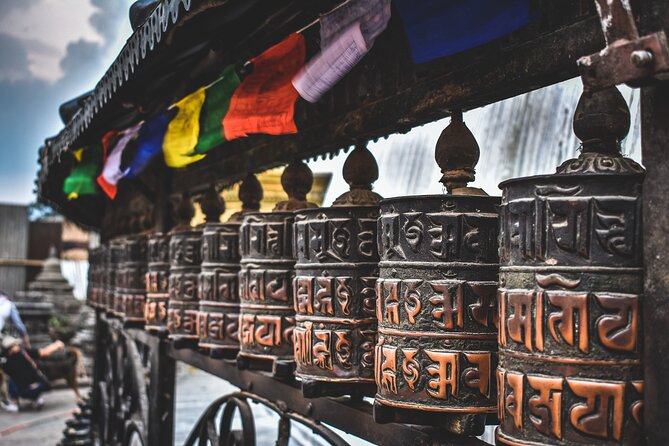
By Day 6 you’re moving into Lumbini area time. Your morning includes bird watching along the Rapti river bank, one of Chitwan’s strengths for species variety. Your guide will explain different bird species as you look.
This is a smart change of pace after more intense cultural sites. It shifts your attention from monuments to movement—watching behavior rather than reading carvings.
Why it matters for first-timers: Nepal isn’t only temples and mountains. Wildlife and birdlife are a major part of the country’s personality.
Pokhara by road: a long scenic transfer that sets up the views
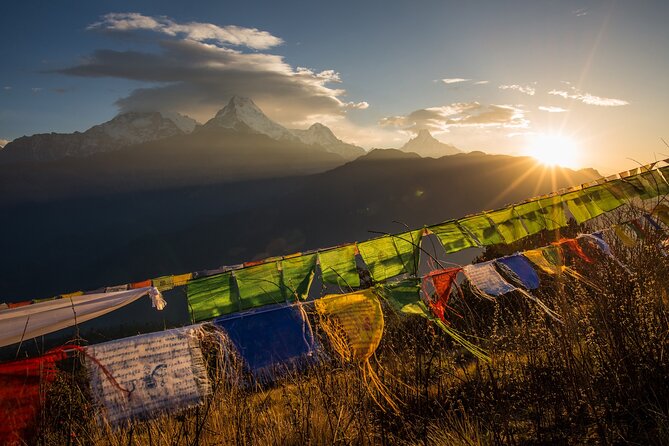
Day 7 is another substantial drive: Lumbini to Pokhara, about an 8-hour journey via the Siddhartha Highway, connecting Terai and mountain regions.
This isn’t just “getting there.” A drive like this helps you feel the altitude and environment shift gradually. When you arrive in Pokhara, you’re already mentally prepared for the lakeside and mountain framing.
Sarangkot sunrise plus the Pokhara classics
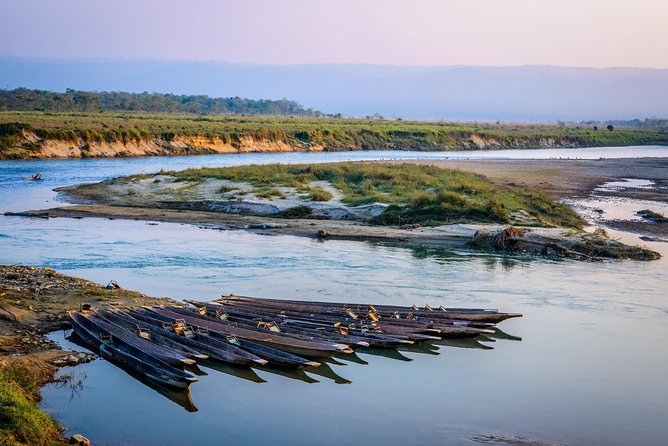
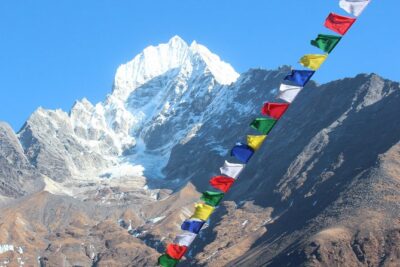
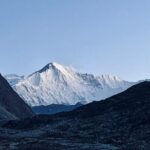
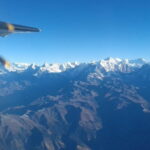
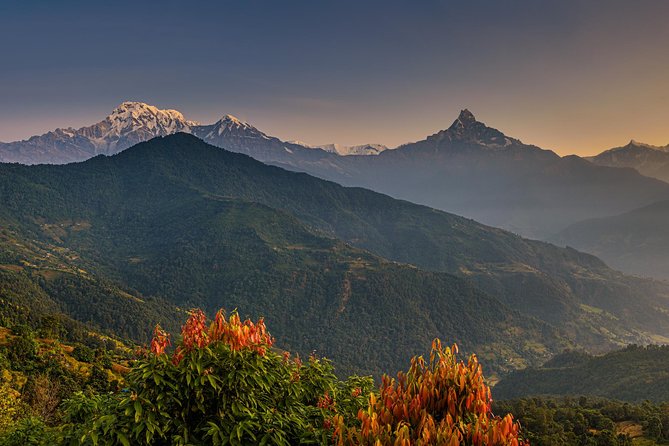
Day 8 starts early with Sarangkot. You’ll head out before sunrise for Himalayan mountain views, with breakfast after the sunrise. Even if you’re not a “sunrise person,” the setup makes sense: you get the clearest mountain angles early, before weather and crowds change the mood.
Then the day turns into a compact set of famous Pokhara stops:
Devi’s Fall: water doing something unusual
Devi’s Fall is a known tourist and local spot. The key detail is that the waterfall continues underground, which gives it a different feel from typical falls you might picture elsewhere.
Gupteshwor Cave: see the waterfall from inside
Across the street from Davis Waterfall (the tour guide text points to the same area), Gupteshwor Cave lets you see the flow from inside the cave. It’s one of those “move a few steps, change your perspective” stops.
World Peace Stupa: hilltop views over lake and mountains
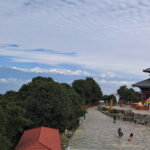
Your day ends with the World Peace Stupa, a white-domed Buddhist monument symbolizing peace. It was built by Japanese monks and sits on a hilltop with views of the Himalayas and Phewa Lake.
This stop is a good bookend. You’ve been doing water, caves, and early mountain looking—and then you finish with open sky and a quieter scenic moment.
Bandipur on the way back: a short taste of an old-town feel
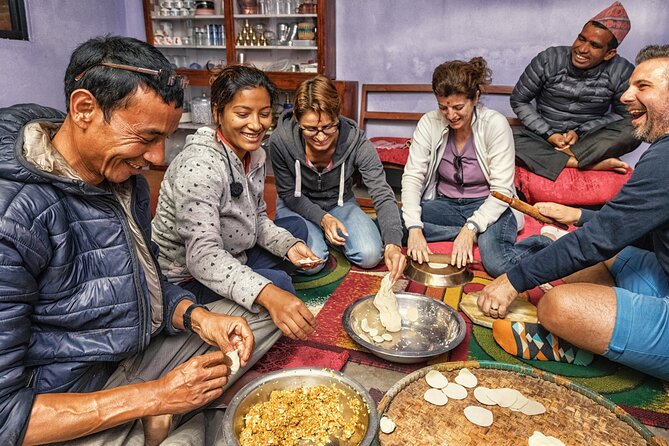
Day 9 brings your return drive toward Kathmandu, with about 2–3 hours on the road before a stop at Bandipur for around 1 hour. Bandipur is described as a beautiful old town, and you’ll have time to explore before continuing.
Lunch is at your own expense here. Then you continue your journey back to Kathmandu for your final day(s) in Nepal.
Why 1 hour is actually the right amount: Bandipur is a “pause and wander” stop, not another full-day commitment. It keeps the overall itinerary manageable.
Day 10: airport transfer when you still have your energy
Your last day is straightforward: about 3 hours before departure, you’ll be transferred to Kathmandu International Airport. That timing helps you avoid the kind of last-minute stress that can ruin the feeling of an otherwise smooth trip.
Price and value: is $1,699 reasonable for this loop?
For $1,699, you’re paying for more than “a guide in a van.” This tour includes:
- Private vehicle land transportation throughout
- Hotel accommodation
- An experienced English-speaking local tour guide
- Government/local taxes
- Entrance fee for World Heritage sites
- Breakfast (9) plus lunch (2) and dinner (2) (meals beyond that depend on the day)
Also, it’s limited to up to 10 travelers, which is usually where quality tips happen—less shuffling, fewer arguments over timing, more actual attention.
What’s not included matters too. Tipping for guide/driver is extra, and travel insurance is not included. Drinks aren’t listed as included, and food is not fully covered everywhere (the info specifically says food is not included for everywhere except Chitwan). So budget for meals outside the included ones, and plan on paying for drinks.
Overall, I’d call the price fair if you want the convenience of a fully connected route with hotels and site access handled. If you’re the type who loves building custom routes and negotiating everything yourself, then a DIY plan could cost less. But it usually costs you time and stress to do it well—especially for first-time Nepal.
Who this tour is best for (and who should rethink it)
This tour fits you well if:
- You’re in your first Nepal trip and want a confident, well-paced loop
- You care about major cultural sites (Kathmandu Valley UNESCO areas) plus wildlife time (Chitwan)
- You prefer comfort over frantic planning
- You like small-group dynamics (max 10)
It may not fit you as well if:
- You hate long travel days. Several transfers are long by necessity.
- You’re the kind of traveler who wants total freedom to linger or skip at will. Here, the schedule is the schedule.
Should you book this Nepal Cultural Highlights Tour?
I’d book it if you want the “best of Nepal” feeling without building the puzzle yourself. The combination of private transport, hotels, UNESCO entrance fees, and a small group is exactly what makes tours like this worth paying for.
Also, the provider—Asian Heritage Treks and Expeditions—shows up with a very strong track record (4.9 rating and 100% recommendation in the info you shared). That kind of consistency is a big deal in Nepal, where logistics can make or break the experience.
If you do book, go in ready for a mix of early mornings, sacred sites with real local rituals, and a couple of longer road days. Your reward is a trip that feels like it’s moving with a plan, not just hopping from place to place.
FAQ
How big is the group?
The tour has a maximum of 10 travelers, which is designed for a small-group experience with more personal attention.
Is airport pickup included?
Yes. You’ll be transferred from Kathmandu International Airport, with a driver waiting outside the terminal.
Where does the tour start?
The start location is Tribhuvan Airport in Kathmandu, Nepal.
What entrance fees are included?
Entrance fees for World Heritage Sites are included.
Are meals included?
Breakfast is included daily (9 breakfasts). Lunch (2) and dinner (2) are also included, but food is not included everywhere (the info specifies food is not included for everywhere except Chitwan). Drinks are not listed as included.
What about private transportation and hotels?
All land transportation is by private vehicle, and hotel accommodation is included.
What’s the tipping situation?
Tipping for the guide and driver is not included, so you’ll want to budget for it.
Is cancellation free?
Yes, free cancellation is offered. You can cancel up to 24 hours in advance for a full refund.
Is there a mobile ticket?
Yes, the tour includes a mobile ticket.