REVIEW · KATHMANDU
Everest Base Camp Trek 12 Days – Best Himalayan Adventure
Book on Viator →Operated by Scenic Nepal Treks Expedition Pvt. Ltd · Bookable on Viator
A trek to Everest Base Camp changes your altitude first. This private 12-day walk through the Khumbu brings you classic Sherpa villages, big mountain views, and guided safety with experienced Sherpa leaders. Add a flight into Lukla and a goal-point morning at Kala Patthar, and you get a trip that feels both adventurous and tightly managed.
What I like most is the focus on support: you’re trekking with a guide who has done this for a long time, and there’s an option to bring a porter so your legs can stay fresh. I also like that the route is built for real life at altitude, including acclimatization days for safety.
One consideration: this is still a high-altitude, physically demanding trek. If you’re prone to altitude sickness or don’t feel steady on hikes, you’ll want to talk with your doctor and be ready to adjust pace if the mountains ask for it.
In This Review
- Key moments that make this Everest Base Camp plan worth a look
- Private Sherpa guidance and the rhythm of a small-group trek
- Value for money: what $1,439 covers and what it doesn’t
- Kathmandu: start easy, then go straight toward the mountains
- Flying to Lukla, then easing into Namche and Tengboche
- Dingboche and the acclimatization logic you’ll feel in your body
- To Everest Base Camp: the goal, the effort, and the payoff
- Tea houses, shared rooms, and the altitude comfort equation
- Guides, Sherpas, and porter support that actually changes the trip
- Gear reality check: what to bring, what they provide, and how to stay warm
- Who this trek suits best, and what might not fit
- Should you book this Everest Base Camp trek?
- FAQ
- How long is the Everest Base Camp trek?
- Is this a private trek, and how many people are in the group?
- Are domestic flights included, and will I fly from Ramechap?
- Do I need permits, and are they included?
- Is accommodation included during the hike?
- Is a porter included to carry my bags?
- Can I get vegetarian food?
- What fitness level do I need?
- Can I get a full refund if plans change?
Key moments that make this Everest Base Camp plan worth a look
- Private Sherpa guidance with a minimum of 2 travelers and a small trekking setup
- Domestic flights included, with departures that may run from Ramechap Airport
- Permits and first-aid support are part of the package, so you’re not hunting paperwork mid-trip
- Tea-house trekking with twin sharing for 11 nights during the hike
- Porter support included (1 porter for 2 hikers), plus an optional porter add-on
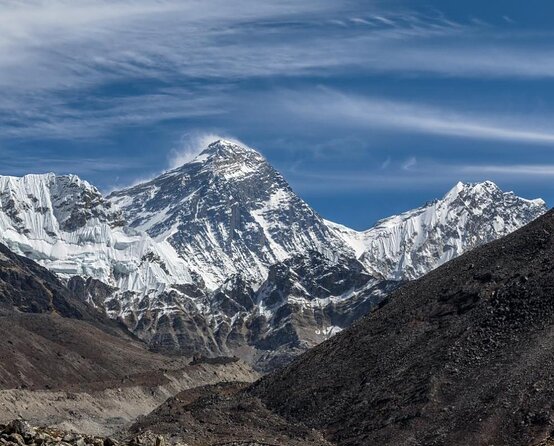
- Iconic viewpoint timing geared toward big sunrise views from Kala Patthar
Private Sherpa guidance and the rhythm of a small-group trek
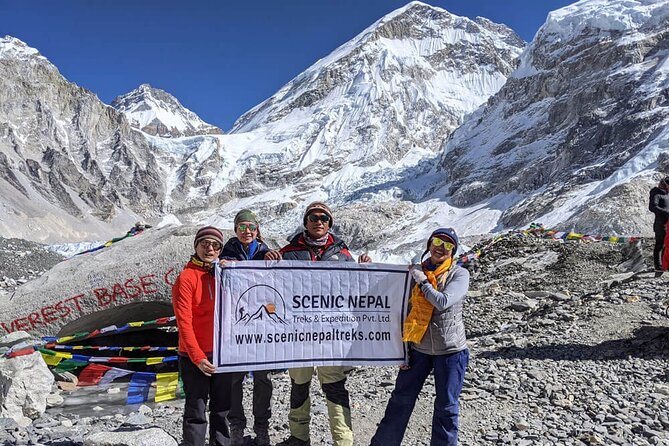
This Everest Base Camp trek is set up as a private guided experience for small groups. That matters more than people expect. When the group is smaller, your guide can better manage pace, check your energy levels, and help you make quick decisions if the weather shifts in the Khumbu.
Your leadership is Sherpa-run and guide-supported, which is exactly what you want at altitude. The goal isn’t just reaching Everest Base Camp. The goal is doing it with enough time to breathe, enough energy to enjoy the scenery, and enough confidence to keep going. In practice, that comes down to careful walking pace and a plan for acclimatization days.
You’ll also feel the difference in the mountain villages. The Khumbu route isn’t only about hiking. It’s about the slow look at how Sherpa life works—tea-house stops, mountain hospitality, and the familiar flow of travelers and locals moving through the same valleys for generations.
You can also read our reviews of more hiking tours in Kathmandu
Value for money: what $1,439 covers and what it doesn’t
At $1,439 per person, you’re paying for more than the trek itself. The package includes return domestic flights (not international airfare), sightseeing excursions in Kathmandu, an experienced guide, permits, and tea-house accommodation during the hike (11 nights). It also includes staff insurance, plus a first aid kit on the trip.
That’s the value: you’re outsourcing the big friction points—logistics, permits, guides, and the core trekking setup—so you can focus on hiking and enjoying the mountains.
What’s not included is also important. You’ll need to budget for:
- Nepal entry visa and your international flights
- Personal travel/trekking insurance
- Personal trekking gear
- Tips and gratuities for staff and drivers
- Personal expenses, and you may still handle some day-to-day meals yourself depending on how your package is structured
Also, confirm how meals are handled for your departure, because the tour info you provided includes both “meals” in the overview and “meals during trek” listed under what’s not included. The safe move is to ask the operator to clarify what’s covered versus what you’ll pay at tea houses.
Kathmandu: start easy, then go straight toward the mountains
Your trip starts at Scenic Nepal Treks & Expedition Pvt. Ltd. in Kathmandu, near Bhagwati Marg. From there, you’ll handle the pre-trek setup with the company before heading to Lukla by flight. Because this trek includes domestic flights and permits, Kathmandu isn’t meant to be a big adventure all by itself—it’s your launching pad.
If you’re coming in from far away, this is a good thing. You’re not spending your first day scrambling for transport or trying to decode paperwork. The goal is to get your legs in the right state before the high-altitude walking begins.
Flying to Lukla, then easing into Namche and Tengboche
The first major mountain jump happens fast: you fly to Lukla and then start trekking. The Lukla segment is short on paper but heavy in feeling. One moment you’re on the way, and the next you’re walking in the shadow of peaks and thinking about breathing.
From there, you’ll work your way through key stops in the Khumbu:
- Namche Bazaar: a major hub village where the trek energy turns real. This is where you’ll get that first strong sense of Sherpa trade and mountain life, and where acclimatization days help your body adjust.
- Tengboche: a classic stop for monastery-area views and the kind of scenery people remember for years. Even if the weather is mixed, this area often brings dramatic angles on surrounding peaks.
A practical note: in this part of the trek, you’ll feel elevation even if you’re not exhausted. Go slow on purpose. Your guide is there to keep you from rushing.
Dingboche and the acclimatization logic you’ll feel in your body
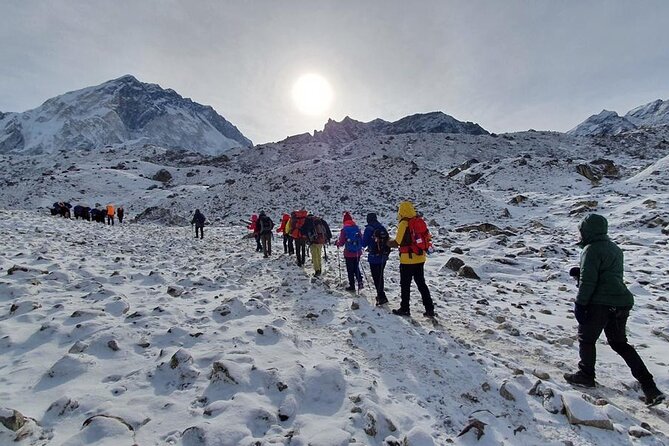
Next comes Dingboche, another important adjustment point in the itinerary. This isn’t just another village stop—it’s part of the trip’s safety strategy. The route is built around acclimatization days so you can climb while minimizing altitude risk.
Here’s what that looks like for you: your legs might be okay, but your breathing and sleep can get weird. Acclimatization days give you the chance to feel the altitude without pushing too hard. That pacing is one of the reasons this trek is a good fit for fit beginners through experienced hikers, as long as you follow the guidance and don’t force extra distance on bad days.
If you’ve never done high-altitude trekking, this is also where you learn your personal altitude pattern—how you feel on walking days versus rest days. Once you notice it, the rest of the trek becomes less of a mystery.
To Everest Base Camp: the goal, the effort, and the payoff
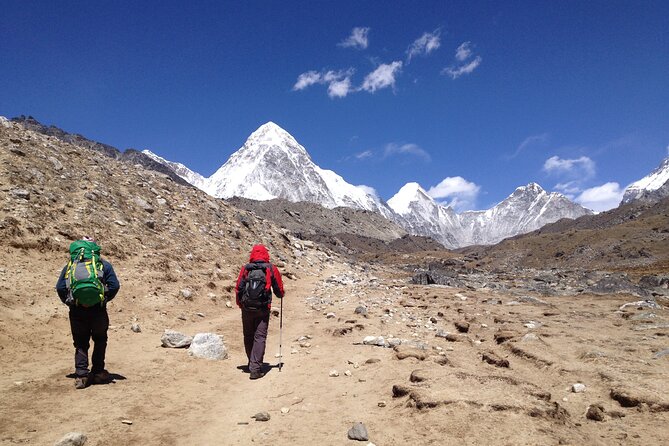
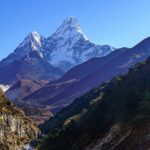
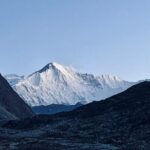
The itinerary reaches the Everest area with Mount Everest as the turning point in your trek experience. The sense of arriving at the Everest Base Camp zone hits differently than photos. The air is thinner, the views feel bigger, and your pace becomes more deliberate.
You’ll reach:
- Gorak Shep, a common high camp base-area stop before the final viewpoint pushes
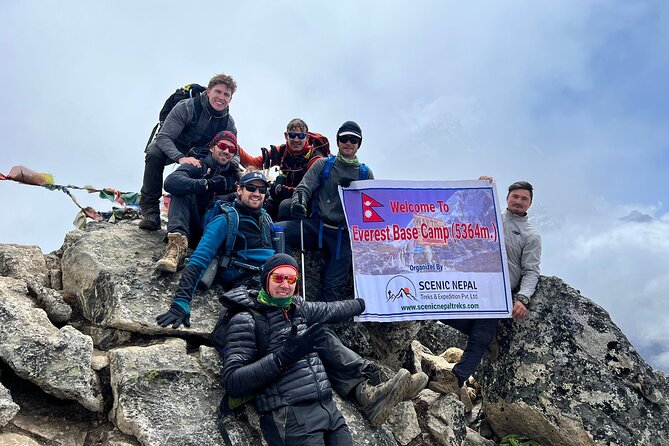
- Everest Base Camp (5,364m) as the legendary milestone
Base Camp itself is a mix of achievement and atmosphere. You’ll be walking in a place built for logistics—supplies, routes, and the human effort behind the myth. It’s not “the summit,” but it’s the front door to Everest, and it’s memorable in a grounded way.
And then there’s the extra payoff you’ll plan around: Kala Patthar for panoramic sunrise views. This is the viewpoint many people talk about because the light and angles can make the surrounding giants feel close enough to touch.
In the most intense conditions, your timing matters too. Even with weather trouble, the trip is designed around reaching the objective with experienced leadership and the option to adjust if needed.
Tea houses, shared rooms, and the altitude comfort equation
This is a tea-house trek with twin sharing accommodations for 11 nights during the hike. Tea houses are basic by design. You’re not buying luxury—you’re buying warmth, shelter, and a place to reset your energy.
What to expect day to day:
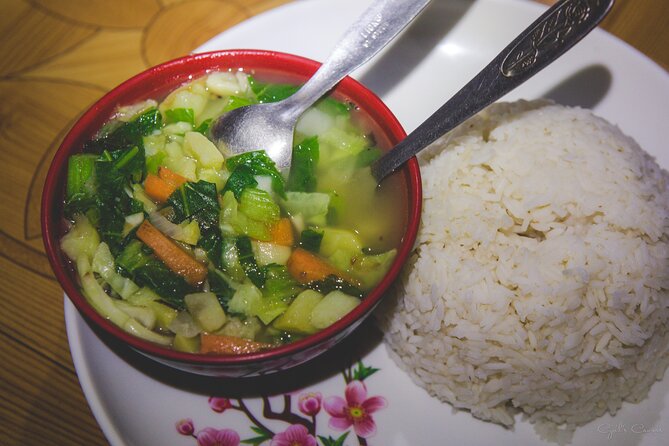
- Warm drinks and simple meals in the tea-house rhythm (you’ll likely manage some food costs yourself unless your package confirms full meal coverage)
- Shared rooms that help you save budget while you spend most of your day outside
- Cold nights that make sleep quality a real factor in how you feel the next morning
At high altitude, sleep can get broken. That’s normal enough that it shouldn’t surprise you. What’s not normal is ignoring how you feel. If you have headache, nausea, or unusual fatigue, tell your guide early. The whole “acclimatization days” concept only works if you treat your body as part of the itinerary.
Guides, Sherpas, and porter support that actually changes the trip
The “private” part isn’t only about having a guide. It’s about having support that reduces unnecessary strain.
This package includes a porter setup so 2 hikers get 1 porter to carry your bags. That’s a big deal. Less weight means:
- easier climbs out of villages
- better energy for viewpoint days
- more consistency when you’re tired at altitude
Optional add-ons can also be available, but even the included porter model helps you focus on walking and staying comfortable.
You’ll be guided by experienced leaders, and names connected to strong service come up often in the team roster—people like Dipendra and Shankar in leadership roles, with guides such as Binod and Santosh mentioned as standout guides. Porters like Ramjee are also highlighted for care. You won’t necessarily have the exact same team, but the pattern is consistent: safety checks, patience, and making sure you’re not stuck alone when the mountain gets serious.
Gear reality check: what to bring, what they provide, and how to stay warm
The most common mistake I see on Everest Base Camp treks is underpacking warmth. Nights are cold, and wind can turn a mild day into a misery-fest fast.
Bring essentials like:
- Trekking boots (and spare laces)
- Warm hat, scarf, gloves
- Waterproof jacket and trousers
- Down jacket for colder stretches (the info you provided references a min around -10C depending on timing/location)
- Sunglasses with good UV protection
- Water purification tablets
- A backpack plus a duffel bag system for what you carry versus what porters handle
What’s useful is that the company’s materials list includes items they provide, including a sleeping bag and silk liner, plus a duffel bag. They also list maps, a torch (flash light), and a water bottle as provided. They include a medical and first aid kit box (and still recommend you bring your own if you prefer).
Think of it like this: pack like you’ll be out in cold for hours, and count on their provided basics so you don’t have to overbuy everything before you even leave home.
Who this trek suits best, and what might not fit
This Everest Base Camp trek is a solid match if you want:
- a guided, private-feeling experience (not a big cattle-call group)
- Sherpa support and structured acclimatization days
- the classic Everest region story—Namche, Tengboche, Dingboche, Base Camp, and Kala Patthar
- tea-house trekking with twin sharing to keep costs realistic
It may be less ideal if:
- you want a fully luxury experience
- you struggle with cold or basic accommodations
- you don’t have moderate physical fitness and realistic expectations about altitude
Also remember the minimum and maximum group structure. This is private guided with a minimum of 2 people per booking, and the activity limits are mentioned up to 10 travelers at most, even while bookings can go higher. Practically, you should expect a small, controlled group.
Should you book this Everest Base Camp trek?
If you want a reliable, well-supported Everest Base Camp trek and you like the idea of guided acclimatization plus porter support, I’d put this high on your shortlist. The value is real because flights, permits, guide services, first aid support, and most of your trekking infrastructure are built into the price.
Before you hit book, do three smart checks:
- Confirm what’s included for meals during the trek so you budget accurately.
- Tell the operator your trekking experience level and ask how pace decisions are made for altitude days.
- Make sure you’re truly packing for cold nights and high UV exposure.
If you handle those, this is the kind of trip that can leave you with a memory that doesn’t fade—quiet villages, hard-earned views, and that front-door feeling of being at Everest Base Camp with Sherpa confidence behind you.
FAQ
How long is the Everest Base Camp trek?
The trek is listed as 12 days (approx.).
Is this a private trek, and how many people are in the group?
It’s described as a private guided trek with a minimum of 2 travelers per booking. The info also mentions a maximum of 10 travelers for the activity, and a maximum of 15 people per booking.
Are domestic flights included, and will I fly from Ramechap?
Yes. Return domestic flights are included, and the flight may depart from Ramechap Airport.
Do I need permits, and are they included?
All necessary trekking permits are included.
Is accommodation included during the hike?
Yes. You’ll have twin sharing tea house accommodation during the hike for 11 nights.
Is a porter included to carry my bags?
Yes. A porter is included with the setup that 2 hikers get 1 porter. There is also an option to add-on a porter.
Can I get vegetarian food?
A vegetarian option is available—you should advise the operator when booking.
What fitness level do I need?
The guidance says travelers should have moderate physical fitness.
Can I get a full refund if plans change?
Yes. The policy states you can cancel up to 24 hours in advance for a full refund. Canceling less than 24 hours before the start won’t be refunded.