REVIEW · LANGTANG VALLEY
Kathmandu: 7 Day Langtang Valley Trek
Book on GetYourGuide →Operated by Worldwide Tourism Inc · Bookable on GetYourGuide
Climb toward the Langtang peaks and feel close to them. I like how this trek mixes real altitude work with a smart acclimatization pause at Kyanjin Gompa, so your body has time to adjust instead of just grinding higher. I also love the setup with a licensed English-speaking guide for a private group, which makes the long days feel calmer and more controllable on steep stone and forest trails.
The main drawback to plan for is effort. This is not a stroll. You’ll be climbing hundreds of steps, and the route is built for active trekking days with steep ascents and lots of uphill time. If your legs are on the edge, or you’re picky about basic teahouse comfort, you’ll want to think twice and prepare hard.
In This Review
- Key Things You’ll Notice on This Langtang Trek
- Entering the Langtang Valley: Why This 7-Day Version Works
- Day 1: Kathmandu to Syabrubesi (1,550m) and the Start That Sets the Tone
- Day 2: Syabrubesi to Lama Hotel (2,380m) Through Forest and River Crossings
- Day 3: Lama Hotel to Langtang Village (3,430m) and the Culture on the Trail
- Day 4: Langtang Village to Kyanjin Gompa (3,870m) With Yak Country and Monastery Views
- Day 5: Acclimatization at Kyanjin Gompa and Short Hikes That Pay Off
- Day 6: Back Down to Lama Hotel (2,380m) and How to Protect Your Knees
- Day 7: Lama Hotel to Syabrubesi and the Drive Back to Kathmandu
- Teahouse Lodging, Meals, and What You’re Really Paying For
- Guide, Permits, and Porter Options: The Difference Between Surviving and Enjoying
- Price and Value: Is $450 Fair for This 7-Day Langtang Trek?
- Who Should Choose This Trek, and Who Should Skip It
- Should You Book This Kathmandu to Langtang Valley Trek?
- FAQ
- What is the duration and overall route of the 7-day Langtang trek?
- What’s included in the price?
- Are meals included?
- Do I need trekking permits?
- How high does the trek go?
- Is there an acclimatization day?
- What do I need to bring, and what’s not allowed?
Key Things You’ll Notice on This Langtang Trek
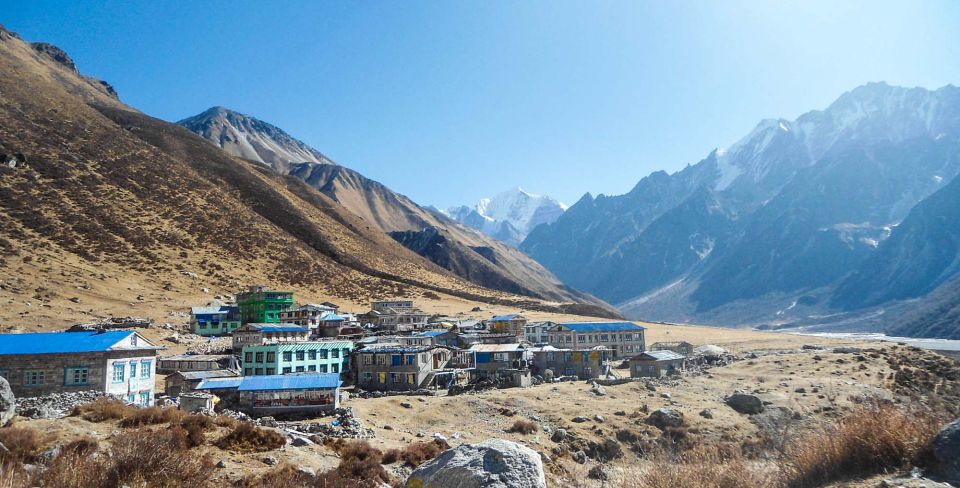
- Kyanjin Gompa acclimatization day at 3,870m, with options for short summit-style hikes
- Private guide, private group pacing that matches fitness instead of forcing a single speed
- Teahouse lodging each night on the trail, so you live with the rhythm of the valley
- Permits included (Langtang National Park + TIMS), so you spend less time on paperwork
- Forest-to-mountain trail mix: rhododendron and oak paths, then yak pastures and glacial streams
- Porter optional if you want to keep your shoulders from doing the heavy lifting
Entering the Langtang Valley: Why This 7-Day Version Works
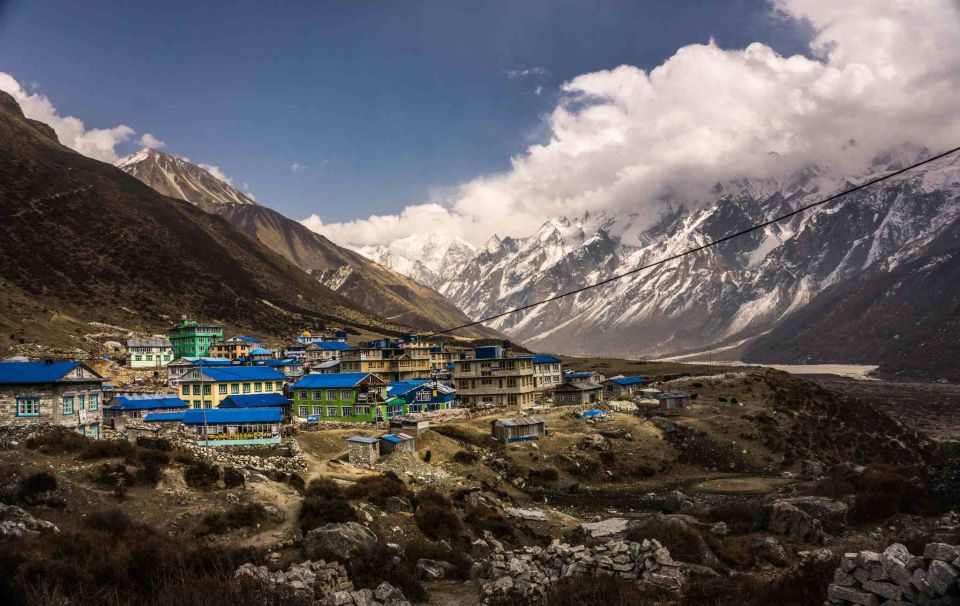
This is the classic Langtang Valley shape: start in low-ish hill country, climb steadily through forest and villages, then finish at Kyanjin Gompa for big views and a slower day at altitude. What makes the 7-day format practical is the pacing. You’re gaining altitude in steps, not all at once, and the itinerary deliberately builds in a day to settle your breathing at the highest point before you turn around.
You’re also not just looking at mountains from afar. You’ll walk through places where people live with them every day: river valleys, terraced settlements, and the Tamang-area culture you pass along the trail. The route also gives you a mix of scenery types, from greener stretches early on to harsher, higher terrain as the trekking days progress.
And yes, the views are the headline. When you reach the gompa area, you’re right in the zone where snow peaks feel close and weighty, and where the sky seems to move faster. That part is easy to understand once you’re there.
Day 1: Kathmandu to Syabrubesi (1,550m) and the Start That Sets the Tone
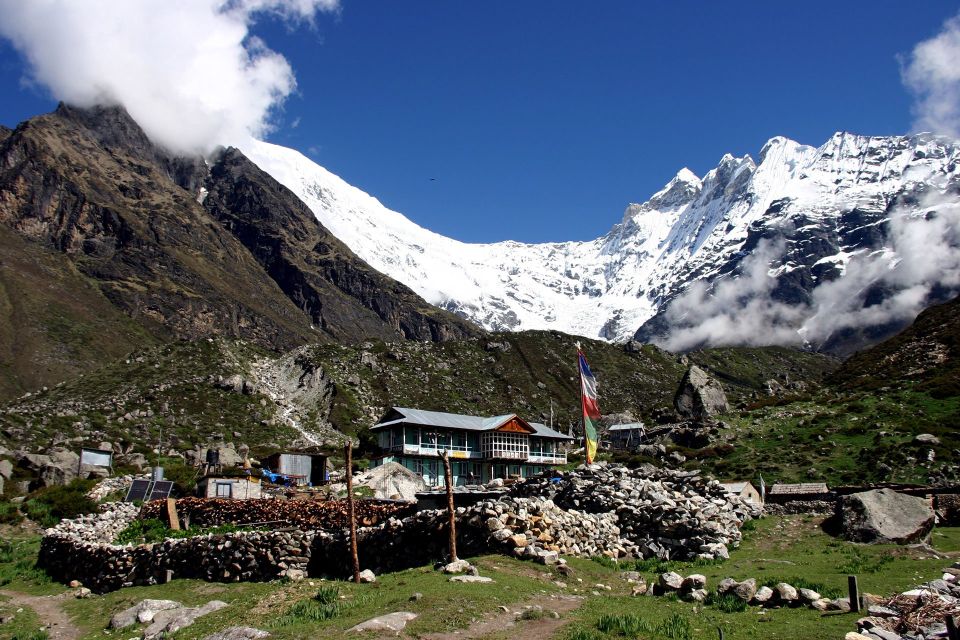
Day 1 is a long travel day, but it matters more than you might think. You drive out of Kathmandu and into the Langtang region, passing villages and getting a first feel for the valley’s rhythm before you ever strap on boots.
You end in Syabrubesi (1,550m), a trekking base that feels geared for hikers: guesthouses, trail activity, and the sense that the mountains are the main event even when you’re still in town. After the drive, you’re not trying to win fitness points. You’re doing the smart thing: eat early, hydrate, and treat the night as your launchpad.
Practical tip: pack a day’s worth of items where you can reach them easily. You’ll likely start trekking the next morning carrying what you need for the day (and maybe less, if you’re using a porter).
Day 2: Syabrubesi to Lama Hotel (2,380m) Through Forest and River Crossings
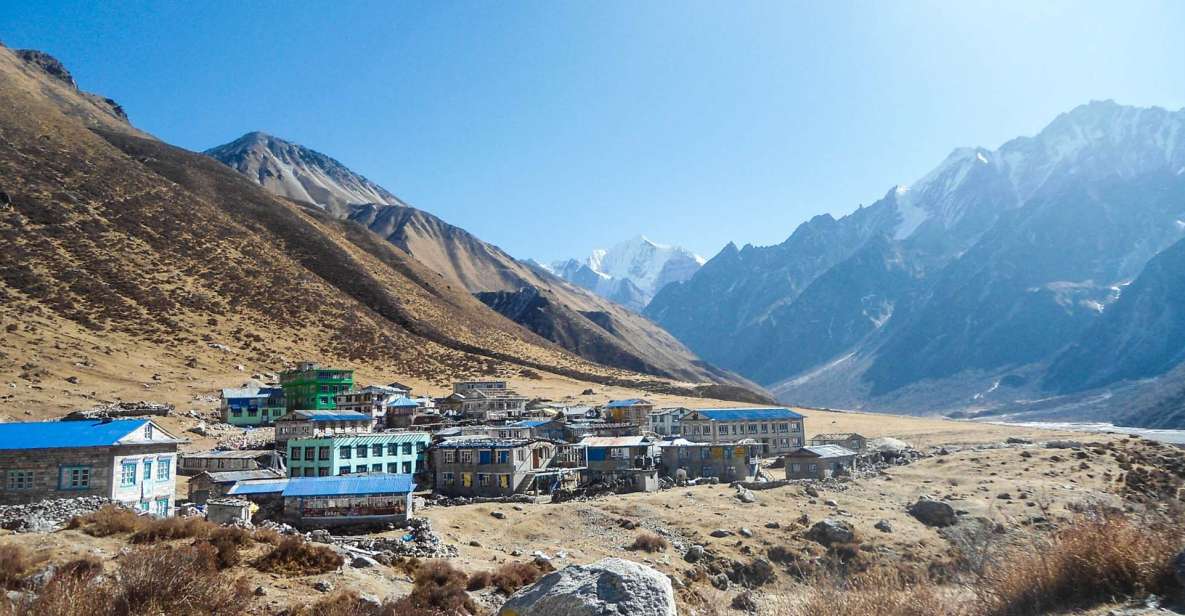
This is where the trek starts feeling like a trek. From Syabrubesi you walk through lush forests, and the trail includes crossing suspension bridges and following the Langtang River corridor.
Lama Hotel at 2,380m is a classic mid-valley stop. By the time you reach it, you’ll feel that sweet spot where you’re working but not wrecked. You’re gaining altitude, yet the day doesn’t feel like you’ve been dropped into the deep end.
Why this day is valuable: it gets your legs warmed up and your breathing calibrated. If you go out too fast today, you’ll pay later. Take it easy through the early climbs, keep your steps steady, and you’ll arrive feeling ready for the higher, steeper sections.
Teahouse reality check: you’ll be sleeping in simple lodges along the trail. Expect clean basics, not luxury. The upside is that it’s part of the authentic routine. The downside is that room comfort can vary by stop and season, so manage expectations.
Day 3: Lama Hotel to Langtang Village (3,430m) and the Culture on the Trail
Day 3 shifts you into higher terrain at 3,430m as you move toward Langtang Village. The hike climbs through dense rhododendron and oak forests, and it’s on days like this that you can feel the valley change character.
One of the best parts of this trek is how the trail keeps you close to local life. You’re not just passing through nature. You’re walking through a region shaped by communities like the Tamang people, and you’ll see that in the way places are organized and how you’re greeted along the way.
The mountain views start to show up more clearly as you go higher. This is also the day where small pacing choices matter. Aim for steady effort. If you start rushing to chase the view, you’ll end up breathless on a trail that punishes uneven pacing.
If you’re the type who likes a challenge and wants to earn the scenery, this day delivers. If you prefer flatter, easier walking, you may feel every gain here.
Day 4: Langtang Village to Kyanjin Gompa (3,870m) With Yak Country and Monastery Views
Day 4 is your main climb into the top zone, ending at Kyanjin Gompa (3,870m). Expect a mix of trail types: yak pastures, glacial streams, and the gradual shift from forest trekking to more exposed mountain terrain.
Once you reach the gompa area, the pace changes. You’re not just arriving at a lodge. You’re arriving at a place with a strong spiritual and cultural center, including an ancient Buddhist monastery. It’s worth taking time here. Even if you’re not into monasteries, the setting has a way of slowing you down. The air feels different. The views become the main event.
The panorama you came for shows itself clearly in this part of the valley. Peaks like Langtang Lirung and other surrounding summits dominate the horizon. This is also the point where you’ll understand why the acclimatization day matters. At 3,870m, your body needs a real pause before you ask it for more.
Practical tip: bring a warm layer. Even if the sun feels strong, temperatures can drop fast at altitude.
Day 5: Acclimatization at Kyanjin Gompa and Short Hikes That Pay Off
This is the day that turns a tough trek into a manageable trek: acclimatization at Kyanjin Gompa. You stay put and let your body adjust instead of just pushing higher.
The itinerary gives you options, which is exactly how acclimatization should work:
- Go on short hikes like Kyanjin Ri or Tserko Ri for high-reward mountain views
- Or take it slower and explore local stops, such as a cheese factory
This day is about smart movement. You’re not training hard. You’re teaching your system how to handle altitude without overcooking it. You’ll likely feel better than you expected once you stop climbing and start moving gently.
A good rule for this kind of day: keep your effort moderate and take extra breaks. If your head feels unusually heavy, or you’re struggling even with rest, talk to your guide and scale back. This is where having an experienced person matters.
Day 6: Back Down to Lama Hotel (2,380m) and How to Protect Your Knees
Day 6 is a descent from Kyanjin Gompa back to Lama Hotel. Retracing steps can feel easier because you’re going down, but don’t assume it’s effortless. Descents can be tough on knees and shins, especially after days of uphill hiking.
What you’ll notice: you’re still in mountain terrain, and the trail can still demand careful foot placement. You’ll pass through familiar sections again—yak pastures and stream crossings—and you’ll get a different feel for how the valley “hangs together.”
This is also a great day for your mindset. You’ve already earned the highest views. Now you’re collecting your legs back. Walk with control. Shorten your stride on steeper parts.
Even if you want to “power down,” prioritize safe steps over speed.
Day 7: Lama Hotel to Syabrubesi and the Drive Back to Kathmandu
Day 7 finishes the route with a final trek back to Syabrubesi, then a vehicle ride returning to Kathmandu.
The hiking portion helps you close the loop without feeling like you’re abruptly done. It’s also the last time you’ll be moving through the valley terrain at trekking pace before you switch into city mode.
When you get back, take it easy that evening. You might feel surprisingly normal after a trek, then wake up the next day sore. That’s common. Stretch, hydrate, and don’t plan a marathon of activities immediately after arriving.
Teahouse Lodging, Meals, and What You’re Really Paying For
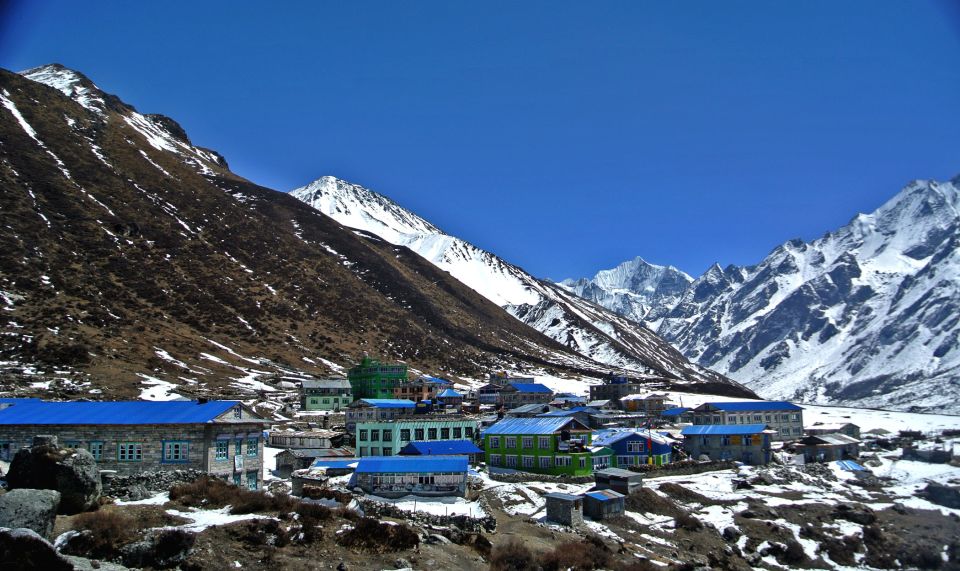
You’ll stay in teahouse lodges throughout the trek. These places are designed for hikers: simple rooms, basic meals, and enough warmth to get through the night. You should expect that comfort level can be very uneven depending on where you stop and how busy the trail is.
Meals are not included in the main price. You’ll purchase food on the trail, and the provided estimate is around Npr 2,500 per person per day. That means budgeting for three meals plus drinks as you go.
Value-wise, the lodging is part of what makes this trek affordable compared with fully catered expeditions, but it also means you should pack for practicality:
- plan for limited hot water
- bring layers for cold nights
- expect that dining areas can be busy
If you’re the kind of traveler who needs spotless bathrooms and perfectly consistent service, this is the point to think through your tolerance.
Guide, Permits, and Porter Options: The Difference Between Surviving and Enjoying
This trek includes a licensed, experienced trekking guide who knows the route and can support you throughout. It also includes trekking permits: Langtang National Park permits and the TIMS card.
That matters because permits are not optional in this region, and paperwork delays can ruin your momentum. Having it handled is one of the smartest parts of the package.
You can also hire a porter to carry your main backpack. The porter option is especially useful on a route with repeated climbs and hundreds of steps. If you keep your daypack light, your energy stays in your legs, not in your shoulders.
About the group: it’s a private group with an English-speaking live guide. For a trek like this, private pacing is a big deal. People arrive with different fitness and comfort levels. A private setup lets the trek feel more like it’s built around you instead of a fixed schedule where one pace fits all.
Price and Value: Is $450 Fair for This 7-Day Langtang Trek?
At $450 per person for 7 days, the big question is what you’re getting besides the walking.
You’re paying for:
- Kathmandu hotel accommodation before and after (typically 1–2 nights)
- Transport to and from the trail starting point
- Teahouse lodging during the trek
- Permits and a TIMS card
- A licensed English guide
- A basic first aid kit
- Porter option (if you add it)
- Hotel pickup and drop-off
The trade-off is that meals aren’t included, and teahouse comfort isn’t guaranteed to match what you’d expect from a hotel back home. The price also needs you to be realistic: this trek includes logistics that you don’t see, and it relies on local arrangements along the trail.
One more honest note: not every operator execution is perfect. I’ve seen enough trekking situations to know that lodge quality, communication accuracy, and day-by-day timing can vary. If you’re on a tight flight schedule or you care a lot about where you sleep, I recommend you confirm the expected trek dates and lodge standards with your guide/office ahead of time so there are no last-minute surprises.
If you go in with the right expectations, $450 can be strong value for a guided, permit-included Langtang Valley trek.
Who Should Choose This Trek, and Who Should Skip It
This trek is a good fit if you:
- enjoy a serious hiking challenge
- want big mountain views and a culturally grounded route
- like the idea of a rest day at altitude instead of pushing nonstop
- want a guide to handle route knowledge and basic logistics
It may not be right if you have limitations. The trek is listed as not suitable for pregnant women, people with mobility impairments, wheelchair users, and people with back problems.
Also remember the practical warning: you will climb hundreds of steps. Even fit hikers can feel it if they’re not used to repeated stair-like uphill effort.
In terms of luggage: oversize luggage isn’t allowed, and drones aren’t allowed. Pack light and pack smart.
Should You Book This Kathmandu to Langtang Valley Trek?
If you want a classic Langtang Valley itinerary with a real acclimatization day and a guide who keeps the trek feeling organized, I think this 7-day trip is a solid choice. The highlight is the Kyanjin Gompa day: it’s the part that turns altitude from a threat into a challenge you can manage.
Book it if:
- you can handle steep walking and stairy climbs
- you’re comfortable with teahouse lodging basics
- you’ll take pacing seriously, especially on the higher days
Think twice if:
- you’re very sensitive about lodging cleanliness and want consistent comfort
- you have strict flight timing with little flexibility
- you’re not confident with steep uphill effort
If you’re unsure, ask questions before you go: confirm lodge expectations, clarify your day-by-day timing, and decide whether to bring a porter so you can focus on walking. Do that, and you’ll spend more time watching Langtang peaks and less time worrying about logistics.
FAQ
What is the duration and overall route of the 7-day Langtang trek?
The trek runs for 7 days, starting with a drive from Kathmandu to Syabrubesi, then trekking from Syabrubesi to Lama Hotel, Langtang Village, and Kyanjin Gompa. On day 6 you return to Lama Hotel, and on day 7 you hike back to Syabrubesi and drive to Kathmandu.
What’s included in the price?
The package includes hotel pickup and drop-off, trekking permits (Langtang National Park permits and a TIMS card), teahouse lodge accommodation during the trek, an experienced licensed English-speaking guide, porter service option, transport from Kathmandu to the start point and back, Kathmandu hotel accommodation before/after the trek (usually 1–2 nights), and a basic first aid kit.
Are meals included?
No. Meals are available for purchase during the trek, with an approximate cost listed at Npr 2,500 per person per day.
Do I need trekking permits?
Yes. The trek requires trekking permits for Langtang National Park and a TIMS card, and these are included in the package.
How high does the trek go?
The highest point on the itinerary is Kyanjin Gompa at 3,870m.
Is there an acclimatization day?
Yes. Day 5 is an acclimatization day at Kyanjin Gompa, with options for short hikes like Kyanjin Ri or Tserko Ri, or visiting a local cheese factory.
What do I need to bring, and what’s not allowed?
You’ll need a passport-sized photo and a passport or ID card (a copy is accepted). Oversize luggage isn’t allowed, and drones are not allowed.