REVIEW · KATHMANDU
Beginner-Friendly Rafting Adventure on the Trishuli River
Book on GetYourGuide →Operated by Sobit - Bold Himalaya · Bookable on GetYourGuide
You’re one short drive from real whitewater. This beginner-friendly Trishuli River trip mixes Class I–IV rapids with gorge scenery and a stress-free setup from Kathmandu. I like how the team handles the safety step and paddling basics, and I like the built-in rhythm: water, a proper riverside lunch break, then more rapids.
The one thing to plan for is the day travel time. The ride from Kathmandu to the put-in is about 3 hours, so bring patience for traffic and mountain roads even though the transport is private.
In This Review
- Key things to know before you go
- Kathmandu to Charaudi: the private drive that sets the tone
- Safety briefing and paddling lessons on the Trishuli
- What the river actually feels like: Class I to IV
- The lunch stop on the beach with oddly shaped boulders
- Downstream again: why the gorge section changes everything
- Equipment and support: the practical stuff that improves the day
- Food, timing, and the rhythm of a one-day rafting run
- Price and value: why $63 can make sense here
- Who this rafting day fits best
- A note on the ride: what to expect on the way back
- Should you book this Trishuli River rafting day?
- FAQ
- FAQ
- What is the meeting point?
- How long is the rafting trip?
- Where do you go for rafting?
- What kind of rapids are included?
- Is lunch included?
- What’s included in the price besides rafting?
- What rafting equipment will I receive?
- Do I need to bring a wetsuit?
- What should I bring?
- What isn’t included?
Key things to know before you go
- Private Kathmandu transfer to the Charaudi put-in, so you’re not crammed with strangers
- Beginner-ready format with safety briefing plus paddling lessons before you hit the current
- A mix of rapids (Class I to IV) instead of only intense sections
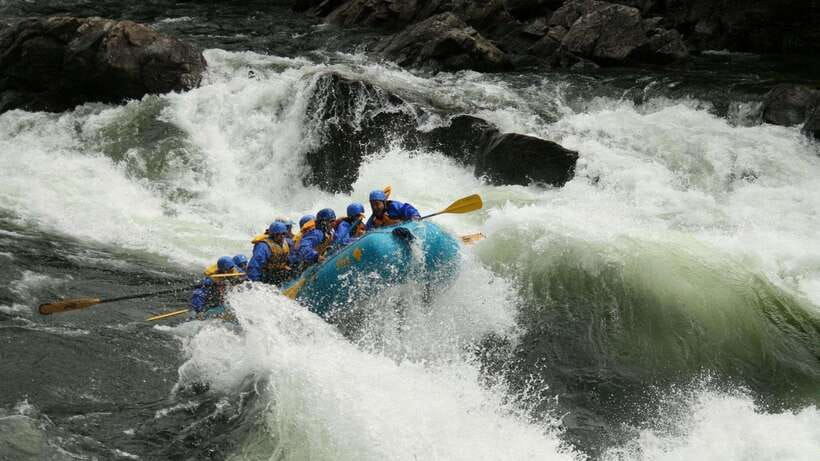
- Trishuli Gorge passes with narrow channels and steep walls that make the rapids feel closer
- Riverside lunch on a beach with oddly shaped boulders, right where you’ve been rafting
Kathmandu to Charaudi: the private drive that sets the tone
This is a one-day adventure that starts with pickup from your Kathmandu location and a direct run toward Charaudi, the rafting put-in. The transfer is in a private vehicle, which matters more than people expect. On a long travel day, it helps you settle in, get organized, and avoid the awkward start that happens when you’re waiting on multiple groups.
You should plan on about 3 hours of driving before you reach the river-side base at Charaudi. It’s long enough that you’ll want small comforts: sunglasses, sunscreen, and something to do with your phone time besides watching the same road go by. Once you arrive, you’ll see the rafting crew and the rafts staged, which gives the whole thing a real, hands-on feel right away.
The staff is ready to match the energy of the day. In the same way locals often gather to watch activity by the water, you’ll likely notice a friendly, curious atmosphere around the rafting base—people fascinated by teams in gear getting ready to launch.
You can also read our reviews of more tours and experiences in Kathmandu.


Safety briefing and paddling lessons on the Trishuli
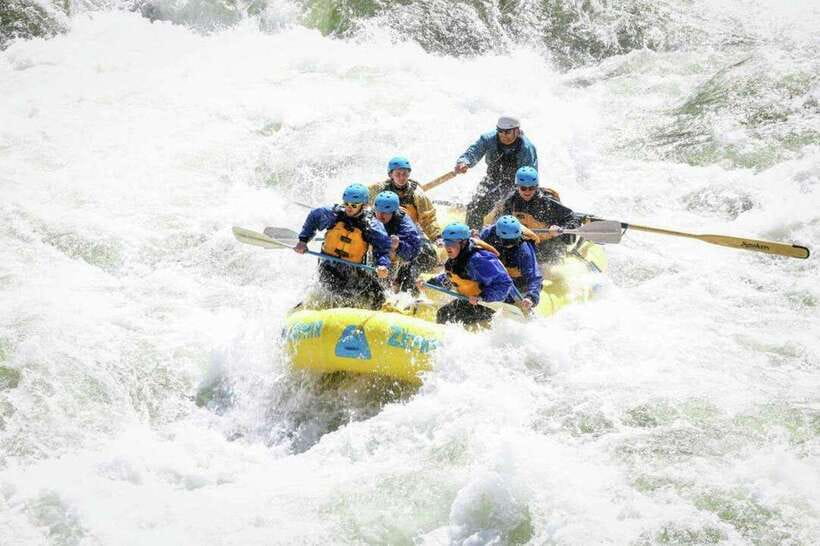
Before you touch water, the crew runs through a safety briefing and you’ll get paddling lessons. This is the part that makes the difference for beginners. You’re not just handed a paddle and sent downstream—you’re taught how to move as a team and what to expect when the river gets louder.
You’ll also be fitted with the standard raft safety kit: life jackets and helmets. The rafts are self-bailing, which is a huge practical detail—water drains away so the raft stays usable instead of turning into a floating bucket. You’ll use plastic paddles, and there’s a dry bag included for your gear, plus camera barrels if you want to keep your camera more protected.
On certain winter runs, you may be asked to use wetsuits depending on river conditions. If you’re traveling outside winter, you’ll mostly rely on the basics: comfortable clothes, a change of clothes, and swimwear if you want to get in when the moment is right.
There’s also a safety kayak on the water and a first aid kit box on hand. That doesn’t remove risk—whitewater is whitewater—but it tells you the operation is built with backup.
What the river actually feels like: Class I to IV
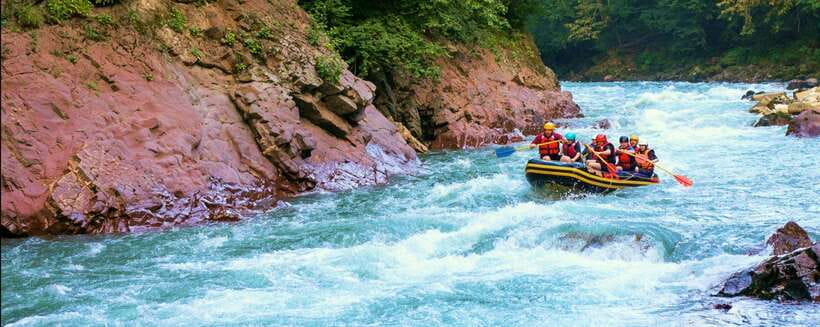
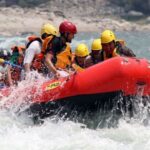
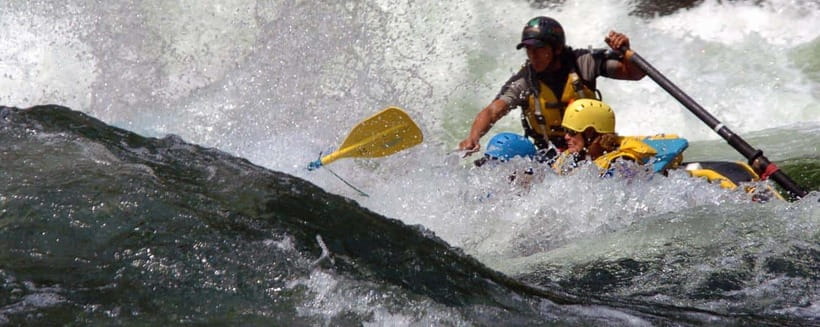
The Trishuli River is known for offering a real range of whitewater, from lighter stretches to more exciting rapids rated Class I to IV. For most first-timers, that spectrum is the sweet spot. You get time to feel confident with basic commands and boat positions, then you’re challenged without being tossed straight into the hardest moves.
You’ll paddle for about 2 hours before heading to the lunch beach. Along the way, expect a sequence of rapids, generally in the Class I to Class III zone for much of the trip’s run, with the overall day experience built to feel like progression—not chaos.
The river also has a famous character feature: the Trishuli Gorge. This is where narrow channels and steep walls squeeze the river’s motion and bring the action closer. In plain terms, it’s the section that makes photos look dramatic because the water is moving fast through tight space. If you love nature and motion at the same time, this is the part you’ll remember even after the adrenaline settles.
The lunch stop on the beach with oddly shaped boulders
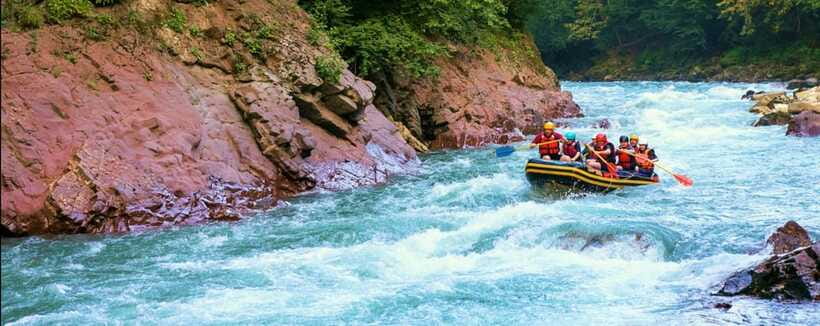
After roughly 2 hours on the river, you reach a scenic beach area with uniquely shaped boulders. This is not a rushed “grab-and-go” stop. It’s your built-in reset: you eat, you breathe, you dry off, and you watch the river continue moving like it has all day.
The lunch is included, and it’s described as a western and continental style meal. That’s a smart choice for a rafting day because you’re feeding energy back into your body after hours in sun and wind. It’s also on the riverbank, which means you’re not forced into a separate drive to find food.
You’ll likely want to use this pause well. Put on a fresh layer, reapply sunscreen, and give your face and hands a moment to cool down. If you brought a waterproof camera setup, this is a good time to take photos while the river sounds are part background music, not a constant stress-test.
Downstream again: why the gorge section changes everything
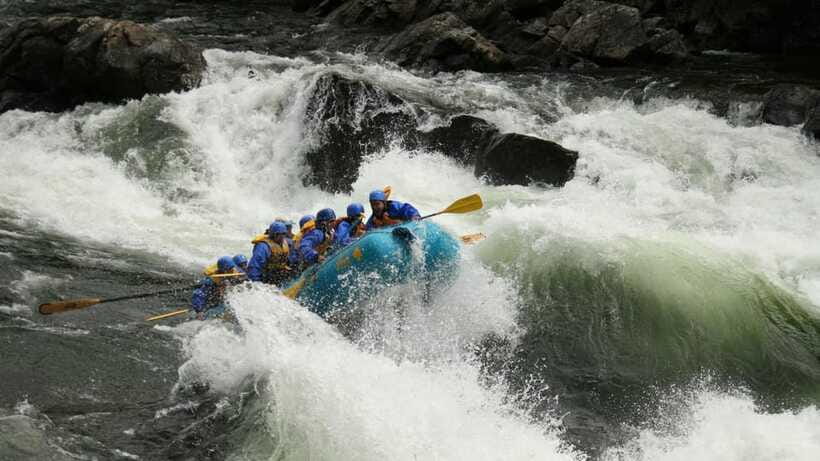
Once lunch is done, the trip continues downstream toward the gorge. The description you’ll hear is simple: narrow passages, steep walls, and rapids that are fierce and frequent.
This is where the “beginners welcome” promise still holds, but with a different kind of excitement. You’ll feel more momentum. The boat’s line through the tight channel can feel more dramatic. And because the gorge confines the scenery, the sound of water and the pressure of fast-moving current becomes part of the experience.
If you’re the kind of person who likes structure—know what comes next—this half of the day helps. First, you learn the basics and get moving. Then the trip ramps into the most memorable natural geometry of the route.
Equipment and support: the practical stuff that improves the day
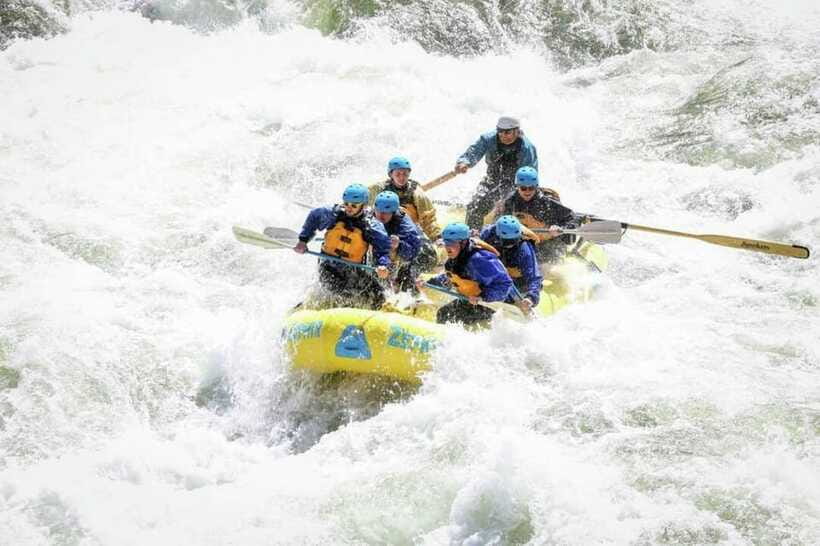
A big reason this trip works for first-timers is the way gear and staff support are built into the experience. You’re not asked to figure out the basics alone.
Included equipment:
- High quality self-bailing rafts
- Life jackets and helmets
- Plastic paddles
- Dry bag for your gear
- Camera barrels and other safety/medical equipment
Included support:
- A guide (English)
- Helpers and staff
- A safety kayak
- A first aid kit box
A few small but useful notes:
- Mineral water and cold drinks aren’t included, and alcohol is not included either.
- You’re not allowed alcohol or drugs.
- You’re expected to keep your drinks out of the vehicle, which usually means you should plan to buy your water separately and stick with the provided meal plan.
If you like comfort and control, bring what you can control: sun hat, sunscreen, sunglasses, and swimwear plus a change of clothes. The day is short, so you’ll feel every “I didn’t pack that” moment more than usual.
Food, timing, and the rhythm of a one-day rafting run
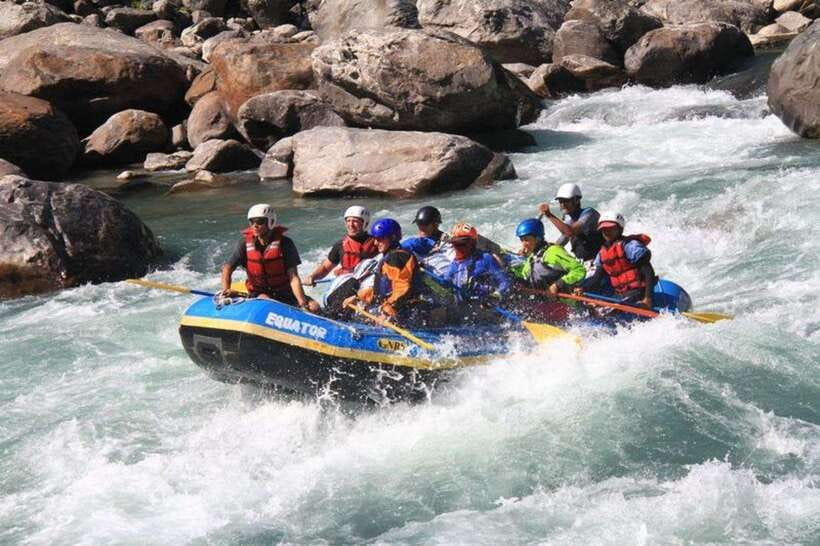
This is designed as a focused day trip. You leave Kathmandu, reach Charaudi, get prepped, raft about 2 hours, stop for lunch on the river beach, then continue rafting through the gorge and finish with the return ride to Kathmandu.
The most helpful value of this format is pacing. With a half-day feel for rafting plus a real lunch break, you’re not stuck rafting for too long while tired and sunburned. You also avoid the “whole day in transit” problem that some longer excursions create.
Also pay attention to what’s included with meals. Lunch is included, and the description indicates meals are part of the day. That’s a practical advantage because whitewater days can eat money fast if you’re constantly buying snacks.
Price and value: why $63 can make sense here
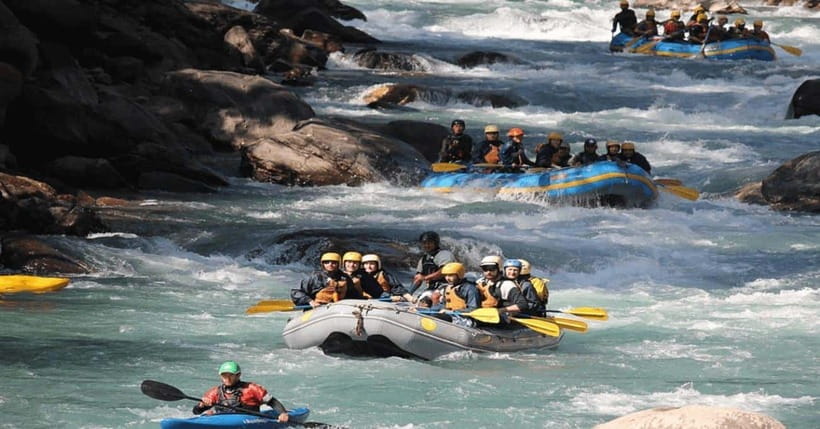
At $63 per person for a full day, the price looks reasonable when you compare what’s bundled. You’re getting:
- Private transportation Kathmandu–Charaudi–Kathmandu
- Lunch (western/continental style)
- River permit
- Guide and supporting staff
- Safety kayak and first aid
- Rafting gear (including helmets and life jackets)
- Dry bag support for your gear
The only “surprise” costs to expect are the things you’re specifically told aren’t included: bottled water, cold drinks, and alcohol. If you budget for water and maybe a snack or two, you’re basically set.
The best value isn’t the number. It’s the reduction of stress. You show up, get fitted, get briefed, and follow a plan with safety backup. For a beginner, that’s often worth more than a cheaper option that makes you piece things together.
Who this rafting day fits best
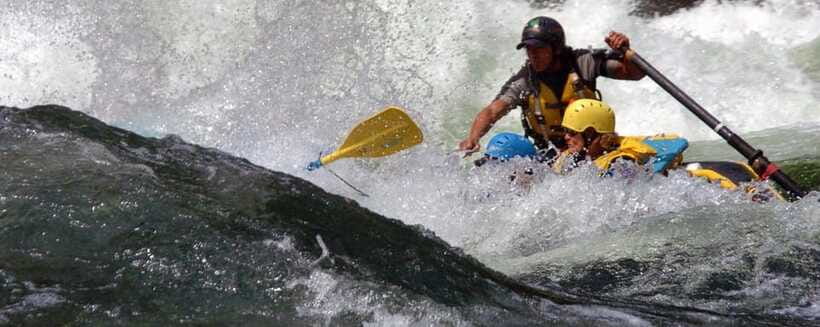
This rafting trip is a strong match if you want:
- A beginner-friendly entry into whitewater
- A mix of easy stretches and more exciting rapids (Class I to IV)
- A guided day with safety gear, a safety kayak, and a first aid setup
- Nature time plus a real break for riverside lunch
It’s also a good choice if you like structure. The sequence is clear: pick-up, river base prep, safety and paddling practice, rapids, lunch break, gorge rapids, return.
One caution from the tour info: it’s not suitable for people over 70 years. If you’re in that age range (or you’re dealing with medical limits), check your situation carefully before booking.
A note on the ride: what to expect on the way back
The return is another scenic drive back to Kathmandu in the comfort of private transportation. The most common feeling on days like this is “I’m glad I had privacy” more than “the road was fun.” The private vehicle is exactly the kind of comfort that helps after you’ve already spent energy on the river.
One practical tip: after rafting, you’ll likely feel warm, then cold, then warm again depending on wind and sun. Bring a comfortable layer you can put on for the ride back, especially if you’re rafting earlier or later in the day.
Should you book this Trishuli River rafting day?
If you want a one-day Kathmandu adventure that’s genuinely built for beginners, I’d say this is worth booking. The combination of beginner-friendly instruction, a broad rapids range, a gorge section that gives you real payoff, and all the key safety and gear items included is a smart formula.
You might skip it only if the 3-hour drive each way is a deal-breaker for you, or if you’re looking for a multi-day rafting immersion with lots of downtime. This is a focused day: you’ll be active, you’ll get sun, you’ll get wet, and you’ll be ready for dinner back in Kathmandu.
FAQ
FAQ
What is the meeting point?
Pickup starts from Kathmandu, and the day returns to Kathmandu at the end.
How long is the rafting trip?
The experience is listed as 1 day. You’ll spend about 2 hours on the river.
Where do you go for rafting?
You travel to Charaudi, the rafting put-in point on the Trishuli River.
What kind of rapids are included?
The river experience includes a mix of rapids rated Class I to IV, with the day described as featuring gentle stretches and more thrilling rapids.
Is lunch included?
Yes. Lunch is included during your rafting trip and is described as Western and continental food.
What’s included in the price besides rafting?
The price includes Kathmandu–Charaudi–Kathmandu by private transportation, meals, river permit, necessary equipment, and staff support including a safety kayak and first aid kit.
What rafting equipment will I receive?
You’ll get self-bailing rafts, life jackets, helmets, and plastic paddles. You also have a dry bag for your gear and safety/medical equipment. Camera barrels are included as well.
Do I need to bring a wetsuit?
Wetsuits are only mentioned as being used during winter on certain rivers. For most other times, you’ll just follow the general packing list like swimwear and a change of clothes.
What should I bring?
Bring comfortable shoes, sunglasses, a sun hat, swimwear, change of clothes, sunscreen, a waterproof camera, and face mask or protective covering. Biodegradable sunscreen is also suggested.
What isn’t included?
Mineral water, cold drinks, and alcoholic beverages are not included. Emergency evacuation, personal items, member insurance, and international airport pick-up/drop-off are also not included.