REVIEW · KATHMANDU
Everest Three Pass Trek
Book on Viator →Operated by Base Camp Adventure Pvt. Ltd. · Bookable on Viator
One serious week of uphill breathing. This trek delivers the Everest region’s big views while taking you over three snow passes: Kongma La (5535m), Cho La (5420m), and Renjo La (5360m). I like how the route is paced with real acclimatization breaks in Namche and around Gokyo, not just nonstop suffering. The other thing I love is the structure: you’re guided by an English-speaking professional team, and you’re not wasting time on permits or logistics.
The main drawback is also the point: you need strong fitness. Rough terrain, steep climbs, and cold conditions at high altitude come with the territory, especially on pass days.
In This Review
- Key things I’d plan around
- Lukla flights: why day 1 matters more than you think
- Dudh Koshi to Namche: prayer flags, bridge crossings, and breathing room
- Tengboche to Dingboche: where the scenery gets serious
- Chhukung as a strategic move before Kongma La
- Kongma La (5535m): the highest pass day
- Gorakshep and Kala Patthar (5550m): sunrise that earns its hype
- Cho La (5420m) to Gokyo Lakes: ice-covered trails and a different kind of altitude reward
- Renjo La (5360m): the third pass and the route pivot back down
- Namche to Lukla: finishing the trek with practical momentum
- Guesthouses, meals, and the kit plan that reduces stress
- Guides and staffing: why “good organization” is actually a safety factor
- Price and logistics: what $1,800 covers (and what it doesn’t)
- Who should book Everest Three Pass Trek, and who should reconsider
- Should you book this Everest Three Pass Trek?
- FAQ
- How long is the Everest Three Pass Trek?
- What is the total cost per person?
- Are national park and TIMS permits included?
- What lodging and meals are included?
- Is pickup offered, and where do we meet?
- Does the price include flights to and from Lukla?
- What gear is provided, and what should I bring?
- What’s the cancellation rule if weather is bad?
Key things I’d plan around
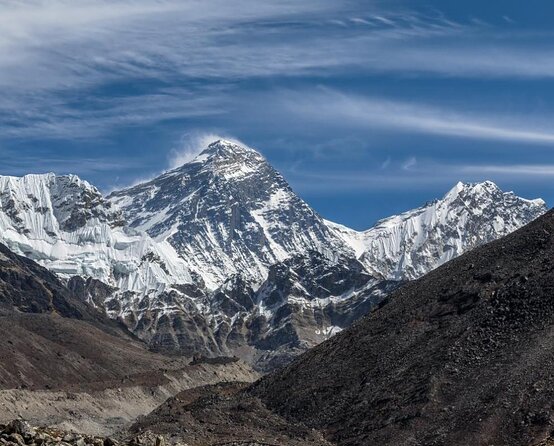
- Three named passes, all snow-country: Kongma La (5535m), Cho La (5420m), Renjo La (5360m).
- Lukla is your gateway: you fly to start and fly back at the end, with a Kathmandu reset day before and after.
- Acclimatization is built into the route: Namche rest day, plus a Gokyo buffer day before Renjo La.
- You’re not carrying everything yourself: staff and porters handle luggage, while you focus on hiking.
- Permits and park entry are included: national park entry plus TIMS, so you can avoid paperwork stress.
- Twin-share guesthouses are the norm: comfort is basic, but predictable.
Lukla flights: why day 1 matters more than you think
You’ll fly from Kathmandu to Lukla via Tenzing-Hillary Airport, then start hiking the same day into the Khumbu world. That early jump is more than sightseeing. It gets your trek moving without adding extra travel days later, which matters once altitude starts tightening the schedule.
Lukla also sets the tone: this is not a gradual walk from sea level. By day 1 you’re already in the mountain rhythm—cool air, quick scenery changes, and that feeling that every day has a plan.
If you’re prone to travel jitters, try to keep your first morning calm. Your start time is listed as 6:15am, so you’ll want sleep and breakfast sorted the night before.
You can also read our reviews of more hiking tours in Kathmandu
Dudh Koshi to Namche: prayer flags, bridge crossings, and breathing room
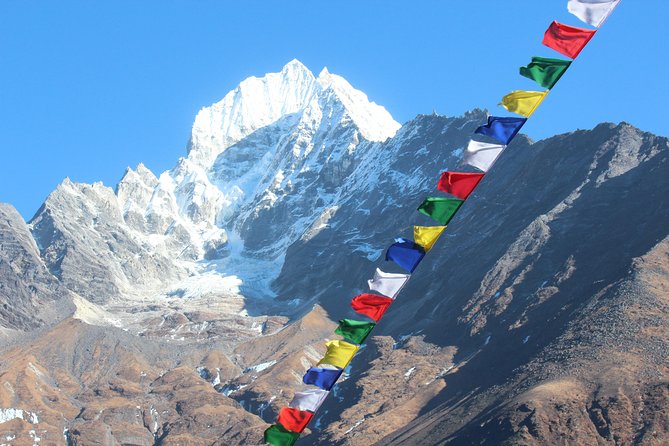
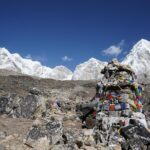
After Lukla, the route follows the Dudh Koshi River, with frequent crossing points on suspension bridges decorated with prayer flags. This section is a classic “find your legs” phase. It’s scenic, but it’s also practical: you’re warming up while staying in river valleys where the trail is more manageable.
You’ll enter Sagarmatha National Park, then continue toward Namche. Namche is where many trekkers learn their pace. The trek gives you a rest/acclimatization day here, which is a big deal before you start pushing higher toward Dingboche and the passes.
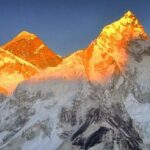
On that Namche day, you’ll explore the Sherpa town and hike up toward Everest View Hotel for peak views. Even if you’ve seen photos before, this is where it clicks: Everest is not a single mountain from here. It’s a whole wall of high peaks, and your eyes keep searching because there’s always another ridge.
Tengboche to Dingboche: where the scenery gets serious
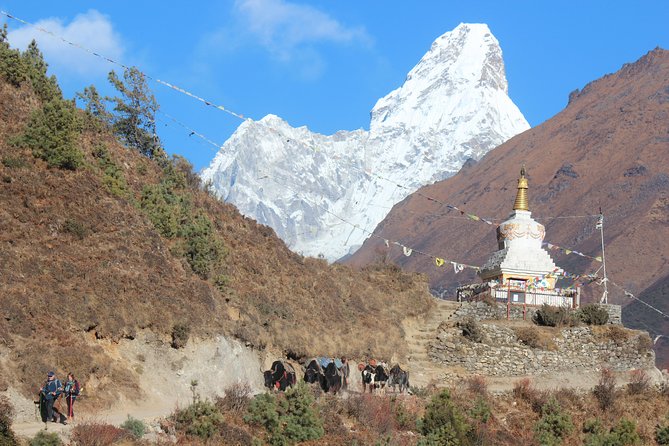
From Namche, you’ll head upstream along the Dudh Koshi trail until you reach prayer wheels near Phunke Tenga. Then the route shifts above the Imja Khola, and you work your way toward Tengboche.
Tengboche is often the kind of stop people remember because it feels like a Sherpa heart check-in. You also get that mix of daily life and high-altitude awe: monasteries, trail energy, and mountains that don’t look real.
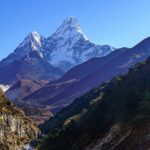
Next comes Dingboche. The trek moves through rhododendron forest and past Pangboche, then climbs into the bigger-altitude zone. You’ll also have dramatic mountain views during this stretch, including Ama Dablam, Lhotse, and Everest from the broader route context.
This is where pacing matters most. The path is not only about distance. It’s about not rushing your breathing, especially if you’re the type who likes to “make up time.”
Chhukung as a strategic move before Kongma La
Instead of staying longer in Dingboche, the route shifts you toward Chhukung. The point is simple: you avoid a long walk right before crossing Kongma La.
That “short yet interesting” uphill day to Chhukung is exactly the kind of staging I respect. You’re getting your body closer to the upcoming altitude pressure without turning the lead-up into a slog.
Chhukung also acts like a mental gear shift. You’re no longer just hiking toward a big objective; you’re setting up for the moment when the pass experience takes over—cold wind, uneven footing, and snow travel mechanics.
Kongma La (5535m): the highest pass day
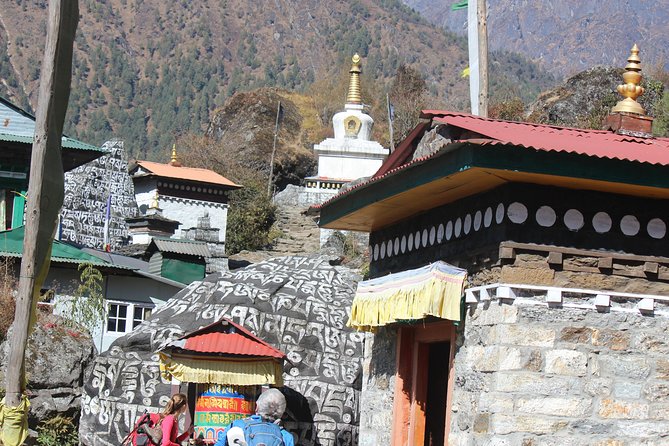
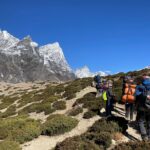
Crossing Kongma La at 5535m is the first true pass test on this trek. You’ll start preparation earlier in the day, then climb a steep uphill section with real difficulty. This is where trekking technique and mindset show up.
You’ll be moving over rougher terrain, and the trail conditions can make your pace feel slower than your legs expect. That’s normal. Pass days are about steady steps, not hero bursts.
What makes this day worth the effort is the panoramic framing you get around the Mahalangur Himalaya range. The pass isn’t just a physical checkpoint; it’s a viewpoint platform. You cross, you look, and you keep moving because the next step still waits on you.
Gorakshep and Kala Patthar (5550m): sunrise that earns its hype
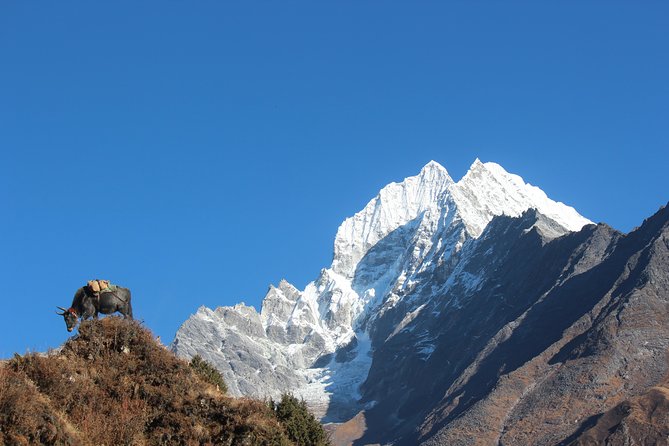
After Kongma La, you move toward Gorakshep, where the trekking terrain becomes stony and the scenery focuses on glaciers and snow-caps. This part of the route is rewarding in a different way than earlier days. It feels more severe, more “high Himalaya,” and less like a village-to-village stroll.
Then comes the early morning hike to Kala Patthar (5550m). The plan is to catch sunrise and see the valleys with the first rays on Mount Everest. If you’ve ever wondered why trekkers wake up in the dark for mountains, this is the answer. Sunrise light changes everything—shadows sharpen, peaks pop, and the whole region looks newly built.
It’s also practical: doing it early helps keep conditions more manageable.
Cho La (5420m) to Gokyo Lakes: ice-covered trails and a different kind of altitude reward
Cho La at 5420m is the second pass and another tough day. The route climbs across an ice-covered trail to reach the top, which means you’re dealing with cold surfaces and a terrain that asks for careful foot placement.
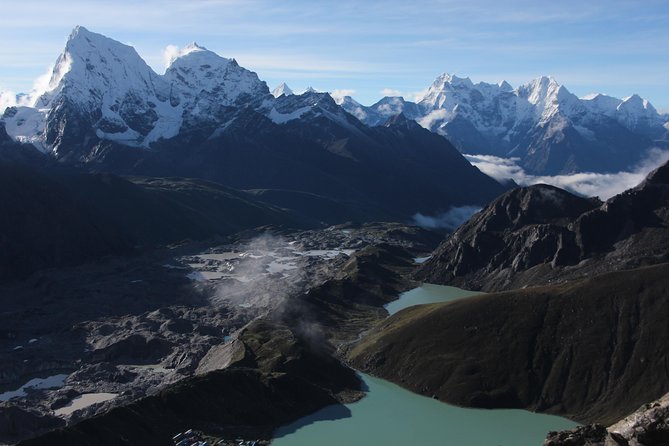
After Cho La, the destination becomes Gokyo lakes. Instead of just thinking about height, you get a different visual payoff: the lake area brings a sense of open altitude space and more water reflections in the landscape of snow and stone.
You’re also given a rest day in Gokyo. That’s not filler. It’s what makes Renjo La possible later without burning your reserve.
On the Gokyo rest day, you’ll hike up to Gokyo Ri (5360m) in the morning for views across the entire Gokyo valley and its lakes. This is a smart structure: you get altitude exposure, views, and movement—without stacking another major pass on your schedule that day.
Renjo La (5360m): the third pass and the route pivot back down
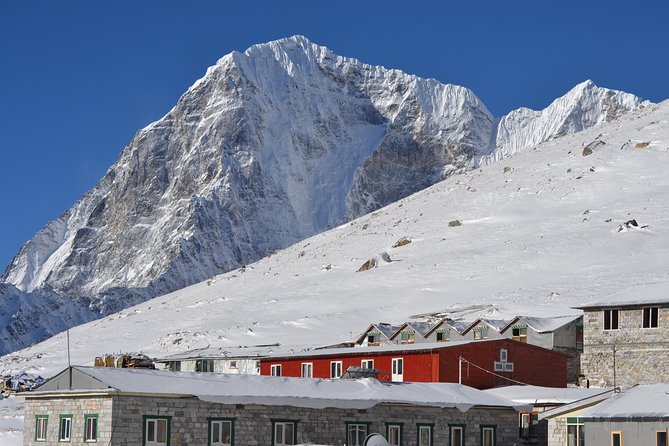
Renjo La at 5360m is the last of the three snow passes, and it’s also where many people feel the cumulative effects. The route hikes gradually on a snow-filled path up to the summit.
Because it’s the third pass, I’d treat this day as a careful management day. You don’t need to go faster. You need to finish feeling like you can still descend smartly afterward.
Once you’re over Renjo La, you’ll continue down on the trek path toward Namche. That next “relaxed on a relatively easier trail” day is a real morale boost. You regain rhythm, enjoy the surrounding scenery, and get mountain views from a distance as the route heads back toward familiar village settings.
Namche to Lukla: finishing the trek with practical momentum
After the Renjo La-to-Namche section, you’ll make your way from Namche to Lukla. The route crosses villages, forests, and rivers over suspension bridges—so you still get movement and scenery, but the objective pressure drops.
You’ll reach Lukla, rest, and then explore the market. That market time matters more than you’d think. After days of trail rhythm, it helps your body and brain come down from the altitude grind.
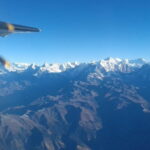
Then you fly early the next morning back to Kathmandu from Lukla. You’ll see lush green hills and snowy peaks during the flight, which is a nice final visual “closing shot.”
Guesthouses, meals, and the kit plan that reduces stress
The trek uses guesthouses along the way, mainly in twin sharing. That means you can plan on basic mountain accommodations rather than expecting hotel-style comfort. The advantage is consistency: you’re not constantly wondering if tomorrow’s sleep will fall apart.
Meals are included for 14 days of breakfast, lunch, and dinner. The exact daily menu isn’t listed, but a typical trekking dinner style you may recognize includes dal bhat (lentils and rice). Expect straightforward, filling food designed to keep you moving.
One big value point is the gear. You get a down jacket and sleeping bag, plus a duffel/kit bag that is returned after the trek. This can save you from buying cold-weather gear purely for one trip.
Still, personal trekking equipment is not included. So you’ll want to plan your own essentials based on your comfort level and weather expectations on high passes.
Guides and staffing: why “good organization” is actually a safety factor
This trip lists a local government licensed English-speaking guide, plus the required staff and porters to carry your luggage. That’s not just convenience. On a multi-pass trek, it reduces the number of things that can go wrong.
Base Camp Adventure Pvt. Ltd. also appears repeatedly in past Everest trips with very strong service feedback: guides like Nabracht, Bhim, Ram, Shiva, and Jwala have come up in earlier Everest experiences with this company, and the owner Shree gets credited for smooth planning.
In plain terms, what you want is a team that can keep schedules reasonable, explain what you’re seeing, and handle the mountain logistics you don’t want to think about while your legs are tired.
Price and logistics: what $1,800 covers (and what it doesn’t)
At $1,800 per person, this is a serious investment. What helps justify it is how much is bundled:
Included:
- National park entry permit and TIMS permit
- Domestic airfare Kathmandu–Lukla–Kathmandu and airport tax
- Best-available guesthouses (mostly twin share)
- A licensed English-speaking guide plus staff/porters
- Down jacket and sleeping bag (and the duffel/kit bag, returned after)
- First aid medical kits
- Meals: breakfast, lunch, dinner for the trek days listed
- All land transport for the included components
- Insurance and support coverage for trekking staff
Not included:
- International airfare and international airport departure tax
- Alcoholic and other drinks, laundry, and hot showers
- Personal trekking equipment
- Tips for trekking staff
One more logistics point: it’s a private tour/activity, meaning it’s only your group. If you like a more controlled experience instead of sharing the rhythm with strangers, that’s a plus. If you prefer big-group social energy, this might feel quieter than you expect.
Also note: you’re listed as booking on average about 39 days in advance. For a high-demand trek, you’ll likely do better if you book earlier rather than later—especially if you want specific dates for flight timing and weather odds.
Who should book Everest Three Pass Trek, and who should reconsider
Book this if:
- You have strong physical fitness and can handle long, steep hiking days.
- You want true pass crossings, not just viewpoints.
- You enjoy a plan that mixes effort days with acclimatization stops (Namche and Gokyo).
- You value guidance and permit/route organization so you can focus on walking.
Consider a different option if:
- You’re unsure about your ability to handle high-altitude cold and rough terrain.
- You hate early mornings and slow, careful trekking days.
- You don’t want the challenge of three major pass summits in one trek.
This trek is for people who want the hard version of the Khumbu. If that sounds like your kind of fun, you’re in the right place.
Should you book this Everest Three Pass Trek?
If you want the Everest region’s classic big-hits—Lukla access, Namche acclimatization, Gokyo lakes, and a sunrise hike to Kala Patthar—while adding three high snow passes, this trek fits the bill. The package also takes a lot off your plate: permits, domestic flights, guide support, and key cold-weather gear are included.
I’d only hesitate if you’re not confident about high-altitude hiking stamina. Three passes is not a “weekend tough” kind of challenge—it’s a real test of endurance, cold tolerance, and smart pacing. If you train and go in with respect for the altitude, the views and route variety are the reward.
FAQ
How long is the Everest Three Pass Trek?
The trek runs about 15 days (approx.), including the flights between Kathmandu and Lukla and the hiking portion in the Everest region.
What is the total cost per person?
The price is listed as $1,800.00 per person.
Are national park and TIMS permits included?
Yes. The trek includes a national park entry permit and a TIMS Permit (Trekker’s Information Management System).
What lodging and meals are included?
You’ll stay in guesthouses during the trek (mainly twin sharing). Meals included are breakfast (14), lunch (14), and dinner (14).
Is pickup offered, and where do we meet?
Pickup is offered. The meeting point is Kathmandu 44600, Nepal, with the ticket redemption point at BASE CAMP ADVENTURE PVT. LTD., Tridevi Sadak, Kathmandu 44600, Nepal.
Does the price include flights to and from Lukla?
Yes. Domestic airfare (Kathmandu–Lukla–Kathmandu) and airport tax are included.
What gear is provided, and what should I bring?
A down jacket and sleeping bag are provided, along with a duffel/kit bag that needs to be returned after the trek. Personal trekking equipment is not included, so you’ll need to bring your own personal gear.
What’s the cancellation rule if weather is bad?
You can cancel for a full refund up to 24 hours in advance of the experience start time. The experience requires good weather, and if it’s canceled due to poor weather, you’ll be offered a different date or a full refund.