REVIEW · KATHMANDU
Nagarkot Sunrise, Bhaktapur and Patan Durbar Square Tour in Kathmandu
Book on Viator →Operated by Himalayan Planet Adventures · Bookable on Viator
A Himalayan sunrise needs the right timing. This full-day trip strings together Nagarkot sunrise and two Kathmandu Valley UNESCO sites, so you don’t waste time figuring out the logistics that make or break dawn views. It’s also built around context, so temple stops feel less like random stonework and more like a living story of the Valley.
I especially like the door-to-door hotel pickup and drop-off (inside Ring Road) with a private vehicle, which keeps the day moving early without stress. I also love that you get a professional guide who provides culture and history context while you’re walking through places like Bhaktapur and Patan’s Durbar Squares.
One consideration: it’s a long, early start day (pickup before dawn), and while many temple stops are free, food and drinks aren’t included, plus there’s an estimated entry fee for some sites.
In This Review
- Key moments that make this tour work
- Why this Nagarkot sunrise plan feels smarter than DIY
- The 4:00 a.m. reality check: timing, cold, and patience
- Bhaktapur Durbar Square: pagodas, palaces, and stone details you’ll notice
- Nyatapola Temple (free stop)
- Dattatreya Temple (free stop)
- The Palace of Fifty-Five Windows (free stop)
- Quick add-ons that make Bhaktapur feel lived-in
- Patan Durbar Square: Newari architecture and the Malla palace mood
- Stone-built religious artistry: Krishna Temple, Golden Temple, and Krishna Mandir
- Krishna Temple (stone artistry, 21 shrines)
- Patan Museum (optional-style pacing)
- Golden Temple / Hiranya Varna Mahavihar
- Krishna Mandir (free stop, Shikhara style)
- Value check: is $130 per person fair for what you get?
- Comfort and planning tips for a day this long
- Who should book this tour (and who might skip it)
- Should you book? A simple decision guide
- FAQ
- FAQ
- What time does the tour start?
- How long is the tour?
- Is hotel pickup and drop-off included?
- Is this tour private?
- What’s included in the price?
- Are food and drinks included?
- Do I need to pay entry fees?
- Does the tour run in bad weather?
- Is there a cancellation deadline?
- Are there any limits on who can join?
Key moments that make this tour work
- 4:00 a.m. start time geared for the best odds of sunrise visibility
- Nagarkot View Tower gives you a focused sunrise window (admission listed free)
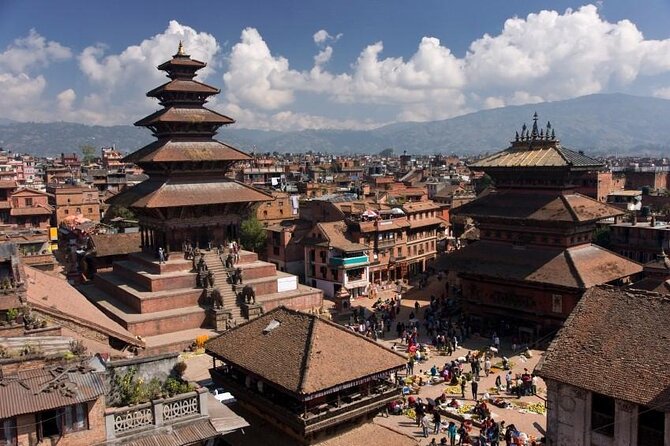
- Bhaktapur Durbar Square plus standout free stops like Nyatapola Temple and the 55 Window Palace
- Patan Durbar Square for Newari architecture and the Malla palace courtyard feel
- A guide-led route that connects temples to how Kathmandu Valley cities were shaped
- Some stops list tickets as not included, so expect extra spending for certain sites
Why this Nagarkot sunrise plan feels smarter than DIY
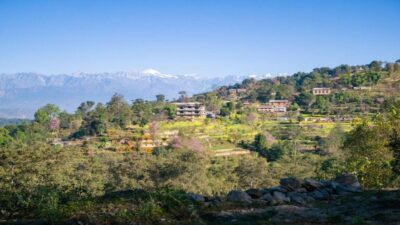
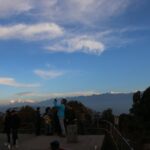
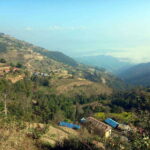
The heart of this day is Nagarkot, a hill station known for sunrise and sunset views. The tricky part is simple: getting there on time. Start too late and you’re watching the sun from town streets. Start early and you can actually enjoy the moment without feeling rushed.
This tour handles the heavy lifting with private vehicle transport from select Kathmandu hotels, plus hotel pickup and drop-off inside Ring Road. That matters because dawn drives in and around Kathmandu can be slow or unpredictable. When you’re aiming for a brief viewing window, “good enough” timing isn’t good enough.
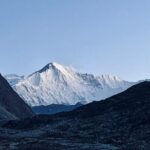
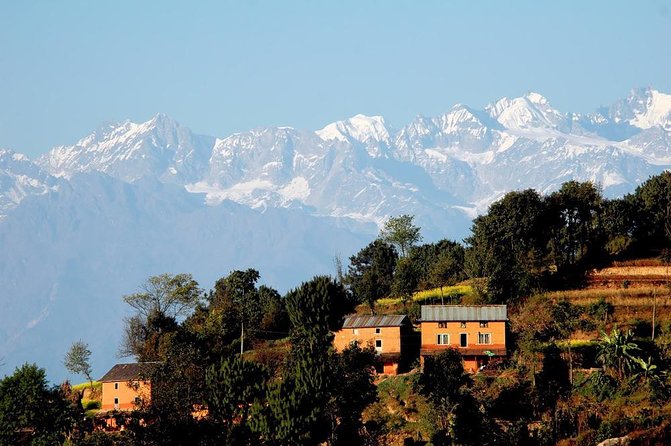
Another big reason I like this setup: the experience is framed around seeing far on clear days. The tour highlights the chance to see all the way to Everest when weather cooperates. Even if you don’t get that exact line of sight, you’re still up for a proper Himalayan-view sunrise rather than a halfhearted attempt.
You can also read our reviews of more tours and experiences in Kathmandu

The 4:00 a.m. reality check: timing, cold, and patience
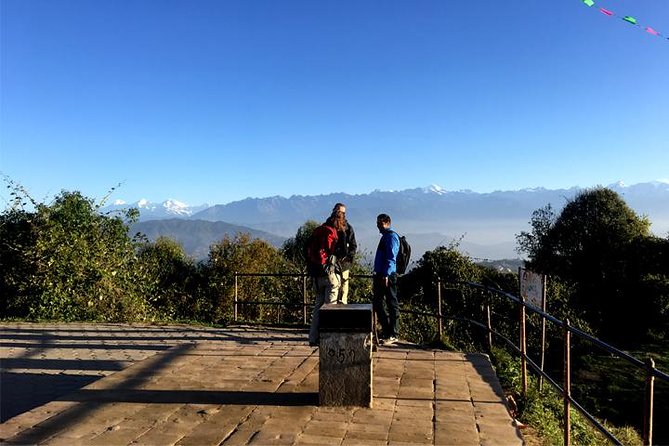
The meeting time is listed at 4:00 a.m., and pickup happens early before dawn. In practice, that means your day starts while most of Kathmandu is still quiet, and your schedule is built for one key moment: the sunrise at Nagarkot View Tower.
That 45-minute stop is short on paper, but it’s exactly the right length for a dawn-view day. At sunrise locations, your “time budget” is everything: too little time and you miss the light shift; too much time and you’re standing around in the cold with no new view.
Also, this experience depends on good weather, which you should treat as part of the bargain. If conditions aren’t right, the tour operator offers either a different date or a full refund. That’s the kind of clarity you want when you’re paying specifically for sunrise.
Bhaktapur Durbar Square: pagodas, palaces, and stone details you’ll notice
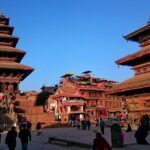
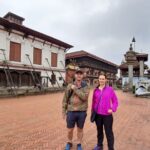
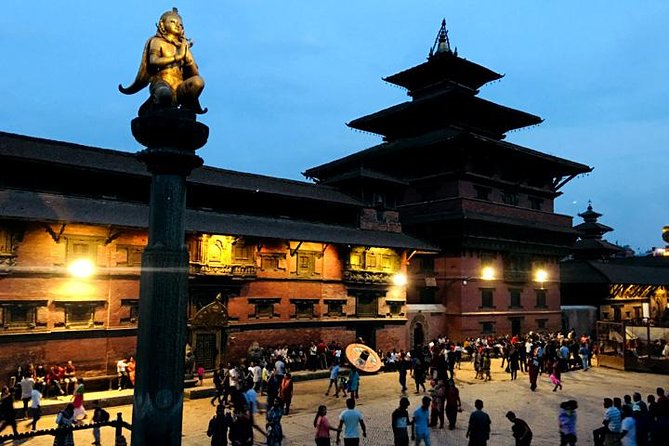
After Nagarkot, the tour heads to Bhaktapur Durbar Square, often called the City of Devotees. This is where the day starts feeling more like a heritage walk and less like a view-chasing exercise.
Bhaktapur is a UNESCO World Heritage Site, and the stop is designed to let you take in a cluster of iconic landmarks rather than just passing through. The square and its surroundings are also a great place to understand Newari craftsmanship, since you’ll see how religious, civic, and royal architecture overlap in the Valley’s old centers.
Nyatapola Temple (free stop)
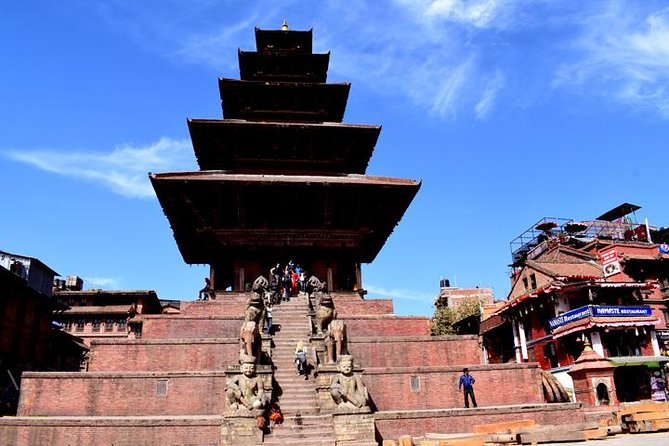
One of the first wow moments is Nyatapola Temple, a pagoda-style temple with five roof levels. It’s described as among the tallest pagodas in the region, and it’s the kind of structure where your eyes keep moving—tier to tier—because the proportions and sculptural work are the whole point.
Dattatreya Temple (free stop)
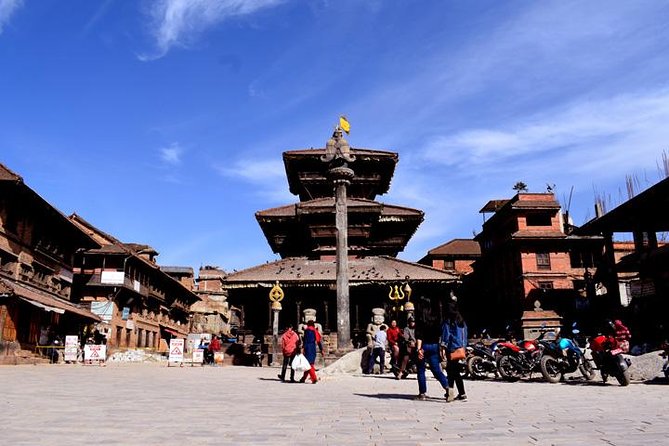
Next is Dattatreya Temple on Dattatreya Square. The tour notes it’s believed to have been aided by a single stem of a single tree. Even if you treat that as a traditional story, it’s a good example of how Bhaktapur’s temples come with meaning beyond function.


The Palace of Fifty-Five Windows (free stop)
Then comes 55 Window Palace. The name is literal: carved wooden windows add up to fifty-five. This is a stop where you’ll feel the difference between “a building you see” and “a building you can read.” Window carvings and layout weren’t decoration for decoration’s sake; they were part of how power and daily life displayed themselves.
Quick add-ons that make Bhaktapur feel lived-in
Two smaller stops help break up the bigger monuments:
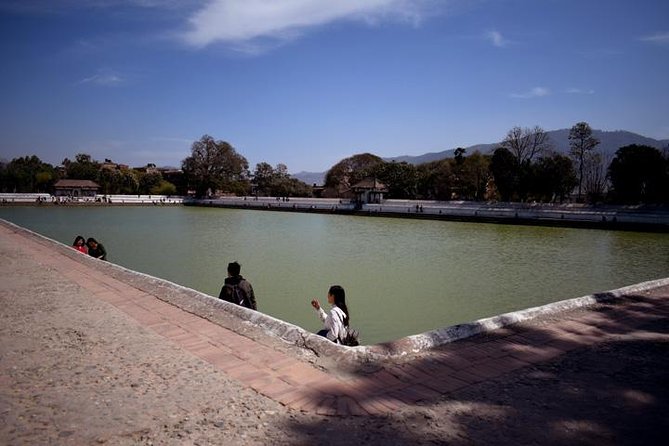
- Siddha Pokhari is a human-made pond near Bhaktapur’s first city gate. It’s listed as 171 meters long and 3 meters deep. This isn’t just pretty water; it’s a way to experience the square’s rhythm, since it’s described as a favorite hangout spot.
- The tour’s pacing keeps many temples in the 10–15 minute range, which works well for a full-day schedule. You get highlights without feeling trapped in one area too long.
A practical note: Bhaktapur Durbar Square itself lists entry as not included, even though several individual temples above are marked free. So I’d budget for entry fees on some segments while expecting certain stops to cost you nothing.
Patan Durbar Square: Newari architecture and the Malla palace mood
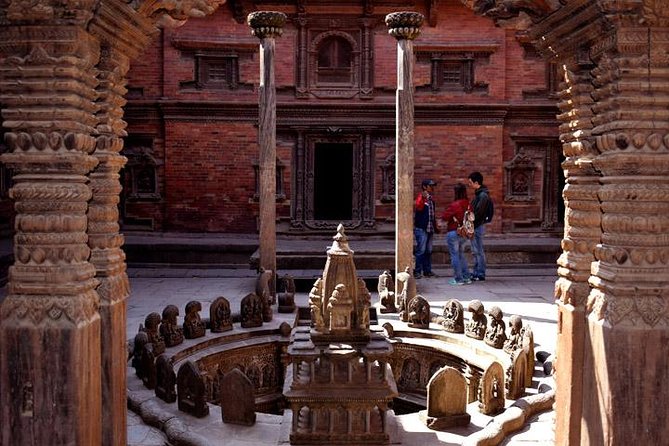
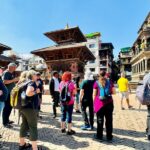
After Bhaktapur, the route shifts to Patan Durbar Square in Lalitpur. Patan’s feel is different. Where Bhaktapur can feel like a dense heritage village, Patan’s Durbar Square leans hard into craftsmanship and the architectural language of the Newar community.
The tour describes the square as the courtyard of the old Malla palace, and that detail helps your brain place what you’re seeing. When you walk through a royal courtyard, temple and civic spaces start making more sense. You’re not just looking at isolated monuments—you’re moving through a planned center of authority and belief.
You also get time for several Patan highlights that focus on stonework and temple forms, which is where Patan really shines.
Stone-built religious artistry: Krishna Temple, Golden Temple, and Krishna Mandir
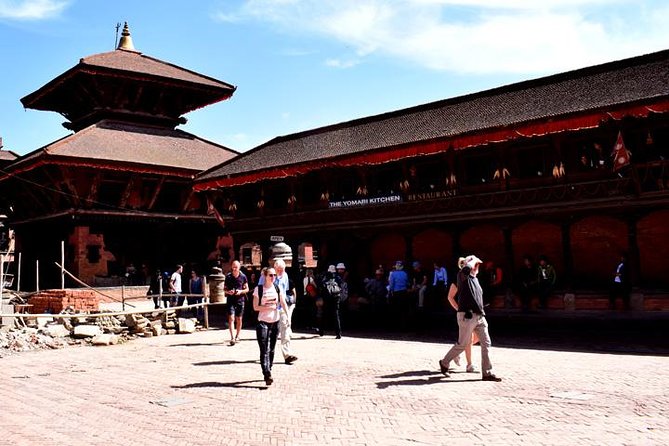
This day isn’t only about squares and broad views. It also includes several temple-focused stops that highlight how Nepalese stone architecture expresses religion.
Krishna Temple (stone artistry, 21 shrines)
One of the standout descriptions is the Krishna Temple, created through stones only. It’s noted as having 21 shrines and extensive carvings. Stops like this work best if you slow your pace and actually look at the structure, since the value is in the repetition and detail across shrines.
Patan Museum (optional-style pacing)
There’s also a Patan Museum stop in Keshav Narayan Chowk, with a chance to study statistics and lifestyle/history related to historical civilization. The museum time is listed as about 30 minutes, which is enough for a quick orientation. If you’re a museum person, this can be a useful bridge between what you’ve seen outside and what the artifacts/context explain.
Golden Temple / Hiranya Varna Mahavihar
Next is the Golden Temple (Hiranya Varna Mahavihar), described as a 12th-century temple. The tour notes silver and gold protected decorations and bronze imagery. You’re not here for a long sit-down; you’re here for a short, high-impact look that adds age and prestige to the temple route.
Krishna Mandir (free stop, Shikhara style)
Finally, there’s Krishna Mandir, described as Shikhara style and built entirely with stones. It’s noted as having three floors beneath 21 golden pinnacles, with Krishna and Shiva associated to different levels. This is one of those stops that can feel surprisingly different from the earlier pagoda-style temple shapes, so it helps break up the visual rhythm.
Value check: is $130 per person fair for what you get?
At $130 per person, this tour is priced as a private, early-morning heritage day with guide support and transport. The value hinges on what you’d otherwise have to manage yourself.
What you get that saves time and hassle:
- Private vehicle transport across multiple heritage areas
- Hotel pickup and drop-off inside Ring Road
- A professional tour guide providing culture and history context
- A sunrise plan that starts at the right time, since Nagarkot needs planning and your own logistics would be harder
What can add cost:
- Food and drinks aren’t included
- Entry fees are listed as about $20–22 per person, and some stops are explicitly marked as not included (like Bhaktapur Durbar Square, Patan Durbar Square, Patan Museum, and Golden Temple)
So is it worth it? If you’d otherwise spend time hiring separate transport, chasing opening times, and arranging dawn timing yourself, then the package price makes sense. If you’re an ultra-independent traveler with your own transportation and you’re already comfortable driving out for sunrise, you might do cheaper. But you’ll also do more work.
One more thing: this is listed as a private tour with only your group participating, with group discounts mentioned. That’s useful if you’re traveling as a small group who can split the cost of a guided day and keep the route efficient.
Comfort and planning tips for a day this long
This is the kind of tour where the biggest success factor isn’t your walking shoes—it’s your prep for an early start and lots of stops.
- Wear layers. The day begins before dawn, and sunrise hilltops can feel colder than city streets.
- Plan to snack outside the schedule. Food and drinks aren’t included, so you’ll want your own water and simple snacks if you’re the type who gets cranky on a schedule.
- Pace your expectations: you’re getting short-but-focused visits across several heritage points. That’s ideal if you like “see a lot, learn a lot” more than slow museum afternoons.
Who should book this tour (and who might skip it)
This is a great fit if you:
- Want a one-day hit of Nagarkot sunrise plus two UNESCO heritage squares
- Prefer a guide-led route rather than piecing together history on the fly
- Appreciate clear timing and door-to-door help, especially with a 4:00 a.m. start
You might skip it if you:
- Only care about one thing (like just sunrise) and would rather keep the rest of the day flexible
- Hate early mornings or long days
- Are looking for a long, slow pace at one site rather than a structured highlight route
Should you book? A simple decision guide
Book this tour if you want the sunrise plan handled and you’re happy with a full day that moves from hilltop views into heritage architecture and temples. The strongest part of the experience is the way it ties together early-morning visibility odds with expert context across Bhaktapur and Patan.
If you’re on a short Kathmandu visit and you want UNESCO stops without the hassle of juggling transport and timing, this is a practical way to pack a lot of meaning into one day.
FAQ
FAQ
What time does the tour start?
The tour meeting/start time is listed as 4:00 a.m., with pickup happening early before dawn.
How long is the tour?
The duration is approximately 10 hours.
Is hotel pickup and drop-off included?
Yes. Hotel pickup and drop-off are included for locations inside the Ring Road.
Is this tour private?
Yes. It’s listed as a private tour/activity, and only your group participates.
What’s included in the price?
Included items are transport by private vehicle, hotel pickup and drop-off (inside Ring Road), and a professional tour guide.
Are food and drinks included?
No. Food and drinks are not included.
Do I need to pay entry fees?
Some stops are free, but entry fees for certain sites are not included (estimated around $20–22 per person).
Does the tour run in bad weather?
This experience requires good weather. If it’s canceled due to poor weather, you’ll be offered a different date or a full refund.
Is there a cancellation deadline?
Yes. Free cancellation is available up to 24 hours in advance of the experience start time.
Are there any limits on who can join?
Most travelers can participate, and service animals are allowed.