REVIEW · KATHMANDU
Kathmandu Heritage & Monuments Sightseeing
Book on Viator →Operated by Walk Mountain Pvt Ltd. · Bookable on Viator
Four sacred sites, one smooth private day. This tour strings together Kathmandu Valley’s big names in a way that feels relaxed, with private round-trip transportation and time to linger as you want. I especially like that it pairs stupa-and-temple stops with a culturally important moment at Kumari, not just a checklist.
One thing to plan for: the vehicle is covered, but entry tickets of monuments and tour guides are not included, and food/drinks aren’t included either. If you’re hoping for everything-for-you convenience, bring a bit of budgeting and flexibility into your day.
In This Review
- Key highlights at a glance
- A private day built around Kathmandu’s most sacred monuments
- Price and logistics: what $147 really means for your day
- Before you go: how the day starts smoothly
- En route in comfort: private transport means real breathing room
- Pashupati Nath: a Hindu temple stop that anchors the morning
- Boudhanath and the big-stupa feeling
- Swoyambhunath: monkey temple energy with room to linger
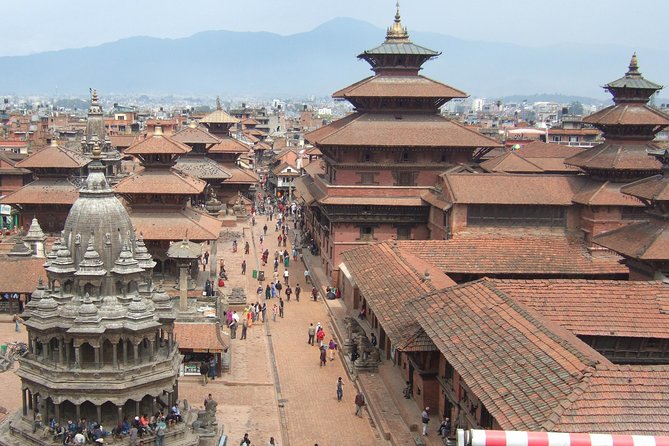
- Patan Durbar Square: architecture you can actually slow down for
- Kumari: the Living Goddess stop, and why it’s more than a photo stop
- How flexible pacing actually helps (and when to use it)
- What’s included vs. what you must bring budget for
- Best fit: who this tour works for
- Should you book Kathmandu Heritage & Monuments Sightseeing?
- FAQ
- How long is the Kathmandu Heritage & Monuments Sightseeing tour?
- Is this tour private or shared?
- What time does the driver pick me up?
- What’s included in the price?
- Are monument entry tickets included?
- Are food and drinks included?
- Do I need a tour guide that’s included in the booking?
- Do you offer hotel drop-off?
- What are the age requirements?
- Can I cancel for a full refund?
Key highlights at a glance
- Private vehicle and driver, so you do not need to rent a car or worry about navigating
- Hotel pickup and drop-off at selected hotels, which cuts out a lot of hassle
- Four major heritage stops: Pashupati Nath, Boudhanath, Swoyambhunath, and Patan Durbar Square
- Kumari included as a key stop in the Patan Durbar Square area
- Flexible pacing, with time to explore at each landmark and take breaks
A private day built around Kathmandu’s most sacred monuments
If your first thought about Kathmandu is temples, stupas, and the feeling that daily life mixes with devotion, this is a strong way to see it. The core idea is simple: one day, a private car and driver, and a route designed around Kathmandu’s most important heritage locations.
You’ll cover the Hindu temple of Pashupati Nath, stupa sights including Boudhanath (described here as the world’s biggest stupa), and Swoyambhunath (the monkey temple). Then you shift to Patan Durbar Square, with its architectural temple setting and the stop for Kumari, known as the Living Goddess and considered important to both religious and cultural life in Nepal.
You can also read our reviews of more historical tours in Kathmandu

Price and logistics: what $147 really means for your day
At $147 for a roughly 6-hour private experience, you’re mostly paying for comfort and control: car with driver, plus fuel and parking charges. That’s the value piece. You’re not spending your day on public transit or trying to coordinate multiple rides across traffic.
The trade-off is that it is not an all-inclusive package. Food and drinks are not included, and you’ll also need to handle monument entry tickets and tour guide fees separately. If you like having a guide explain what you’re seeing, you may want to budget extra, or simply plan to read what’s posted at each site.
Before you go: how the day starts smoothly
This tour is set up to reduce friction, which matters in a city where schedules can wobble. A representative meets you the day before the tour or on tour day at your hotel to explain how the tour will work. Then the driver comes to pick you up by 9:00 am.
Because it’s a private format for just your party, that 9:00 am pickup is more than a time on paper. It helps you start with momentum, so you get meaningful time at the monuments rather than burning the first hour figuring out where to go.
En route in comfort: private transport means real breathing room
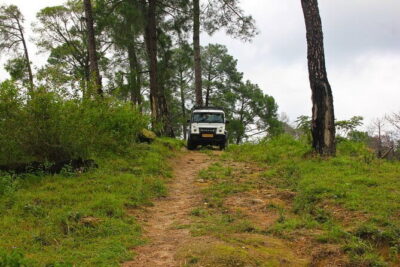
The tour includes private round-trip transportation, which changes the whole feel of sightseeing. You’re not negotiating pickup points, waiting for transfers, or cutting your time short because the next bus or shared ride is leaving.
Practically, it means you can do what you came for: stop, walk in, look around, and come out without stress. The itinerary is flexible for your private party, so you can spend more time at one place if it clicks, and less if it doesn’t.
One more small win: the driver will drop you back at your hotel after the tour finishes, so you do not have to solve the ending.
Pashupati Nath: a Hindu temple stop that anchors the morning
Your day includes the sacred Hindu temple of Pashupati Nath. Even if you’ve visited other temples before, Pashupati Nath tends to land differently because it is a working place of worship, not a sealed museum scene.
What I like about including it early is pacing. Temple areas can ask for patience—crowds, rituals, and people moving with purpose. Starting around the first half of the day often makes it easier to see the place without rushing through it.
A practical consideration: if you prefer quieter viewing moments, give yourself permission to slow down, and let the driver know what pace you want. A calmer rhythm here usually makes the rest of the day feel smoother too.
Boudhanath and the big-stupa feeling
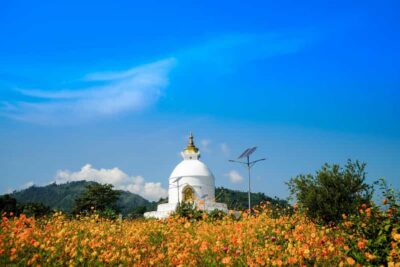
Next up is Boudhanath, described in this tour highlight as the location of the world’s biggest stupa. Stupas are one of those sights where scale matters as much as spirituality. When something is that large, you notice it from different angles and at different distances.
This stop also helps balance your day. You get a shift from temple space into stupa space, and the visual rhythm changes: wider open areas, sweeping sightlines, and a different kind of devotional movement around the monument.
Tip that’s worth its weight: if you’re not used to religious sites, expect that your photos and your behavior matter. Keep your voice down, watch for posted guidance, and take cues from people around you. It’s the fastest way to feel respectful without overthinking it.
Swoyambhunath: monkey temple energy with room to linger
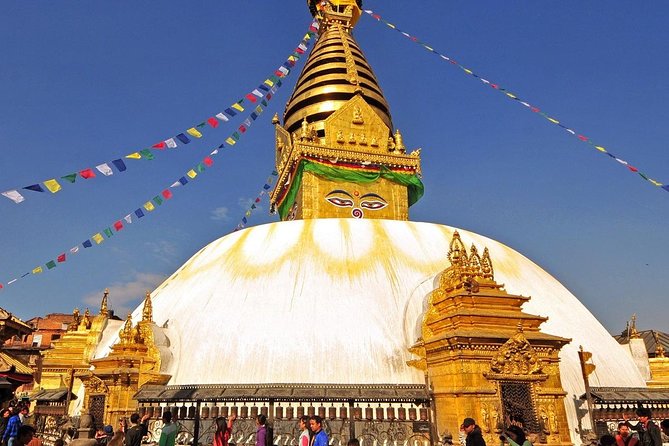
Then you head to Swoyambhunath Stupa, commonly known here as the monkey temple. The nickname tells you the vibe: this is a place people associate with playful wildlife around a sacred structure.
This is another stop where flexible pacing is important. You might want more time simply watching how the area works—how people approach the stupa, how visitors and locals share space, and how the monkey temple atmosphere creates constant motion.
A possible drawback: animal areas can be unpredictable. If you’re traveling with someone who gets uneasy around monkeys, plan your time carefully and keep an eye on the group.
Patan Durbar Square: architecture you can actually slow down for
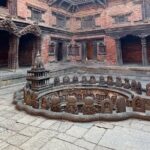
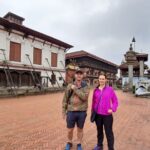
After the stupa and temple stops, your tour moves into Patan Durbar Square, a historic area noted here for its unique architectural temple. Durbar squares tend to reward slow looking: details at pedestrian height, building shapes that make sense once you’re near them, and a square that feels designed for daily life as much as ceremonies.
This is the moment in the route where I think the tour design really makes sense. After big monuments, you shift to a more human-scale area where you can pause, watch, and take in the surrounding structures without needing to cross city distance between stops.
Kumari: the Living Goddess stop, and why it’s more than a photo stop
One of the most important cultural stops on this route is Kumari, described as the Living Goddess in the Patan Durbar Square area. The information here is clear: Kumari holds both religious and cultural importance to Nepalese people.
That matters because it changes how you should approach the stop. This isn’t only about seeing a person or snapping a picture. It’s about understanding that the Kumari tradition is woven into local belief and community identity.
What you’ll want to do is slow down and stay respectful of the flow of people. If you’re traveling with someone who appreciates cultural context, ask your driver what time-based visibility might look like on the day you go. The tour itself gives you room to take your time—use it here.
How flexible pacing actually helps (and when to use it)
This tour isn’t a strict ride-by schedule. It’s designed as a private experience for your party, and you can take as much time as you like at each landmark.
I recommend using that flexibility in a simple way:
- Pick one stop that matters most to you and protect time for it.
- For the other stops, keep enough time to look, but do not force a long linger if the place doesn’t click.
- If you need a break, build it in rather than pushing through and losing energy.
In the reviews connected with this company’s style, guide Khumud was specifically praised for respecting how people felt and stopping for coffee breaks when needed. Even if your guide is not Khumud, the point stands: your comfort matters here.
What’s included vs. what you must bring budget for
Included:
- Hotel pickup and hotel drop-off (selected hotels only)
- Transport by private vehicle
- Fuel surcharge
Not included:
- Food and drinks
- Entry tickets of monuments
- Tour guides
So for your planning, think of it as transportation-plus-time. You’re not paying for entrances. You’re paying for a smooth route with private movement and the ability to spend time where it matters to your group.
If you want the sites to be more than visual impressions, you’ll likely need either to budget for a guide on-site or rely on your own reading and posted explanations at each location.
Best fit: who this tour works for
This tour fits well if you want:
- A private day with no shared-ride pacing
- An efficient route that still gives time to explore
- A heritage-focused plan built around Pashupati Nath, Boudhanath, Swoyambhunath, Patan Durbar Square, and Kumari
It’s also a good choice for people who dislike last-minute logistics. Hotel pickup and drop-off take away the stress of coordinating transport between distant points.
You should consider skipping or changing expectations if your priority is a fully packaged experience with meals and entrances covered. This one is best when you’re comfortable handling monument tickets and timing yourself for food.
Should you book Kathmandu Heritage & Monuments Sightseeing?
Book this tour if you want the value of private transportation and a day organized around Kathmandu’s key sacred landmarks—without feeling rushed. It’s especially worth it if you’re traveling with family or friends and can share the private-car benefit.
Think twice if you need food and ticket costs built into the price. Here, you’ll handle monument entry fees separately, and you’ll need your own plan for meals and drinks. If that’s fine with your group, you’ll likely find the day feels calm, organized, and focused on what you came to see.
FAQ
How long is the Kathmandu Heritage & Monuments Sightseeing tour?
It runs about 6 hours (approx.).
Is this tour private or shared?
It’s private, and only your group participates.
What time does the driver pick me up?
The driver comes to pick you up at your hotel by 9:00 am.
What’s included in the price?
You get hotel pickup, hotel drop-off (selected hotels only), private vehicle transport, and fuel surcharge.
Are monument entry tickets included?
No. Entry tickets of monuments are not included.
Are food and drinks included?
No. Food and drinks are not included.
Do I need a tour guide that’s included in the booking?
No. Tour guides are not included in the tour price.
Do you offer hotel drop-off?
Yes, but only at selected hotels.
What are the age requirements?
The minimum age is 18. Children must be accompanied by an adult.
Can I cancel for a full refund?
Yes. You can cancel up to 24 hours in advance for a full refund.