REVIEW · POKHARA
Nepalese Kitchen in Pokhara: Momos or Dal Bhat Cooking Class
Book on GetYourGuide →Operated by Snow Peak Tours and Travels pvt. ltd. · Bookable on GetYourGuide
Your dinner starts with a rolling momo count. In Pokhara, this hands-on class in a real Nepalese home kitchen lets you work with fresh ingredients and learn from Sarita, not a studio-style setup. You’ll cook either steaming momos or the multi-step comfort food dal bhat, then sit down to eat what you made.
Two things I really liked: the step-by-step guidance (clear enough even if your Nepali is rusty) and the fact that it feels like daily home cooking, right down to the fresh, spice-heavy prep. One possible drawback to consider is that the transfer usually comes by taxi from the Lakeside area, and in one case it didn’t feel totally smooth.
In This Review
- Key highlights you’ll actually care about
- A Pokhara Home Kitchen With Sarita as Your Guide
- Momos or Dal Bhat: What You’ll Learn and Why It Matters
- Momos teach technique and texture
- Dal bhat teaches flavors built in layers
- Getting There: Pickup Near Lakeside Road and a Short Pokhara Stop
- The 3-Hour Class: Chopping, Mixing, Steaming, and Simmering
- Step 1: Meet your host and get oriented
- Step 2: Prep like a home cook
- Step 3: Cook and taste-test as you go
- Step 4: Sit down to the meal you cooked
- What’s Included (And What You’ll Want to Plan For)
- Taking Nepal Home: Recipes, Repeatability, and Real Value
- Who This Cooking Class Fits Best in Your Pokhara Day
- Price and Logistics: Is $28 Worth It?
- Should You Book Nepalese Kitchen in Pokhara?
- FAQ
- How long is the Momos or Dal Bhat cooking class in Pokhara?
- What dishes can I choose to cook?
- Where does pickup and drop-off happen?
- Is transportation included?
- Will I eat what I cook?
- What languages are used during the tour?
- What do I need to bring?
- Is there free cancellation?
Key highlights you’ll actually care about
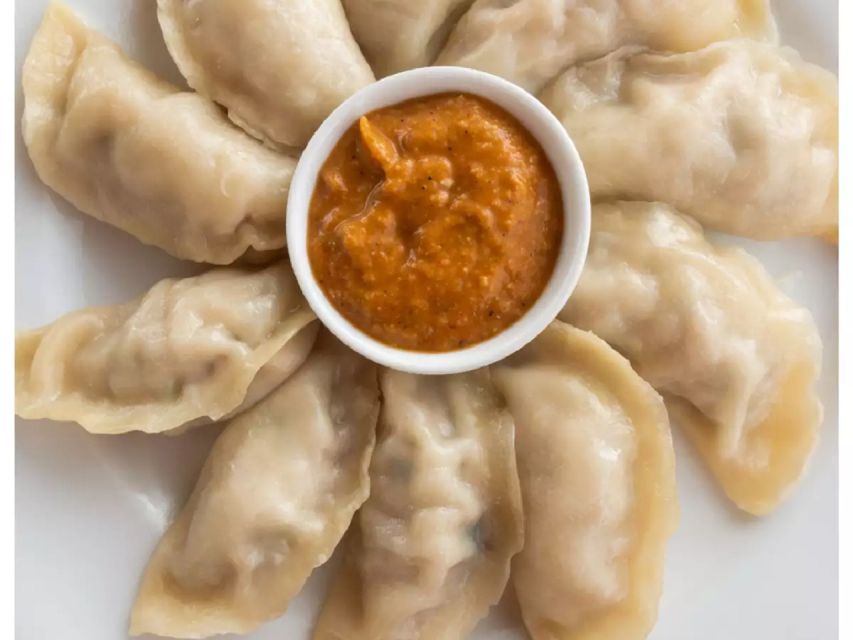
- Real home kitchen experience in Pokhara, not a restaurant demo
- Momos or Dal Bhat cooking, guided step-by-step by Sarita
- Fresh ingredients and spices handled right in front of you
- You eat your work right after cooking, with conversation about food traditions
- Recipe handover in printed or digital form so you can repeat it later
A Pokhara Home Kitchen With Sarita as Your Guide
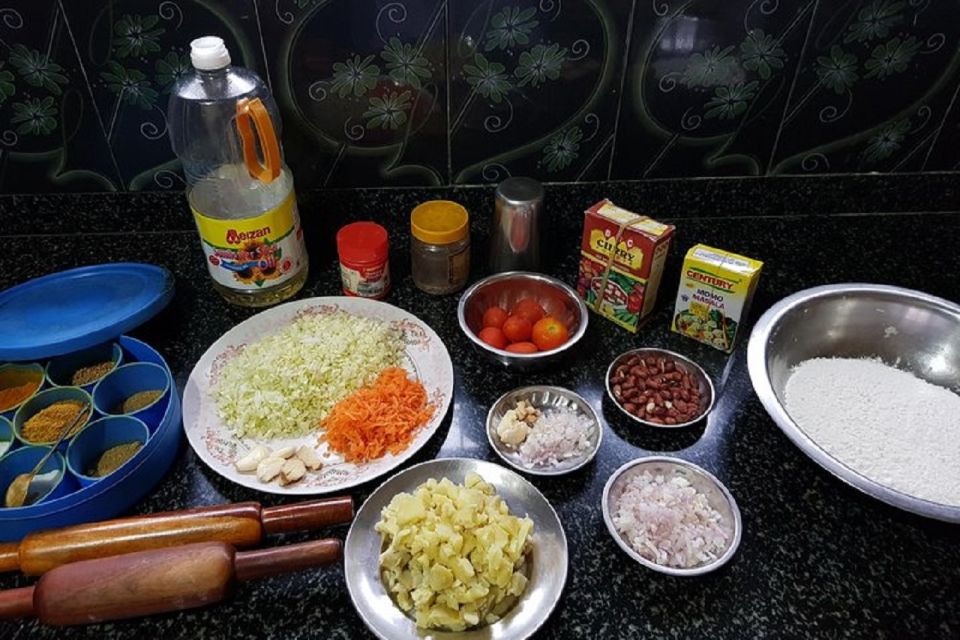
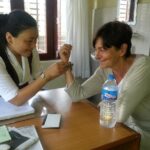
Pokhara has no shortage of food tours, but this one is different because you’re not watching. You’re working at a kitchen pace that makes sense for Nepalese cooking—chop, mix, season, taste, adjust—again and again. The setting matters. A home kitchen changes the mood from show-and-tell to real practice.
Sarita is the key ingredient here. Even when people know only a little Nepali, the instruction can switch to English (with Hindi/Nepali also available). That’s not just convenience; it helps you learn why a spice goes in at a certain moment, not just what to do next.
You also get that “small group” feeling with private booking. In practical terms, that means you’re more likely to get patient correction when your dough or filling looks off. And if you’re the type who likes asking questions—how something should smell, what “balance” tastes like—that’s where this class pays off.
You can also read our reviews of more cooking classes in Pokhara
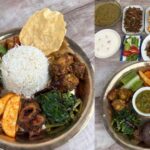
Momos or Dal Bhat: What You’ll Learn and Why It Matters
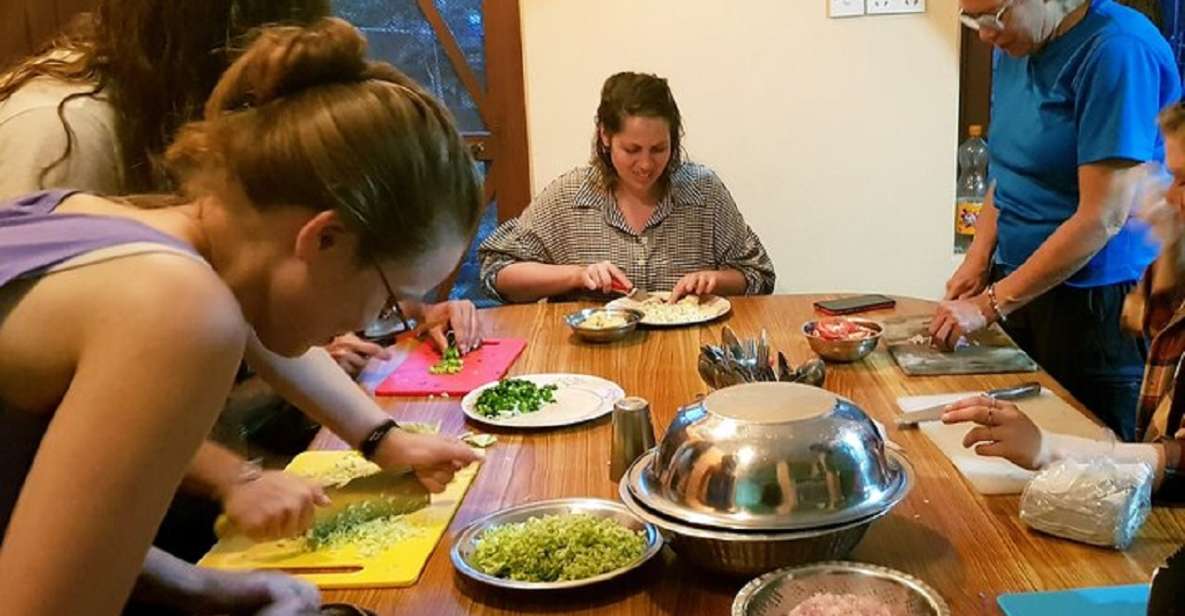
This class gives you a choice: momos or dal bhat. Both are beloved in Nepal, but they teach different skills.
Momos teach technique and texture
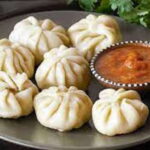
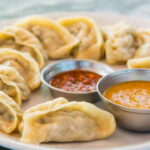
Momos are dumplings, and the work is hands-on: making the dough, preparing the filling, shaping, and cooking. A momo class can get messy in the best way—sticky dough, flour on your hands, and that satisfying moment when the shape actually starts looking like what you intended.
From what I’ve seen in similar classes hosted in this home setting, people often end up making multiple momo variations (like vegetable and cheese). The practical value: once you understand the momo method, you can swap fillings later without starting from zero.
Also, expect to eat a lot. Some guests left talking about how many momos they produced. If you have a tendency to underestimate your appetite, plan for it. And if you like leftovers, bring a container if you can.
Dal bhat teaches flavors built in layers
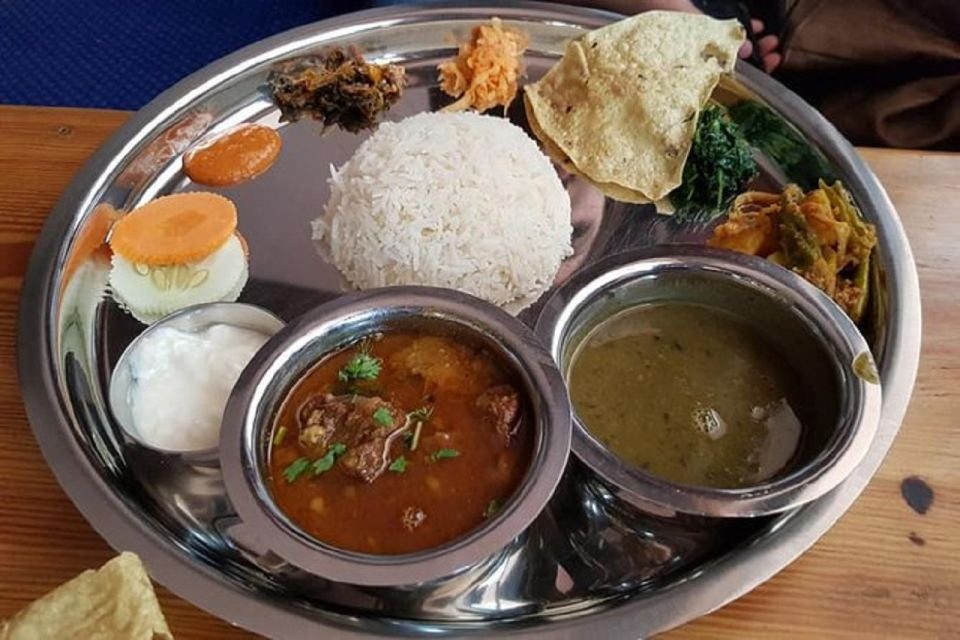
Dal bhat looks simple on a plate, but it’s not a one-pan shortcut. You’ll be dealing with lentils and a set of supporting components that give the meal its character. The payoff is balance: savory dal, satisfying rice, and the side flavors that make the whole thing feel complete.
What stands out is the way you learn traditional spices and techniques used in everyday Nepalese homes. Dal bhat isn’t about fancy tricks—it’s about timing and seasoning discipline. Once you understand the rhythm, you’ll be more confident recreating the flavor at home, even with different ingredients.
Getting There: Pickup Near Lakeside Road and a Short Pokhara Stop
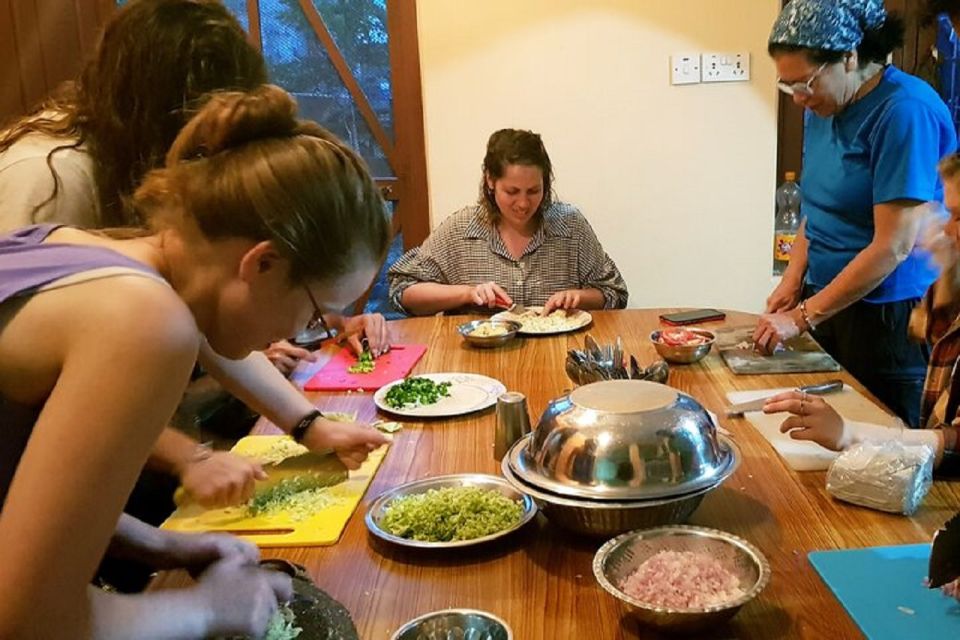
The experience starts in Pokhara’s Lakeside area. You can be picked up from Lakeside Road, Lakeside-6, Pokhara, with round-trip transfer included. That matters because cooking classes are only fun when you’re not fighting logistics on a tight timeline.
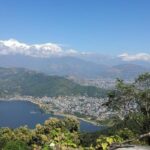
Before you get to the kitchen, the plan includes a photo stop and a guided look at Pokhara, with some free time built in. In my view, that’s a smart way to set the mood without stretching your day. You’re not just being moved from place to place—you’re getting your bearings around the area, then heading to the home kitchen when you’re ready to cook.
Private group also changes the vibe. You’re not herded through check-in with strangers. The pace tends to stay focused on your group, not the schedule of a big bus tour.
One note: the transport is described as highly rated overall, but one past guest flagged that a taxi attempted to pressure them for extra services. If that kind of thing happens in your situation, keep it simple: ask for direct transfer only, and don’t feel you need to justify your choice.
You can also read our reviews of more tours and experiences in Pokhara
The 3-Hour Class: Chopping, Mixing, Steaming, and Simmering
The class runs for about 3 hours. Within that block, you’ll do more than one step—enough to actually learn the flow of Nepalese cooking rather than only perform one task.
Step 1: Meet your host and get oriented
You’ll be welcomed into the kitchen and introduced to local ingredients and spices. This is where the instructor sets you up for success. You learn what goes into the dish and why those ingredients matter. The goal is to help you understand flavor, not memorize instructions.
If your Hindi or Nepali is limited, don’t worry. Sarita and the guide team use English, Hindi, and Nepali, and the guidance is described as clear and patient.
Step 2: Prep like a home cook
Then comes the real work: chopping, mixing, and seasoning alongside your instructor. This is where you build skill fast because you’re doing it in real time.
- For momos, you’ll focus on dough + filling prep and then the shaping stage.
- For dal bhat, you’ll learn how the lentils and supporting elements come together through seasoning steps.
You’ll also be shown traditional techniques, not just shortcuts. That shows up in small things—how you handle spice timing, how you balance salt and heat, and how you know when a filling is ready.
Step 3: Cook and taste-test as you go
Cooking happens while you’re still part of the process. The kitchen setup is a major advantage here. It’s clean and practical, and the ingredients are described as fresh and high quality.
And yes, you’ll taste what you make. That matters more than it sounds. Nepalese cooking is deeply about adjusting as you go. If the food tastes too flat, you learn what to fix.
Step 4: Sit down to the meal you cooked
At the end, you eat the meal you prepared. It’s not rushed. The plan includes friendly conversation about Nepali food traditions and local life, which is one of the best parts of this type of class—food as a bridge, not just a menu.
What’s Included (And What You’ll Want to Plan For)
This experience has clear value because so much is handled for you.
Included:
- Round-trip transfer from the Lakeside area
- Cooking class with a local instructor in a home kitchen
- Fresh ingredients and spices
- Hands-on guidance
- The meal you cook
- Drinking water
- A printed or digital recipe to take home
What you need to plan for:
- You bring personal hunger. Seriously. This meal is a full meal, and momo portions can be surprisingly big.
- Any extra food or drinks are not included.
- You’ll want to dress for kitchen time. Flour and spice are part of the deal.
Also, you’ll need an ID. The requirement is a passport or ID card, with a copy accepted.
Taking Nepal Home: Recipes, Repeatability, and Real Value
The recipe handover is more useful than you’d think. A cooking class is one thing; getting a usable guide later is where the value sticks. You’ll receive instructions in printed or digital form, which past guests have found helpful for remembering the steps.
If you’ve ever tried to cook something after a trip and realized you missed the one timing detail that mattered, this is the fix. Dal bhat and momos both rely on small decisions—how long something cooks, when to season, and how to balance the mix.
A practical tip: if you want to replicate the dish at home, focus less on identical ingredients and more on the method you learn. The spices might be branded differently, but the technique—how you build flavor—translates.
And since this is a private group experience, you’re more likely to get direct answers to your questions. That’s important if you want to recreate the flavor at home instead of just eating it once.
Who This Cooking Class Fits Best in Your Pokhara Day
This is ideal if you want something calm, hands-on, and genuinely local. It’s not for you if you mainly want big sightseeing stamps and lots of photos.
You’ll probably love it if:
- You like cooking and don’t mind getting your hands involved
- You want a Nepalese home-kitchen view rather than a restaurant performance
- You’re traveling with a partner or small group and prefer a focused experience
- You want a skill you can repeat at home, not just a meal you’ll forget later
It also works well as a break from nonstop outdoor activities. Pokhara is about lakes, hikes, and views. This gives you a different kind of memory—one you can taste and recreate.
Price and Logistics: Is $28 Worth It?
At $28 per person for roughly 3 hours, the value is strong when you compare it to the total package: transport from Lakeside, fresh ingredients, instruction, and the meal. You’re not just paying for food. You’re paying for teaching time and the supplies used to make your dish.
The only reason this might feel expensive to someone is if they expect a casual snack-making session. This is closer to real practice. You should leave full, with recipes you can actually use.
Logistics are mostly handled: pickup and drop-off from Lakeside Road area, plus transfer included. Just keep an eye on the taxi situation. It’s usually smooth, but one guest felt pressure for extra services, so stay firm about what you want.
Should You Book Nepalese Kitchen in Pokhara?
If you’re choosing between another tour-with-a-meal and a class where you learn a real skill, I’d book this. The experience is built around home cooking, not a staged show. You get hands-on work, a finished dish, and a recipe you can bring home without guessing.
Book it especially if:
- You want momos or dal bhat beyond the restaurant version
- You care about learning spice technique and step-by-step process
- You prefer small, private interaction with a patient instructor like Sarita
Skip it only if you want heavy sightseeing or you’re short on time and can’t fit a 3-hour hands-on block into your day.
FAQ
How long is the Momos or Dal Bhat cooking class in Pokhara?
The cooking class lasts about 3 hours.
What dishes can I choose to cook?
You can cook either Momos or Dal Bhat, depending on what the class option offers for your booking.
Where does pickup and drop-off happen?
Pickup and drop-off are from the Lakeside Road, Lakeside-6, Pokhara area.
Is transportation included?
Yes. The experience includes round-trip transfer from the Pokhara Lakeside area.
Will I eat what I cook?
Yes. You’ll enjoy the meal you prepare during the class.
What languages are used during the tour?
The live tour guide supports English, Hindi, and Nepali.
What do I need to bring?
Bring a passport or ID card. A copy is accepted.
Is there free cancellation?
Yes. You can cancel up to 24 hours in advance for a full refund.