REVIEW · KATHMANDU
Katmandu: Pashupatinath Open Cremation & Evening Aarati
Book on GetYourGuide →Operated by Holyland Adventure Tours and Travels Pvt Ltd · Bookable on GetYourGuide
Pashupatinath hits you in the gut, fast. You’ll see open cremation rituals at Arya Ghat by the Bagmati River, and later you’ll watch the Pashupatinath Aarati for Lord Shiva with chants, music, and oil lamps as night falls. I love how close the experience feels to the real rhythms of belief here, and I love how the evening ceremony turns the whole area into a living spiritual stage. The one drawback? This is a religious practice that can feel disturbing and is not for everyone—especially if you’re sensitive to death scenes or you don’t want to walk outdoors.
This is also the kind of Kathmandu activity that works best when you go in ready to observe instead of trying to “fix” your feelings. You’re on a private setup with pickup in a private air-conditioned vehicle, and the timeline stays tight: you head to Pashupatinath, then you wait for the Aarati viewing window before returning to your hotel. I like that it’s only about 3 hours, which means you can still plan an easy second half of your day.
Before you book, know two practical points. First, you’ll walk to the cremation area and you should wear modest clothes and comfortable shoes. Second, this tour isn’t suitable for kids under 9 or for people with mobility issues or back problems, since the route includes uneven outdoor walking.
In This Review
- Key moments you’ll actually feel
- Pashupatinath at dusk: why the Bagmati rituals feel different
- Price and logistics: paying $27 for a tight, private night
- Pickup to Arya Ghat: the route that sets your mindset
- Arya Ghat open cremation: what to watch for, and how to act
- The Pashupatinath Aarati at night: 6:00–6:30 PM and why it matters
- Do you get a real guide or just a driver?
- What to wear, bring, and plan for outdoors
- Who should book this tour, and who should skip it
- Should you book this Kathmandu Pashupatinath cremation and evening Aarati?
- FAQ
- How long is the Pashupatinath open cremation and evening Aarati tour?
- What’s included in the $27 price?
- Do I need to buy entry tickets?
- What time should I arrive for the Aarati viewing?
- Is pickup included, and how does it work?
- What should I wear and bring?
- Is this tour suitable for kids or people with mobility issues?
- Is there a tour guide during the experience?
Key moments you’ll actually feel
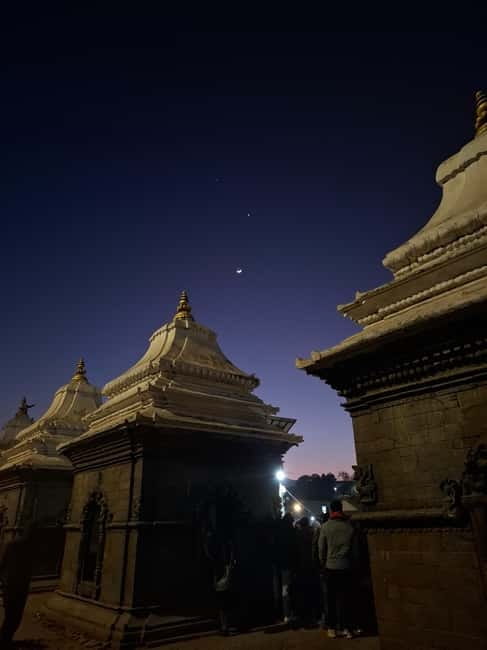
- Open cremation at Arya Ghat on the Bagmati River, with a solemn atmosphere that doesn’t feel staged.
- Aarati timing: arrive by 5:30 PM so you can get a good spot before the 6:00–6:30 PM start.
- Lord Shiva focus: chants, music, and oil-lamp glow during the main worship ritual.
- Life and death in one frame: cremation rites continue in the background while worship ramps up in the evening.
- Modest dress + comfort matter: outdoor conditions and walking are part of the deal.
Pashupatinath at dusk: why the Bagmati rituals feel different
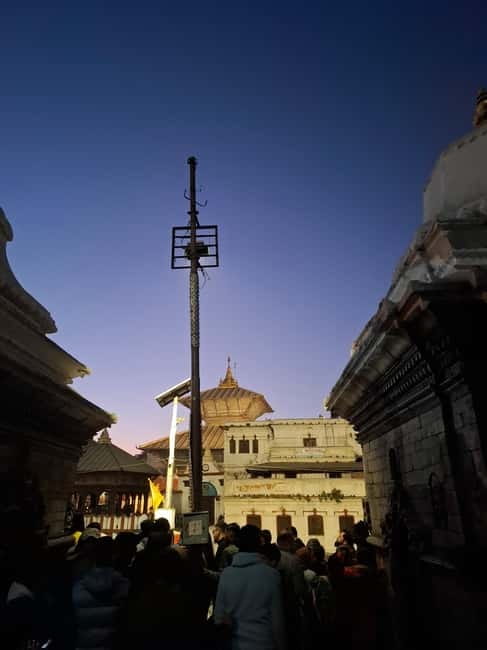
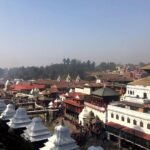
The Bagmati River area around Pashupatinath is one of those places where religion isn’t just something on the wall. It’s in motion—people arriving, rituals being performed, and the air changing as evening settles in. I find that the shift from late afternoon light to night changes what you notice: in daylight you take in the setting and flow of people, and when it gets dark the oil lamps and chants become the main event.
What makes this experience meaningful is the pairing. You don’t just watch an Aarati and leave; you also see how the cremation rites connect to the spiritual idea of moksha (liberation). That link—life, death, and devotion—sits right in front of you, not in a lecture.
Still, keep your expectations grounded. This isn’t entertainment and it isn’t about photographing a “cool scene.” If you’re easily upset by death rituals, you may want to skip this and choose a different temple or cultural program that doesn’t involve open cremations.
You can also read our reviews of more evening experiences in Kathmandu



Price and logistics: paying $27 for a tight, private night
At around $27 per person for roughly 3 hours, the value is mostly about convenience plus access to timing. You get pickup and drop-off, and you ride in a private air-conditioned vehicle. That matters here because Pashupatinath is a busy, outdoor-focused place where arriving at the right time helps a lot.
But there are trade-offs in the package. Entry tickets are not included, and meals aren’t included, so plan to handle those separately. Also, a full formal tour guide isn’t part of the standard inclusion—your driver may assist, and in some cases you may get someone who can explain what you’re seeing in clear English (for example, Bhum Raj Tiwari comes up in real-world experiences as an excellent explainer).
If you want a guided, narrative-style experience with a dedicated specialist, you may find this package feels more like: transport + smart timing + on-site assistance.
Pickup to Arya Ghat: the route that sets your mindset
The tour starts with pickup from your Kathmandu location. The driver comes within a 15-minute window of the scheduled time, and you’ll be asked to wait at the main entrance or lobby of your accommodation (or a clearly visible spot). Before you head out, there’s a short briefing on do’s and don’ts—use it. In a sacred space like Pashupatinath, small mistakes can quickly become disrespect.
Once you arrive, you drop at the main entrance of the temple complex and then walk toward Arya Ghat, the open cremation area. This is where the tone changes. You’re no longer in a normal tourist flow; you’re entering a working ritual space. Move steadily, keep your eyes on what’s happening, and avoid treating it like a sightseeing stop.
Arya Ghat open cremation: what to watch for, and how to act
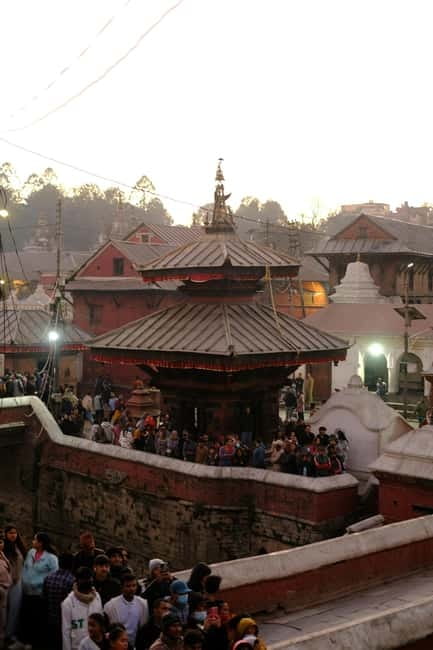
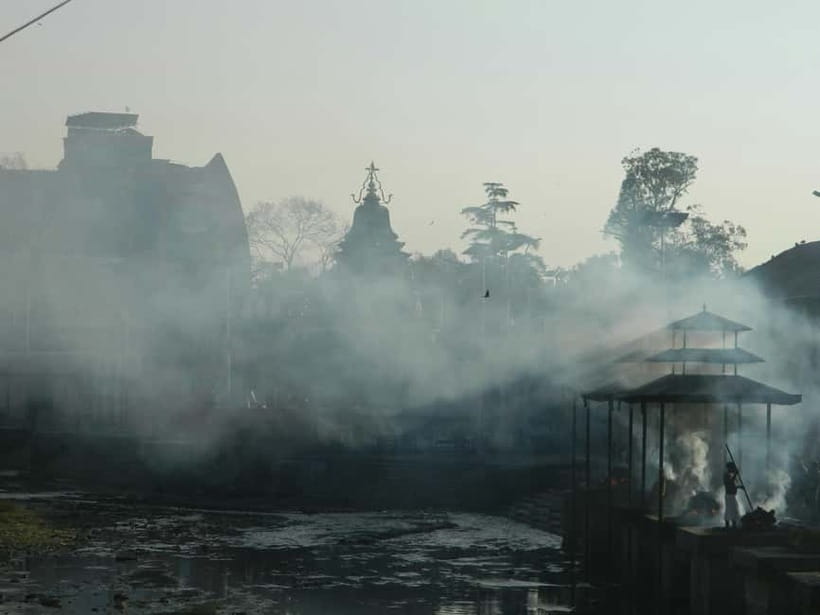
This part is the reason many people come—and it’s also the part that can feel hardest. You’ll observe Hindu funeral rites along the Bagmati River, and you’ll hear the spiritual belief that cremation here is tied to moksha (liberation). Even if you don’t fully understand the theology, the structure and seriousness of the rites are visible.
I suggest you approach this section with a respectful “observer’s lens.” Look for patterns: how people gather, how space is organized, and how the mood stays solemn even when crowds move around. If you came expecting a single quiet scene, you might be surprised. This is a place that works continuously during ritual times, and it can feel intense.
Two practical tips help a lot:
- Wear shoes you can walk in without worrying. You’ll be moving outdoors to reach the cremation site.
- Keep your camera use under control. If you’re unsure what’s allowed, start by not filming or photographing, and only follow what others are doing.
And if you’re thinking about who should go: the tour is specifically not suitable for wheelchair users or people with mobility impairments, and it’s also not a good fit for those with pre-existing medical conditions or back problems.
The Pashupatinath Aarati at night: 6:00–6:30 PM and why it matters
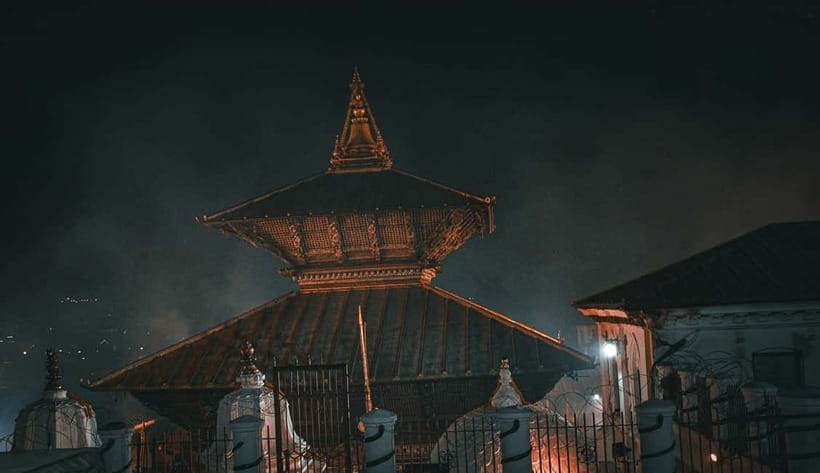
Evening changes the entire experience. After you’ve seen the cremation rituals, you reposition to the Aarati viewing area and wait for the main ceremony. The key timing is that you should be there by 5:30 PM to secure a good viewing spot. The Aarati itself starts between 6:00 and 6:30 PM, so you’re building in a buffer for crowd movement.
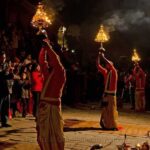
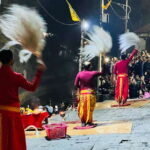
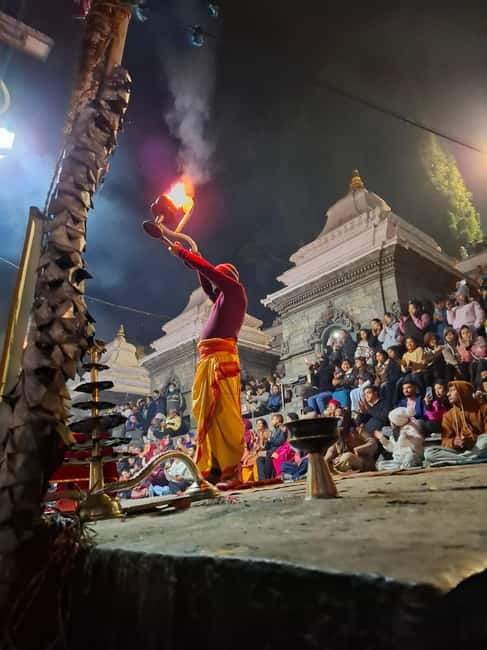
Once the Aarati begins, expect chants, rhythmic singing, and the glow of oil lamps. This is the moment where the site’s spiritual energy becomes very obvious. People focus, voices rise, and the ceremony creates a kind of shared attention. Even if you don’t speak the language, you can feel the rhythm and intent.
What I like most is the “life and death in the same frame” effect. Cremation rites may continue in the background while the worship ceremony intensifies. That contrast is uncomfortable for some, but it’s also the point: this place doesn’t separate sacred grief from devotion. It holds both at once.





Do you get a real guide or just a driver?
Your inclusions are a private driver, drinking water, and pickup/drop-off. A dedicated tour guide isn’t included, and that means you should treat the vehicle operator as your main point of help on questions.
That said, you may get more than just logistical help. In real-world experiences from this kind of tour setup, some drivers have strong English and can explain why Hindus do what they do at Pashupatinath. One name that stands out in practical accounts is Bhum Raj Tiwari—people describe him as capable of explaining the meaning clearly enough for Europeans to follow the religious logic.
If you end up with a driver who can’t explain much, you’ll still be okay if you come with a basic question list. Ask things like:
- What’s the meaning of moksha in this context?
- What is the Aarati honoring during the ceremony?
- Is there anything I should avoid doing during the rituals?
Even a short answer before you enter can change how you interpret what you’re seeing.
What to wear, bring, and plan for outdoors
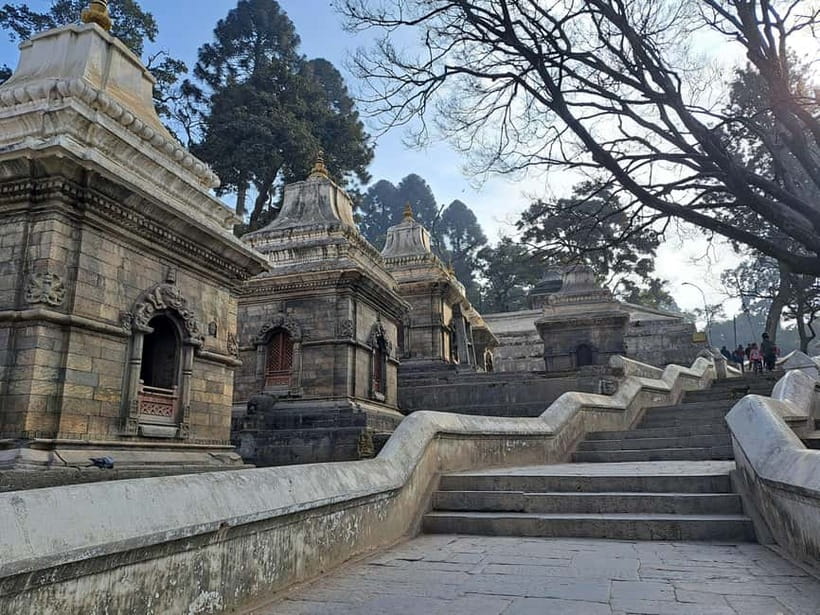
This is an outdoor-heavy experience with walking to the cremation area. Pack for comfort first, then modesty.
What to bring
- Passport or ID card
- Comfortable shoes
- Cash
- Camera (if you want photos)
- A light jacket if the weather turns cool
What to wear
Modest clothing is recommended because Pashupatinath is a religious site. Keep it simple: long pants or a covered outfit, and a top you don’t feel exposed in. If you’re unsure, dress like you’re visiting a conservative temple, not like you’re dressing for a night out.
Also plan for the sensory side. The setting is solemn and close. If you have asthma, smell sensitivity, or any medical concern that could flare with smoke outdoors, take that seriously. This tour may not be suitable for people with pre-existing medical conditions.
Who should book this tour, and who should skip it
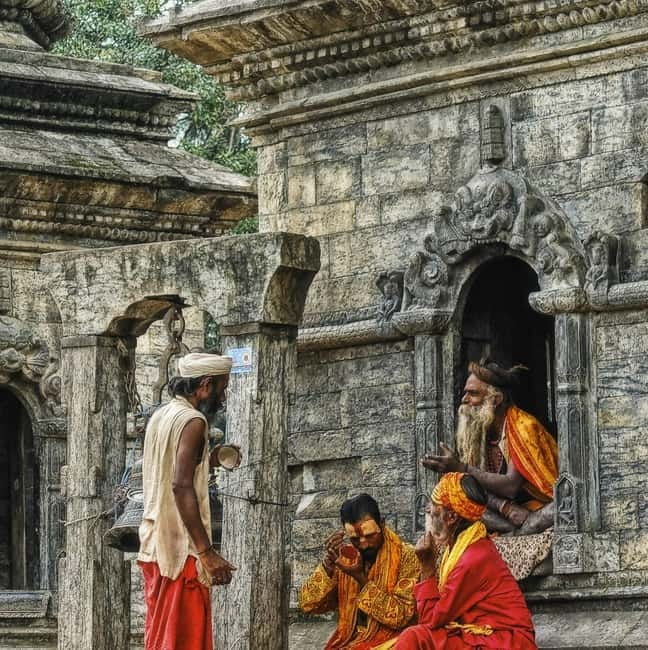
This is one of those experiences that fits specific travelers.
You’ll probably love it if you:
- Want a deep cultural night experience focused on Hindu ritual practice
- Are okay with watching serious religious ceremonies in an authentic setting
- Enjoy learning through observation, not through staged performances
- Are traveling in a private setup and want a simple schedule with pickup
You should skip it if you:
- Are traveling with children under 9
- Have mobility issues, back problems, or any limitations that make outdoor walking difficult
- Use a wheelchair
- Know in advance you’ll struggle with death-related rituals in close view
A key point: the tour includes walking to Arya Ghat. Even if your mobility is “mostly fine,” uneven areas and crowds can make it harder than you expect.
Should you book this Kathmandu Pashupatinath cremation and evening Aarati?
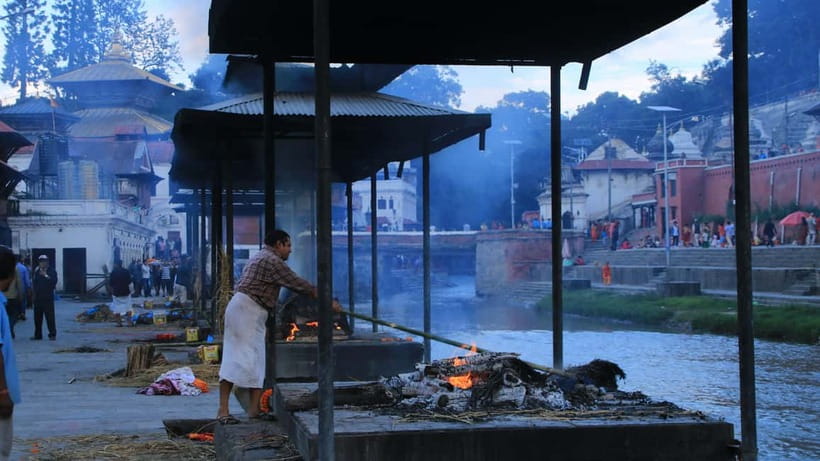
Book it if you want the real center of gravity of Kathmandu spirituality—open cremation rites by the Bagmati River followed by Lord Shiva worship with oil lamps and chants, timed for the 6:00–6:30 PM Aarati. The value is strong for the convenience: private air-conditioned transport, pickup and drop-off, and a clear plan built around when you need to be in place.
Don’t book it if you’re looking for a light, family-friendly night out or if you’re uncomfortable with death rituals. Also think carefully about your ability to walk and stand outdoors.
My practical final take: if you’re emotionally steady and you dress modestly with comfortable shoes, this tour can give you one of the most memorable nights in Kathmandu—not because it’s dramatic for tourists, but because it shows how belief, grief, and worship coexist in the same sacred space.
FAQ
How long is the Pashupatinath open cremation and evening Aarati tour?
The duration is about 3 hours, with timing that can run about 3–4 hours depending on your pickup location and traffic.
What’s included in the $27 price?
You get an experienced driver, drinking water, and pickup and drop-off. Entry tickets, meals, and a dedicated tour guide are not included.
Do I need to buy entry tickets?
Entry tickets are not included, so you should plan for that cost separately.
What time should I arrive for the Aarati viewing?
You should plan to arrive by 5:30 PM for the best viewing spot, since the ceremony starts around 6:00 PM to 6:30 PM.
Is pickup included, and how does it work?
Yes, pickup and drop-off are included. The driver will arrive within a 15-minute window of the scheduled time, and you’ll wait at the main entrance or lobby of your accommodation (or a clearly visible place).
What should I wear and bring?
Wear modest clothing, and bring comfortable shoes since you walk toward Arya Ghat. It also helps to bring a passport or ID card, cash, and a camera if you want photos.
Is this tour suitable for kids or people with mobility issues?
No. It’s not suitable for children under 9, wheelchair users, people with mobility impairments, or people with back problems or pre-existing medical conditions.
Is there a tour guide during the experience?
A dedicated tour guide isn’t included. Your driver provides assistance, and they may help with basic explanations while you’re on site.