REVIEW · KATHMANDU
Langtang Valley Trek
Book on Viator →Operated by Mosaic Adventure · Bookable on Viator
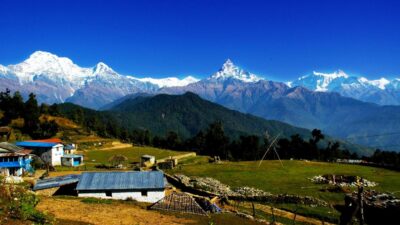
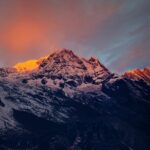
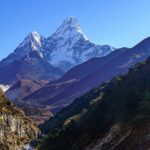
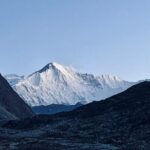
Langtang Valley feels worlds away from Kathmandu. This trek heads north into a quiet corner of Nepal where thick forests, river gorges, and big peaks make every day feel earned. You’ll hike through villages and farmland, then aim for Kyanjin Gompa with the dominant Langtang Lirung skyline.
I love two things most about this plan: the included logistics (bus transfers and teahouse meals) that keep your focus on walking, and the optional day hikes that let you choose how high and how hard you want to go. If you’re the type who likes options, Kyanjin Ri or Tsergo Ri is a nice way to steer the day.
One consideration: the trek gets high enough that altitude can be a factor. You can top out at 4,984m on Tsergo Ri, and even with guides watching you closely, you should go steady and tell your team early if you feel off.
In This Review
- Key things that make this Langtang trek worth your time
- Getting to Syabrubesi: the long ride that sets the tone
- From Lama Hotel to Langtang Village: forests, rivers, and steady gains
- Kyanjin Gompa: the monastery stop that turns the hike into a story
- Kyanjin Ri vs Tsergo Ri: pick your height, pick your day
- Walking back to Lama Hotel: pines, wildlife odds, and giant beehives
- Down to Syabrubesi and a Kathmandu reset in Thamel
- Price and value: what $560 covers, and what you still need to plan
- Mosaic Adventure support, guide names, and the small-group feel
- FAQ
- How long is the Langtang Valley Trek?
- What time does the trek start, and how do you get to Syabrubesi?
- What elevations does the trek reach?
- What’s included in the $560 price?
- What is not included?
- How big are the groups?
- What kind of fitness level do I need?
- Can I choose between Kyanjin Ri and Tsergo Ri?
- What is the cancellation timeline for a full refund?
Key things that make this Langtang trek worth your time
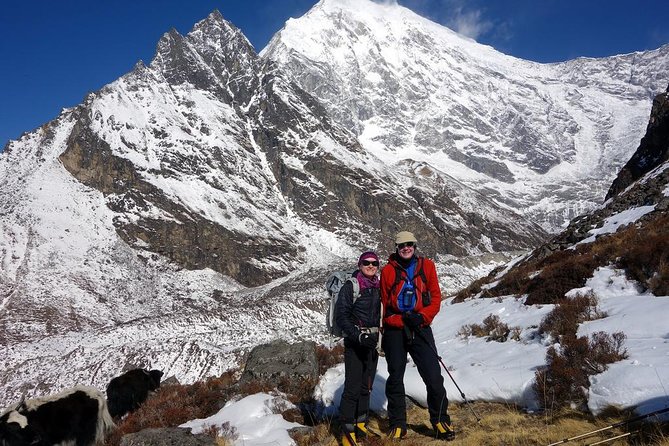
- Small group size (max 12) keeps the vibe manageable on narrow paths and in teahouses.
- Kyanjin Gompa gives you the famous monastery payoff without forcing you into the toughest altitude game.
- Two ridge choices: Kyanjin Ri for a shorter summit push, or Tsergo Ri for a longer, higher day.
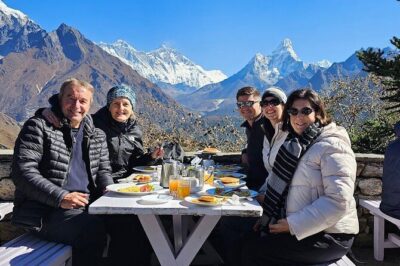
- Teahouse stay with meals included means less daily decision-making and more time on trail.
- Porter support (one between 2 participants) helps you hike longer with less strain.
Getting to Syabrubesi: the long ride that sets the tone
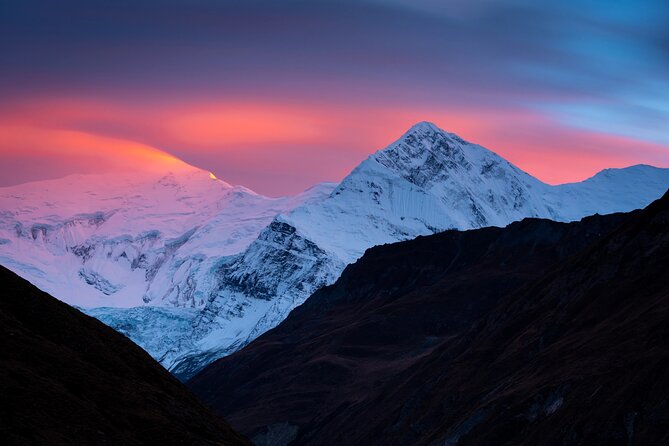
The adventure starts with a very early 6:45am start, then a local bus ride from Kathmandu to Syabrubesi that takes about 7 hours (traffic can change the timing). On a day like this, the bus matters because it’s your first reality check: Nepal roads are part of the journey.
What you’ll like here is the countryside you pass along the way. You get an early feel for how the terrain changes as you move away from the city and toward the mountains. And since pickup is offered, it’s easier to begin without hunting for local transport.
Packing tip for this bus day: keep your trekking basics accessible. You’ll want water (you’ll need to buy extra on your own since beverages aren’t included), sun protection, and something warm in the morning. Even if the day starts clear, you’re heading toward higher elevations where the air turns colder fast.
You can also read our reviews of more hiking tours in Kathmandu
From Lama Hotel to Langtang Village: forests, rivers, and steady gains
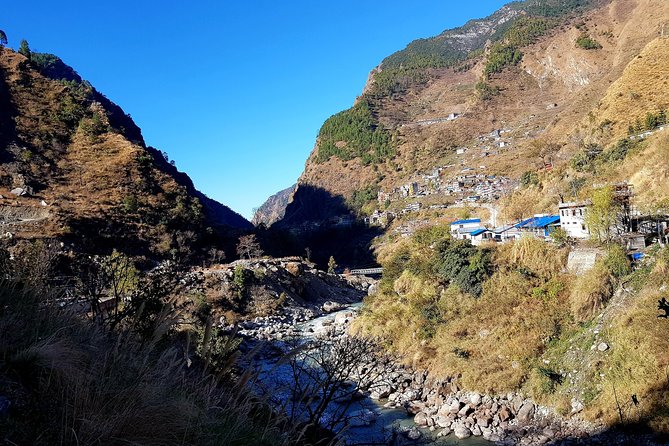
You begin trekking on Day 2 with an easy-to-moderate day, aiming for Lama Hotel at about 2,500m. Expect a mix of gentle inclines, well-defined paths, and riverbank walking through forest tracks. The route style is practical: you’re not fighting constant steep grades, but you are moving long enough to feel the rhythm build.
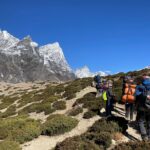
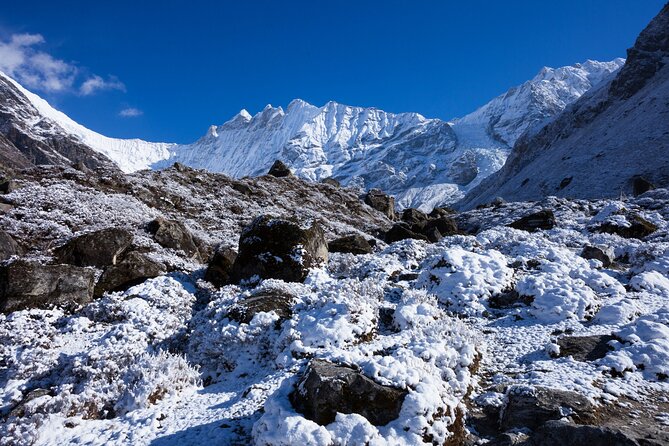
Day 3 pushes you to Langtang Village at about 3,430m after roughly 6.5 hours. This stretch is known for forest and riverside sections plus grassy meadows along the way, with views opening up toward Mount Langtang Lirung. The air at this height feels different, and the walking changes from just endurance into pure attention—watching footing on uneven ground, then looking up when the valley frames a peak.
Why this part is so valuable: it’s where Langtang’s character shows up. You’re not just going higher—you’re moving through rhododendron and oak-type forest zones and passing traditional village life on the valley floor. If you like authentic, lived-in trekking routes (not just stone steps and souvenir stops), this is your section.
Kyanjin Gompa: the monastery stop that turns the hike into a story
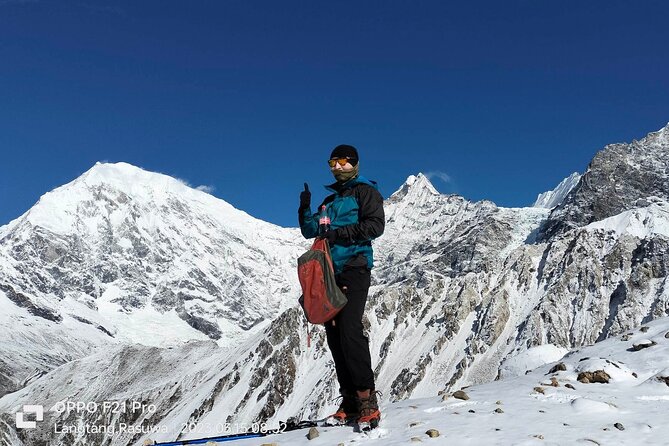
After a moderate walk of about 5 hours, you reach Kyanjin Gompa, a well-known monastery area in the Langtang region. The route is described as farmland, bridges, and gentle ascents, with views that can include Langshisha and Langtang Lirun.
This stop matters because Gompa isn’t just a building. It’s a cultural waypoint. You’ll feel the shift from “moving through” to “arriving,” where the trail connects you to the daily rhythm of the region. And because you’re hiking through bridges and farmland first, it doesn’t feel like a sudden jump into high-mountain scenery—it’s more gradual and human.
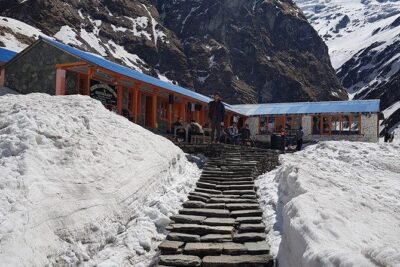
One small reality check: monastery areas and teahouses at this altitude are typically basic. In this trek style, that’s normal. You’re trading comfort for closeness to the mountains, and the payoff tends to be worth it when you keep expectations realistic.
Kyanjin Ri vs Tsergo Ri: pick your height, pick your day
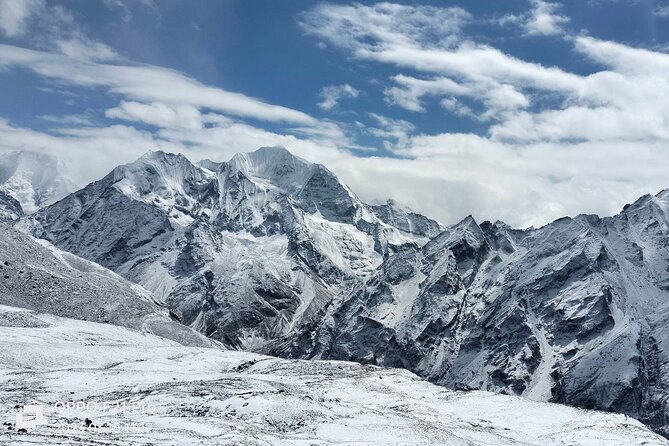
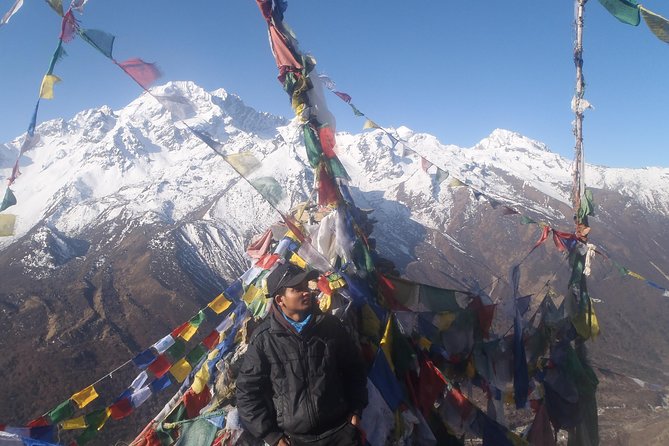
Day 5 is flexible, and I like that. You can choose a day trip to Kyanjin Ri (4,773m) for about a 3-hour round trip, or go for Tsergo Ri (4,984m) with a longer 7–8 hour round trip.
Here’s how to decide without overthinking it:
- If you want maximum views for the least time and strain, Kyanjin Ri is the practical choice.
- If you want a longer push and you’re feeling good with your altitude acclimation, Tsergo Ri gives you the bigger height number and more hiking time.
Even if your plan is one of the two, go with the condition of your body that morning. Your guide and porter pacing is what keeps this trek enjoyable. In past trips with this operator, guides have been praised for staying attentive and flexible—for example, Madan was noted for helping someone who was feeling altitude sickness during the hike—so speak up early if you need a slower tempo.
Walking back to Lama Hotel: pines, wildlife odds, and giant beehives
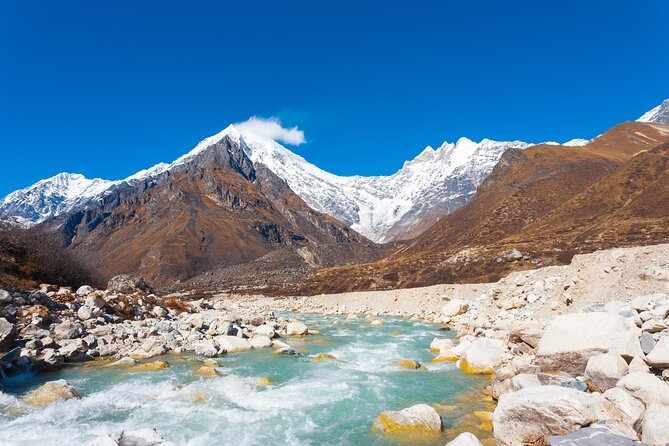
On Day 6, you trace back toward Lama Hotel, walking about 6 hours on riverbank and forest trails. This reverse day is still active, but it feels different. Once you’ve passed the key turning points, the trail becomes familiar enough that you can enjoy the small things again.
A big plus here is the pine-forest air and the wildlife possibility. The region is described as home to animals such as wild boar, Himalayan black bears, ghoral, grey langur monkeys, and even the endangered red panda. You might not see any of them, but you’ll walk through a setting where the odds feel real—especially when the forest thickens.
There’s also a specific detail worth noting: the trail description mentions giant beehives. That’s the kind of roadside-to-trail detail that makes a trekking day feel like more than mileage.
Down to Syabrubesi and a Kathmandu reset in Thamel
Day 7 drops you back to Syabrubesi, following well-defined paths with a mix of gentle descents and some steeper sections. Expect your legs to feel the difference: going down is hard on knees, and this is where good trekking rhythm matters. It’s also the day that tends to feel the longest because you’re tired, even if the path is clear.
Then Day 8 is your payoff day: another local bus ride back to Kathmandu, time for a hot shower, and a relaxed evening around Thamel. If you want the full recovery feel, the plan includes a suggestion for a massage in the Thamel area, which is a classic move after days on the trail.
This end matters more than it sounds. Trekking is physical, but it’s also mental. A proper reset helps you process the trip instead of just crashing.
Price and value: what $560 covers, and what you still need to plan
At $560 per person for about 8 days, the value comes from what’s bundled, not just the base rate. This price includes:
- Bus to/from Syabrubesi
- All fees and taxes
- Teahouse accommodation
- Meals: breakfast (7), lunch (8), dinner (7)
- Porter support (one porter between 2 participants)
- Confirmation at time of booking, plus a mobile ticket detail
You’re paying for the big friction points: transport, food, basic lodging, and guided/portered support. That’s exactly what you want on a highland trek, because it reduces daily logistics stress. It also makes the trek easier to compare against other packages that might advertise a lower price but leave you paying for meals and transfers separately.
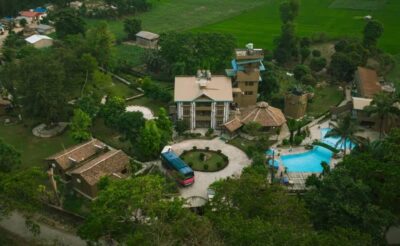
What’s not included: beverages (tea/coffee, bottled water, etc.) and tipping. That can add up on trekking days, especially if you’re a water-and-hot-drink regular. Also remember that teahouses are not hotel comfort. One guest noted the accommodation quality wasn’t great, but the mountains and experience made it a non-issue for them. I’d file that under: plan for basic rooms and focus on warm layers, a good sleeping bag, and a calm attitude.
Mosaic Adventure support, guide names, and the small-group feel
This trek runs with a maximum of 12 travelers, which is big enough to feel social but small enough that you won’t be fighting crowds at bottlenecks. The group size also affects how quickly you can adjust pacing when someone needs a breather.
From the trip feedback shared here, staff and guides have real names you’ll hear tied to positive moments. Purna and Ram were singled out for being helpful and responsive throughout the hike. Pralhad was described as energetic and positive, with a reliable, professional style. And Madhav was mentioned for being fluent and thorough in customer service before the trek started. That kind of support matters because Langtang is remote enough that a good guide reduces uncertainty.
I also like that there’s pre-trek help: one account mentioned a pre-trip meeting, a packing list, and equipment rental selection. Even if you already pack well, having that checklist-style guidance keeps you from forgetting the basics that make cold mornings easier.
Should you book this Langtang Valley trek?
Book it if you want a highland trek that’s scenic and structured, with Kyanjin Gompa as a clear destination and two optional day trips for different energy levels. The included meals, bus transfers, and porter setup make it a good value at this price point, and the small group size helps the experience stay human.
Hold off if you’re looking for hotel-level comfort or easy altitude. Teahouses are basic, and the route reaches 4,984m on the longer option. If altitude worries you, treat Day 5 as a decision built on how you feel that morning, not just a checkbox.
FAQ
How long is the Langtang Valley Trek?
It runs for 8 days (approx.).
What time does the trek start, and how do you get to Syabrubesi?
The start time is 6:45am, and you travel by local bus from Kathmandu to Syabrubesi, taking about 7 hours depending on traffic.
What elevations does the trek reach?
You reach about 2,500m at Lama Hotel, about 3,430m at Langtang Village, and you have optional day trips to 4,773m (Kyanjin Ri) or 4,984m (Tsergo Ri).
What’s included in the $560 price?
Included are bus to/from Syabrubesi, all fees and taxes, teahouse accommodation, porter support (one between 2 participants), and meals: breakfast (7), lunch (8), dinner (7).
What is not included?
Beverages like tea/coffee and bottled water are not included, and tipping is not included.
How big are the groups?
The trek has a maximum of 12 travelers.
What kind of fitness level do I need?
You should have moderate physical fitness. The walking days are described as easy to moderate, with some moderate hikes.
Can I choose between Kyanjin Ri and Tsergo Ri?
Yes. Day 5 offers options: Kyanjin Ri (about 3 hours round trip) or Tsergo Ri (about 7–8 hours round trip).
What is the cancellation timeline for a full refund?
You can cancel up to 6 days in advance for a full refund. For a 50% refund, cancel 2–6 days before the experience starts. Less than 2 days before the start time is not refunded.