REVIEW · POKHARA
Nepalese Momos or Dal Bhat Cooking Class (Cook with Delight)
Book on Viator →Operated by Cook With Delight · Bookable on Viator
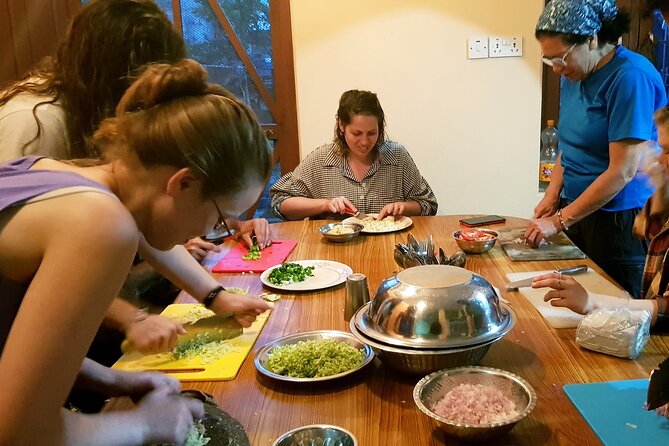
Fold dumplings like a local in Pokhara. This small up-to-five-person cooking class at Hotel Diplomat near Phewa Lake teaches you either momos (steamed dumplings) or dal bhat (rice and lentils) step by step, using a home-cooked approach. One drawback to plan for: you choose one dish for the 2 hours, so you will not learn both in the same session.
I like that you start with a printed recipe in your hand, so you are cooking with guidance, not guessing. The instruction feels personal, and the vibe is friendly and conversational, including questions about habits of Nepal and cooking, plus very practical technique tips that can make a tricky fold suddenly manageable.
You also get an actual reward at the end: a home-cooked meal plus complimentary soft drinks and water. If your goal is to take home a usable skill (not just photos), this is one of the better-value food experiences in Pokhara.
In This Review
- Key points to know before you cook
- Hotel Diplomat start: printed recipe and a kitchen you can navigate
- Momos or dal bhat: how to choose the session that fits your day
- Inside the momo class: finger placement, grip pressure, and a fold you can repeat
- Inside the dal bhat class: a step-by-step rhythm for rice and lentils
- The family-run instruction style: father/son warmth and real Q&A
- Your included meal: home-cooked food, soft drinks, and water
- Timing in Pokhara: fitting 2 hours with Phewa Lake and your evening plans
- Price and value at $50: what you really get for your money
- Who should book this class, and who might skip it
- Should you book this Pokhara cooking class?
- FAQ
- What dishes can I choose to cook?
- Is the class small?
- Where does the cooking class take place?
- How long is the workshop?
- What do I receive to help me follow along?
- Is the meal included?
- Can I cancel for a full refund?
Key points to know before you cook
- Pick your session: lunchtime dal bhat or evening momos
- Small group, real attention: maximum 5 people
- Printed recipe from minute one: you follow steps while learning technique
- Hands-on momo skills: finger and thumb placement plus grip pressure help the fold
- You eat what you make: home-cooked meal with soft drinks and water included
- Central location: Hotel Diplomat is less than 10 minutes on foot from Phewa Lake
Hotel Diplomat start: printed recipe and a kitchen you can navigate
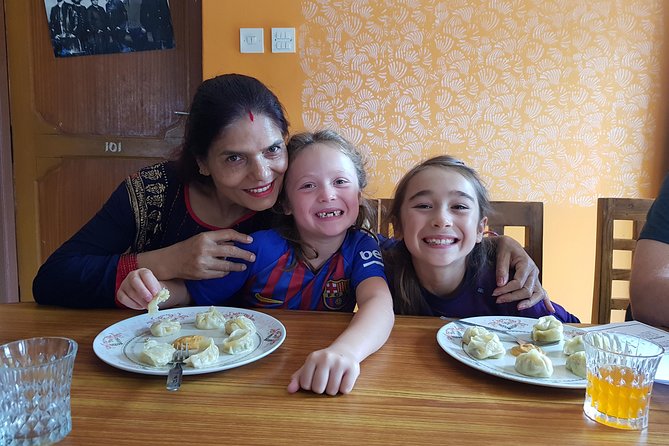
The class meets at Hotel Diplomat in Pokhara, and it starts on the ground floor. You get a printed recipe right away, which matters more than it sounds. In a cooking class, having a step-by-step reference helps you keep up when something moves fast, and it lets you repeat the process later at home.
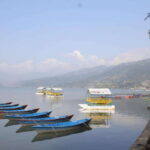
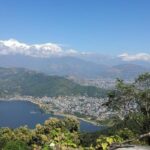
The location is also a practical win. Hotel Diplomat is less than 10 minutes on foot from Phewa Lake, so you are not spending the whole morning or evening stuck in traffic or transfers. For a 2-hour experience, that kind of location efficiency is worth real money.
Finally, the group size is capped at five people. That means you are not waiting for your turn while the instructor teaches to someone else. You can ask questions in the moment, and you can get a quick fix when something feels off.
You can also read our reviews of more cooking classes in Pokhara
Momos or dal bhat: how to choose the session that fits your day
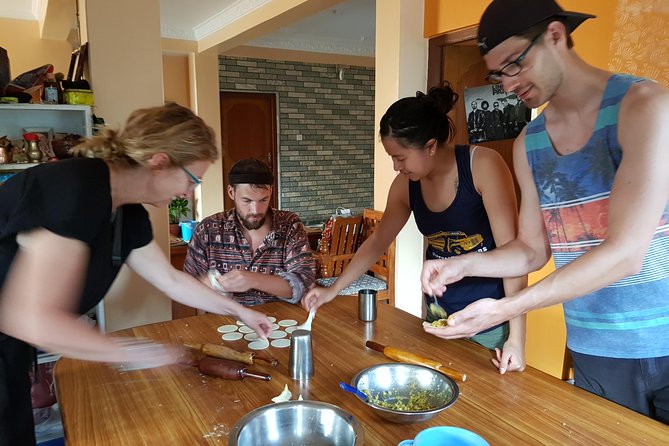
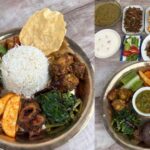
You have a clear choice: a lunchtime dal bhat workshop or an evening momos workshop. This makes it easy to match your energy and appetite. If you want something hearty and classic to anchor the middle of your day, dal bhat is the move. If you are more in the mood for the Nepalese street-food favorite, momos are the obvious draw.
But here is the planning point: you pick one dish. You will make and eat what you choose, but the class time does not cover both. If you are hoping for a full sampler of Nepal’s biggest hits, consider booking again for the other dish on a different day.
I also think your personal learning style should guide the choice. Momos are hands-on and technique-heavy, with folding you can practice repeatedly. Dal bhat is also taught step by step, but the focus tends to feel like building a comforting bowl with simpler repeatable steps.
Inside the momo class: finger placement, grip pressure, and a fold you can repeat
If you sign up for the momos session, you are in for a fun skill-building challenge. Momos look simple until you try them. The class helps you get past the awkward stage by teaching the mechanics, not just the ingredients.
In particular, you learn hands-on instructions like finger and thumb placement, plus grip pressure. These details sound small, but they are exactly what turn a frustrating first attempt into something you can improve after each batch. One thing I appreciate is that the class leans into learning. Your momos might not come out perfect, and that is okay. You are still leaving with a full belly and a technique you understand.
You also get to make the dumplings from scratch. That part is important for value. You are not just assembling something prepped for you. The instructor guides the steps, and then you take over to shape your own momos.
And if you happen to have dietary preferences, pay attention to what is offered during your session. One class experience shared included veg momos, so you might find plant-based options depending on the day and your setup.
Inside the dal bhat class: a step-by-step rhythm for rice and lentils
Dal bhat is one of Nepal’s most familiar comfort foods, built around rice and lentils. In this cooking class, you follow the chef through the full set and make your own meal from scratch.
The main advantage of learning dal bhat in a workshop is the repeatable rhythm. Rice and lentils are not complicated, but timing and technique can make the difference between a bowl that feels right and one that feels flat. A good instructor helps you hit the texture you are aiming for, and you learn what to watch for as things cook.
In the class, you get guided steps for the dal bhat set, then you sit down and eat what you make. That closes the loop. You do not just learn how to cook; you learn how your cooking should taste once it is finished.
If your travel goal is to bring a practical Nepal skill home, dal bhat can be the easier one to repeat. Once you know the basic flow, you can adapt it at home with your pantry.
The family-run instruction style: father/son warmth and real Q&A
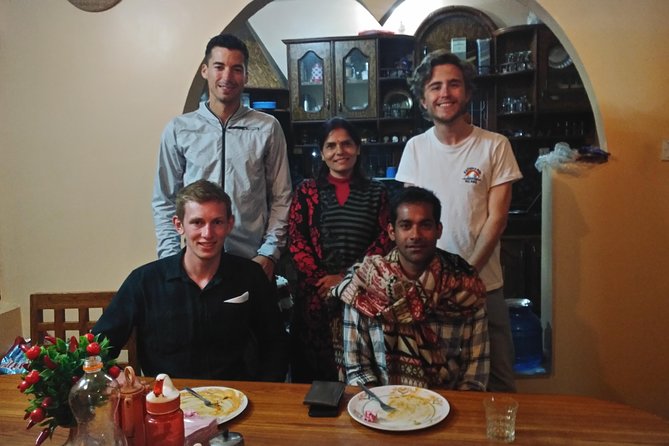
One of the best parts of this class is the teaching style. It is run by a local family team, often described as a father/son combo. That family dynamic shows up in how the class feels: friendly, patient, and heavy on answering questions.
I like that you are encouraged to talk and ask, not just follow. Some sessions come with friendly conversation about Nepal’s day-to-day habits and cooking, which makes the workshop feel more like learning at someone’s home than doing a scripted production.
In one shared experience, the instructor named Sandhya made veg momos, and the class was praised for both patience and explanation. That matters because momo folding and cooking steps can be intimidating if you get stuck. Having someone slow down, show you again, and patiently help you correct your grip or fold makes the difference between a fun session and a frustrating one.
You can also read our reviews of more tours and experiences in Pokhara

Your included meal: home-cooked food, soft drinks, and water
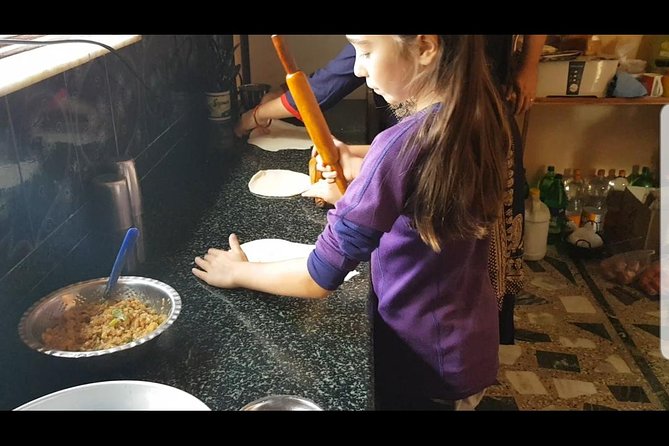
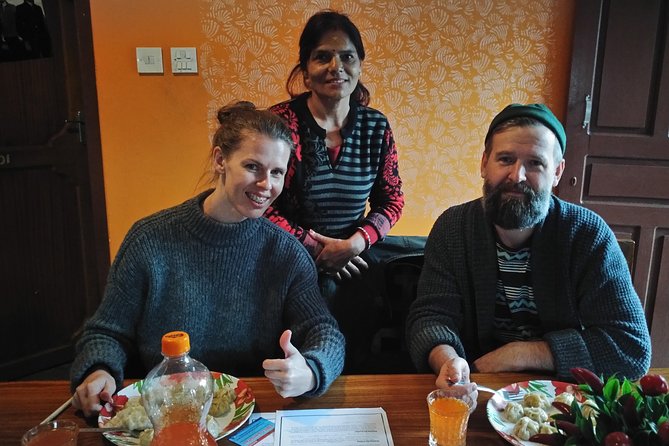
After the cooking, you eat your work. The meal is home-cooked, and it comes with complimentary soft drinks and water. This is more valuable than it sounds because you are consuming your own results at the moment of learning.
That timing helps you connect technique to flavor. You can look at your momo folds or your dal bhat texture and understand what the instructor meant when they guided you through the steps. It also prevents the common food-class problem where you cook for hours and then eat something unrelated.
The class ends where you start, back at Hotel Diplomat. That means you do not need a second plan right after. You are already in the right place to head back to your hotel or keep exploring Pokhara while the food sits well.
Timing in Pokhara: fitting 2 hours with Phewa Lake and your evening plans
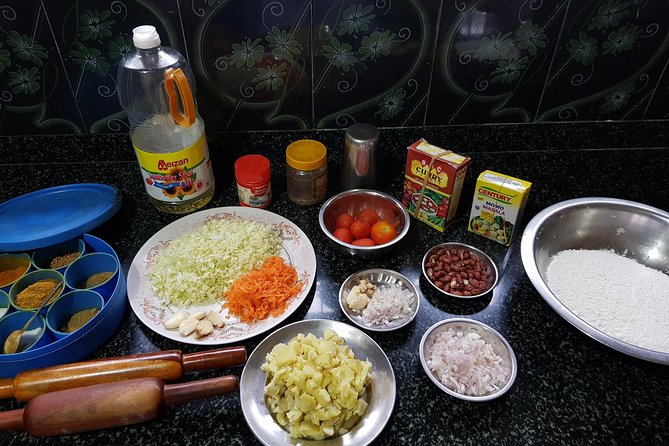
The workshop lasts about 2 hours. That makes it easy to slot into a day without derailing your whole itinerary. Since Hotel Diplomat is under 10 minutes on foot from Phewa Lake, you can build your schedule around a calm walk before or after.
For a lunchtime dal bhat class, you can treat it like an anchor meal. Eat well, then head out to explore Pokhara with less pressure to find something quickly afterward.
For an evening momos class, plan for something simple afterward. You will be eating and likely chatting, so you will not want to stack it with something rushed. The good news is that the meeting point is convenient, so you can transition back to your lodging without a complicated route.
Price and value at $50: what you really get for your money
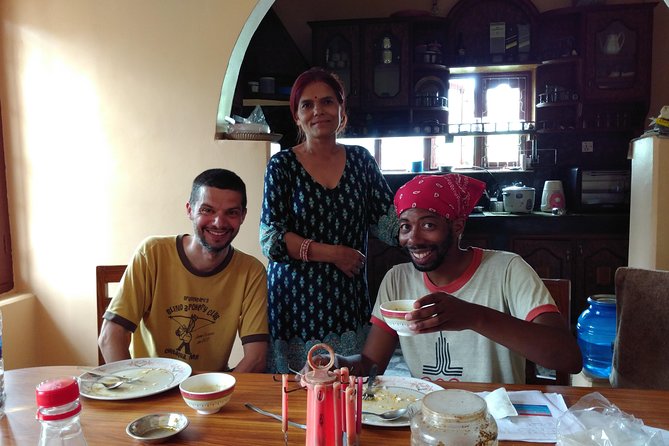
At $50, this is not a budget-only cooking exercise, but it also is not trying to be a fancy gourmet event. The value comes from a few concrete items you actually use.
First, you get small-group attention capped at five people. That reduces waiting and increases your chance of fixing mistakes while you cook. Second, you get instruction from a local family home-cook setup, plus a printed recipe so you can remember steps later.
Third, the class includes the meal itself and complimentary soft drinks and water. In many cooking experiences, food is an afterthought. Here, you build and eat the result.
The location also helps value. Hotel Diplomat’s central feel means you are not paying your time and energy in transit just to start a cooking session. For many visitors, that makes a $50 class feel more like a full experience than a short activity.
Who should book this class, and who might skip it
You should book if you want more than a quick taste. This is a practical, hands-on workshop where you learn technique—especially for momos, where finger and thumb placement and grip pressure are taught. It is also a great choice if you want to leave with something you can repeat at home.
It is also ideal if you like talking to locals while learning. The family-run atmosphere, plus the chance to ask questions, turns it into a cultural exchange as much as a cooking lesson.
You might skip it if you only want to sample both major dishes in one sitting. Since you choose either dal bhat or momos, you will need a second session to learn the other dish. Also, if hands-on cooking is not your thing, you may prefer a food tasting tour instead.
Should you book this Pokhara cooking class?
I would book it if your goal is a real skill and a satisfying meal. The small group size, the printed recipe from the start, and the hands-on teaching style are the reasons this works well. You leave with technique, not just a memory.
Book the dal bhat session if you want a comforting bowl you can repeat easily after you get home. Book the momos session if you enjoy learning the details that make a tricky fold come out right.
If you are deciding between this and another food activity in Pokhara, think about what you want to carry back: a photo, or a method. This class is firmly in the method camp, and the belly-full payoff is part of the deal.
FAQ
What dishes can I choose to cook?
You can choose between a lunchtime dal bhat workshop or an evening momos workshop.
Is the class small?
Yes. The experience has a maximum of 5 travelers.
Where does the cooking class take place?
It starts at Hotel Diplomat in Pokhara, Nepal.
How long is the workshop?
It lasts about 2 hours.
What do I receive to help me follow along?
You start the class with a printed recipe on your hand.
Is the meal included?
Yes. A home-cooked meal is included, along with complimentary soft drinks and water.
Can I cancel for a full refund?
Yes, free cancellation is available. You can cancel up to 24 hours in advance for a full refund.