REVIEW · KATHMANDU
12 Days Overland Tour to Upper Mustang
Book on Viator →Operated by Adventure Glacier Treks & Expedition · Bookable on Viator
One word: dry. This private Upper Mustang Jeep adventure turns the road toward the forbidden kingdom into a front-row seat for monasteries, caves, and Tibetan-influenced villages. I like that the trip is built around access (including permits) and a flexible, private feel, so you can move at a pace that fits your group.
Two things I especially like: Lo Manthang Special Permits/ACAP are included, and the route is packed with specific Upper Mustang highlights rather than generic stops. One consideration: this is a lot of long, bumpy driving and high-altitude days, and conditions in colder months can be tougher (one reviewer noted December isn’t the best season).
In This Review
- Key highlights at a glance
- Upper Mustang by private Jeep: what you’re really buying
- Kathmandu arrival and Valley sightseeing (Days 1–2): set your base before the desert starts
- The long road toward Pokhara (Day 3): country scenes and an overnight reset
- Pokhara to Tatopani (Day 4): Kali Gandaki corridor and off-road reality
- Muktinath to Kagbeni (Days 5–6): markets, monasteries, and the Mustang rhythm
- Entering Lo Manthang: the monasteries circuit that defines the area (Day 7)
- Chhoser sky caves and Shija Jhong: the cave day you’ll remember (Day 8)
- Jomsom return and Pokhara reset (Days 9–11): keep your energy for the last push
- Price and logistics: is $2,600 good value for this route?
- What to expect day-to-day: pacing, comfort, and the high-altitude factor
- Who this tour suits best (and who should think twice)
- Should you book this Upper Mustang Jeep tour?
- FAQ
- How long is the Upper Mustang Jeep tour?
- Where does the tour start and end?
- What does the price include?
- What is not included in the tour price?
- Is this tour private or shared with other groups?
- How do I receive the ticket?
- What kind of sightseeing stops are included in Upper Mustang?
- Are the permits required for Lo Manthang included?
- Is December a good time for Upper Mustang?
- What is the cancellation policy?
Key highlights at a glance
- Private Jeep travel keeps you comfortable while still reaching remote Upper Mustang sites
- Permits included (ACAP and Lo Manthang Special Permits) help you avoid permit-rush stress
- Kagbeni and Lo Manthang monasteries give you the cultural spine of the trip
- Chhoser sky caves and Shija Jhong cave are the days that feel most unique
- English-speaking guide supports smoother logistics and better context
- Kathmandu–Pokhara buffer days help you reset after rougher road sections
Upper Mustang by private Jeep: what you’re really buying
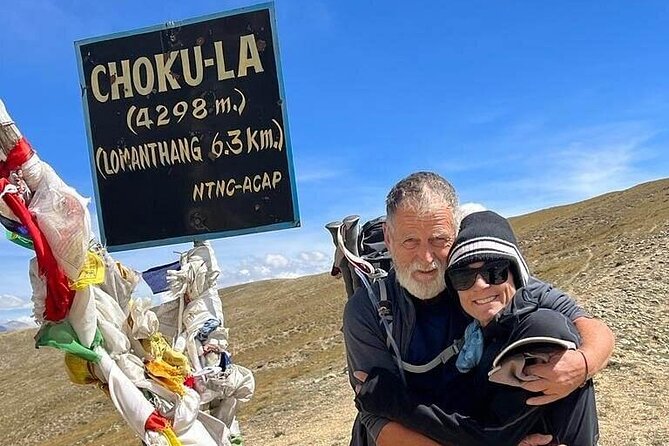
This tour is for people who want the Upper Mustang experience without making it a pure trekking trip. You’re traveling in a private vehicle for most of the journey, and that matters in a region where roads can feel slow, dusty, and physically demanding. Your day-to-day rhythm is built around driving segments plus visits to places that actually define Upper Mustang: monasteries, cave sites, and the tightly clustered settlements around the Kali Gandaki River corridor.
The price is listed as $2,600 per person for about 12 days. For your money, you’re not just paying for transportation. You’re paying for an organized plan that includes major entry requirements (more on permits below), an English-speaking guide, and accommodation as outlined in the program.
Also, the tour is private—meaning it’s just your group. That’s not a tiny detail. In a remote region, having your own vehicle and not sharing time with strangers usually means fewer timing headaches and easier decisions if weather or road conditions slow things down.
You can also read our reviews of more tours and experiences in Kathmandu.
Kathmandu arrival and Valley sightseeing (Days 1–2): set your base before the desert starts
Day 1 is straight-forward: you’re met at Tribhuvan International Airport (TIA), transferred to a hotel, then given a briefing. If you’ve never done Nepal overland trips, those first few hours are about getting your bearings—what documents you’ll need, how tomorrow’s drive will work, and who to ask when questions pop up.
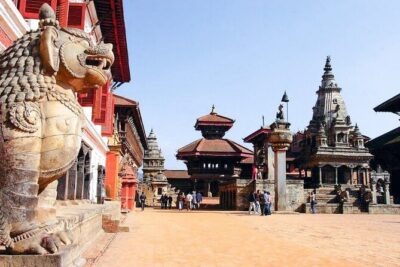
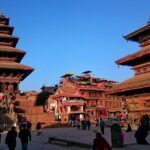
Day 2 is a Kathmandu Valley sightseeing day with an English-speaking guide. You get a chance to see famous monuments, plus learn about culture and art before you head toward the dry, high-altitude feeling of Upper Mustang. It also helps you mentally switch gears: Kathmandu is busy and green by comparison; Mustang is a quieter, drier world.
A practical note: don’t pack your Day 2 schedule too tightly. Your next days involve long driving. You’ll be happier if you treat Kathmandu as your warm-up lap.
The long road toward Pokhara (Day 3): country scenes and an overnight reset
On Day 3, you drive from Kathmandu to Pokhara by private Jeep. The route is described as filled with greenery, rivers, villages, and farms. Even when you’re mostly behind a window, these stretches matter because they break the “big commitment” travel into stages. Instead of going from Kathmandu straight into hard Mustang terrain, you get an intermediate stop.
Pokhara also gives you something Kathmandu doesn’t: a different kind of rest and view. Your next day starts the push west toward the Kali Gandaki corridor and toward Mustang.
If you’re the type who gets restless in vehicles, use Pokhara to stretch your legs and re-set your sleep schedule. The trip moves again soon.
Pokhara to Tatopani (Day 4): Kali Gandaki corridor and off-road reality
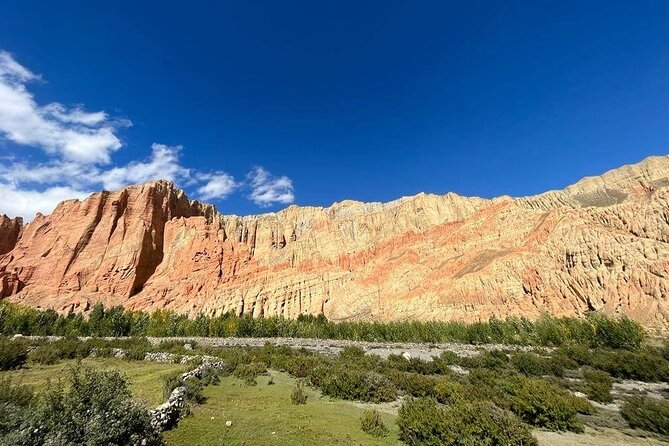
Day 4 starts the Mustang approach. After breakfast, the tour drives you by private jeep from Pokhara toward Tatopani, following the Kali Gandaki River route. The day includes a bit of paved road at first (to Beni), then transitions to off-road sections.
This is where “private comfort” earns its keep. Even if the vehicle isn’t exactly a luxury lounge, having it dedicated to your group means fewer stops and less confusion over who needs what.
What makes Day 4 important is that you’re not just traveling distance—you’re changing terrain. Expect the air and the feel of the journey to start shifting toward the rugged Upper Mustang environment.
Muktinath to Kagbeni (Days 5–6): markets, monasteries, and the Mustang rhythm
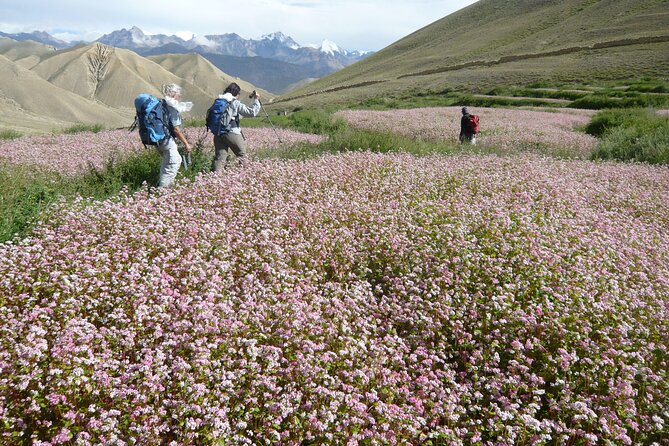
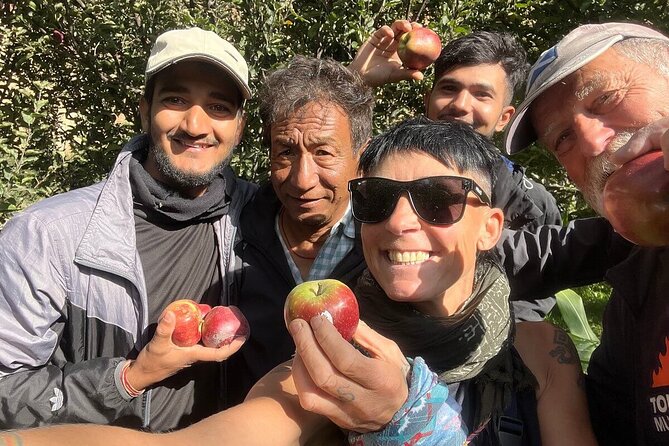
Day 5 brings you to Muktinath, with an interesting sequence: you drive via villages like Kalopani and Ghasa, stop to see how apples are grown, then visit a local market in Jomsom. After that, you pass through Kagbeni.
For most visitors, this is the moment you start to understand how everyday life works in the region. The apple-growing stop is a good reminder that this area isn’t only monasteries and cliffs—it’s agriculture and local commerce too.
Muktinath is a major highlight on the route, and it works well as a “cultural anchor” day before you fully enter the Lo Manthang zone.
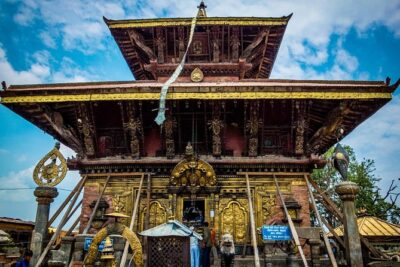
Day 6 begins with Kagbeni Monastery. Kagbeni is known for Pitri-Puja (also referred to as Pitri-Moksastala) connected to ancestor rites. This is the kind of detail that makes your visit more than photos. You’re not just seeing old walls; you’re seeing how religious life plays out in real communities.
If Pitri-Puja timing doesn’t line up with your exact dates, you’ll still see Kagbeni’s carved-in history. But this is also why it helps to travel with an informed guide—your visit will make more sense with context.
Entering Lo Manthang: the monasteries circuit that defines the area (Day 7)
Day 7 is a big one: Lo Manthang. The plan is designed like a circuit of important religious sites and key city areas, including places such as Lo Gager Ghar Gompa, Charang Monastery, Lo-mang Thang City, Jampa Gompa, the oldest monastery called God House, and more.
Even without getting lost in too many names, you’ll feel what this day is doing: it’s building a mental map of the region’s faith and power centers. Upper Mustang communities often have religious sites that function like landmarks for identity. Seeing multiple monasteries in one day helps you understand why Lo Manthang feels so distinct from surrounding areas.
One practical tip: pace yourself. You’ll likely move through multiple sites within a day, and the high-altitude air can make short walks feel longer. Take breaks when you need them and keep water close.
Chhoser sky caves and Shija Jhong: the cave day you’ll remember (Day 8)
Day 8 focuses on Upper Mustang’s cave sites, including Namgyal Gompa, the Chhoser sky caves, and the Shija Jhong cave, described as nearly 3,000 years old and explored by archaeologists from around the world.
This day is where Upper Mustang shifts from “pretty valleys and old monasteries” into something more physical and strange—in a good way. Caves in this region aren’t just tourist stops. They add a longer time scale to what you’re seeing, linking present religious sites with ancient human use.
If you’re traveling with anyone who gets uneasy in tight or uneven spaces, keep that in mind for cave days. The tour includes these sites, so ask your guide what to expect on the specific cave areas during your planning stage.
Jomsom return and Pokhara reset (Days 9–11): keep your energy for the last push
On Day 9, you drive back to Jomsom. The route includes passes by nearby villages, the Kali Gandaki River, Buddhist stupas, and monasteries. You also get time to explore the local market in the evening.
This is a helpful “come-down” day. You’re still on the route that defines the region, but the plan is less about intense sightseeing bursts and more about soaking in the landscape and daily life.
Day 10 is the return to Pokhara by drive. Day 11 includes a Pokhara Lakeside city tour, with the option to rest if you want. This is smart programming. After days of altitude and long driving, you’ll appreciate having at least one day where you can choose between sightseeing and recovery.
If you’re prone to over-scheduling, Day 11 is your chance to slow down. Grab a calm meal, do a short stroll, and give your legs a chance to breathe before flying back later.
Price and logistics: is $2,600 good value for this route?
Let’s talk value plainly. The tour costs $2,600 per person, and it specifically includes ACAP and Lo Manthang Special Permits totaling USD 534. That’s important because permits in restricted regions can be a major part of the total cost and the planning burden.
Beyond permits, the package includes:
- Ground transportation by private vehicle
- English-speaking guide
- Accommodation as mentioned in the program
- Breakfast (11 days)
It also uses a mobile ticket, which can reduce last-minute paperwork friction.
Where value can vary is in what you expect from “private.” Here, private means you’re not sharing your vehicle or guide with another tour group at the same time. If your group values flexibility—stopping for something you notice, taking extra time at a monastery, moving at a pace that suits your breathing—private travel is often worth it.
The flip side is comfort depends on the reality of overland routes. One review called the trip uncomfortable, which is a reminder to set expectations: these are road days in rugged terrain, and no tour can erase the physics of altitude and uneven surfaces. Pack smart for travel days and be ready for a few days where you’ll feel road time more than “vacation time.”
What to expect day-to-day: pacing, comfort, and the high-altitude factor
Across the itinerary, many days are described as around 12 hours of travel, especially during the main Mustang drive sections. That’s not a criticism—it’s the structure of this kind of overland route. The trade-off for not trekking is that you spend more time in the vehicle and less time on foot.
Here’s how to make those days feel better:
- Plan on layers. Even if days look sunny, nights and higher points can feel sharp.
- Bring something for motion comfort (if you get carsick, you’ll already know).
- Give yourself permission to move slower at high-altitude stops. Even if the guide pushes “on schedule,” you’re the one managing your breathing.
You’ll also want to remember that included meals are breakfast (11), and the tour excludes personal expenses like beverages and other services outside the itinerary. So build a routine: hydrate, eat something simple early, and don’t assume every stop has the exact snack you want.
Who this tour suits best (and who should think twice)
This experience is a good fit if you:
- Want Upper Mustang access up to Lo Manthang without doing a full trekking plan
- Prefer private travel and clearer control over your schedule
- Care about visiting specific religious and cave sites, not only driving scenery
- Like traveling with an English-speaking guide who can explain what you’re looking at
You might think twice if:
- You strongly dislike long vehicle days. The itinerary has many ~12-hour driving segments.
- You need a trip with lots of downtime built in. Recovery days exist (like the Pokhara rest), but much of the schedule is travel-focused.
Should you book this Upper Mustang Jeep tour?
If your dream is Lo Manthang, monasteries, and cave days like Chhoser sky caves and Shija Jhong, this plan makes sense. The big reason is value: permits are included, and you’re also getting private overland transport plus an English-speaking guide for a full circuit of the region’s key stops.
I’d book if you’re comfortable with the reality of rough-road travel and altitude pacing. I’d ask questions before you confirm if your group is sensitive to discomfort on long drives or if you’re hoping to add extra walking time—some visitors choose mixed trekking-style movement on routes like this, but you should confirm what’s realistic for your exact dates and energy level.
FAQ
How long is the Upper Mustang Jeep tour?
The tour runs for 12 days (approx.), starting in Kathmandu and ending back at the meeting point in Kathmandu.
Where does the tour start and end?
It starts at Best Tour & Travel agency in Nepal – Adventure Glacier Treks in Kathmandu and ends back at the same meeting point.
What does the price include?
The package includes private ground transportation, ACAP and Lo Manthang Special Permits (USD 534 included), an English-speaking guide, accommodation as mentioned, and breakfast (11).
What is not included in the tour price?
Personal expenses such as beverages and other services not mentioned in the itinerary are not included.
Is this tour private or shared with other groups?
It’s a private tour/activity, meaning only your group participates.
How do I receive the ticket?
The tour uses a mobile ticket.
What kind of sightseeing stops are included in Upper Mustang?
The itinerary includes visits such as Kagbeni monastery, monasteries in Lo Manthang, Namgyal Gompa, Chhoser sky caves, and Shija Jhong cave, plus Jomsom market time.
Are the permits required for Lo Manthang included?
Yes. ACAP and Lo Manthang Special Permits are included in the package cost (USD 534).
Is December a good time for Upper Mustang?
The provided information includes a note from a review that December may not be the best season for Upper Mustang, so you’ll want to be realistic about conditions.
What is the cancellation policy?
You can cancel up to 3 days in advance for a full refund. If you cancel less than 3 days before the start time, the amount paid will not be refunded.