REVIEW · KATHMANDU
Everest Base Camp Helicopter Tour
Book on Viator →Operated by Himalayan Adventure Treks and Tours Pvt Ltd · Bookable on Viator
Everest by helicopter is fast and real. This is one of the quickest ways to see the Sagarmatha National Park Everest area, with hotel pickup in Kathmandu and a dramatic flight plan that saves you days of trekking. I especially like the breakfast stop at Hotel Everest View, because it turns a rushed itinerary into an actual mountain-morning moment (not just airport-to-sky-to-airport).
The big thing to weigh is cost and add-ons. At $3,000 per person, it’s not a budget move, and breakfast, national park permits, and Khumbu valley fees can cost extra, plus you need good weather for the flight plan.
In This Review
- Key points before you commit
- Kathmandu to Everest: the 5:30 am reality check
- Hotel pickup, flight time, and why the timing feels so tight
- Breakfast at Hotel Everest View: the best use of altitude time
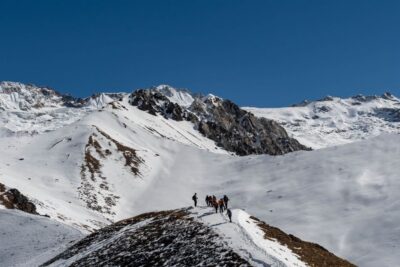
- Flying the Everest region: views you can’t recreate on foot
- Everest Base Camp and the Kalapatthar photo window
- Price and value: what $3,000 really buys
- The human side: organization and communication matter up high
- Weather rules: why your mountain plan depends on conditions
- Who should book this Everest Base Camp helicopter tour
- Should you book it?
- FAQ
- What time does the Everest Base Camp helicopter tour start?
- How long is the tour?
- What’s included in the price?
- What costs extra?
- Do I need national park permits?
- How big is the group?
- Is there a weight limit?
- Is breakfast included?
- What happens if weather is poor?
- What is the cancellation policy?
Key points before you commit
- Small group size (up to 10) helps keep the flow smooth at 5:30 am and in tight air windows.
- Hotel pickup and return helicopter transfers mean you’re not arranging logistics on your own at altitude.
- Breakfast at Hotel Everest View is the emotional anchor of the day, not just a snack.
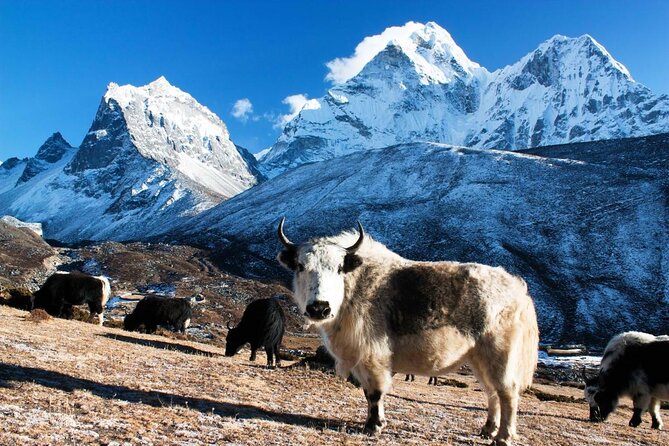
- Syangboche to Everest Base Camp by helicopter cuts out the long trek.
- Kalapatthar access is short (about 5 to 10 minutes for photos), so timing matters.
- Total passenger weight limit is 176 lbs, so check this early if you’re near the cap.
Kathmandu to Everest: the 5:30 am reality check
This tour starts early, and it starts on purpose. Your day begins with a 5:30 am wake-up and being ready for pickup, followed by a short 20 to 30 minute drive to the airport. From there, you’ll go through a boarding process before the mountain flight.
Here’s the practical part: helicopter tours are time-and-weather products. The early start helps you catch the best visibility and keep the flight sequence on track. If you hate waking up before sunrise, this is the one element you can’t negotiate.
Also, the tour is designed for people who want the Everest area without the full trekking commitment. The overview specifically targets first-timers and people with mobility limitations, which makes sense given how much hiking these views usually require.
You can also read our reviews of more tours and experiences in Kathmandu

Hotel pickup, flight time, and why the timing feels so tight
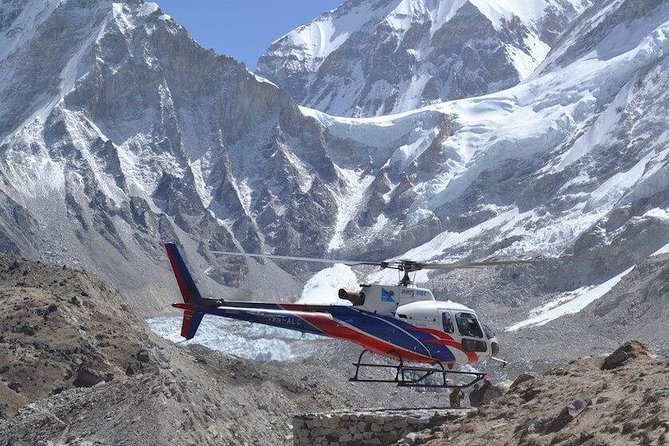
The plan keeps things moving: a 4-hour flight time (as listed) wrapped inside a total 4 to 6 hour overall experience. That means you spend less time on the ground and more time staring out the window.
You’ll get:
- airport pick and drop from your hotel
- helicopter airfare
- fuel surcharge and landing/facility fees (so you’re not surprised by those line items once you arrive)
What you should expect is a day built around flight windows rather than leisurely sightseeing. If you like long meals, wandering at your own pace, or slow photo breaks, you might feel slightly rushed—because the itinerary is built to fit the helicopter route and multiple viewpoint moments into a short block.
Breakfast at Hotel Everest View: the best use of altitude time
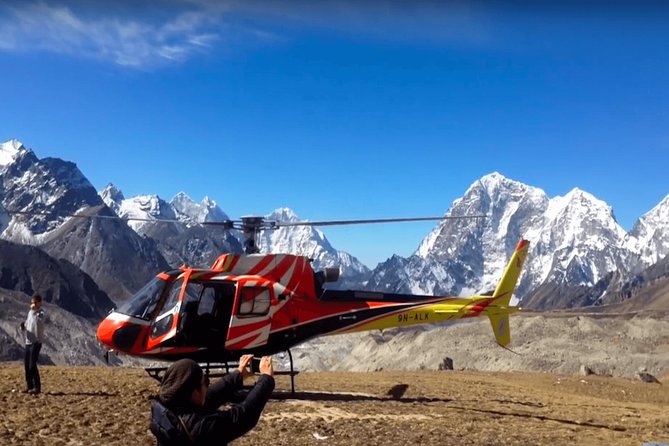
One of the smartest parts of this experience is that it doesn’t treat altitude like a showroom. The day includes a mountain breakfast stop at Hotel Everest View. This is described as the highest altitude breakfast in the world, and even if you take that as a marketing line, the underlying idea is still real: you’re going up early enough to make the mountain morning feel special.
This stop is interesting for two reasons:
First, it changes the vibe. Instead of just boarding and flying straight to the airfields, you get a chance to breathe, look around, and absorb the scale. Everest doesn’t feel like a dot on a map from that kind of height.
Second, it gives you a calmer setup for photos. The breakfast time is where your camera stops being a device and starts being a tool. You’re not just taking pictures while everyone is moving—there’s a moment to set up and actually compose shots.
A heads-up on costs: breakfast at Hotel Everest View is not included. The tour notes breakfast separately as an extra, and it lists national park permits as extra too. So if you want to budget cleanly, plan on paying for breakfast on top of the tour price.
Flying the Everest region: views you can’t recreate on foot
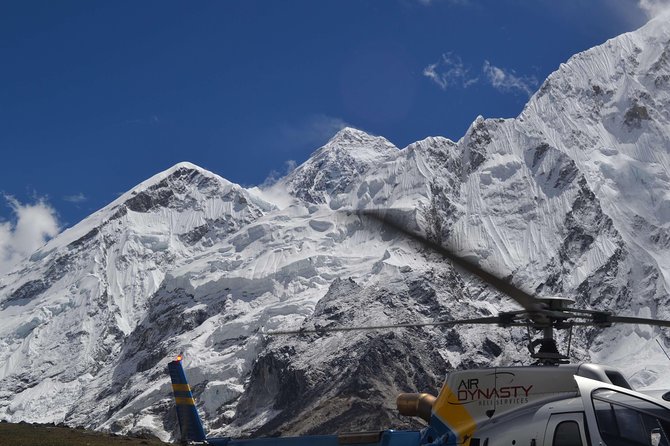
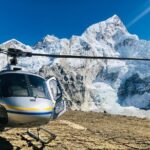
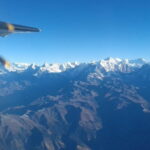
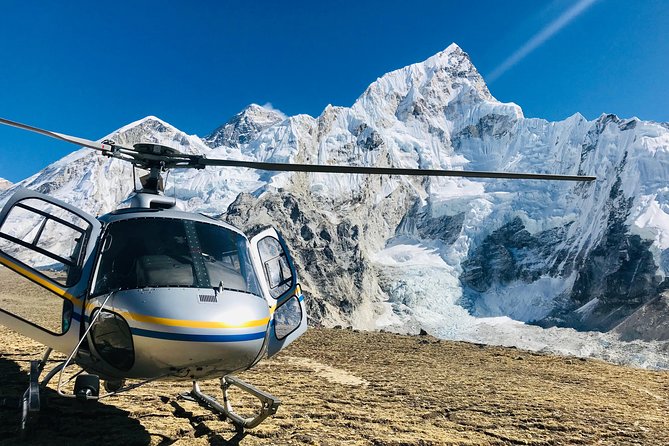
After breakfast, the tour shifts into the main event: you fly toward the Everest Base Camp area. The itinerary notes a segment from Syangboche to Everest Base Camp, plus helicopter rounds designed to show as much as possible.
This is where you should adjust your expectations compared with trekking. On foot, you often go “slow” but you also get time—time to notice geology, prayer flags, villages, and human scale. By helicopter, you trade that slow immersion for speed and dramatic overview.
The trade is worth it if you want:
- the big picture of the Himalaya quickly
- Base Camp views without walking days
- a chance to see multiple mountain angles in one short day
But it’s also why the tour works best when you’re mentally ready for short stops. You’re there to see, not to roam.
Everest Base Camp and the Kalapatthar photo window
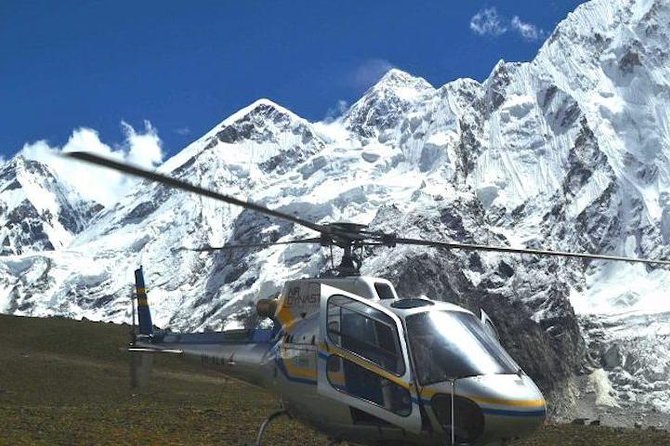
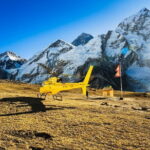
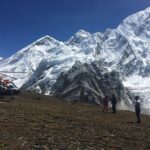
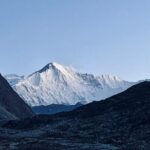
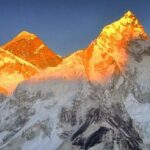
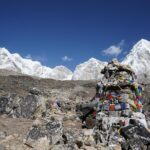
The core destination is Everest Base Camp, with an extra highlight planned around Kalapatthar. The itinerary mentions getting 5 to 10 minutes there for pictures.
That short time is the reality of helicopter routes: the aircraft schedule, landing constraints, and the need to keep the day within a tight window mean you won’t get hours on the ground. If you’re the type who likes to take 40 photos and then stay still for five different kinds of light, you’ll need to be efficient.
I’d treat Kalapatthar like a checklist moment:
- capture the wide shot first
- then zoom in for your key details
- keep one extra photo ready in case clouds shift
Still, even with the short photo window, Kalapatthar is the kind of stop that can permanently reframe what Everest looks like in real life. People often think they understand scale from photos—then they see it from high up and realize the pictures didn’t tell the full story.

Price and value: what $3,000 really buys
At $3,000 per person, this is a premium experience. The value isn’t in being cheap; it’s in buying time and access.
Here’s what your money includes (based on the listed inclusions):
- airport pick/drop from your hotel
- helicopter airfare
- fuel surcharge
- landing and facility fees
And it’s designed for a maximum group size of 10, which can matter a lot with early-morning coordination.
What’s extra:
- Khumbu valley fees
- breakfast at Hotel Everest View
- national park permits
- travel insurance
- airport tax
- personal expenses
So the real budgeting move is to add those unknowns before you get emotionally committed. If you’re traveling with a party, ask the operator about the permit and fee amounts so you can compare apples to apples with other helicopter options.
Also: you may see group discounts depending on your booking. If your dates line up with a small group, that can help soften the total bill.
The human side: organization and communication matter up high
This kind of day can fall apart if communication is sloppy. Here, the pattern in the provided feedback emphasizes smooth organization and steady contact, from the initial coordination stage through the end of the trip.
The company is Himalian Adventure Treks and Tours Pvt Ltd, and one name that appears in their replies is Bhagwat Simkhada. The takeaway for you: when you’re paying this much, you want an operator that answers quickly and keeps you informed, especially before sunrise.
It’s also worth noting the tour offers pickup and a small-group setup. That usually means fewer moving parts, less confusion about where to meet, and less waiting around when everyone is operating on a tight morning schedule.
Weather rules: why your mountain plan depends on conditions
This is not a tour that runs purely on wishful thinking. It requires good weather. If conditions force cancellation due to poor weather, you’ll be offered either a different date or a full refund.
So how should you plan? Treat your booking like something that has weather risk, even if the company is ready to adjust. If your Nepal trip is already tightly scheduled, keep some flexibility.
Also, keep your expectations realistic: helicopter tours are highly dependent on cloud cover, wind, and visibility in mountain regions. When it works, the views are the whole point. When it doesn’t, you’re at the mercy of the sky.
Who should book this Everest Base Camp helicopter tour
This tour fits best if most of these are true for you:
- You want an Everest experience with no multi-day trek
- You’re a first-timer to Nepal and want a clean, structured introduction
- You have mobility limitations or simply don’t want the physical grind
- You’re okay with a short on-the-ground window for major photo stops like Kalapatthar
- You can handle early mornings and a tight schedule
It may not fit if:
- you want long, slow exploration on the ground
- you’re highly price-sensitive (this is premium pricing)
- you’re over the 176 lbs weight limit listed per passenger
- you have zero flexibility for weather-related changes
Should you book it?
If you have the budget and the right mindset, I think this is a smart way to see Everest’s grandeur without committing to trekking days. The strongest reasons to book are the structured flow (pickup to flight), the high-altitude breakfast at Hotel Everest View, and the fact that you still get the emotional payoff of Everest Base Camp plus a Kalapatthar photo moment.
If you’re deciding between helicopter and trekking, pick based on your goal: helicopter is for fast access and big-picture views; trekking is for time on the trail. Both can be life-changing. This one just happens in a few hours instead of weeks.
If you do book, I’d make one checklist before you go:
- confirm the extra costs you’ll owe on top of the tour price
- plan for early pickup and jet-lag-proof your sleep schedule
- be ready for weather changes
FAQ
What time does the Everest Base Camp helicopter tour start?
The start time is 5:30 am.
How long is the tour?
The duration is listed as 4 to 6 hours (approx.), and the flight time is listed as 4 hours.
What’s included in the price?
Included items are airport pick/drop from your hotel, helicopter airfare, fuel surcharge, and landing and facility fees.
What costs extra?
The tour notes that Khumbu valley fees, breakfast at Hotel Everest View, national park permits, travel insurance, and airport tax are not included, along with any personal expenses not mentioned.
Do I need national park permits?
Yes. The tour notes that national park permits cost extra.
How big is the group?
The tour has a maximum of 10 travelers, described as a small-group experience.
Is there a weight limit?
Yes. The listed total weight per passenger is 176 lbs.
Is breakfast included?
No. The itinerary mentions a breakfast stop at Hotel Everest View, but it is listed as not included in the tour.
What happens if weather is poor?
The experience requires good weather. If canceled due to poor weather, you’ll be offered a different date or a full refund.
What is the cancellation policy?
There is free cancellation up to 24 hours in advance for a full refund. If you cancel less than 24 hours before the start time, the amount paid is not refunded.