REVIEW · POKHARA
Private Half Day Tour Highlights of Pokhara by Car
Book on Viator →Operated by Saara Tourism Nepal-Kathmandu · Bookable on Viator
Pokhara’s best highlights can fit in one half-day. This private car tour makes it easier to hop between far-flung stops, and it includes entrance fees plus bottled water for a simpler day. I also like that you get an English-speaking driver-guide to connect the dots on culture and history without you doing extra homework.
The big thing to weigh is logistics: timing and English ability can vary, so I’d plan to confirm your pickup and be ready to ask for clarification on the spot. When it runs smoothly, the pace is perfect for a short stay and a “see a lot without stress” kind of itinerary.
In This Review
- Key Things to Know Before You Go
- Why Pokhara’s Highlights Work Better With Your Own Car
- Pickup, Timing, and the Real Pace of a 4–5 Hour Tour
- Stop 1: Phewa Tal (Phewa Lake) for an Easy First Hit of Pokhara
- Stop 2: Devi’s Fall, Then the Water’s Secret Route at Gupteswar Gupha
- Stop 4: Bindhyabasini Temple for Local Faith, Not a Show
- Stop 5: Seti River Gorge for a Different Kind of Water View
- Stop 6: Pokhara Museum for Context You’ll Actually Use
- Stop 7: Peace Pagoda for Mountain-and-Lake Views and a Slower Hour
- Price and Value: What You’re Really Paying for at $80 Per Person
- Guide and Organization: What to Watch So Your Day Stays Smooth
- Who This Tour Fits Best (And Who Might Want Something Different)
- Should You Book This Half-Day Pokhara Tour by Car?
- FAQ
- How long is the Private Half Day Tour Highlights of Pokhara by Car?
- Do I get pickup from my hotel or from Pokhara Airport?
- Is this tour private or shared?
- What sights are included in the itinerary?
- Are entrance fees included?
- Is bottled water provided?
- Does the guide speak English?
- Can I choose the starting time?
- What is the cancellation policy?
- Is the tour suitable for most travelers?
Key Things to Know Before You Go
- Private car + pickup from your hotel or Pokhara Airport means less hassle and fewer transfers.
- Flexible start time (early morning to early afternoon) lets you match your energy and weather.
- Entrance fees and bottled water included so you don’t waste time hunting for small purchases.
- Packed sightseeing rhythm: multiple major stops in about 4 to 5 hours.
- Cave + waterfall pairing links Devi’s Fall to Gupteswar Gupha through the water’s path.
- Peace Pagoda stop runs longer at about 1 hour, giving you real time to slow down.
Why Pokhara’s Highlights Work Better With Your Own Car
Pokhara’s sights don’t sit in a tidy square. They’re spread out—lake area, waterfalls, caves, temples, river gorges, viewpoints, and a museum—so having a private car changes the whole experience. Instead of spending your limited time figuring out rides, you’re moving efficiently from one “main stop” to the next.
This tour is built for travelers who have maybe one afternoon or a short gap between plans. With a driver-guide, you also get the added advantage of context. You’ll learn what you’re looking at as you go, rather than treating each place like a quick photo stop.
The other subtle win: because it’s private, you can typically adjust your pace. If you want to spend a little longer in one place and compress another, it’s easier than on group tours with fixed schedules.
You can also read our reviews of more private tours in Pokhara
Pickup, Timing, and the Real Pace of a 4–5 Hour Tour
The tour runs about 4 to 5 hours, and that matters because there are seven major stops on the itinerary. With a car, you can cover them, but you should still expect short visits at most places.
Your start time is flexible—early morning through early afternoon—so you can pick what fits your day. If you hate rushing, choose a start that gives you buffer time to get ready and get settled at the pickup point.
Here’s the practical tip I’d give you: build in one personal rule. If you want extra time for photos, don’t assume you’ll “make it up later.” This itinerary is time-boxed, and the longer stops (like the Peace Pagoda) are where you’ll feel less rushed.
Stop 1: Phewa Tal (Phewa Lake) for an Easy First Hit of Pokhara
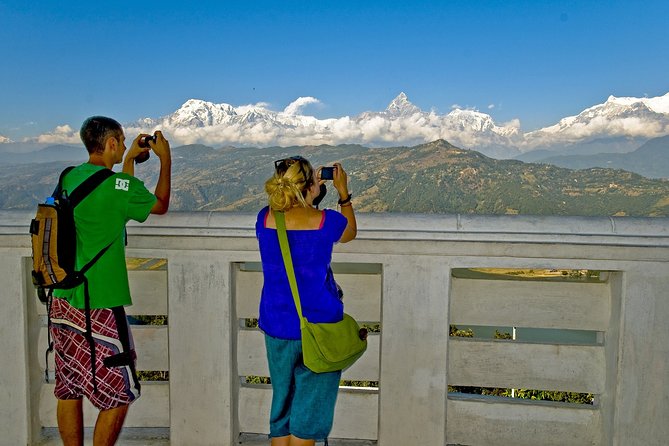
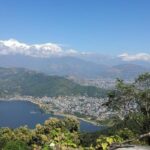
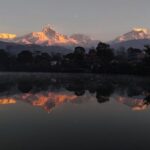
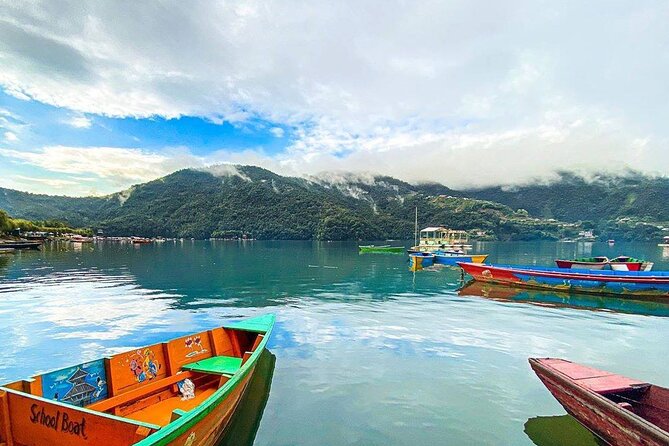
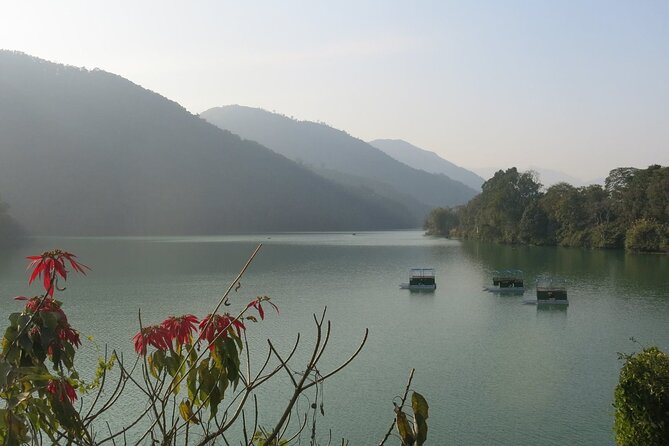
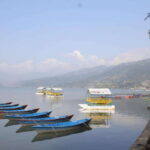
You’ll start at Phewa Tal / Phewa Lake, with about 30 minutes on-site. It’s a straightforward opening stop: you get lake views and the feel of Pokhara right away, without needing to understand any ticketing or logistics on arrival.
Why this is a smart first move: it’s a calmer introduction after travel, and it sets the tone for the rest of the day. After Phewa Tal, you’ll be jumping into more “hands-on” sights—waterfalls, caves, temples, and a river gorge—so beginning with a lake makes the pacing feel more natural.
The main limitation is simple: 30 minutes is just enough to see the area and orient yourself. If you’re hoping for a long lakeside stroll or a boat-style experience, you’ll likely want separate time later in your trip.
Stop 2: Devi’s Fall, Then the Water’s Secret Route at Gupteswar Gupha
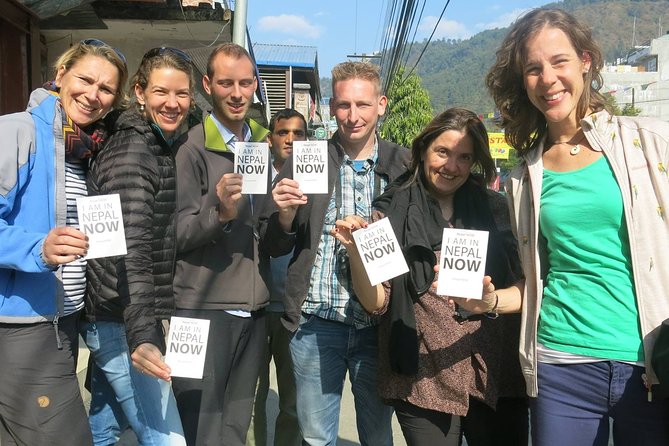
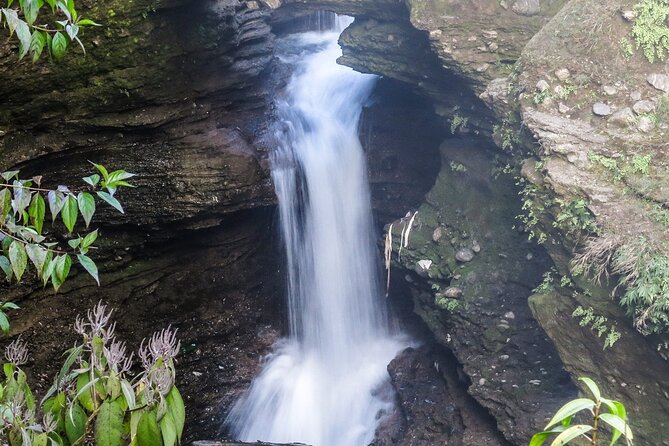
Next up is Devi’s Fall for about 30 minutes. This isn’t just a scenic waterfall. The key detail is that after reaching the bottom, the water forms a tunnel. That makes it feel a little like nature has a hidden passageway right underneath Pokhara.
Then you move to Gupteswar Gupha (Gupteshwor Mahadev Cave) for about 45 minutes. What I like about pairing these two stops is the direct connection: the water from Devi’s Fall passes through this cave system. Even if you’re not a science person, it helps you see the geography as one connected story rather than two separate attractions.
A cave stop can also be a reality check for your comfort level—temps can feel cooler, and walkways can be uneven depending on conditions. Plan for careful steps, keep your phone secure, and don’t treat it like a high-speed sightseeing sprint. 45 minutes gives you time to watch how the site works without feeling trapped in a rush.
Stop 4: Bindhyabasini Temple for Local Faith, Not a Show
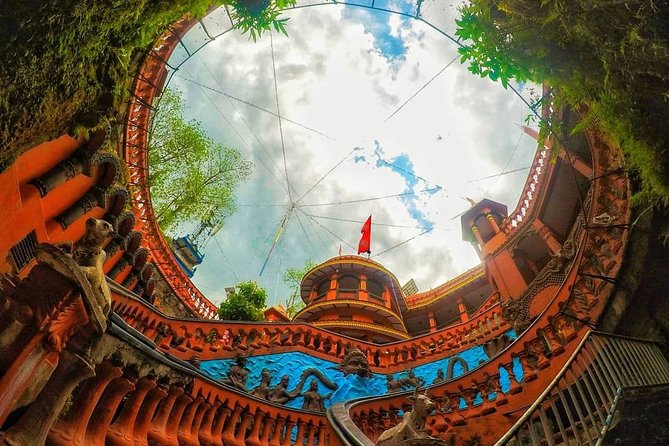
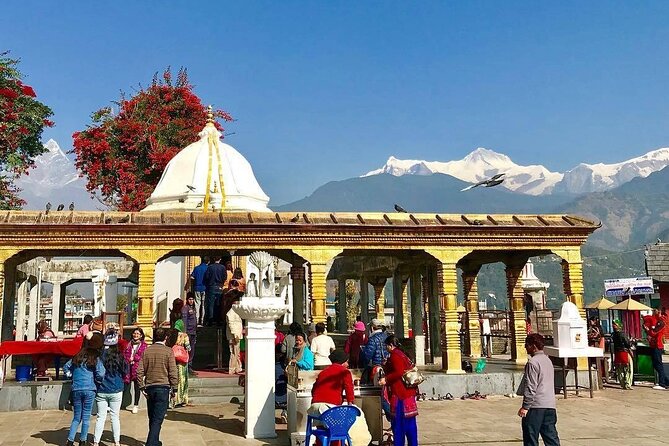
Bindhyabasini Temple is next, with about 30 minutes. This one has a clear cultural role: it’s described as the oldest temple in Pokhara and it’s dedicated to Lord Mata (often referred to as Bindhyabasini). The place draws locals and Nepalis, which is usually a good sign that you’re seeing something lived-in, not just staged for tourists.
In practical terms, temple visits are where you learn the social rhythm of a destination. You’ll see daily devotion in action, and your guide can help translate what you’re noticing—why it matters, what people are doing, and what the site represents.
The drawback is the same as most temple stops: time is limited. Plan to look carefully, then move on. If you want a slower, deeper visit with fewer photo stops, you might wish this were your “main stop” for the day.

Stop 5: Seti River Gorge for a Different Kind of Water View
After the temple, you’ll go to Seti River Gorge / Seti Gandaki River area for about 30 minutes. This is another water feature, but the vibe is different from the lake and waterfall stops. The gorges around Pokhara are described as a major attraction, and you’ll be focusing more on the river’s dramatic setting than a calm view.
Because the stop is short, use the time for the big picture. Look at how the river cuts through the area, then check any viewpoint access you’re offered. If your day is cloudy or visibility is poor, the gorge might feel less impressive than the waterfall earlier—so keep your expectations flexible.
Stop 6: Pokhara Museum for Context You’ll Actually Use
Pokhara Museum is about 40 minutes, and I like adding this to a half-day plan. A museum stop can be hit-or-miss in a short itinerary, but here the tour frames it as education about Nepal’s nature, culture, and adventure.
The value is simple: it gives you background so the outdoor sights don’t feel random. After you’ve seen water and temples, museum context helps you understand how Pokhara fits into broader Nepalese life and landscape-driven culture.
Because it’s only 40 minutes, you won’t read every label. Instead, treat it like a “guided orientation.” If your driver-guide points you to a few key displays, follow their lead—you’ll get more out of the time.
Stop 7: Peace Pagoda for Mountain-and-Lake Views and a Slower Hour
The day ends at the Peace Pagoda (World Peace Buddha Temple) for about 1 hour. This is the longest stop, and it’s also described as offering mountain and lake views. Even if the view isn’t perfect, the time buffer helps you slow down after a day of moving quickly between sites.
A pagoda-style Buddhist monument also gives you a different atmosphere than the temples you visited earlier. It’s more about stillness and viewpoint energy. If you’re traveling with someone who wants a “sit-and-breathe” stop, this is the one.
Practical note: viewpoint conditions can change. If clouds roll in, you might not get the same visual payoff. But the hour is long enough to wait a bit and enjoy the site even if the sky doesn’t cooperate.
Price and Value: What You’re Really Paying for at $80 Per Person
At $80 per person for a private half-day tour, the main question is value: are you paying extra just for convenience, or are you getting something concrete?
Here’s what helps this feel like a fair deal:
- Pickup and drop-off from your hotel or the airport (reduces your planning work).
- Entrance fees and bottled water included (so your “small extras” don’t add up).
- English-speaking driver-guide (context matters when you’re seeing multiple religions and natural sites).
- A private car for 4 to 5 hours (this is the big cost driver in most parts of Nepal).
Also, the itinerary is built around “high-signal” stops. Instead of sprinkling in obscure add-ons, you’re hitting major, recognizable landmarks—Phewa Tal, Devi’s Fall, Gupteswar Gupha, Bindhyabasini Temple, Seti River Gorge, Pokhara Museum, and Peace Pagoda.
The only reason this might feel expensive is if you find you don’t enjoy packed days. If you prefer long stays and slow wandering, you might feel like you’re checking boxes. But if you want an efficient sampler of Pokhara, the price makes sense.
Guide and Organization: What to Watch So Your Day Stays Smooth
Your biggest risk with any half-day itinerary is timing. In feedback, there have been mentions of late arrival and coordination confusion, plus at least one instance where the initial guide didn’t speak English well and a different person was arranged after you contacted the operator.
At the same time, good experiences show that the tour can be adjusted on the fly. One named guide, Moti, is described as having very strong English and the ability to modify the plan if someone didn’t want a certain type of sight involving heights. That’s exactly the kind of flexibility you hope for in a private setting.
My practical advice:
- Confirm pickup timing the day before.
- Have your hotel address ready in a message form.
- If you have a comfort preference (stairs, caves, steep edges), tell your driver-guide early so they can adapt while it’s still easy.
If everything clicks, you’ll feel like you maximized a short Pokhara stay without unnecessary stress.
Who This Tour Fits Best (And Who Might Want Something Different)
This private half-day tour by car is a great match if you:
- Have limited time in Pokhara and want a well-rounded outline.
- Prefer convenience over DIY logistics.
- Want a guide’s explanation for both natural sites and religious landmarks.
- Would rather buy one ticket that includes entrance fees than manage it yourself.
It may be less ideal if you:
- Want to spend long hours in only one or two places.
- Get stressed by tight schedules and quick transitions.
- Expect every stop to feel unhurried. This is built for coverage, not lingering.
Should You Book This Half-Day Pokhara Tour by Car?
If your goal is efficient sightseeing with minimal planning, I’d say yes. The pickup/drop-off, included entrance fees, and the mix of lake, water features, temples, a museum, and a long Peace Pagoda visit add up to a strong use of a half day.
But if you’re the type who hates any risk of delays, do a little prep and confirm your pickup in advance. With that one step, the tour becomes the kind of itinerary that works nicely for first-timers who want a real sense of Pokhara without a long itinerary.
FAQ
How long is the Private Half Day Tour Highlights of Pokhara by Car?
The tour lasts about 4 to 5 hours.
Do I get pickup from my hotel or from Pokhara Airport?
Yes. Pickup is offered from your hotel or from the Pokhara Airport.
Is this tour private or shared?
It’s a private tour/activity, so only your group participates.
What sights are included in the itinerary?
The itinerary includes Phewa Tal, Devi’s Fall, Gupteswar Gupha, Bindhyabasini Temple, Seti River Gorge, Pokhara Museum, and Peace Temple.
Are entrance fees included?
Yes. All entrance fees are included.
Is bottled water provided?
Yes. Bottled water is included.
Does the guide speak English?
The tour includes an English-speaking driver as a guide.
Can I choose the starting time?
Yes. Starting time is flexible from early morning to early afternoon.
What is the cancellation policy?
You can cancel for free up to 24 hours in advance for a full refund.
Is the tour suitable for most travelers?
The tour notes that most travelers can participate.
If you want, tell me your travel dates and preferred start time (morning or afternoon), and I’ll help you pick which stops to prioritize if you want a slightly calmer pace.