REVIEW · KATHMANDU
Kathmandu: 2 Nights 3 Days Chisapani Nagarkot Trek
Book on Viator →Operated by Breakfree Adventures Pvt. Ltd. · Bookable on Viator
Ever dreamed of Everest views without a full-on altitude fight? This 2-night, 3-day trek from Sundarijal to Changu Narayan via Nagarkot is built for big panorama moments, with a private guide handling permits, lodge stays, and transfers so you can focus on the trail and the views.
I especially like how the route gives you Himalayan sightlines without the stress of high-altitude hiking. You also get a very practical setup: private hotel-to-trek transport, comfortable lodge accommodation (with attached bathrooms), and breakfast each morning.
One thing to keep in mind: the best views depend on weather clarity, and you may not see Everest every day.
In This Review
- Key things to love about this Kathmandu trek
- Why this trek is a smart choice for Everest-style views
- Price and value: what your $190 covers (and what it does not)
- Day 1: Sundarijal Reservoir trail, Shivapuri Park, and a Chisapani lodge night
- Day 2: Forest uphill, village steps, and the Nagarkot viewpoint payoff
- Day 3: Sunrise wake-up, Changu Narayan UNESCO temple, and the return to Kathmandu
- Guide support and pacing: why this trek feels easier than it looks
- What to pack and how to prepare (so the stairs do not bully you)
- Weather reality: when Everest appears, and when it does not
- Who should book this trek (and who should consider another option)
- Should you book Kathmandu: 2 Nights 3 Days Chisapani Nagarkot Trek?
- FAQ
- How long is the trek?
- Where does the trek start and where does it end?
- Are lunch and dinner included?
- Is a porter included in the price?
- What permits are included?
- Is the Changu Narayan temple entrance fee included?
- Is sunrise included?
- Is this a private tour?
Key things to love about this Kathmandu trek
- Private guide takes care of permits and paperwork, plus daily logistics
- Two-way private transfers in and out of Kathmandu make arrival and departure easier
- Chisapani and Nagarkot lodge stays include breakfast with attached bathrooms
- Nagarkot viewpoint time, including the view tower stop
- Early sunrise routine on Day 3 for your best chance at clear mountain light
- Stair-and-slope trekking, but guided pacing keeps it manageable for beginners
Why this trek is a smart choice for Everest-style views
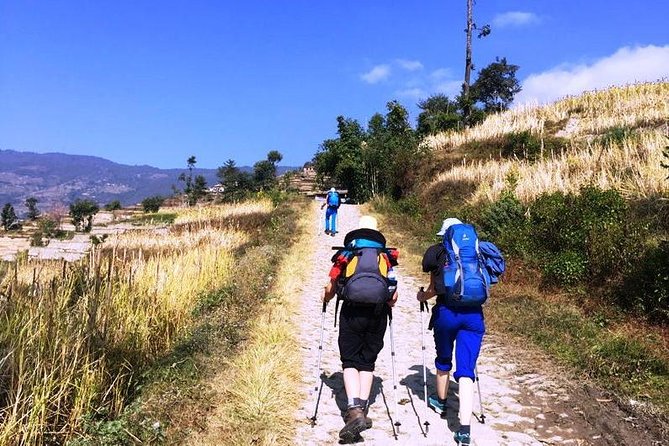
If you want Himalayan views but do not want to sign up for an extreme altitude challenge, this route fits well. You start near Kathmandu in the Sundarijal area, hike through a mix of forest paths, village lanes, and hillside footpaths, then base yourself in places known for their vantage points—especially Nagarkot.
What makes the experience feel more relaxed than many treks is the way everything around the hiking is organized. You are not left figuring out permits, lodging, or how to get between the start and finish points. Your licensed guide handles the practical side, and you set the pace with support from the guide during the walk. If you need a porter, the option exists as an extra cost, which is useful if you want lighter hiking without changing the plan.
The other major win is comfort. You do not just “camp and hope.” You get lodge accommodation in Chisapani and then Nagarkot, with breakfast included, and attached bathrooms at the lodges. That means you can spend more energy on walking and photos, and less energy on logistics.
You can also read our reviews of more hiking tours in Kathmandu
Price and value: what your $190 covers (and what it does not)
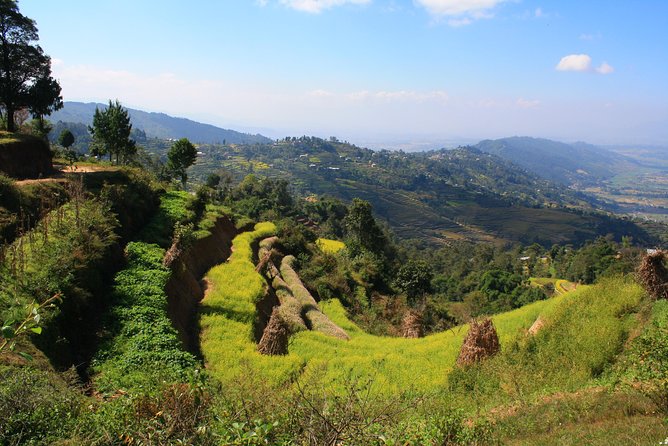
At $190 per person, this trek can feel like good value if you compare it to the cost of cobbling together transport, permits, guides, and overnight stays on your own. You are paying for an end-to-end structure: Kathmandu pickup and drop-off, private vehicle transfers to the trek start, lodge nights, a licensed guide, and the hiking and national park permits.
Here is what matters for your decision:
- Your overnight stays are included (Chisapani first, Nagarkot second), and breakfast is included each day.
- Permits and required paperwork are handled for you.
- You get private vehicles between Kathmandu and the trail start/end points.
What is not included is also important: lunch and dinner (drinks and meals) are on you, as are tips for staff and drivers. If you want a porter, that is extra too.
In other words, you are not paying just for a guide to walk with you. You are paying for the whole framework that makes a short trek actually feel like a short trek.
Day 1: Sundarijal Reservoir trail, Shivapuri Park, and a Chisapani lodge night
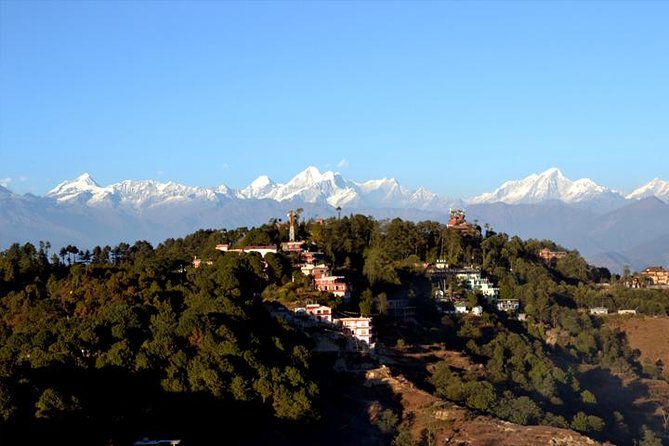
Your day starts with a Kathmandu hotel meet-up, then a private drive to Sundarijal (about an hour). The trek begins uphill following a large water pipe coming down from the reservoir. That detail sounds small, but it helps with orientation early on. Instead of guessing where to go, the start feels guided and straightforward.
Soon you move into the wider area of Shivapuri National Park, which is closer to Kathmandu than you might expect. On Day 1 you also get a short, easy stop at Sundarijal Water Falls. This is brief—about ten minutes—and admission is free, so it works as a break without stealing too much hiking time.
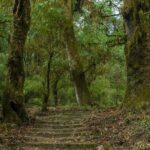
The practical part of Day 1 is building your routine: a steady uphill start, then a rhythm you can maintain as the trail continues. This is the kind of trek where you will likely notice stairs and climbing, but the walk is still feasible if you keep a steady pace. The guide approach matters here. A private guide can slow down for breath, adjust timing, and keep you comfortable instead of pushing you too hard too early.
At the end of the hiking day, you transfer to your lodge in Chisapani for the first night. You are set up for comfort with breakfast included and an attached bathroom, which is a real quality-of-life upgrade after a walking day.
Day 2: Forest uphill, village steps, and the Nagarkot viewpoint payoff
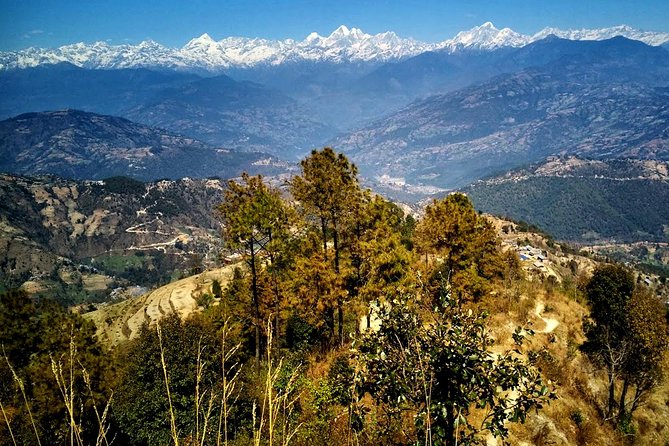
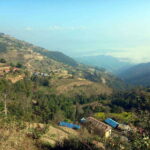
Day 2 starts after breakfast. The trail pattern is classic Nepal trekking: you climb through a lush forest for a while, then you descend toward areas like Jhule and Chauki Bhanjyang. After that, the route crosses villages and terraced fields, so you get a more lived-in feel than purely wilderness hiking.
This is the day where you should expect more variety in the scenery and footing. You are moving between forest sections, downhill segments, and stretches that follow village edges and farmland. If you are the kind of person who likes photos but also hates rushing, Day 2 is often a sweet spot because the route naturally slows you down.
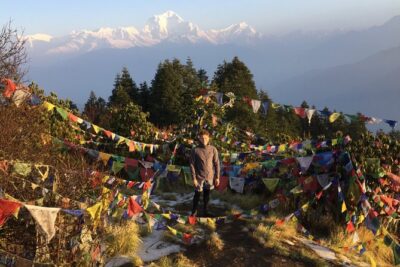
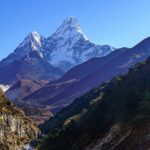
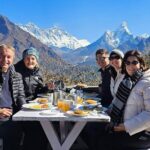
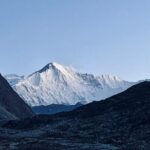
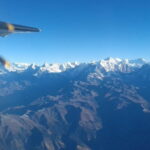
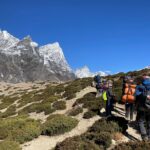
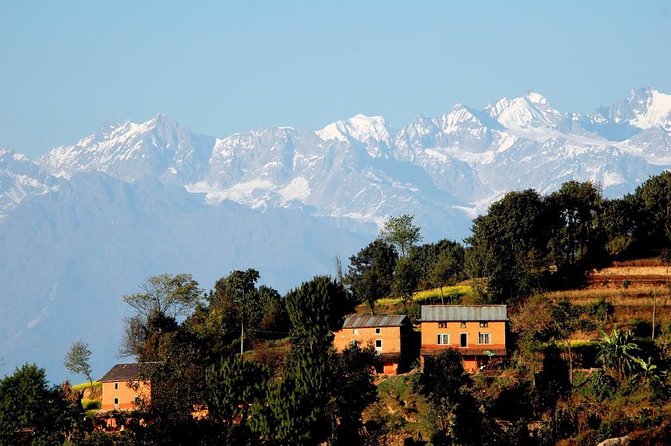
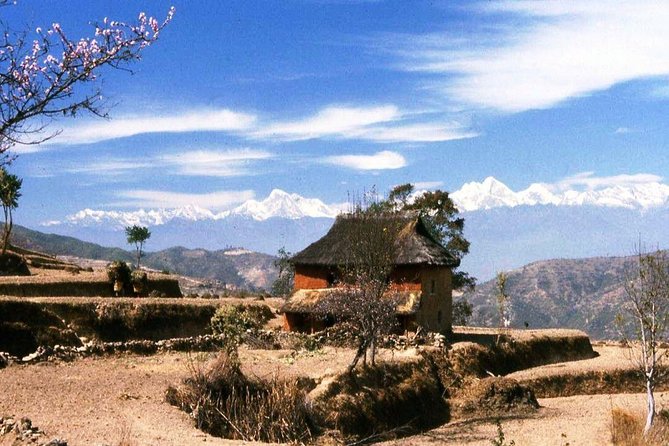
Then comes the main reward: Nagarkot. The schedule gives you time in Nagarkot itself (the plan includes a long window on Day 2), plus a stop at the Nagarkot View Tower (about 30 minutes). This is where you look outward for panoramic Himalayan views, and on clear days you can see major peaks such as Everest—along with others like Kanchenjunga and Annapurna.
A quick reality check: mountain views can be a weather coin flip. If clouds sit in the wrong place, the horizon can blur. The trek is still worth it on a gray day because you are hiking, watching village life pass by, and getting dramatic light changes—but if your goal is a sharp Everest view, Day 2 and Day 3 conditions matter.
You finish Day 2 in Nagarkot with another lodge night and another included breakfast. The attached bathroom again helps you stay comfortable.
Day 3: Sunrise wake-up, Changu Narayan UNESCO temple, and the return to Kathmandu
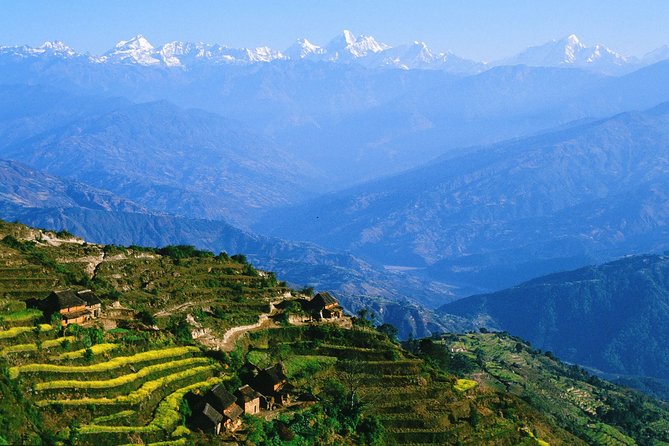
Day 3 is built around a morning mission: early wake-up to catch sunrise over the Himalayas. This is the hardest part of the itinerary in terms of timing, but it is also why the trek exists. The difference between waking at the right hour and missing it is huge for mountain light and visibility.
After breakfast, you hike up toward Changu Narayan, passing through areas like Telkot on the way. En route, the plan includes a bird’s-eye view of Bhaktapur, which is one of those bonus perspectives that makes a short trek feel bigger than it is.
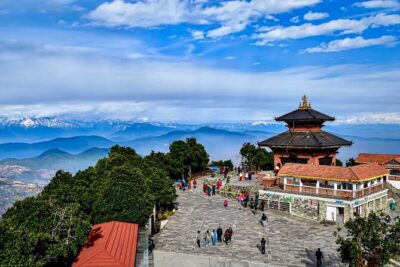
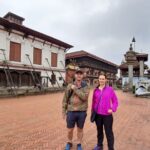
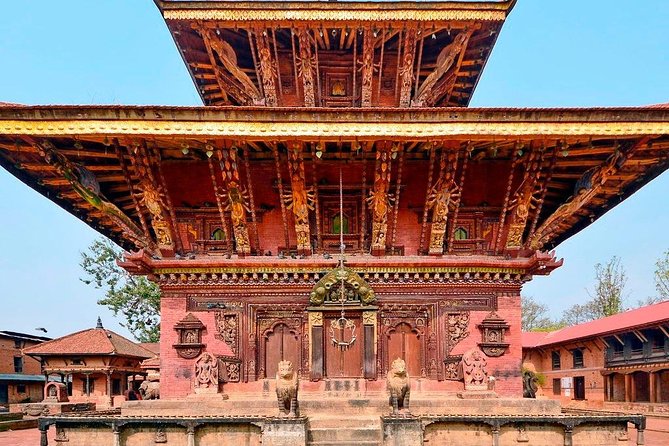
Your destination is Changu Narayan Temple, a Hindu temple that is listed as a UNESCO World Heritage Site. You will have time at the temple area (the plan notes around 30 minutes). One important detail: admission for Changu Narayan is noted as not included, so budget a small amount for entry. (By contrast, the earlier stops like Sundarijal Water Falls and the Nagarkot viewpoint tower are listed as free.)
After your temple time, you finish the trek and then travel back to Kathmandu by private vehicle. That private ride matters more than it sounds. Short treks can feel exhausting when you have to coordinate public transport at the end. Here, you transition smoothly back to city life.
You can also read our reviews of more tours and experiences in Kathmandu
Guide support and pacing: why this trek feels easier than it looks
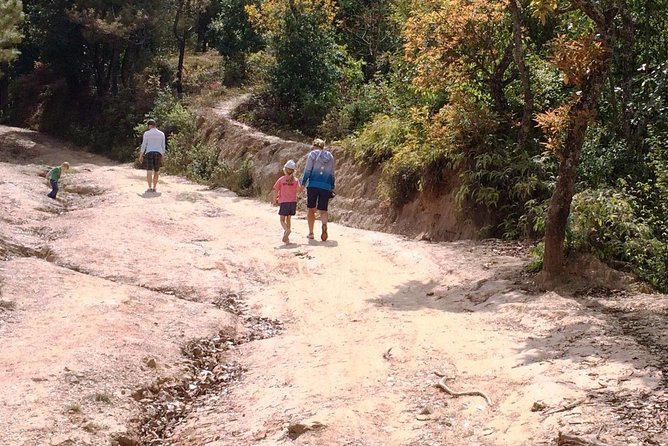
The hiking portion includes uphill stretches and stair climbing, which you should expect in this region. The good news is that you are not doing it alone. A highly experienced licensed guide is part of the package, and the pacing is flexible.
This is one of those details that changes the entire experience. If you are a beginner, it helps to have someone who knows how to break the day into manageable sections and who can keep you moving without turning every hill into a crisis. If you are more experienced, you still benefit because the guide can set a pace that balances walking time and viewpoint timing.
Porters are also an option if you want extra help carrying your stuff. They are not included in the base price, but the fact that they can be arranged means you can tailor effort level without changing the trek.
What to pack and how to prepare (so the stairs do not bully you)
You do not need technical gear for this trek, but you do need basic trekking sense. The itinerary implies regular stepping up and down, with stairs and uneven footpaths in places.
I suggest you plan for:
- Good walking shoes with grip for stairs and slopes
- A light layer system for morning cold, especially since sunrise is on the plan
- A small day pack for water and snacks (water access is not specified, so keep your own plan)
- Sun protection and rain protection, because weather can shift fast near Kathmandu
Also, be honest about your fitness. The plan is described as suitable for moderate physical fitness, and that matches how the route feels: demanding enough to be real, but not framed as an endurance-only challenge. If you can handle an hour or two of steady walking with breaks, you will likely be fine.
Weather reality: when Everest appears, and when it does not
This trek is marketed around Himalayan panorama, and it is clear why: Nagarkot is famous for those wide mountain views. Still, the plan explicitly notes that the experience requires good weather. That means if visibility is poor, the peaks may not show sharply.
When views are limited, you will still enjoy the walk, especially the village-and-terrace sections and the sunrise effort. Sunrise days tend to feel special even when the mountain outlines are faint. You are walking through calm morning air, and the light can still be dramatic over the hills.
Who should book this trek (and who should consider another option)
This is a great fit if you:
- Want a short trek near Kathmandu with big viewpoint goals
- Are traveling with moderate fitness and want a private guide to manage pacing
- Value included logistics like permits, lodges, and private transfers
- Prefer comfortable lodge nights with attached bathrooms instead of rougher camping
It is not ideal if you:
- Hate early mornings (Day 3 starts with a sunrise wake-up)
- Need guaranteed Everest visibility regardless of clouds (no short trek can promise that)
If you are unsure, this itinerary is one of the safer bets for first-time Nepal trekking because it stays focused on views and manageable distance rather than extreme altitude.
Should you book Kathmandu: 2 Nights 3 Days Chisapani Nagarkot Trek?
Book it if your goal is Himalayan viewpoints with less risk than high-altitude treks, and if you want someone else to handle the permit and lodge maze. The combination of private transport, included lodges with attached bathrooms, and a guide who helps you match your pace makes it feel efficient and not overly stressful for a 3-day timeframe.
Hold off if your main requirement is a crystal-clear Everest photo every morning. Weather can be the spoiler, and the route is dependent on clarity for the most dramatic peak spotting. Still, even with mixed visibility, you get a well-paced hiking day structure, UNESCO temple time at Changu Narayan, and the kind of sunrise morning that tends to stick with you.
If you are aiming for the best weather window, plan a little buffer. This tour is often booked about a month in advance, which is a clue that good dates go first.
FAQ
How long is the trek?
The itinerary runs for about 3 days, with 2 nights of accommodation.
Where does the trek start and where does it end?
It starts at Sundarijal, and it ends at Changu Narayan, with private vehicle transfer back to Kathmandu.
Are lunch and dinner included?
No. Drinks and meals such as lunch and dinner are not included. Breakfast is included each day.
Is a porter included in the price?
A porter is not included. You can arrange one if needed as an extra cost.
What permits are included?
The plan includes a hiking permit and a national park permit.
Is the Changu Narayan temple entrance fee included?
No. Admission for Changu Narayan is listed as not included.
Is sunrise included?
Yes. Day 3 includes an early morning wake-up to observe sunrise over the Himalayas.
Is this a private tour?
Yes. It is described as a private tour/activity, with only your group participating.