REVIEW · KATHMANDU
Kathmandu/Pokhara: 3 Day Chitwan Jungle Safari Tour
Book on GetYourGuide →Operated by Rainbow Adventure & Travel · Bookable on GetYourGuide
Jeep tracks and jungle birds deliver in Chitwan. I like this tour because it pairs a jeep safari with a Rapti River canoe ride, so you see wildlife from both land and water. The timing is also built for prime animal activity, starting with an early pickup from Kathmandu or Pokhara.
I also love the human part: you get a Tharu village visit and an evening cultural dance show, not just animals from behind a vehicle. Add comfortable jungle-lodge stays and daily meals, and the whole thing feels like a proper mini-reset in Nepal’s subtropical lowlands.
The main drawback to keep in mind is travel fatigue. The road transfer can be long (people report anything from about 6–7 hours to longer bus days), and bus seating can be hit or miss, especially on the return.
In This Review
- Key highlights worth your attention
- Why Chitwan National Park is a “different” kind of Nepal safari
- The value math: what $129 covers (and what you’re really buying)
- Getting to Chitwan from Kathmandu or Pokhara: the part you should plan for
- Day 1 in Chitwan: Tharu village, sunset tour, and a night culture show
- Day 2’s best mix: Rapti River canoe, birdwatching, elephant breeding center, jeep safari
- Rapti River canoe ride
- Nature walk and birdwatching
- Elephant breeding center visit
- Jungle jeep safari
- Day 3: departure pacing and the optional early birdwatching walk
- What wildlife sightings feel like in Chitwan (and how to set your expectations)
- Where you sleep and eat: jungle lodge comfort with a few real-world quirks
- What to bring, and what not to bring
- Who this 3-day Chitwan tour is best for (and who should skip it)
- Should you book this 3-day Chitwan safari?
- FAQ
- Where does the pickup happen?
- How long is the Chitwan safari tour?
- What’s included in the price?
- What activities are part of the tour?
- Are meals provided during the trip?
- Is the group private or shared?
- What languages does the guide speak?
- Is this tour suitable for people with animal allergies?
Key highlights worth your attention
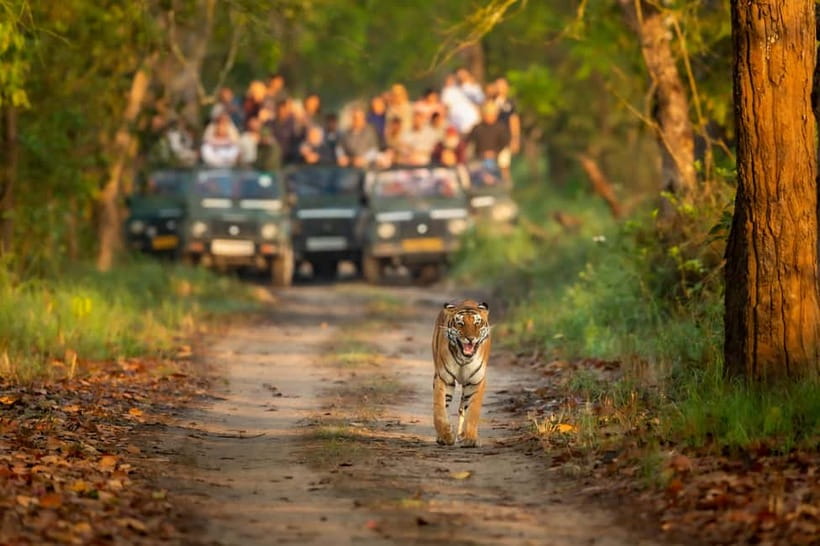
- Jeep + canoe combo for wildlife sightings from different angles
- Tharu village culture and a night performance with live drumming
- Rapti River boat time for crocodile-spotting opportunities and birdwatching
- Elephant breeding center stop as a focused change of pace
- Birding in Chitwan with the chance for an early Day 3 walk
- Pickup at 6:30 AM from Kathmandu or Pokhara hotels, built for wildlife hours
Why Chitwan National Park is a “different” kind of Nepal safari
Chitwan National Park sits in Nepal’s southern lowlands, where the air is warm, thick with greenery, and tuned for wildlife activity. It’s a UNESCO World Heritage Site, and it’s one of Asia’s most famous places to do a guided safari without feeling like you’re in a theme park.
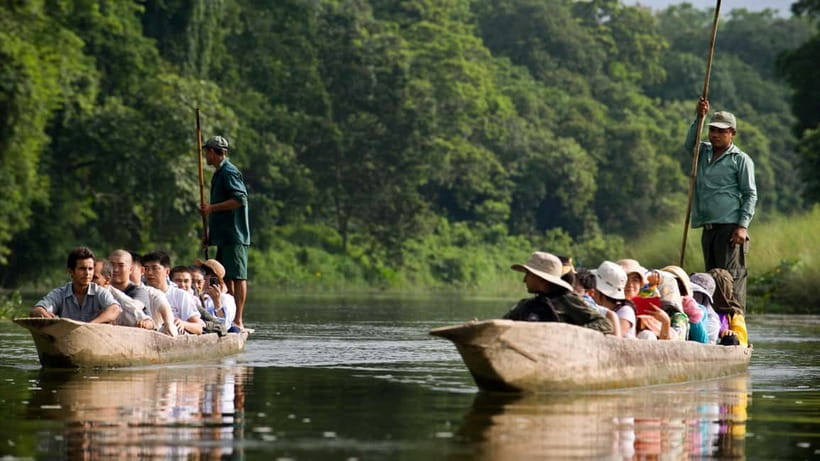
What makes this tour especially appealing is how it matches you with the park’s rhythms. You’re not only doing one style of wildlife hunt. You’re mixing jeep driving with a dugout canoe on the Rapti River, plus nature walks and birdwatching. That matters because some animals are easier to spot from the water, while others show up more reliably from ground-level trails.
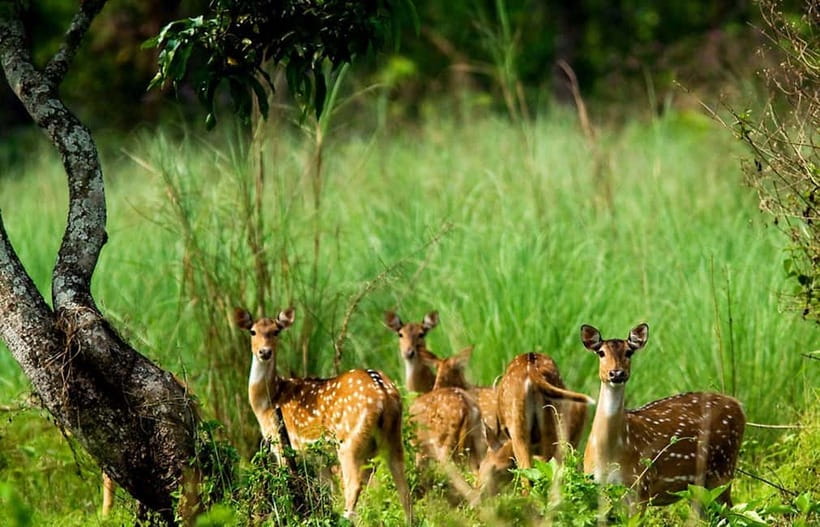
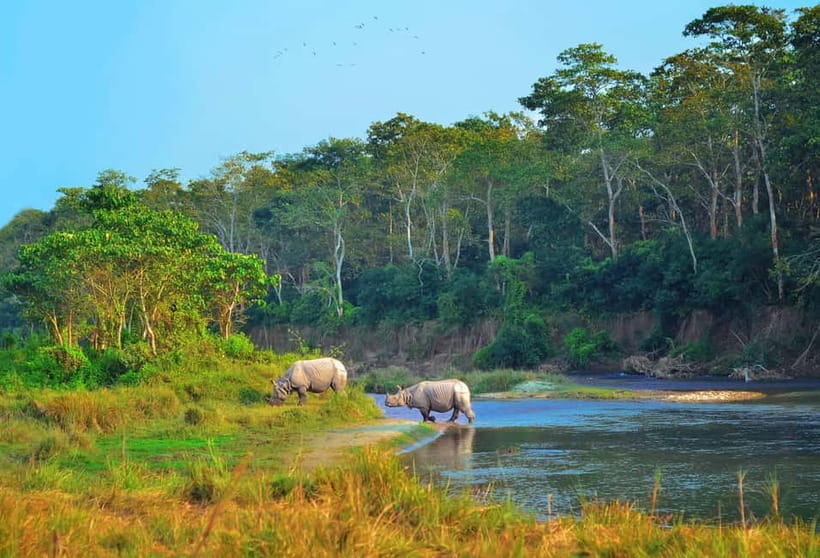
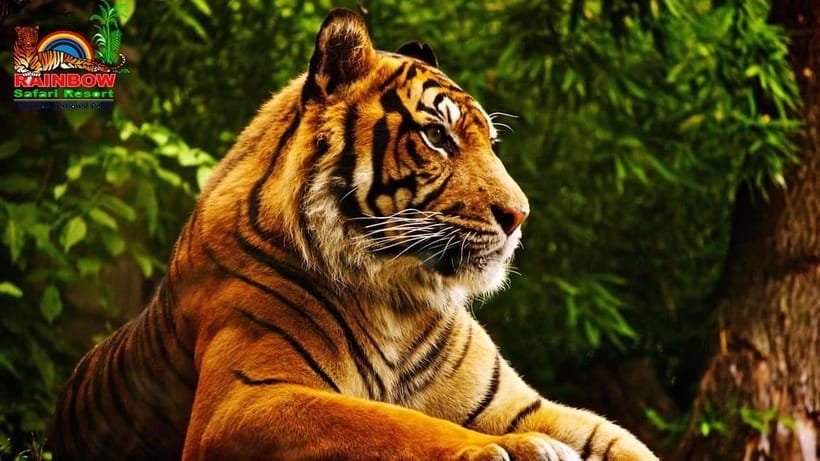
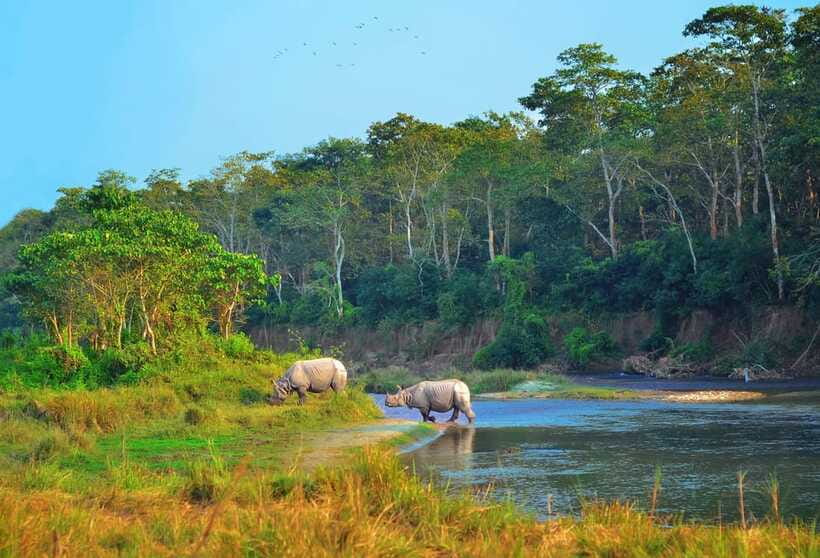
And yes, the big names are part of the pitch for a reason: you may encounter one-horned rhinos, crocodiles, deer, monkeys, and—when luck and timing line up—predators like tigers and leopards. Also, with 500+ bird species in the park, the birding side is not an add-on. It’s often one of the day’s most rewarding moments.
You can also read our reviews of more tours and experiences in Kathmandu
The value math: what $129 covers (and what you’re really buying)
At $129 per person for a 3-day Chitwan safari, the value comes from the “all-in” structure. You’re not just paying for the animal time. You’re paying for the logistics of getting you there, feeding you, guiding you, and covering the park access costs.
Here’s what you should treat as the core of the value:
- Pickup and drop-off from Kathmandu or Pokhara hotels (with transfer to the bus stand)
- All meals: breakfast, lunch, and dinner during the trip
- Accommodation at a jungle lodge / eco-resort type property
- English-speaking trained naturalist guide
- Park entrance fees and jungle activities (jeep safari, canoe ride, nature walks, birdwatching)
- Tharu village tour and the cultural dance show
- An elephant breeding center visit during the safari day
In plain terms: if you tried to assemble this yourself, you’d spend time coordinating transport, tickets, guide hours, meals, and multiple activity locations. This package bundles all of that into one schedule, which is exactly what you want when your goal is wildlife time, not planning time.
Getting to Chitwan from Kathmandu or Pokhara: the part you should plan for
This tour runs from either Pokhara or Kathmandu, with hotel pickup at 6:30 AM. Then you’re looking at a significant road transfer. People report roughly 6–7 hours to Chitwan in at least some cases, and others note bus timing stretching longer due to group logistics.
Two practical notes if you want the day to feel easier:
- Bring patience for the bus. This isn’t a fast hop.
- Keep an eye on where you’re seated on the vehicle, especially if you’re traveling solo and the group size changes during loading.
Also, the tour doesn’t describe flying. So if you’re sensitive to long ground travel, you’ll want to judge your own comfort level realistically. The upside is that the schedule starts early, which helps you reach activities at the right times for wildlife and bird activity.
Day 1 in Chitwan: Tharu village, sunset tour, and a night culture show
Day 1 is designed to get you oriented fast and help you shift from city pace into park pace.
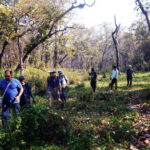
After arrival, you start with a Tharu village tour. This is the cultural connection that gives Chitwan more meaning than “just animals.” You learn about customs and daily life, and you get a look at the resilience and history of the indigenous Tharu community. It’s also a nice way to reset your brain before the more unpredictable nature activities.
Then comes the sunset tour. Even if you’re not chasing a checklist species, sunset is when the park’s mood changes. Light gets softer, movement becomes easier to see, and guides can often point out signs you’d miss on your own—tracks, calls, and the general “where to look” logic of Chitwan.
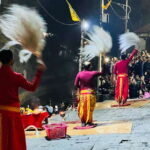
In the evening, you finish with a Tharu cultural dance performance, including colorful costumes and live drumming. People mention highlights like the peacock dance, which gives the night show a more specific, memorable feel.
A small practical tip: wear comfortable clothes you can move in. Village visits and evening events both involve walking and standing more than you might expect.
Day 2’s best mix: Rapti River canoe, birdwatching, elephant breeding center, jeep safari
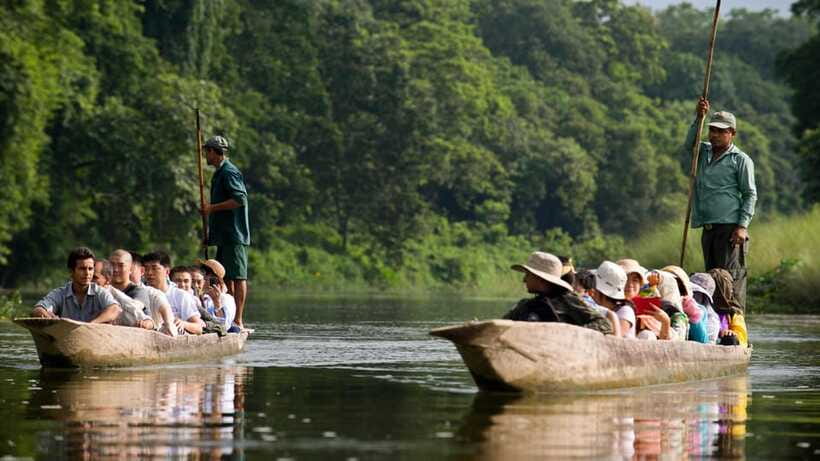
Day 2 is the big day for variety. You’re stacking activities so your chance of wildlife sightings increases, and so the day doesn’t become repetitive.
You can also read our reviews of more tours and experiences in Kathmandu
Rapti River canoe ride
You start with a canoe ride on the Rapti River. This is typically a calm, scenic activity compared with the jeep side, which makes it a relief after travel. It’s also built for birdwatching and crocodile-spotting opportunities. Even if you don’t see a crocodile every moment, the value is that you’re watching wildlife from a quieter, slower pace—exactly when some animals feel less guarded.
Nature walk and birdwatching
Next is a nature walk and birdwatching. With Chitwan’s bird diversity (500+ species is the figure given for the park), these moments can become the “quiet highlight” of the day. You’ll notice what a good naturalist guide does: they point out calls and movement, not just the animal itself.
This is also the day when you’ll feel how Chitwan’s ecosystems layer together—water edges, forest edges, and open patches all bring different species into view.
Elephant breeding center visit
Midday (or later in the day, depending on the flow) includes a visit to an elephant breeding center. This stop breaks up the safari tempo and adds a conservation and education angle. If you like learning how wildlife programs work, this is the “brains of the day” moment.
Jungle jeep safari
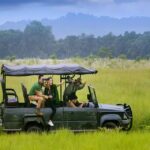
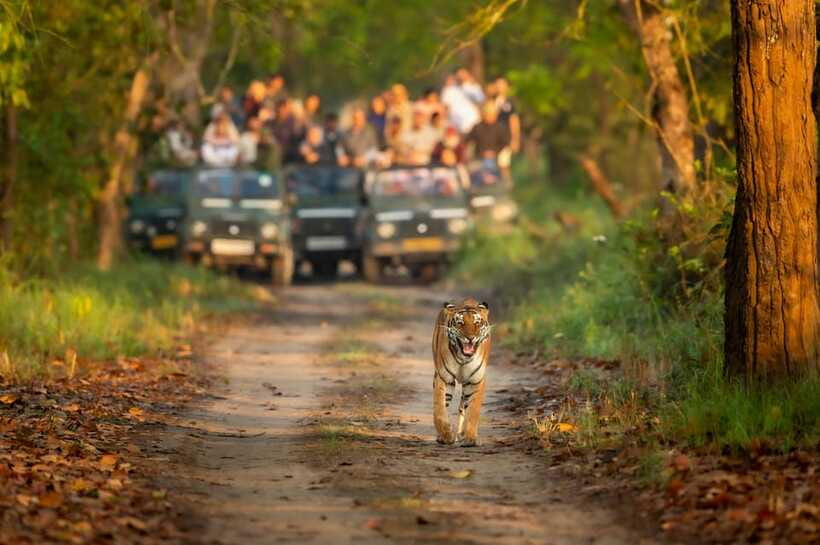
Finally, you end with a jungle jeep safari. This is where you’re most likely to get classic big-moment wildlife spotting: rhinos, deer, crocodiles at a distance (depending on where you are), and occasionally predators when sightings line up.
One smart thing about the tour format is that the guide’s job is not just driving. It’s scanning—spotting animals that look impossible to see until someone shows you the exact shape and motion.
Day 3: departure pacing and the optional early birdwatching walk
Day 3 is lighter by design: breakfast and departure. If you have the energy, there’s an optional early morning birdwatching walk before you head back to Kathmandu or Pokhara.
That optional morning step is worth taking seriously. In many wildlife parks, early light and early movement are when you see the best variety of birds. Even if you’re mainly on the trip for bigger mammals, this tends to be the best “slow travel” moment of the whole itinerary.
Then you’ll return by the tour’s transfer route. Expect it to feel long again, based on how the road transfers have been described, especially on the way back.
What wildlife sightings feel like in Chitwan (and how to set your expectations)
Let’s be practical: no safari can guarantee rhinos or tigers on a specific schedule. But this tour is structured to maximize your odds through the combination of:
- Different viewing methods (jeep vs. canoe vs. walking)
- Time-of-day planning (early pickup and sunset / morning options)
- An experienced naturalist guide trained to spot animals and signs
If you want a realistic sense of what you might see, the included activities align with sightings like:
- One-horned rhinoceros
- Crocodiles (especially connected to the river/boat side)
- Deer
- Monkeys
- Birdlife across hundreds of species
- Predators like Bengal tiger and other large cats when conditions are right
Also, some guides are singled out by name in the tour experience. For example, Babu is mentioned for spotting animals that others might miss, and Ramesh Dahal gets praise for helping run the team experience. It’s a good sign when your guide is actively “reading” the park rather than just following a route.
Where you sleep and eat: jungle lodge comfort with a few real-world quirks
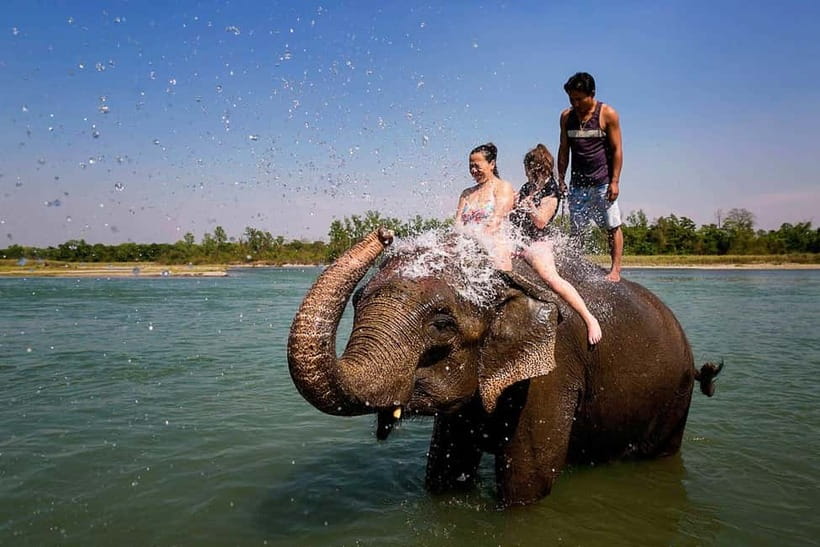
This tour includes accommodation at a jungle resort or eco-resort setup, with Nepali meals served daily. The goal is a comfortable base so you can recharge between safari sessions.
From the reports, the experience often feels friendly and well-run, with positive comments about staff and food. People also mention clean rooms in at least some stays, plus hot showers—important after walking in Nepal’s heat.
But there are a couple of comfort cautions you should know:
- Some guests have reported room cleanliness issues like sheets not feeling fresh.
- Power cuts have been mentioned as a real possibility.
- Since this is a lodge setting in a wildlife area, you should expect a “rustic practical” side, not a hotel tower.
If you’re picky about bedding freshness or you need stable electricity, pack a little flexibility. Bring a travel towel or a light layer for sleeping if that comforts you.
What to bring, and what not to bring
You’ll be outside most of the time, plus you’ll do walking and waiting. Bring:
- Comfortable shoes
- Sunglasses
- Sun hat
- Breathable clothing
And one clear no:
- Drones are not allowed.
If you’re prone to sunburn or eye fatigue, protect yourself early. Chitwan’s lowland sun can be intense, even when the air feels thick and warm rather than crisp.
Who this 3-day Chitwan tour is best for (and who should skip it)
This is a strong match for:
- Animal lovers who want both big wildlife chances and birdwatching
- Couples and families who want a guided plan with meals and lodging handled
- Travelers who like culture as a side dish, not as a separate day trip
- Anyone who wants a mix: jeep safari energy plus the calmer canoe pace
It’s not a good fit if you have animal allergies, since the park environment is part of the package.
If you’re traveling solo, it can still work, but you should mentally prepare for bus seating changes since transport logistics can vary with group size.
Should you book this 3-day Chitwan safari?
I’d book it if you want a ready-made package that hits the key Chitwan ingredients: jeep safari, Rapti River canoe ride, birdwatching, a Tharu village cultural visit, and an elephant breeding center stop—all with meals and lodging included. At $129 for three days, you’re paying for structure, not just driving around hoping for the best.
I’d think twice if you:
- Hate long road transfers and want the easiest travel day possible
- Have strict comfort needs for bedding cleanliness or stable electricity
- Have animal allergies
If you do book, your best move is simple: plan for the bus day, wear sun protection, and trust your naturalist guide’s scanning skills. Chitwan rewards the people who slow down enough to notice what’s already there.
FAQ
Where does the pickup happen?
Pickup is included from hotels in Kathmandu or Pokhara. The pickup time is 6:30 AM.
How long is the Chitwan safari tour?
The tour duration is 3 days.
What’s included in the price?
It includes pickup and drop-off at the bus stand, all meals (breakfast, lunch, and dinner), transportation, an English-speaking naturalist guide, accommodation at the jungle resort, jungle activities, and national park entrance fees.
What activities are part of the tour?
You’ll have a jungle jeep safari, a canoe ride on the Rapti River, jungle walks and birdwatching, a Tharu village tour, a Tharu cultural dance show, and a visit to an elephant breeding center.
Are meals provided during the trip?
Yes. Breakfast, lunch, and dinner are included.
Is the group private or shared?
The tour is listed as a private group.
What languages does the guide speak?
The guide can speak English, Hindi, and Chinese.
Is this tour suitable for people with animal allergies?
No, it’s not suitable for people with animal allergies.