REVIEW · POKHARA
2-Day Private Trekking Tour to Australian Camp & Dhampus
Book on Viator →Operated by Breathe Nepal Trekking · Bookable on Viator
Seeing the mountains is the whole point.
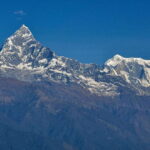
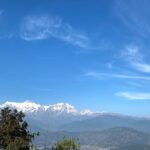
This 2-day private trek from Pokhara to Dhampus and Australian Camp is built for one thing: getting you up high enough to catch clear views of the Annapurna Range. You’ll move from Kande (1,770 m) through forests and rice fields, then sleep in a guest house with your next day starting early for a sunrise hunt. I love how the route mixes real village life—farm fields, quiet paths, and Nepalese communities—with the big payoff of panoramic mountain views at sunset and sunrise.
Two things I also really like: the English-speaking, professional guide (with insurance covered), and the fact that this trek is short enough to feel doable even if you’re not training for long hikes. One possible drawback to keep in mind: lodge comforts are simple. The guest house doesn’t provide towels or toiletries, and drinks aren’t included, so you’ll want to pack smart and plan for basic facilities.
In This Review
- Key Highlights You’ll Actually Feel on This Trek
- First Step: Getting From Pokhara to Kande (1,770 m)
- Day 1: Dhampus to Australian Camp for Sunset and Night Views
- What you should watch for on Day 1
- Day 1 Overnight: Guest House in the Hills (Simple, With a View)
- Day 2: Early Sunrise Over the Annapurna Range from Dhampus
- After sunrise: how long the walking part feels
- The Private Guide Factor: What a Good English-Speaking Leader Changes
- Price and Value: Why $99 Can Be Fair for This Trek
- Route Reality: Forests, Rice Fields, and Village Paths
- Packing Checklist (Based on What’s Not Included)
- Who This Trek Fits Best
- Should You Book the 2-Day Private Trek to Australian Camp & Dhampus?
Key Highlights You’ll Actually Feel on This Trek
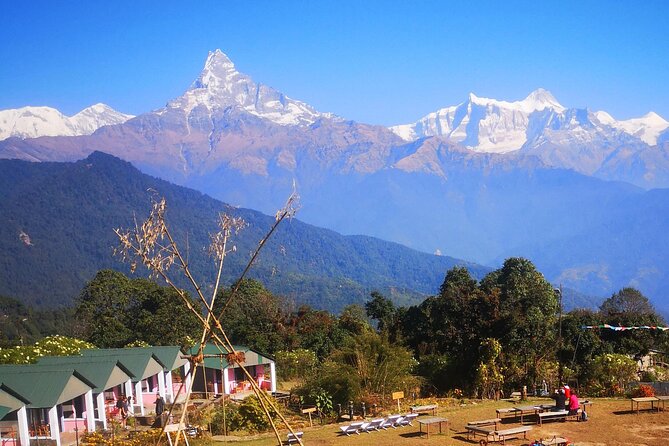
- Australian Camp (2,065 m) views: the classic Annapurna panorama spot, especially around sunset and sunrise
- Village walking, not just viewpoint hopping: you’ll pass through places where daily farming life continues while you hike
- Private experience for your group: you’re not sharing the trek with strangers
- Meals + guest house included: breakfast, lunch, and dinner plus an overnight stay
- Early start for the Annapurna sunrise: you’ll rise early from Dhampus for mountain views
- Guides named in real feedback: people specifically praised help from guides like Kumar and Roman
First Step: Getting From Pokhara to Kande (1,770 m)
Pokhara is the starting point, and the rhythm here is easy to grasp: you travel in the morning, then walk. You’ll be picked up from your Pokhara hotel after breakfast, with a drive that takes you to Kande (1,770 m). In practice, you should expect about an hour of transfer time depending on traffic and pickup logistics.
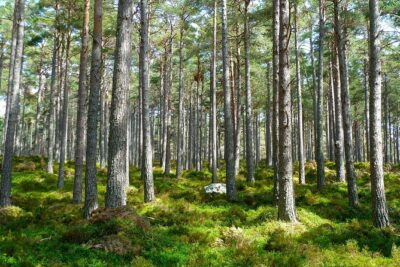
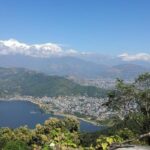
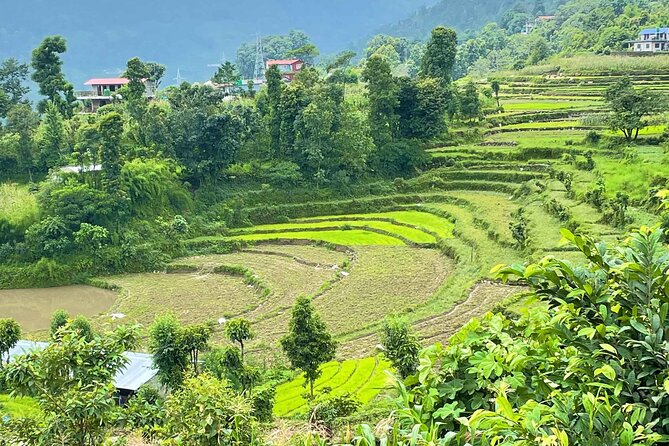
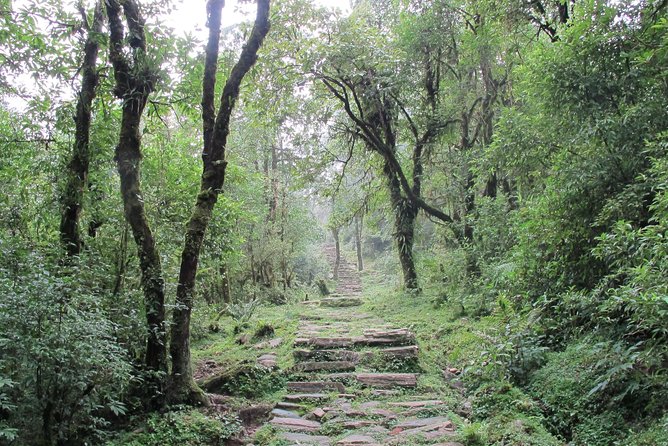
Once you start hiking, the change is immediate. The air and the scenery shift from town life to rural pathways. You’ll climb through lush forest and past rice fields, with small villages along the way. This part matters because it’s not just “getting up a mountain.” It’s the Nepal you came for: footpaths, household routines, and farm landscapes that look different at different angles as you gain altitude.
If you’ve ever worried you’ll arrive too late and the views will be gone, this itinerary is thoughtfully paced. Day 1 puts you high enough for sunset mountain scenes, and Day 2 gives you another early chance at sunrise.
You can also read our reviews of more private tours in Pokhara
Day 1: Dhampus to Australian Camp for Sunset and Night Views
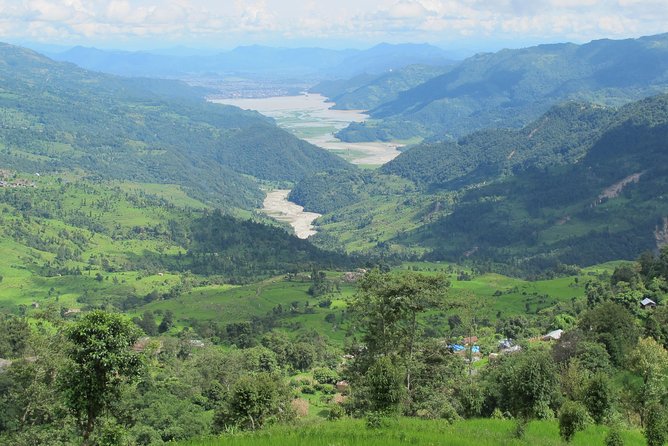
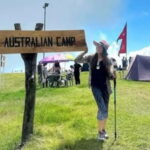
Day 1 is all about reaching Australian Camp (2,065 m) and settling into Dhampus/Australian Camp area for the night. After the initial drive to Kande, the climb is described as a few hours through forest paths, then you push toward the camp where panoramic views open up.
What makes Day 1 special is the two-part reward:
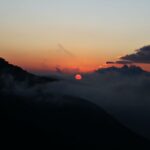
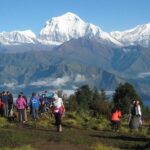
- You’ll reach Australian Camp in time for those famous panoramic mountain views, often best around sunset
- You’ll sleep in a guest house, so you’re already positioned for the next morning without needing to rush from town
I like that this day doesn’t overload you with distance math. It’s a short trek by Himalayan standards. The goal is to get altitude and timing rather than turn the trek into a fitness test.
What you should watch for on Day 1
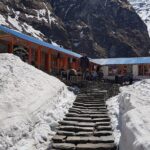
This is a hillside climb, so comfort depends on basics: the ground can be uneven, and you’ll likely be walking through changing light under trees and then into open viewpoints. Wear shoes with good grip. Trekking poles can help, but they aren’t mentioned as provided, so bring your own if you use them.
Also, think about weather and visibility. One of the most meaningful bits of feedback I took from real experience is this: people who couldn’t see the mountains at first due to air quality often found better luck after spending the night up in the hills and trying again early. This trek gives you that second chance.
Day 1 Overnight: Guest House in the Hills (Simple, With a View)
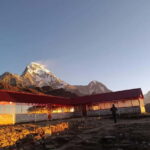
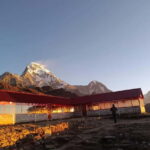
You’ll have accommodation in a guest house as part of the package. Lodges in this area are practical rather than luxurious. Expect clean, basic rooms, and likely some of the best value comes from what’s outside your window rather than what’s inside it.
A detail worth taking seriously: the lodge does not provide towels and toiletries. That’s common on many treks in Nepal, but it can still surprise people. If you want to feel human the next morning, pack your own small towel and simple hygiene items.
Also plan on simple control of your comfort: hot drinks and extra items may cost extra, and drinks aren’t included in the tour.
Day 2: Early Sunrise Over the Annapurna Range from Dhampus
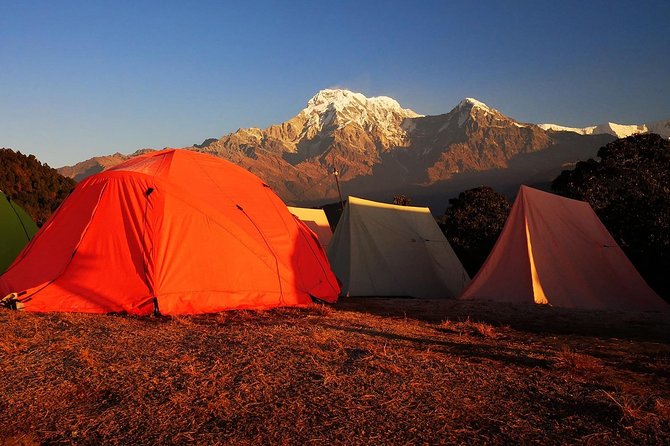
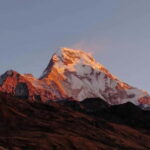
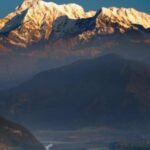
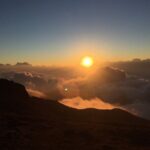
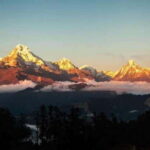
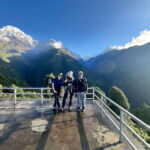
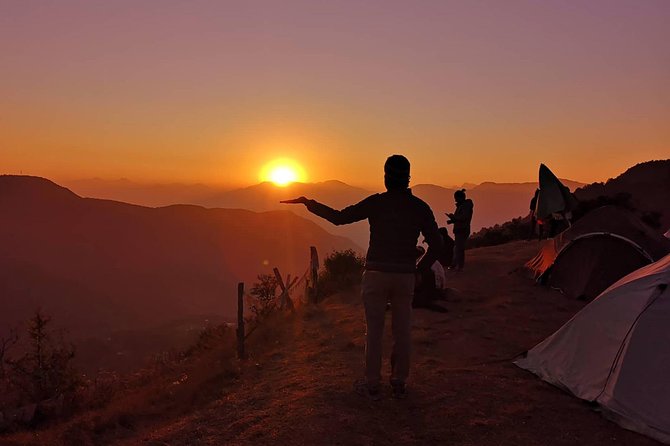
Day 2 starts early. You’ll rise to catch sunrise over the Annapurna Range from your lodge area in Dhampus, with time to enjoy the light shift and take photos. This is the moment most people remember, because sunrise changes mountain views in a way that no midday picture really matches.
It helps that the trek is short and staged. You’re not driving back down in the dark. Instead, you’re already settled, which means you can focus on the view, not the logistics.
You can also read our reviews of more hiking tours in Pokhara
After sunrise: how long the walking part feels
The trekking time on Day 2 is shorter than Day 1, listed as about 3 hours. That makes Day 2 feel like a calm finish rather than another hard push. You still get the payoff of mountain scenery, but the day’s pacing is easier.
If you’re sensitive to altitude, this is also one reason the trek can feel manageable. You’re already where you need to be after Day 1.
The Private Guide Factor: What a Good English-Speaking Leader Changes
This isn’t just “a route with a guide label.” The package includes a professional, English-speaking guide plus his insurances and expenses, and there’s a first aid kit included.
In real-world terms, that usually means:
- You’ll have someone to help keep the pace steady and safe
- You’ll have local knowledge about when to move and how to handle small trail surprises
- You won’t be stuck translating basic questions in villages
Two names came through in feedback: people praised help from Kumar and Roman. That tells me the guide experience can be a real part of why the trek feels smooth, especially if you’re traveling solo or want extra reassurance.
If you value having a person who can answer practical questions in plain English—about the walk, the places you pass, and how to handle the little details—this is a big part of the value.
Price and Value: Why $99 Can Be Fair for This Trek
At $99 per person for 2 days, what you’re buying is not just walking. You’re paying for a bundle:
- Breakfast, lunch, and dinner
- Private transportation
- Professional guide (with insurance included)
- Guest house accommodation
- First aid kit
That’s the main value story. If you try to assemble this on your own—transport, guide time, meals, lodging—it can turn into a confusing patchwork fast. Here, the core pieces are bundled so your attention stays on the hike and the view.
Two additional cost notes so you can budget without stress:
- Drinks and beverages aren’t included, so bring cash for water and extras
- Porter service is optional and can be added at $22 per day
If you carry your own daypack, you can likely skip the porter. If you prefer lighter trekking or you’re traveling with extra gear, the porter option can make the climb feel more relaxed.
Route Reality: Forests, Rice Fields, and Village Paths
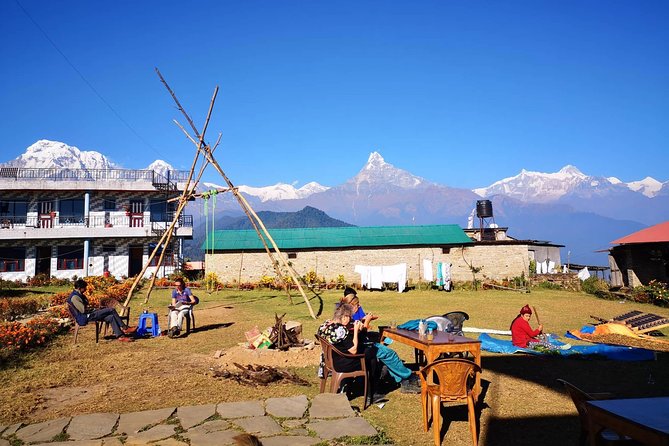
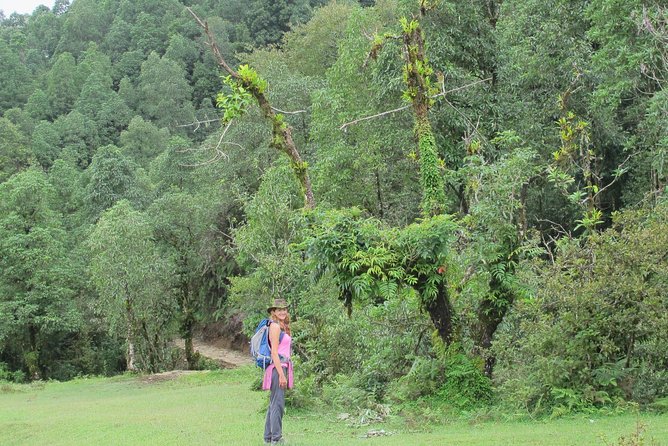
The trek description highlights a simple but important mix: lush tropical forest, rice fields, and charming villages. You’ll see everyday Nepal rather than only scenic stops.
This matters because it changes how the trek feels. You’re not just staring at the mountain all day (though you will enjoy it more when you finally get the clearing). Instead, you’re walking through a living landscape. That’s part of why short treks like this can be more satisfying than longer ones where you mostly feel like you’re grinding uphill.
Also, village routes can be unpredictable in the small ways: a path narrows, a shortcut appears, you slow down briefly for passing locals. With a guide, you don’t have to worry about rerouting yourself.
Packing Checklist (Based on What’s Not Included)
The “not included” list is short, but it tells you what to prepare for. Keep it simple and functional:
- Bring towels and toiletries, since the lodge doesn’t provide them
- Pack a way to stay hydrated. Drinks aren’t included
- Wear shoes with grip for uneven ground
- Bring layers for early morning. Sunrise hikes can feel cool even if the day warms up
- If you use a small first aid item (like blister patches), bring it. A first aid kit is included, but it’s always smart to have your own basics
If you’re thinking, Do I really need much? Yes—but just enough. This is not a heavy-climb expedition. It’s a short trek where comfort details make your morning and evening much nicer.
Who This Trek Fits Best
This is a good choice if you:
- Want a short Nepal trek that still gives you big mountain views
- Like the idea of sunrise-focused travel in the Annapurna region
- Prefer a private tour where your group sets the pace
- Travel with questions and would rather have an English-speaking guide than figure things out alone
It also works well for solo travelers. One of the standout themes in feedback was comfort and safety on the trek, including from solo women who appreciated how their guide helped them feel at ease. If you’re traveling with a partner, a friend group, or a family that can handle a moderate walk, private format also helps you avoid the stress of waiting for a mixed group.
If you’re looking for a brutally challenging multi-day trek with major elevation changes every hour, this may feel too gentle. But if you want the Annapurna views without losing two weeks, it’s a smart match.
Should You Book the 2-Day Private Trek to Australian Camp & Dhampus?
I’d book it if your priority is max mountain time on a short schedule. The best reason to say yes is the way the trek gives you two chances at the view: sunset on Day 1 and sunrise on Day 2. Add in private transport, meals, and a professional guide, and the overall experience has strong value.
I’d pause if you hate early starts or if you rely on lodge amenities like provided towels and toiletries—because here, you’ll need to bring that stuff. And of course, like any Himalayan trek, visibility depends on conditions. Still, the structure of this itinerary is built for trying again when the mountain doesn’t show itself right away.
If you want an Annapurna sunrise with a realistic hike length, friendly guidance, and an overnight in the hills, this trek is one of the most straightforward ways to make that happen.