REVIEW · KATHMANDU
Everest Base Camp trek 12 days from Kathmandu
Book on Viator →Operated by Breakfree Adventures Pvt. Ltd. · Bookable on Viator
Lukla to Namche is a quick reality check. I love how this trek pairs the famous walk-in feel of the Everest region with practical support: a government-licensed guide, included meals, and gear so you can travel lighter. Kala Patthar is the other big reason to pick this route—close Everest views and a 360-degree mountain panorama you’ll remember.
I also like that the itinerary is built around altitude logic, not just ticking boxes. You get a real acclimatization day in Namche Bazaar, plus another hike day at higher elevations around Dingboche, which helps you move more safely.
The main drawback is timing and early starts around flights. In peak season, flights to Lukla run from Ramechhap, a 5–6 hour drive from Kathmandu, and you’ll either overnight near the airport or start the day around 1 AM.
In This Review
- Key things I’d circle before you go
- From Kathmandu to Lukla: the start that can rattle your schedule
- Namche Bazaar and the Everest View Hotel: acclimatization with purpose
- Tengboche Gompa: when your trek turns cultural (not just physical)
- Dingboche and Nagarjun Hill: the acclimatization day that pays off later
- Lobuche to Gorak Shep to Everest Base Camp: the long day that feels unreal
- Kala Patthar at 5,550m: the viewpoint day with the biggest payoff
- Pheriche back down toward Namche: still hard, just different
- Namche to Lukla to Kathmandu: the final flight gap
- Price and logistics: what your $1,600 really buys you
- Who this trek suits best (and who should think twice)
- The kinds of support that matter at altitude
- Should you book this Everest Base Camp trek?
- FAQ
- How long is the Everest Base Camp trek?
- What are the highest points on the trek?
- What’s included in the price?
- What’s not included?
- Do I need prior trekking experience?
- What time do you meet in Kathmandu?
- What happens to Lukla flights in peak season?
- Can I cancel for a full refund?
Key things I’d circle before you go
- Lukla flight + steady ramp-up: first day walking is shorter than the later days, which helps you settle in.
- Namche acclimatization day: the Everest View Hotel hike is the built-in altitude test.
- Tengboche Monastery stop: a meaningful cultural moment in the middle of big mountain country.
- Kala Patthar at 5,550m: the day you earn the closest Everest views and wide panorama.
- Gear is included: down jacket, sleeping bag, and walking pole mean fewer rental hassles.
- Peak-season Ramechhap logistics: plan for the long drive and very early departure options.
From Kathmandu to Lukla: the start that can rattle your schedule
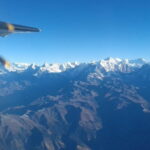
You’ll meet early in Kathmandu (start time is 5:15 am). Then it’s a short flight to Lukla, about 40 minutes, followed by a trek to Phakding at around 2,652m that takes roughly 3–4 hours.
That first walking day matters more than it looks. It’s short enough that you’re not immediately suffering, and it gives you time to get your pace and your layering right before the route steepens in altitude later. You’ll also get your first feel for Khumbu life: trail traffic, lodge clusters, and the constant presence of big peaks above the valley.
Two practical notes to keep in mind:
- Transfers are on a sharing basis. If you like quiet, you’ll want a sleep mask and something for the ride.
- In peak season (Mar–May, Sep–Nov), Lukla flights may shift to Ramechhap. That changes everything about your morning schedule.
You can also read our reviews of more hiking tours in Kathmandu
Namche Bazaar and the Everest View Hotel: acclimatization with purpose
From Phakding to Namche Bazaar (about 3,440m) is the kind of day that feels both scenic and work—plan 6–7 hours. It’s a steady climb, and you’ll notice how the air gets sharper as you approach the Sherpa hub.
Then you get your acclimatization day in Namche. The highlight is the hike to the Everest View Hotel at around 3,900m (about 3–4 hours). This is a smart setup: you gain elevation while staying in a place with infrastructure and familiar rhythm, which helps you judge how your body handles the altitude.
Namche also acts like a gateway. It’s where the trek stops feeling like a walk-through and starts feeling like the real Everest circuit. You’ll have a chance to settle into guesthouse routines, ask questions, and get your guide’s daily check-in style—one reason this kind of trek feels safer than doing things solo.
Tengboche Gompa: when your trek turns cultural (not just physical)
The day from Namche to Tengboche goes to about 3,860m, with around 5–6 hours of hiking. This is often where the trip gains a quieter tone, because you’re heading toward the Tengboche Monastery (Gompa), a key religious site in the region.
Why I like this stop: it breaks the monotony of only chasing altitude. You get a grounded cultural moment right when you’re likely thinking about endurance and cold. It also helps you remember you’re walking through a living community, not a theme park version of Everest.
You’ll feel the temperature shift here too, especially after long climbs and in lodge evenings. Pack layers like you mean it, and keep your head and hands covered during breaks.
Dingboche and Nagarjun Hill: the acclimatization day that pays off later
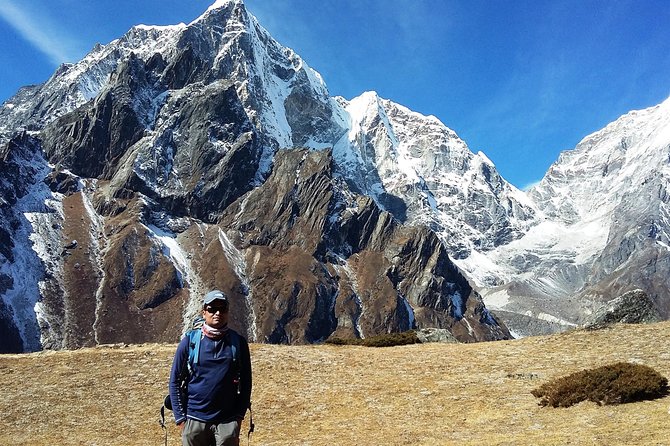
From Tengboche to Dingboche is another altitude jump—to about 4,410m—usually taking 5–6 hours. Dingboche sits higher and feels more exposed, so your pace matters.
The next day is your acclimatization hike to Nagarjun Hill around 5,100m (about 4–5 hours). Even if you’re feeling good, this day is still a checkpoint. You’ll learn how your breathing changes with effort and how quickly you tire when the oxygen thins.
This is also where a good guide earns their keep. A government-licensed guide can help you keep effort controlled, and in the Everest region that kind of discipline makes a noticeable difference. In the background, you’ll likely also get a clearer picture of what’s coming next: Lobuche, Gorak Shep, and the big push toward Base Camp.
Lobuche to Gorak Shep to Everest Base Camp: the long day that feels unreal
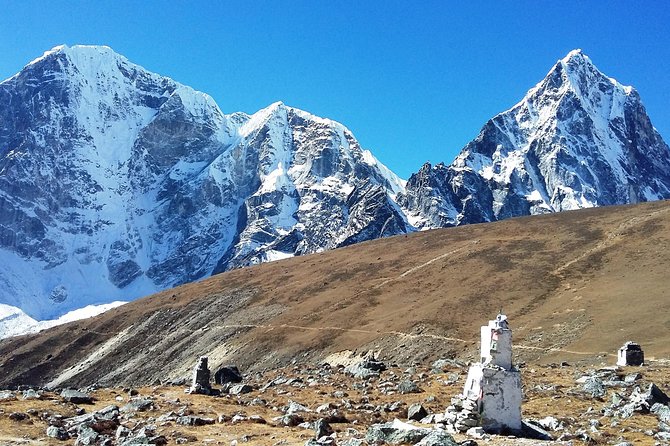
The day from Dingboche to Lobuche takes about 4–5 hours, rising to around 4,910m. It’s not the highest day yet, but it can feel heavy because the altitude makes every step feel “thicker” than you expect.
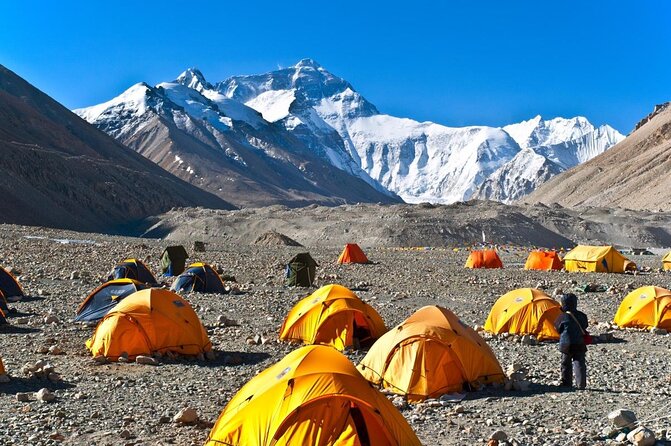
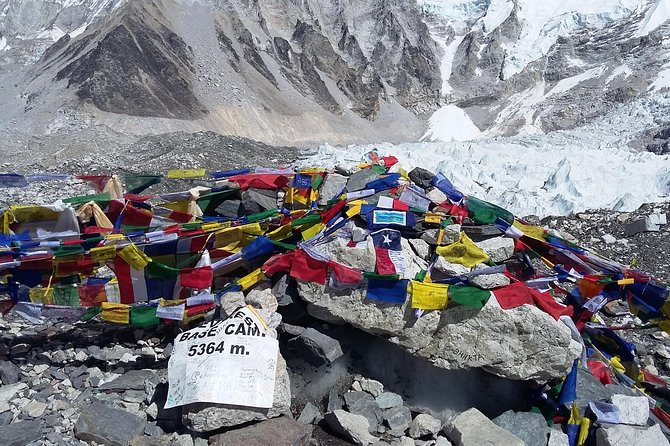
Then comes one of the most intense days on this itinerary: Lobuche to Gorak Shep, plus the hike on to Everest Base Camp at 5,320m. Expect around 7–8 hours.
What’s special here isn’t just that you arrive at Base Camp. It’s the sense that you’re walking right into the start zone of the expeditions, near the Khumbu Glacier. In practical terms, it’s also where you stop thinking in “days” and start thinking in effort management: snacks, water, pacing, and staying warm the whole time.
You’ll likely sleep at Gorak Shep and move again early the next day. Lodges there are simple by design—good enough to rest, not built for comfort vacations.
Kala Patthar at 5,550m: the viewpoint day with the biggest payoff
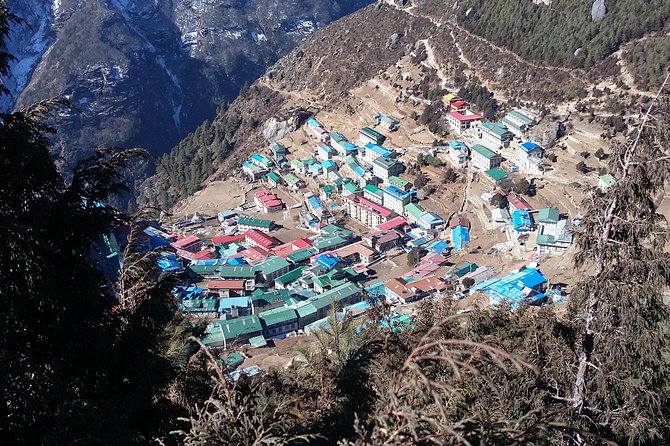
The climb from Gorak Shep to Kala Patthar (around 5,550m) and then onward to Pheriche (about 4,371m) usually takes 6–7 hours. This is your “everyone remembers this” day.
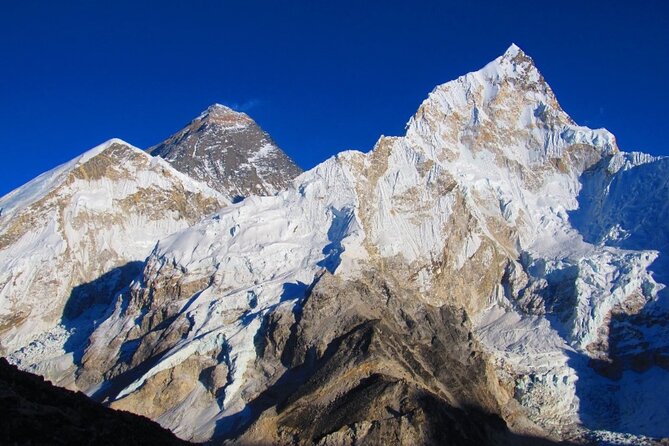
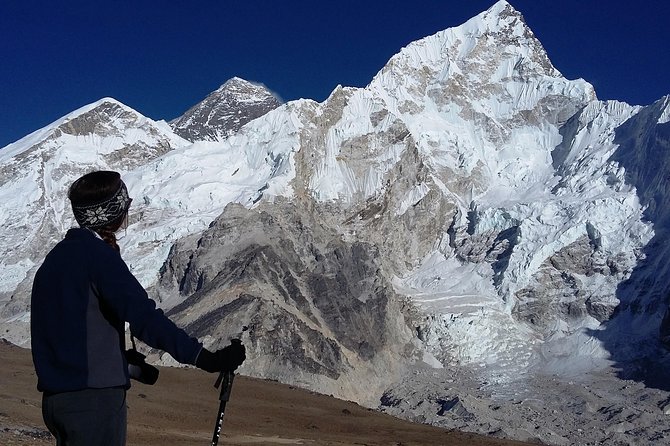
The reason is straightforward: Kala Patthar offers close views of Mt. Everest and a 360-degree panorama of the Khumbu mountains. It’s also a reality check day. Even when the sky is clear, the cold and altitude can slow you down, so you’ll want to move steadily and not burn matches early.
A practical tip: because you’ll be at high elevation, treat warmth like part of your route plan. Gloves, a hat, and layers that stay dry matter as much as your legs. With this tour, you get a down jacket and a walking pole, which can make a real difference for comfort at the viewpoint.
Pheriche back down toward Namche: still hard, just different
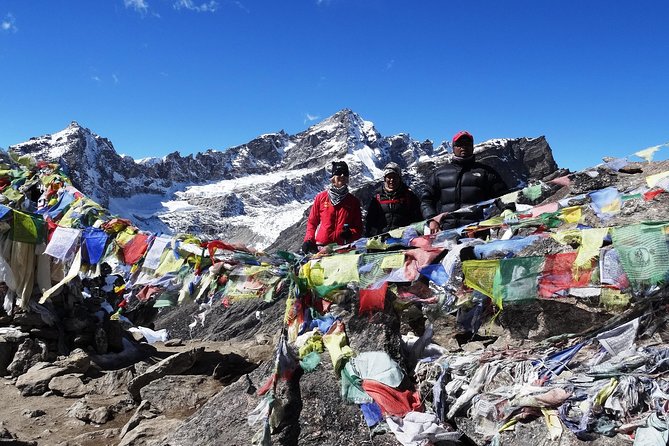
From Pheriche back to Namche Bazaar takes about 6–7 hours and returns you to around 3,440m. The downhill can trick your body into going too fast, which can lead to sore knees and tired feet.
Also, this is where you may pass through Khumjung, which appears as a named stop in the route flow. Khumjung is one more cultural anchor in the Everest region, breaking up the monotone grind of altitude.
By the time you’re moving back through Namche, you’ve already earned the right to feel proud, but your day is still not done. You’ll need to stay focused until the trail finally points you toward Lukla again.
Namche to Lukla to Kathmandu: the final flight gap
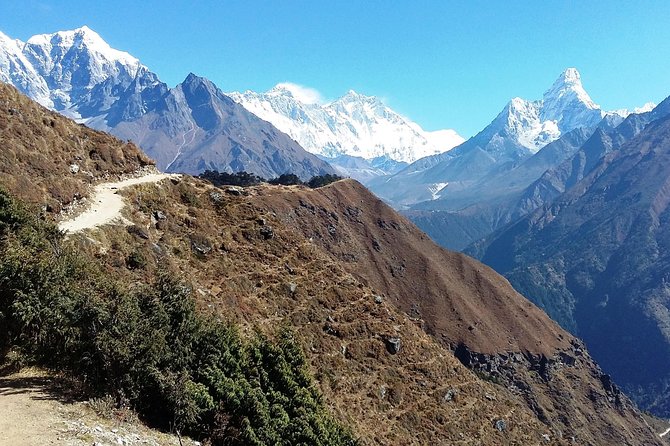
On day 11, the trek from Namche Bazaar to Lukla is about 6–7 hours (and your altitude drops a lot). That long walking day is your chance to recover your legs before the flight back.
Finally, day 12 is your flight back to Kathmandu.
If you’re in peak season and your flights are running from Ramechhap, the “final day” planning changes because your earlier airport transition already took time. In other words: the route feels adventurous, but your biggest friction point is often the schedule and the road.
Price and logistics: what your $1,600 really buys you
At $1,600 per person, this trek can feel like a lot until you break down what’s included. Here’s the practical value story:
Included essentials:
- Pick up and drop off between Kathmandu (or Ramechap) and the start/end, on a sharing basis
- Flights: Kathmandu or Ramechap to Lukla, and back
- Guesthouse/lodge accommodation on a twin-sharing basis
- Meals during the trek: breakfast, lunch, and dinner
- A highly experienced government-licensed guide
- All necessary permits and fees
- Trek gear: duffle bag, down jacket, sleeping bag, and walking pole
- A trekking map and a trip achievement certificate
- Government taxes, VAT, and office service charges
What’s not included (so you can budget without surprises):
- Travel insurance, rescue/helicopter costs, evacuation, and medical emergency coverage
- Personal expenses (phone, internet, laundry, hot showers, and bar bills)
- Drinks (tea/coffee, boiled water, bottle water, alcohol, and other beverages)
- Tips for the trek crew
- A porter (optional if you need one)
Gear inclusion is a big deal for value. If you’re traveling from abroad, it can be cheaper and simpler to let the trek provide the sleeping bag and down jacket instead of paying for luggage space or hunting rentals.
Still, price can’t remove the truth of altitude. You’ll be walking long days at high elevations, and that’s where your own fitness and choices matter most.
Who this trek suits best (and who should think twice)
This trek is described as a good fit for people with basic fitness and no prior experience needed. That doesn’t mean it’s easy. It means the route is managed so first-timers can succeed if they listen to the guide, keep a steady pace, and take acclimatization seriously.
It also suits you if:
- You want a classic, high-demand Everest route with Base Camp and Kala Patthar
- You like having daily structure: guidance, permits, meals, and gear covered
- You don’t want to manage the small details of permits and lodging logistics yourself
Think twice if you know you struggle with very early mornings. Meeting at 5:15 am is manageable for many people, but peak-season airport changes (Ramechhap, plus the possibility of leaving around 1 AM) can add stress fast.
The kinds of support that matter at altitude
This tour is led by a government-licensed guide, and the trip style is structured around daily planning. On trek days, it’s not just about routes on paper; it’s about how you move.
You’ll get daily guidance on what comes next and how to handle the next climb. The best trekkers I’ve met don’t rush. They conserve energy, hydrate, and stay warm. Having a guide who can name mountain features and help you pace your day makes the effort feel less like blind suffering and more like a climb you can understand.
Also, the company is run with a clear sense of responsibility from leadership. One name you’ll see associated with the team is Bharat, which you can treat as a hint that the operator keeps an eye on service quality.
Should you book this Everest Base Camp trek?
Book this trek if you want the classic Everest checklist done in a way that’s practical: Namche, Tengboche, Base Camp, and Kala Patthar, with acclimatization built in. The included gear can save you money and hassle, and having meals and permits handled gives you more mental room for the trail.
Skip it or ask tough questions first if your schedule can’t handle flight friction. The Kathmandu-to-Lukla connection is often simple in the off-season, but in peak season the Ramechhap shift is real, with a 5–6 hour drive and very early departure options.
If you’re the type who likes clear structure, wants authentic mountain culture stops, and can handle cold and long walking days, this is a strong choice for a once-in-a-lifetime Everest trek.
FAQ
How long is the Everest Base Camp trek?
The trek runs about 12 days, with the itinerary starting in Kathmandu and ending with flights back to Kathmandu on day 12.
What are the highest points on the trek?
You’ll reach around 5,320m at Everest Base Camp and around 5,550m at Kala Pathar. The route also includes a hike to about 5,100m during an acclimatization day.
What’s included in the price?
Included are airport or pickup/drop-off service on a sharing basis, Lukla flight fares, twin-sharing lodge accommodation, breakfast/lunch/dinner, a government-licensed guide, permits and fees, duffle bag, down jacket, sleeping bag, walking pole, a trekking map, and a trip achievement certificate.
What’s not included?
Not included are insurance, rescue/helicopter costs, evacuation for emergencies, cancellation costs, personal expenses, drinks, tips for the trek crew, and a porter if you need one.
Do I need prior trekking experience?
The trek is suitable for basic fitness, and no prior trekking experience is needed.
What time do you meet in Kathmandu?
The meeting point start time is 5:15 am.
What happens to Lukla flights in peak season?
During peak seasons (Mar–May and Sep–Nov), flights to Lukla run from Ramechhap Airport instead of Kathmandu due to air traffic. Ramechhap is a 5–6 hour drive from Kathmandu. You can either travel to Ramechhap the day before and stay overnight, or depart from Kathmandu at around 1 AM on the flight day.
Can I cancel for a full refund?
Yes. You can cancel up to 24 hours in advance of the experience start time for a full refund.