REVIEW · DHARAMSALA
McLeod Ganj: Triund Trek with Manu Adventures India
Book on GetYourGuide →Operated by Manu Adventures India · Bookable on GetYourGuide
Two days to meet the Dhauladhar up close. This short trek near McLeod Ganj blends waterfall stops with a big-top view over the Kangra Valley.
I love the Bhagsunag waterfall moment and the panoramic views from Triund that make the effort feel worth it fast.
My one caution: the trail has steep spots, so pack warm layers and don’t skip a walking stick if you’re new to hiking.
In This Review
- Key Things I’d Zoom In On
- Triund Trek Basics From McLeod Ganj: What You’re Signing Up For
- Day 1: Bhagsu Nag to Triund, Waterfalls, Shiva Café Breaks, and Camp Under Stars
- Triund Time and the Sunrise Morning: The View Is Worth the Early Wake-Up
- Leta Village Camps: Dome Tents, Warmth, and the Stuff That Makes or Breaks Night One
- Food, Guides, and Pace: Veg Meals, English Support, and Friendly Leadership
- Price and Value at About $18: What You Get, What You Don’t
- Weather, Fitness, and Packing Tips That Actually Matter
- Should You Book This Triund Trek With Manu Adventures India?
- FAQ
- How many days is the Triund Trek?
- Where do I meet the group, and what time?
- What altitude do we reach at Triund?
- What’s included for meals and accommodation?
- Is there an English-speaking guide?
- Are permits and medical supplies included?
- What should I bring for the hike?
- Is transportation or the forest entry fee included?
Key Things I’d Zoom In On
- Bhagsunag waterfall is part of the trek day, not an afterthought
- Triund altitude (2875 m) delivers wide Dhauladhar and Kangra Valley views
- Stops for snacks and water happen often (about every 20 minutes)
- Dome-tent camping with enough warmth for a cold Himalayan night
- Friendly, English-speaking guides like Shivam and Anuc keep the pace comfortable
- Expect serious walking time for a “short” trek (around 7 hours on the main day)
Triund Trek Basics From McLeod Ganj: What You’re Signing Up For
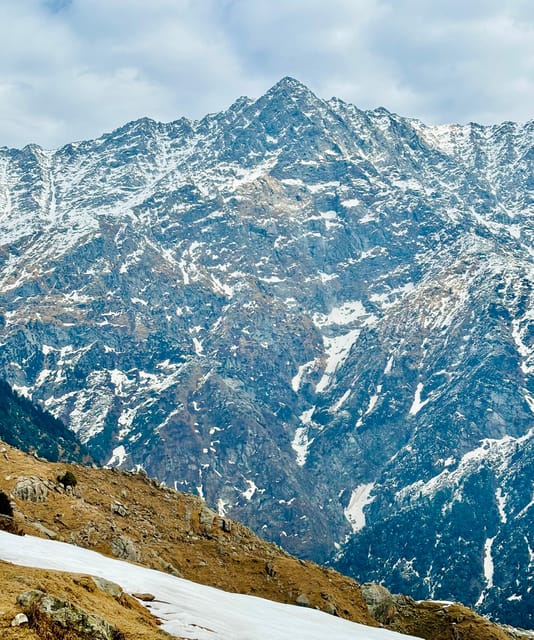
This 2-day Triund trek runs out of McLeod Ganj in Himachal Pradesh. It’s one of the shortest Himalayan treks in the area, and it’s popular because the route is accessible and the scenery hits quickly. You’ll be rewarded with views of snow-covered Dhauladhar ridges and the Kangra Valley from Triund.
It also has a small-trail truth you should respect: short doesn’t mean flat. The trail can feel steep in spots, and past hikers have flagged it as definitely not for absolute beginners.
For many people, the big appeal is timing. If you only have a weekend, this is one of the most straightforward ways to get that up-close Himalayan feeling without needing a week off.
You can also read our reviews of more hiking tours in Dharamsala
Day 1: Bhagsu Nag to Triund, Waterfalls, Shiva Café Breaks, and Camp Under Stars
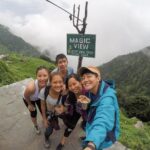
You start at the Manu Adventures India office at 10:00 am. From there, the trek goes via upper Bhagsu, crossing village areas before you reach the day’s standout natural stop: Bhagsunag waterfall.
Bhagsunag is described as the biggest waterfall in the McLeod Ganj area. It’s a great first anchor point because you’re not hiking “blind” toward a distant payoff—you get an early wow, plus the chance to stretch and reset.
After that, there’s a break at the Chill Out Shiva Café for snacks. This is where the trek becomes more than just exercise: you get a short pause with simple fuel, and you can regroup before the climb continues.
A nice detail is how guides keep the walk from dragging. One of the guides named Shivam is specifically mentioned for making the experience feel magical, and the route includes time for stories and conversation so you’re not just watching your feet.
As you continue toward Triund via Katrani Dhar, the scenery tightens around you. On this stretch, you’ll also find cafés roughly every 20 minutes where you can grab water or small snacks, so you’re not stuck rationing.
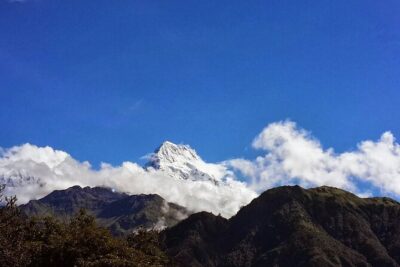
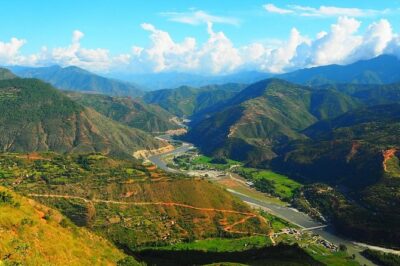
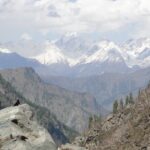
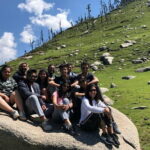
Triund itself sits at 2875 m. When you reach it, you get wide views in two directions: Kangra Valley on one side and the Dhauladhar range—often still snow-capped—on the other. This is your photo and just-breathe stop.
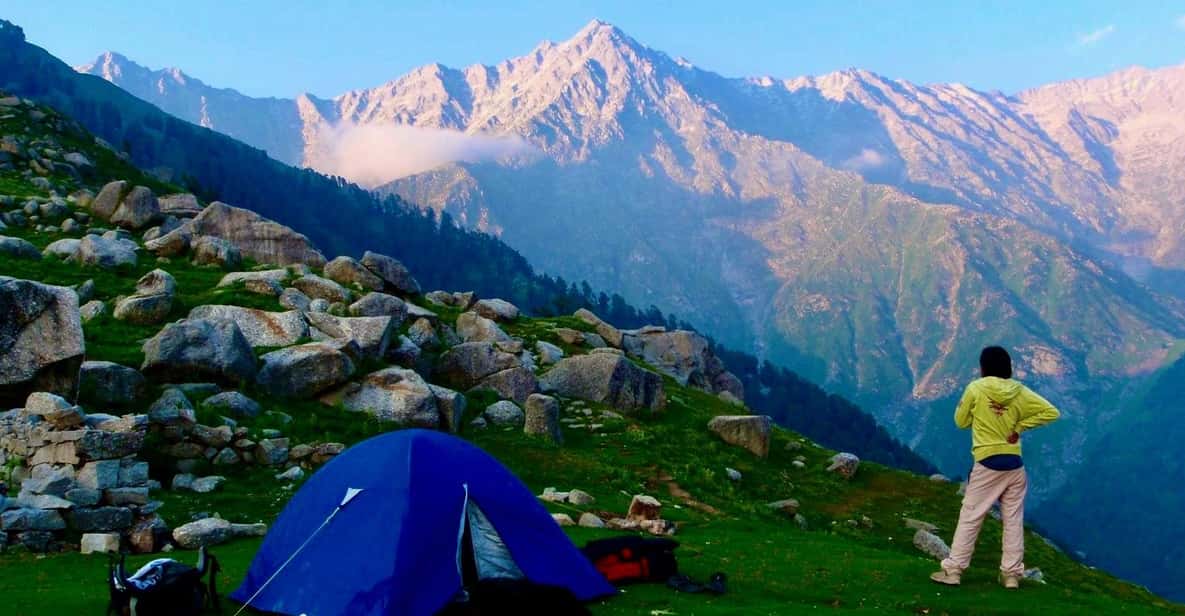
From Triund, you head back down to Leta Village Camps. The evening is set up for recovery: dinner is served (veg), and the day ends with a bonfire and soothing music. Then you’re left outside under a starlit sky, with the mountains doing the talking.
The main drawback of Day 1 is effort management. You’re walking for a long chunk of the day—one past traveler noted it can take about 7 hours for the main trek—so wear shoes you trust and start slowly when you feel okay.
Triund Time and the Sunrise Morning: The View Is Worth the Early Wake-Up
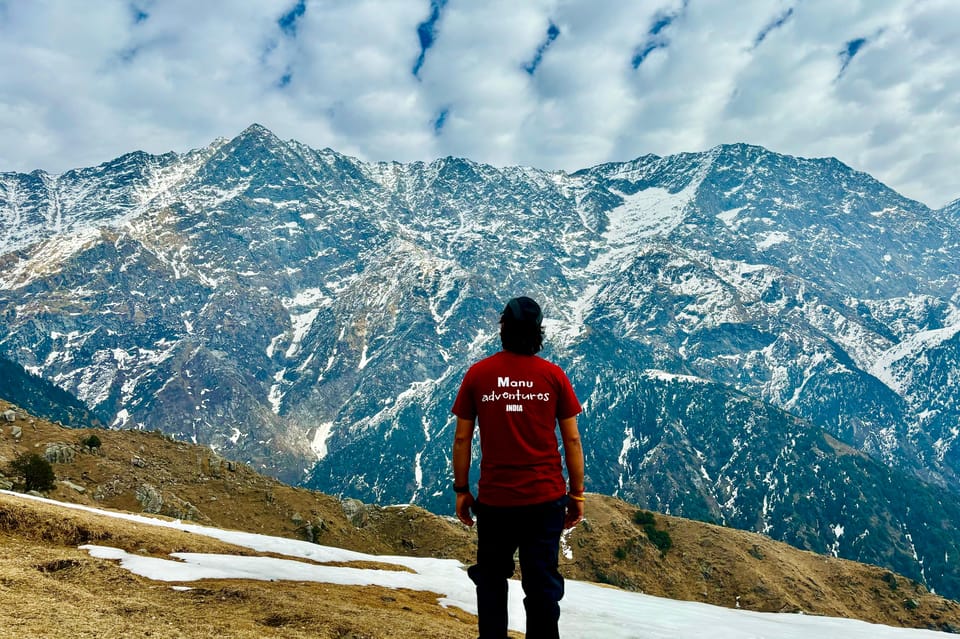
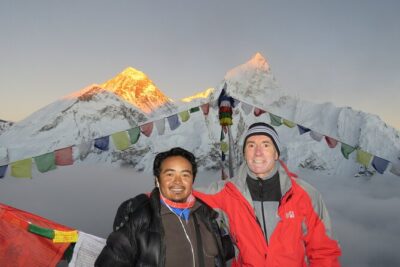
If there’s one moment that defines this trek, it’s sunrise. The plan is to get up early so you can watch golden light hit the mountain ranges. This is one of those “pay attention right now” moments—your eyes adjust, the ridge lines brighten, and the whole valley looks different than it did the day before.
Once you’ve seen it, you get hot breakfast before heading back down. That matters more than it sounds. Cold mornings can steal energy fast, and warm food helps you hike downhill with less misery and better control of your pace.
After breakfast, you trek back toward Bhagsu Nag and McLeod Ganj. The goal is to reach back by early noon, which is unusually helpful if you want your remaining day free to explore town.
When you arrive, you stop again at the waterfall area where the guide can leave you there. From that point, you’re free to enjoy McLeod Ganj on your own, including a visit to the Tibetan market and an ancient temple.
This is also where you can balance the trip. If you want a chill afternoon, you can keep it simple in town. If you want more walking, you’ve got time to do it without rushing back to camp.
Leta Village Camps: Dome Tents, Warmth, and the Stuff That Makes or Breaks Night One
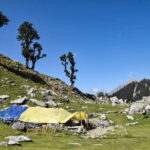
Accommodation is in dome tents, twin sharing. For a short trek, that’s a solid trade: you get a real camping night without dealing with multi-day gear logistics.
Warmth is taken seriously. One past hiker noted the tents were perfect and that there were more than enough sleeping bags and blankets to keep them warm. That’s exactly what you hope for on a Himalayan trek, especially if temperatures drop faster than you expect.
There’s also a practical setup detail: washrooms are available. It doesn’t turn the trek into a hotel stay, but it removes one big stress point from the experience.
Another subtle comfort boost is the bonfire. Even if you bundle up, hands and faces get cold fast in mountain evenings. The fire gives you a place to warm up, eat dinner comfortably, and settle in.
One thing to remember: porters aren’t included. So you’ll be carrying your own baggage, which changes how you pack. Keep your bag light and put comfort items in easy reach.
Food, Guides, and Pace: Veg Meals, English Support, and Friendly Leadership
Meals on the trek are veg. You’ll get dinner and breakfast while you’re trekking, and snacks and water can be purchased at cafés along the way (about every 20 minutes).
Food gets called out positively. One traveler described the food as very delicious, which is a good sign because mountain treks live or die on how you fuel yourself.
The guide setup is also well thought out: there’s a professional trek leader (mountaineering qualified), plus a guide and support staff. That’s especially valuable when weather shifts or when the trail feels harder than expected.
Communication is simple too. The trek includes an English live tour guide. If you want the route explained clearly and you’d rather not guess what’s coming next, that matters.
In the feedback, guide names show up in a helpful way. Shivam is praised for the experience and the pace, while Anuc is described as gentle and attentive to making people enjoy the surrounding nature. The operator Manu is also mentioned as friendly, which hints at a welcoming team vibe—not just a “show up and go” approach.
Price and Value at About $18: What You Get, What You Don’t
At around $18 per person for 2 days, the value is strongest because several core costs are wrapped in. You’re getting:
- dome tent accommodation (twin sharing)
- veg meals (dinner + breakfast)
- necessary permits
- first aid medical kits and a stretcher
- pro leadership, guide, and support staff
- washrooms on the camping end
That’s a lot included for a low price, especially because trekking support usually costs more than you expect in mountainous regions.
What’s not included is where you need to do your own math:
- no transportation to/from the area
- no train ticket
- no hotel in Dharamsala
- no porters/ponies to carry baggage
- other meals beyond what’s listed
- forest entry fee
- costs if weather causes problems like land slide or road block (beyond their control)
So, if you’re already positioned in McLeod Ganj and you pack light, the price feels like a good deal. If you still need to arrange travel and pay extra entry fees, the real cost becomes more than $18 in your budget.
One extra bonus that helps you stay flexible: the experience lists free cancellation up to 24 hours ahead and a reserve-now pay-later option. That’s useful if the next day’s weather looks uncertain.
Weather, Fitness, and Packing Tips That Actually Matter
This trek is “short” but it’s still a hike in the Himalayas. The route has steep sections at points, and that affects how you prepare. In the feedback, people recommend using a walking stick/hiking stick—not as a fashion item, but for stability on varied terrain and to reduce the chance of slipping.
Your packing list should match what the trek actually demands:
- comfortable shoes
- warm clothing
- camera
- snacks (especially if you have preferences)
- water
Warm clothing isn’t just for comfort. Early sunrise hours can feel sharp, and you’ll spend time outside at night under the stars. If you run cold easily, add layers that you can take on and off.
Also, keep your bag simple. Since porters/ponies aren’t included, what you carry is what you’ll feel all day. A lighter pack makes steep parts easier and keeps your energy for the sunrise moment.
Finally, build a mental buffer for mountain conditions. Weather problems like land slides and road blocks can happen, and they note that any costs from those issues aren’t covered.
Should You Book This Triund Trek With Manu Adventures India?
I’d book this if you want a weekend-sized trek with a clear payoff: waterfall, Triund views, a real camping night, and sunrise in the mountains. It’s also a good match if you like guided structure, English communication, and team support with basic safety gear.
It may not be the best choice if you’re a total beginner or you dislike steep climbs. Even if you can do the route, you’ll enjoy it more if you arrive with some walking stamina and the right gear. The steep parts are the main thing that can turn a “fun weekend hike” into a grumpy one.
I’d also consider this trek if you’re happy to carry your own bag and you don’t need transport or a hotel included. If you do, you’ll likely spend extra anyway, which changes the value equation.
If you want a simple plan for McLeod Ganj that mixes big mountain views with practical camp comfort, this one is hard to beat for the price.
FAQ
How many days is the Triund Trek?
It runs for 2 days.
Where do I meet the group, and what time?
You meet at the Manu Adventures India office at 10:00 am.
What altitude do we reach at Triund?
Triund is listed at 2875 m.
What’s included for meals and accommodation?
Accommodation is in dome tents on a twin sharing basis, and you get veg dinner and breakfast during the trek.
Is there an English-speaking guide?
Yes, the tour includes a live guide in English.
Are permits and medical supplies included?
Yes. All necessary permits are included, along with first aid medical kits and a stretcher.
What should I bring for the hike?
Bring comfortable shoes, warm clothing, a camera, snacks, and water.
Is transportation or the forest entry fee included?
No. Transportation is not included, and the forest entry fee is also listed as not included.