REVIEW · KATHMANDU
3 Days Jungle Safari in Chitwan National Park
Book on Viator →Operated by Rainbow Safari Tours · Bookable on Viator
Rhinoceros and tigers start with a bus ride. This 3-day Chitwan National Park safari pairs wildlife time with Rapti River scenery and the cultures at the park’s edge, so you’re not stuck on jeep-only mode. You’ll also get a structured plan across three days, which matters when you’re traveling between Kathmandu and Sauraha.
I especially like the mix of canoeing and jeep safari. One puts you on calmer water with a local guide, while the other gives you the best shot at spotting animals in the park. It’s a smart way to see Chitwan’s natural rhythms instead of treating it like one long ride.
One possible drawback: the trip depends on timing and a smooth pickup, and there has been confusion about the Kathmandu meeting details. If you want this to feel effortless, show up early at the Rainbow Safari Tour & Travel P.Ltd meeting point and double-check your exact pickup instructions.
In This Review
- Key highlights you’ll actually feel
- Chitwan in 3 days: what you’re really buying
- Kathmandu to Sauraha: the ride that sets the tone (Day 1)
- Tharu village, Chitwan Museum, and Rapti River sunset (Day 1)
- Day 2 canoeing on Rapti River: a slower way to read the park
- Chitwan jeep safari: your best shot at tiger and rhino
- Tharu stick dance and Nepali meal: culture after wildlife
- Day 3 bird walk with a naturalist: the calm finale
- Back to Kathmandu: plan for the long sit
- Value check: does $172.47 make sense?
- Who this safari suits best (and who should think twice)
- Should you book this 3-day Chitwan jungle safari?
- FAQ
- Where is the meeting point in Kathmandu?
- What time does the tour start?
- How do you get from Kathmandu to Chitwan?
- What activities are included during the safari days?
- Is food included in the price?
- Do I need to provide passport details?
- Is alcohol included?
Key highlights you’ll actually feel
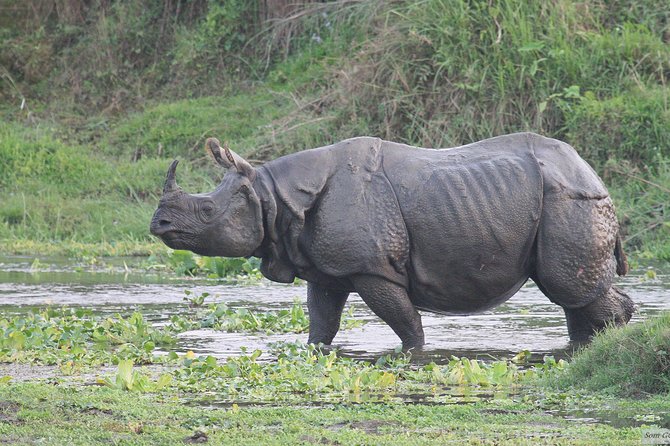
- Two wildlife angles: a Rapti River canoe trip plus a Chitwan jeep safari
- Bird-focused morning: a naturalist-led walk along the Rapti River with chances to spot rare and migratory birds
- Tharu culture beyond a photo stop: a Tharu village visit and a traditional Tharu stick dance
- Golden-hour timing: sunset on the Rapti River with a relaxed, scenic pace
- Small group size: a maximum of 20 travelers, which usually means less crowding at stops
Chitwan in 3 days: what you’re really buying
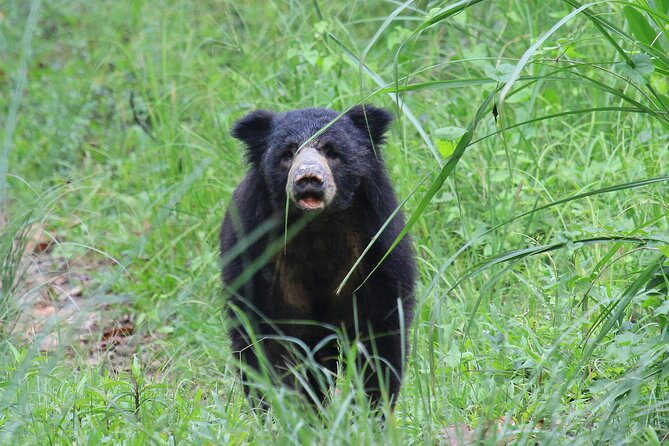
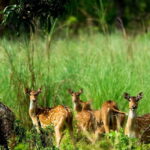
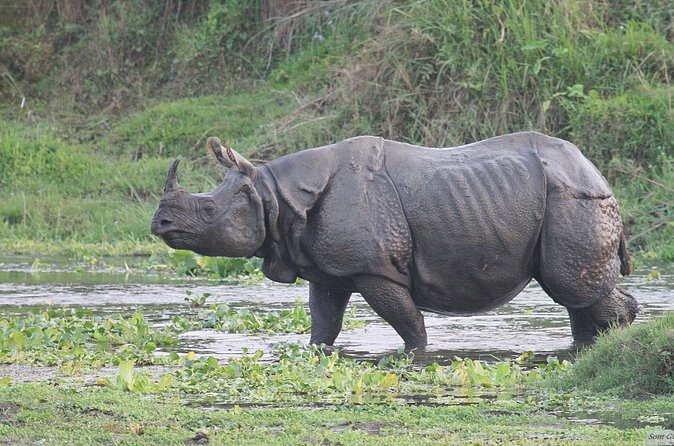
Chitwan National Park sits in that sweet spot for first-time safari travelers. It’s famous for big wildlife stories—Royal Bengal tiger and the “prehistoric” vibe of one-horned rhinoceros—but this itinerary doesn’t sell you only on miracles. It gives you multiple chances to see animals by using different settings: water, roads, and riverbanks.
At the same time, you’re paying for convenience. You’re not just buying park time—you’re buying a transportation bundle from Kathmandu, transfers in Sauraha, and a full set of guided experiences. That matters because getting in and out of Chitwan takes real time. Doing it with a planned schedule can help you spend more energy looking at the scenery and less energy solving logistics.
The price is $172.47 per person for a ~3-day package. That’s not “cheap,” but it’s not inflated either when you consider what’s included: an air-conditioned coach from Kathmandu, a guided program, and multiple meals plus accommodation during the Chitwan portion. The biggest variable is wildlife sightings, which are never guaranteed anywhere in a national park. What you can control is how prepared you are—and how smoothly you handle the travel days.
You can also read our reviews of more tours and experiences in Kathmandu
Kathmandu to Sauraha: the ride that sets the tone (Day 1)
Day 1 starts early. You’re picked up at 6:45 am near the tour office in Kathmandu, and then the main departure is described as 7:00 am from the Nayabazar tourist bus stop. The idea here is simple: get you out of the Kathmandu valley in the morning, then roll into Sauraha by early afternoon.
The bus portion is long enough that you should treat it like a transfer, not a scenic day. In the real world, you’ll likely spend it riding, not photographing. One recent review called the way there long and bumpy, which is a fair expectation for many overland routes in Nepal—so pack comfort items (water, light layer, and something to stay entertained).
When you arrive in Sauraha, you transfer to your hotel and have time to reset before the cultural stops. In at least one review, the hotel experience was a highlight: a river-by-the-hotel setting, very clean rooms, and even a glass-shower setup that made the place feel modern and well cared for. Your exact room may differ, but the accommodation quality described is the kind of detail that makes Day 1 feel like more than just “waiting to start the safari.”
Tharu village, Chitwan Museum, and Rapti River sunset (Day 1)
Afternoon in Chitwan is where the tour turns from travel into place. At 2:30 pm, you’ll be picked up to visit a Tharu Village in Sauraha for about 2 hours. This is one of the best parts of the itinerary for people who don’t want wildlife to be the only story. You get traditional Tharu lifestyle context right near the national park zone, not far away in an abstract cultural show.
Then you head to the Chitwan Museum for about 1 hour. A museum stop can sound optional, but in Chitwan it helps you read what you’re seeing later. Even a short session can give you a better frame for the animals, the park’s local human connection, and the broader ecology you’ll be walking and riding through afterward.
Later, you get Rapti River sunset time. You’re told to expect about 2 hours along the riverbanks to watch the light shift. This is one of those easy-to-underestimate blocks of time that pays off. You’re not rushing. You’re simply letting the day soften—useful after a bus ride—and you’ll arrive ready for morning on Day 2.
Practical note: sunset plans work best when you travel with layers. Rivers can feel cooler than the heat you felt earlier in the day.
Day 2 canoeing on Rapti River: a slower way to read the park
Day 2 begins with breakfast, then a 7:00 am pickup from your hotel. The first activity is a canoe trip along the Rapti River for about 3 hours, in a small wooden boat operated by an experienced local guide.
Why this matters: canoeing tends to slow your attention down. You’re not scanning only for big movement at a distance. You watch the waterline, shore edges, and quiet animal behavior. Even if you don’t see the big headline animals immediately, this kind of ride helps you notice bird activity and the shape of the habitat.
The tour keeps you in a guided setup, which is what you want here. Local guidance is key on rivers—where currents, timing, and safety matter. It also usually means you’re not guessing where to look. The itinerary explicitly says you’ll be with an experienced guide, so you can focus on observing instead of figuring out the route.
If you’re the kind of traveler who likes wildlife but also likes comfort and pacing, you’ll probably appreciate that Day 2 doesn’t start with a jump straight into a jeep.
Chitwan jeep safari: your best shot at tiger and rhino
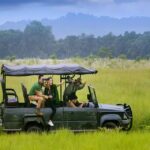
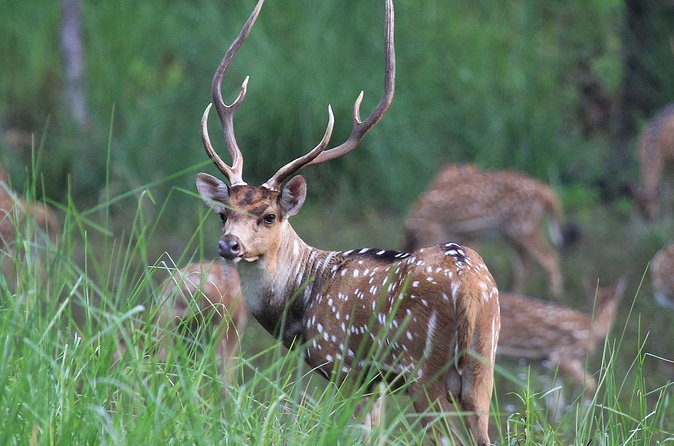
After canoeing, you move into Chitwan National Park for a jungle jeep safari of about 3 hours with an experienced local guide. This is the core wildlife block of the package.
Here’s how to get more value from the jeep part. Don’t treat it as a continuous chase. Instead, think of it as a series of stops and scanning sessions. The guide’s job is to position the jeep where sightings are possible; your job is to stay alert and ready—quiet when needed, not constantly shifting cameras in a way that blocks others.
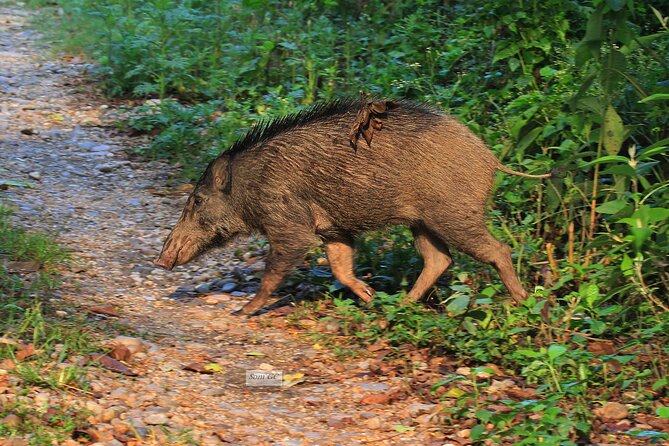
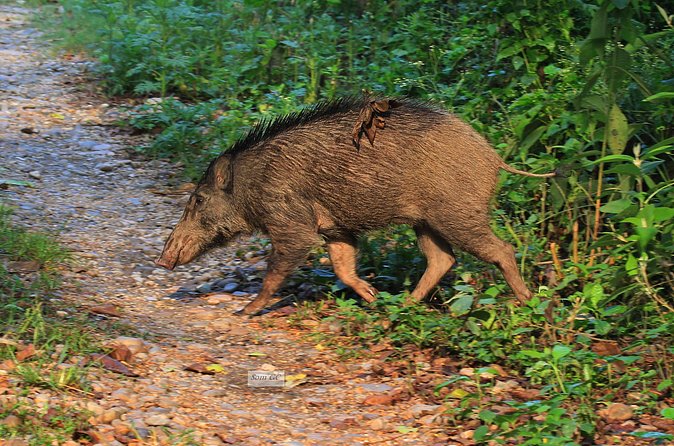
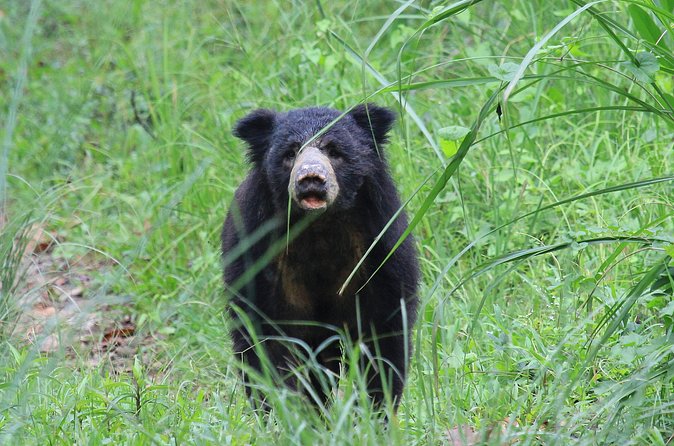
Chitwan’s big name animals are part of the reason this region stays famous. In practice, what you might see can range from tracks and birds to larger wildlife if conditions align. The best mindset is expecting variety and being happy with good signs: animal movement, changes in bird behavior, and the sense that the area is alive.
You’ll also want to dress for vehicle time. Jeep safaris mean you’re exposed for long stretches, so wear breathable clothes, keep a light layer for early morning or open-vehicle breeze, and bring something to protect your eyes if the ride stirs dust.
You can also read our reviews of more tours and experiences in Kathmandu
Tharu stick dance and Nepali meal: culture after wildlife
Day 2 isn’t only about animals. After the park time, the itinerary includes traditional Nepali cuisine plus a Tharu stick dance for about 2 hours. This is where the tour balances out the safari intensity.
This kind of cultural component can go either way on tours—sometimes it’s rushed, sometimes it feels like it was added as filler. In this case, the dance is part of the same Tharu theme as the village visit earlier, so it feels connected rather than random.
If you like travel that includes human stories—not just animals—this is a strong use of the evening. Also, it’s a practical scheduling win: you get a full day outdoors and then you cool down with food and performance.
Day 3 bird walk with a naturalist: the calm finale
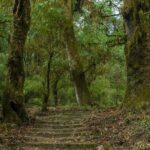
Day 3 stays focused and nature-forward. You take a walk along the Rapti River with an experienced naturalist for about 2 hours, aiming to encounter species of rare and migratory birds. The park is described as home to more than 500 avian species, which is a great reminder that Chitwan isn’t just tiger-and-rhino theater.
This birding-style finale is a nice contrast to the jeep safari. When you’re walking, you often notice different things: smaller calls, subtle movement in trees, and birds using edges and reeds. If you’ve been enjoying wildlife but want a less frantic pace at the end, this ending choice works.
Bring binoculars if you have them. The tour doesn’t mention providing them, so if you’re serious about birdwatching, bring your own. Also bring comfortable shoes that can handle uneven ground near riverbanks.
Once the morning walk ends, you start the return. You leave Chitwan for Kathmandu at 9:30 am by luxury tourist bus, with a ride time of about 6 hours.
Back to Kathmandu: plan for the long sit
The final day is a straight shot back to Kathmandu: around 6 hours on the bus. “Luxury” here likely means air-conditioned and more comfortable than the cheapest options, but it still won’t feel like a short hop.
To make this feel easier, I suggest treating it like a transit day: hydrate, eat something light before the ride, and have something to keep you calm during stops. Your tour ends back at the meeting point in Kathmandu, so you don’t have to worry about extra local navigation after you’re already tired.
Value check: does $172.47 make sense?
Here’s what you get in the included package:
- Luxury air conditioned coach from Kathmandu
- Accommodation during the Chitwan part described as the best option offered by the tour
- An experienced nature guide
- Meals included: breakfast (2), lunch, and dinner (2) according to the tour’s included list
- Local taxes included
- A structured schedule with entry to some stops, and a mobile ticket
For Chitwan, paying for transportation, guiding, meals, and lodging in one bundle usually saves you time and avoids the stress of trying to stitch these pieces together separately. If you’ve ever tried to coordinate safari vehicles, guides, and river activities on your own with limited time, you’ll understand why bundles are worth paying for.
The main thing you’re not buying is guaranteed wildlife. You’re buying guided access and multiple chances. And the itinerary does provide those chances: canoe + jeep + a guided walk focused on birds.
If you’re the type of traveler who wants a fully scheduled experience—transport handled, meals covered, guides coordinating—this looks like solid value. If you’re extremely budget-focused and would rather pay per activity only when you know you want it, you might find cheaper options. But you’ll also take on more planning work.
Who this safari suits best (and who should think twice)
This tour is a good fit if you:
- Want wildlife but also want Tharu culture and river scenery
- Like guided structure, especially when moving between Kathmandu and the park
- Prefer small group dynamics, up to 20 travelers
- Appreciate variety: water, jeep, museum, and a bird-focused walk
You might think twice if you:
- Are sensitive to long road travel days and possible bumpy segments
- Really want an early-morning-only wildlife plan (this includes culture and sunsets too)
- Expect the exact same level of hotel comfort as described in one review. The lodging is included, but the details can vary.
Should you book this 3-day Chitwan jungle safari?
I’d book this if you want a practical, balanced introduction to Chitwan: Rapti River canoeing, a full jeep safari block, and a thoughtful cultural thread through Tharu village and stick dance. The Day 3 naturalist walk is a strong closer for people who like birdlife and a calmer finish.
Do book with one mindset: go in ready for a schedule that moves. Show up early at the Kathmandu meeting point, keep your essentials easy to grab for sun and dust, and don’t let the travel rhythm discourage you. Chitwan rewards patience, and this itinerary is built to help you slow down at the right moments.
FAQ
Where is the meeting point in Kathmandu?
The meeting point is Rainbow Safari Tour & Travel P.Ltd, P877+333, Tridevi Sadak, Kathmandu 44600, Nepal.
What time does the tour start?
Start time is listed as 6:45 am.
How do you get from Kathmandu to Chitwan?
You’ll depart Kathmandu by luxury air-conditioned coach, and the itinerary notes arrival in Sauraha at about 1:00 pm on Day 1.
What activities are included during the safari days?
You’ll include a Tharu village visit, a Chitwan Museum stop, Rapti River sunset time, a Rapti River canoe trip, a Chitwan National Park jeep safari, a Tharu stick dance with traditional Nepali cuisine, and a Rapti River walk with a naturalist for bird viewing.
Is food included in the price?
Yes. The tour includes breakfast (2), lunch, and dinner (2), with meals described across the tour days.
Do I need to provide passport details?
Yes. Passport name, number, expiry, and country are required at booking for all participants.
Is alcohol included?
No. Alcoholic drinks are not included and are available to purchase.