REVIEW · KATHMANDU
Momo, Dhalbhat & Thukpa Cooking Class, Nepal
Book on Viator →Operated by Momo, Dhalbhat & Thukpa Cooking Class · Bookable on Viator
Spices begin with a market walk. In Lalitpur, Esther Rai leads you through local stalls and you cook momo and dal bhat (plus thukpa) in a hands-on class that ends with the meal on your plate. I like how practical it feels, with real ingredients and real techniques, not just watching someone else cook.
One thing to note: this experience depends on good weather, and the class runs about 3 hours, so you’ll want to show up ready to move at a comfortable pace. If you’re hoping for every tiny step to be fully guided by you personally, you might find some prep already handled before you get your hands in.
In This Review
- Key highlights worth your time
- Where this Kathmandu cooking class fits (and why it feels real)
- Meeting in Nagabahal, then heading into Patan
- Hiranya Varna Mahavihar (Golden Temple): what you’ll notice
- Shopping the ingredients in Lalitpur’s local market
- Cooking momo, dal bhat, and thukpa with Esther Rai (and Amos)
- A quick sense of what these dishes teach you
- Where you cook
- The meal payoff: eating what you cooked
- Who this class is best for
- Price and value: is $25 fair for what you get?
- When you should book (and when you should skip)
- FAQ
- How long is the Momo, Dhalbhat & Thukpa Cooking Class?
- What dishes will I learn to make?
- Where do I meet the group?
- How large are the groups?
- Is the class affected by weather?
- Can I cancel and get a refund?
- Should you book this cooking class in Patan?
Key highlights worth your time
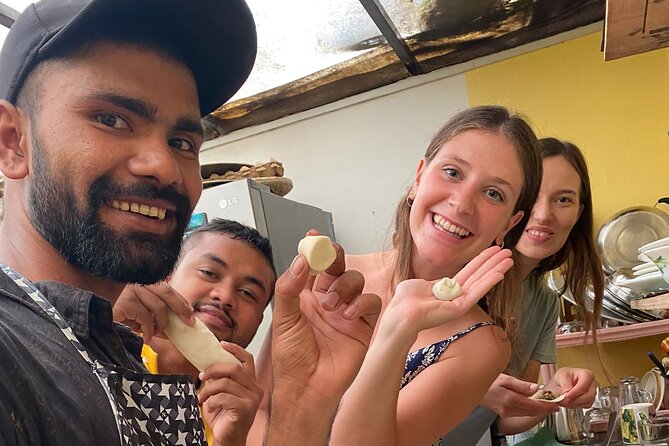
- Market shopping in Lalitpur with ingredient-buying and local conversation
- Three Nepal favorites: momo, dal bhat, and thukpa, taught step-by-step
- Small group size (up to 10) for better attention during cooking
- Patan area location near Patan Durbar Square for easy culture add-ons
- Esther Rai and Amos teaching together, with clear explanations in the kitchen
- Rooftop-style cooking space that keeps the class feeling like a real home setup
Where this Kathmandu cooking class fits (and why it feels real)
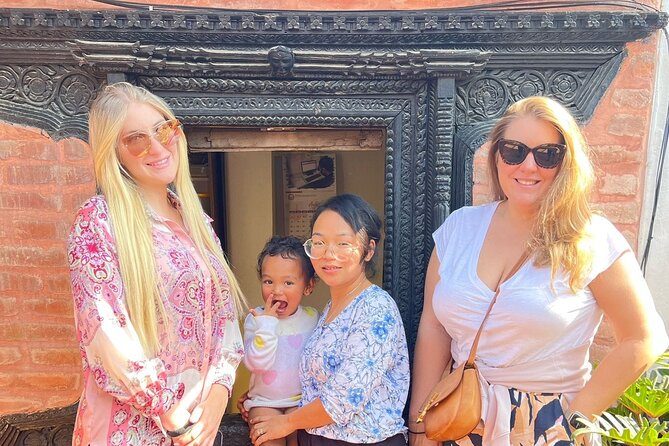
This isn’t the kind of cooking class where you sit down and get a souvenir meal. It’s built around a simple idea: food starts where people shop, talk, and bargain for what’s fresh. You begin in Lalitpur, then you mix cultural time with kitchen time, so the dishes make sense in context.
You’re also paying a fair price for a full arc: seeing where the ingredients come from, learning what goes into the dishes, and then eating what you made. At $25 per person for about 3 hours, it’s one of the more budget-friendly ways to get a proper “I did it myself” food memory in the Kathmandu Valley.
The small group limit matters too. With a maximum of 10 people, you’re more likely to get help when you need it, instead of cooking alongside a crowd where you mostly watch and wait.
You can also read our reviews of more cooking classes in Kathmandu
Meeting in Nagabahal, then heading into Patan
You start at Nagabahal – Nyadha Galli in Lalitpur (44600). From there, the day naturally orients you away from the most tourist-heavy pockets and toward the Patan area, where life moves at a slower, more local rhythm.
The advantage for you is simple: you get culture plus cooking without needing extra tickets or a separate half-day plan. And because the cooking spot is about a 5-minute walk from Patan Durbar Square, you can also tack on a little extra wandering either before or after, if your schedule allows.
If you’re staying around Thamel in Kathmandu, you’ll still feel like you’re getting a change of scenery without turning the day into an all-day commute. The tour is noted as being near public transportation, which helps.
Hiranya Varna Mahavihar (Golden Temple): what you’ll notice
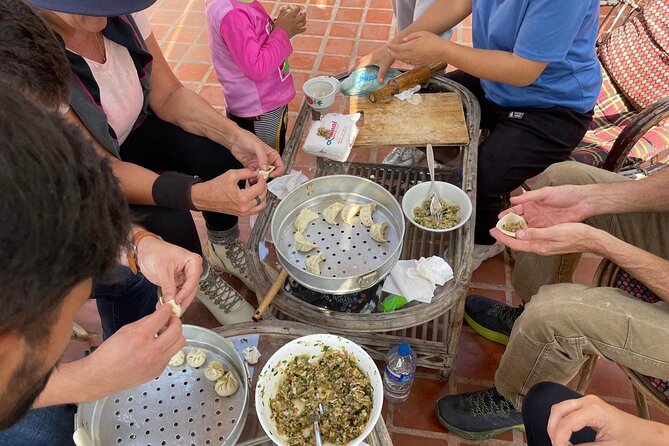
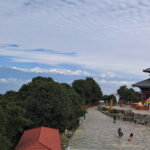
One of the first stops is Hiranya Varna Mahavihar, the Golden Temple. Even if you’re not chasing architectural details, this stop does two useful things.
First, it gives you a place to reset your eyes after the travel day. Second, it helps explain how religion, daily routine, and food culture sit side by side in the Kathmandu Valley. When you later eat dal bhat and learn about spices and timing, it feels less like a cooking demo and more like part of normal life.
What to watch for:
- The temple’s visual character and the way people move through the area
- Any explanations you’re given about what you’re seeing and why it matters locally
- How quickly you can add this stop to your understanding of Patan as a real living city
The downside is that temple time can be a bit busy depending on the day and crowd flow. If you prefer quiet, you might want to plan mentally for brief pauses and slower moments rather than expecting solitude.
Shopping the ingredients in Lalitpur’s local market
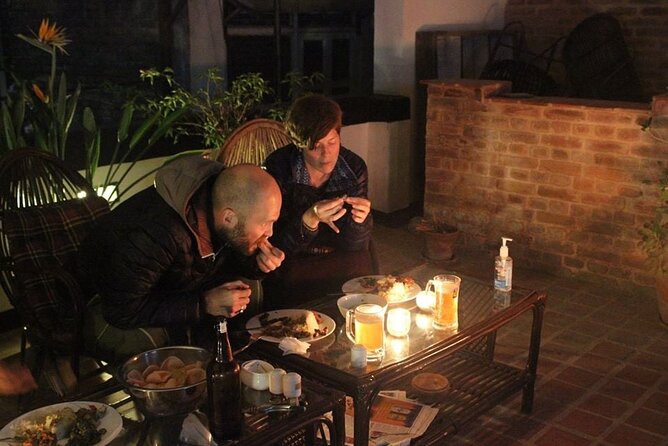
Then comes the part that usually makes cooking classes click: the market stop. You’ll be taken to a local vegetable market where you can interact with sellers and see the ingredients up close before the cooking starts.
This is where you’ll learn more than ingredients. You’ll pick up the rhythm of buying food—what’s chosen, what looks freshest, and how people talk about cooking basics. You’re also not limited to vegetables; the market experience can include meat and other items you’ll need for the meal.
Practical value for you:
- You get the “why” behind flavors. Spices, fresh greens, and chosen cuts matter.
- You can ask questions on the spot, which helps when you recreate the recipes later at home.
- You’ll likely end up with a clearer idea of which ingredients are the real core and which are flexible.
Two tips if you want to make the most of it:
- Bring a little cash for small purchases or tips if needed (the class price doesn’t guarantee all extras).
- Be ready to walk and stand for a bit. Market time is close-up and active by nature.
Cooking momo, dal bhat, and thukpa with Esther Rai (and Amos)
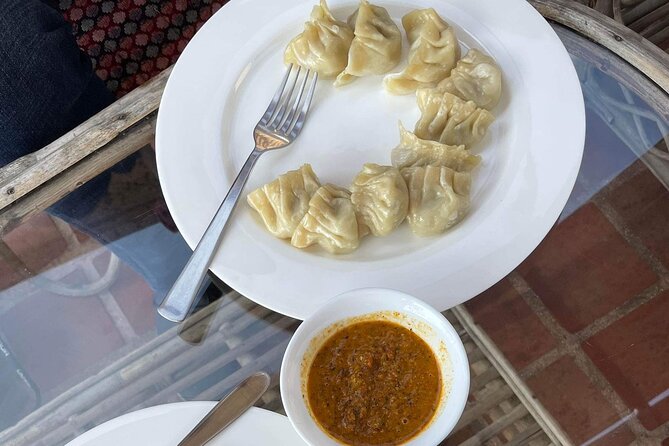
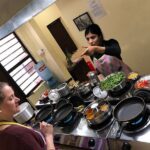
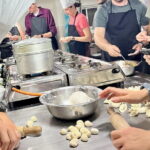
Back in the kitchen, Esther Rai runs the class with clear instruction and a warm teaching style. She teaches the menu based on what guests request, but the core dishes stay the same: momo, dal bhat, and thukpa.
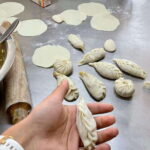
You’ll learn and practice making these dishes, not just assembling them at the end. The handwork matters here, because Nepalese food techniques lean on small decisions: how you shape and fill momo, how you balance flavors in dal, and how you build a comforting bowl of thukpa.
From the teaching setup, you’ll feel supported. Reviews mention Amos as a collaborator, so it’s not just Esther talking while you wait. The atmosphere tends to be friendly and guided, with lots of explanation and help when your hands hit a tricky step.
A note on expectations: one possible drawback is that some parts may be prepared in advance, so your role might be more about the key stages than every single step from scratch. If you love total DIY control, treat this as a guided cooking class that prioritizes outcomes and learning over raw step-by-step chaos.
You can also read our reviews of more tours and experiences in Kathmandu

A quick sense of what these dishes teach you
You’re not just making food here—you’re learning three different Nepalese “skills”:
- Momo teaches texture and method: dough handling, filling, and getting the steam timing right.
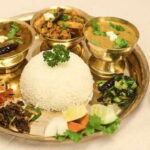
- Dal bhat teaches comfort and balance: lentils, seasoning, and the plate-style structure of a Nepalese meal.
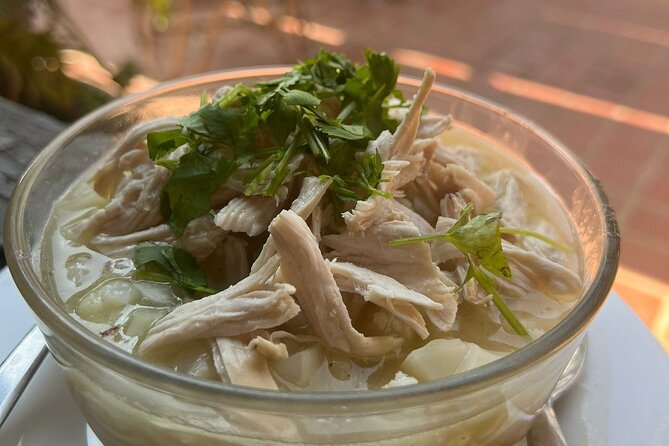
- Thukpa teaches soup-build thinking: using spices and layering flavor into something you can taste and adjust.
Even if you don’t measure anything at home, you’ll come away with instincts: when a sauce needs more punch, how the kitchen timing works, and what “done” looks like.
Where you cook
The cooking space is described as a rooftop-style setup. That changes the feel of the class. Instead of being stuck in a basement kitchen or a rigid cooking studio, you get a more home-like environment that fits the Patan neighborhood vibe.
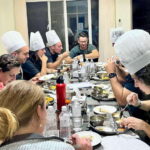
The meal payoff: eating what you cooked
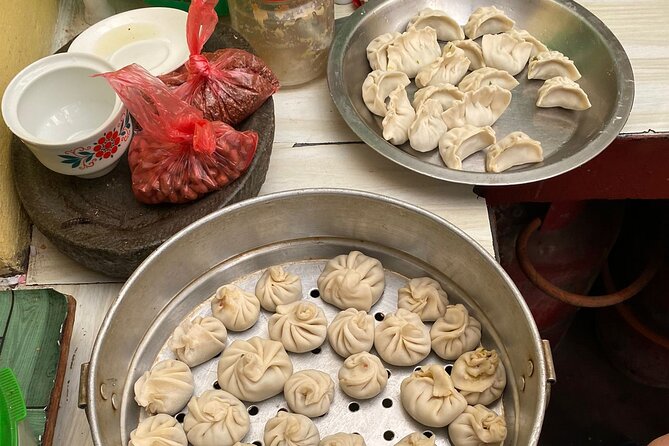
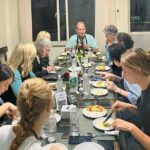
The best part is also the simplest: once everything is ready, you eat. That matters because you can taste as you learn. You’re not relying on memory or photos later.
When your momo comes out hot, you instantly understand whether your shaping and filling worked. With dal bhat, you can tell if the seasoning and texture match what you were aiming for. And thukpa is the kind of dish where the flavor settles over a few minutes, so you can feel the bowl come together as you eat.
This also adds a practical benefit for your day. You’re basically turning the class into a meal plan, which can save you time and money elsewhere.
Who this class is best for
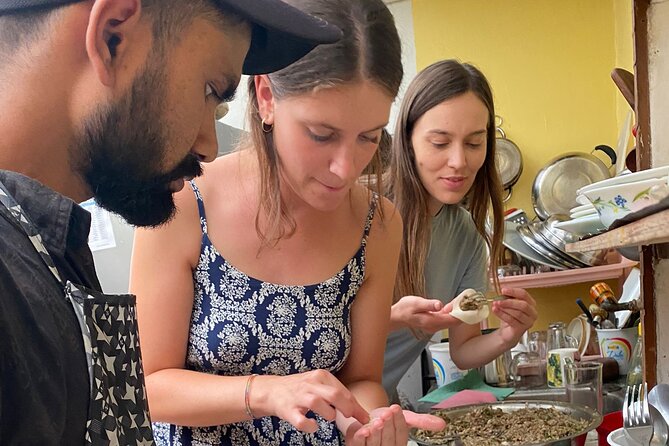
This is a great fit if you want:
- A hands-on Nepalese food experience, not a lecture
- A market-to-kitchen flow that teaches context
- A small group setting with real teaching attention
- A quick way to spend time in Patan without building an all-day itinerary
It’s also a solid choice if you’re traveling with limited time. About 3 hours means you can do this and still keep room for other Patan sights, shopping, or a relaxed evening.
If you’re a total cooking purist who wants every step from start to finish with zero pre-prep, the class might feel slightly paced for you. But if you’re here to learn, eat well, and take home techniques you can repeat, it’s a strong match.
Price and value: is $25 fair for what you get?
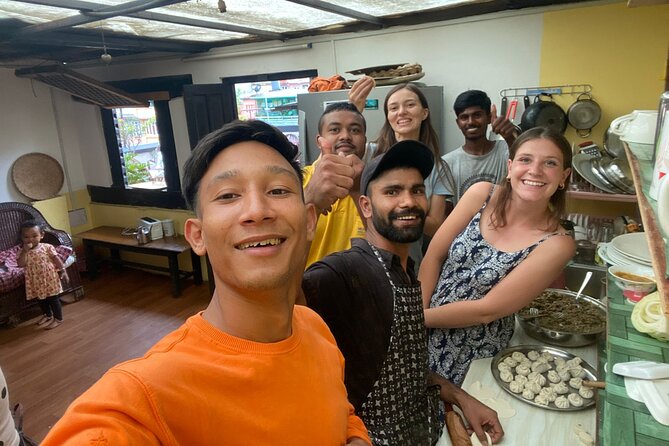
$25 per person is a low price point for a full experience that includes:
- Market ingredients and local interaction time
- A guided cooking session where you practice making multiple dishes
- A meal at the end
Value comes from the combination, not just the dishes. Cooking classes can sometimes be mostly instruction with limited practice. Here, the structure aims for hands-on learning and immediate payoff through eating.
Also, the maximum of 10 travelers helps you feel that your spot matters. In a larger group, cooking classes can become a waiting game. Here, the small size supports better participation.
When you should book (and when you should skip)
Book this if you:
- Want a memorable food lesson in Nepalese comfort classics
- Like market visits and learning through buying ingredients
- Prefer a smaller group experience with a real local host
- Want to add Patan culture without building a separate day plan
Consider skipping or choosing another format if:
- Weather really affects your comfort, because the experience requires good weather
- You hate walking and standing in market areas
- You want maximum independence and minimal guidance
If you’re somewhere between curious and hungry, this class hits the sweet spot: you’ll leave with a better understanding of Nepali cooking and a plateful of food that tasted like you earned it.
FAQ
How long is the Momo, Dhalbhat & Thukpa Cooking Class?
The class runs about 3 hours.
What dishes will I learn to make?
You’ll learn and practice making momo, dal bhat, and thukpa. The menu can also be adjusted based on guest requests.
Where do I meet the group?
You meet at Nagabahal – Nyadha Galli, Lalitpur 44600, Nepal.
How large are the groups?
The experience has a maximum of 10 travelers, so it’s kept fairly small.
Is the class affected by weather?
Yes. The experience requires good weather. If it’s canceled due to poor weather, you’ll be offered a different date or a full refund.
Can I cancel and get a refund?
Yes. You can cancel for a full refund up to 24 hours before the experience starts.
Should you book this cooking class in Patan?
If your ideal day includes market time, friendly local teaching, and eating what you cook, this is an easy yes. You’re paying a modest amount for a compact experience that links Patan culture to Nepalese flavors, and the small group size helps you actually participate. If weather is unreliable or you prefer a more independent cooking setup, then plan carefully—but for most people, it’s a smart, enjoyable way to taste Nepal beyond the usual Kathmandu routines.