REVIEW · KATHMANDU
Journey to Dhunche A Scenic Bus Ride to the Gateway of Langtang
Book on Viator →Operated by Nepal Vehicle Hiring Pvt Ltd · Bookable on Viator
A long bus day, but the views earn it. This Kathmandu to Dhunche ride is all about Trishuli River scenery and watching the Himalayas creep closer as the road climbs out of the Kathmandu Valley. At around 8 to 9 hours, you get a comfortable, budget-friendly route with a few chances to stretch and grab snacks.
Two things I really like: the nonstop sense of motion through changing terrain, and the way the ride builds toward Dhunche with snow-capped peaks in the distance. One thing to keep in mind is that the roads can be bumpy and the hills are steep, so you’ll want to be ready for a more rugged ride than a smooth highway.
In This Review
- Quick Highlights
- Why This Kathmandu to Dhunche Bus Ride Works
- Morning Pickup at Machha Pokhari: Timing You Should Trust
- The Ride Out: Trishuli River Scenery and Steep Hill Reality
- Stop-and-Go Breaks: Tea, Stretching, and Buying Simple Food
- Reaching the Gateway of Langtang: Dhunche Views and What Arrival Means
- Deluxe Bus Ticket for $17: Value and Comfort Reality Check
- Who This Is Best For (And Who Should Consider Another Option)
- What to Do With Your Day Once You Arrive
- Should You Book This Bus Ride to Dhunche?
- FAQ
- What is the price for the Kathmandu to Dhunche bus ride?
- How long does the bus ride take?
- What time does the trip start in Kathmandu?
- Where do you meet in Kathmandu?
- Where does the trip end?
- What’s included in the ticket price?
- Are meals or drinks included?
- How many people are on the bus?
- Is this experience refundable?
- What happens after booking?
Quick Highlights
- Trishuli River views along the route, great for photos and just watching the water wind through the valley
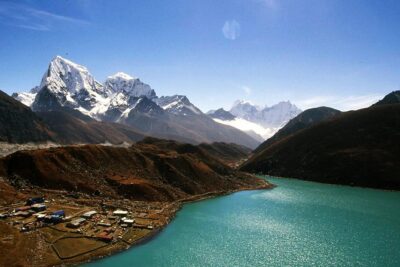
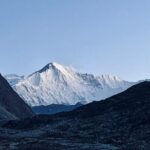
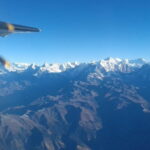
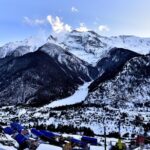
- Snow-capped Himalayan views that get stronger as you climb toward Dhunche
- Leg-stretch and food stops where you can buy tea and try simple local meals
- Small group cap (max 20), so the bus feels more manageable
- Deluxe bus ticket included in the $17 price, with the rest of your spending on you
Why This Kathmandu to Dhunche Bus Ride Works
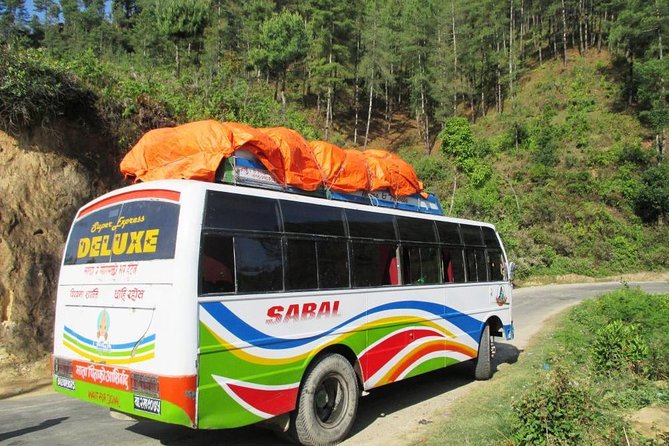
This is one of those trips where the destination matters, but the journey is the whole point. The road doesn’t stay in one mood. It starts in the Kathmandu area, then bends and climbs along the Trishuli River corridor, and the scenery keeps changing as you head toward the Langtang National Park entry region.
What makes it genuinely satisfying is the rhythm. You’re not sitting staring at a screen or stuck in a parking lot for hours. You’re traveling through valleys and along river bends, and when the mountains start showing up more clearly, it feels like the day’s story is moving forward.
And because you’re using a bus rather than a private car, you get a steadier, more predictable experience for the price. A $17 round-trip style cost (this one is one-way) can be hard to beat when the alternative might be a much pricier private vehicle.
You can also read our reviews of more tours and experiences in Kathmandu.
Morning Pickup at Machha Pokhari: Timing You Should Trust
Your start point is Machha Pokhari (Ring Rd), Kathmandu with a 7:15 am start time. The tour timing is listed as about 8 to 9 hours, depending on traffic. That’s useful because Nepal traffic can swing a lot, especially on longer routes.
After you book, you should get the details you’ll need: bus number, your seat number, reporting time, and departure time. This matters more than people think. On bus trips, knowing exactly where you’re supposed to be at what time keeps the morning stress low and makes it easier to get seated and settled before the road gets windy.
Practical tip: plan to arrive a bit early at Machha Pokhari. Even without worrying about timing games, you’ll want a few minutes to find your bus and get comfortable with the seat and storage area.
The Ride Out: Trishuli River Scenery and Steep Hill Reality
The core of the route is the drive along the Trishuli River. Expect river views to be a recurring feature, especially in sections where the road runs close to the water’s edge. It’s the kind of scenery that doesn’t need narration. You can just watch the water and the surrounding hills slide past.
As the journey continues, the terrain rises, and that’s where the Himalayas start to feel less like an idea and more like a backdrop you’re actually approaching. Several people highlight that the hills are steep and that the driver handles them well. Translation: this ride can feel bumpy, and you’ll feel the engine work on climbs.
If you’re prone to motion sickness, consider preparing the way you would for a curvy mountain road. Keep your body steady, and avoid turning your head around too much while the bus is climbing.
Stop-and-Go Breaks: Tea, Stretching, and Buying Simple Food
The bus makes a few stops during the trip to let people stretch their legs and, importantly, to grab food. The ride isn’t described as a structured lunch event with a plated meal included. Instead, it’s more like: you’ll stop, you can walk around a bit, and you can sample local stuff you find there.
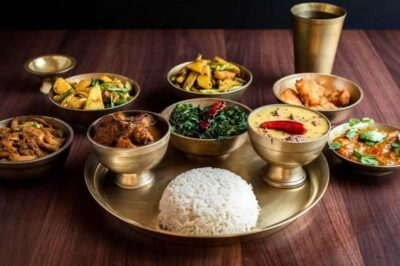
One small detail I like from the experience description is that it explicitly mentions roadside tea stalls and traditional Nepalese meals as the kind of food you may be able to try during these breaks. That’s valuable because it turns the long ride into something you can actually taste, not just watch.
A practical approach for you:
- Bring cash or use whatever payment method is common at roadside stops (the ticket itself covers only the ride).
- Keep expectations flexible. Stops can be short, and you’ll want to move quickly back to the bus once you’re done.
Reaching the Gateway of Langtang: Dhunche Views and What Arrival Means
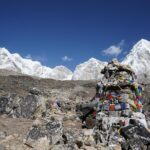
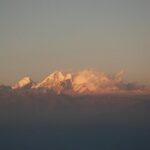
The day’s emotional payoff is getting to Dhunche, described as the entrance area for Langtang National Park. This is where the scenery peaks: you’re greeted with snow-capped mountain views that feel much closer than earlier in the morning.
Even if you’re not hiking that day, arrival here matters because Dhunche is the kind of place where the mountains stop being distant and start being real. In practical terms, it can help you understand what kind of weather and altitude you’re heading toward if you plan to do more Langtang-area trekking later.
One thing to double-check before you go: the tour description mentions Dhunche as the gateway, but the listed end point is Syapru Besi. That doesn’t necessarily mean something is wrong, but it does mean your final drop-off might vary by routing or operator choice. When you receive your booking details, verify where you’ll actually be dropped off. It’s worth two minutes of checking so you don’t end up trying to figure out a transfer at the end of a long day.
Deluxe Bus Ticket for $17: Value and Comfort Reality Check
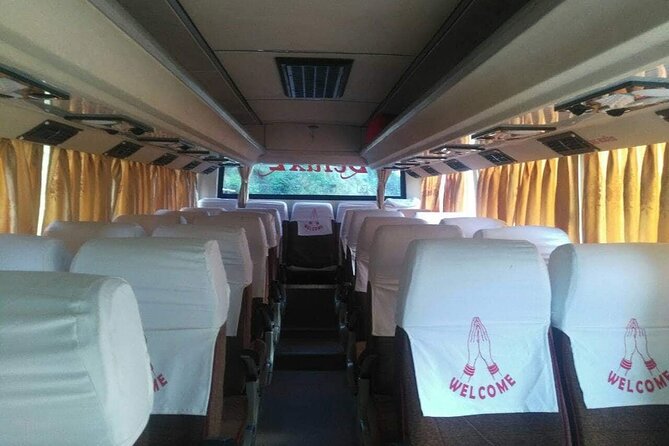
At $17 per person, the value is strong if your goal is simply to get out to the Langtang gateway area without spending more on transport. The ticket includes the deluxe bus, and that’s it. Nothing else is included, meaning any food, drinks, and personal spending at stops are on you.
So what does deluxe mean in this context? The data doesn’t give seat specs or onboard amenities, so you should treat this as a standard bus ride that’s marketed as more comfortable than basic transport. The bumpy-road feedback in the reviews suggests that even a deluxe bus can’t fully erase the reality of steep, curving mountain roads.
Here’s the trade-off you’re choosing:
- You pay less and accept that the ride may be bumpy.
- You gain time-efficient access toward Dhunche/Langtang entry zones.
- You keep the day simple: show up, ride, and arrive.
For many people, that’s a fair bargain. If you’re the type who needs ultra-smooth comfort for hours, you may feel every pothole and every curve.
Who This Is Best For (And Who Should Consider Another Option)
This bus ride is a great match if you:
- Want a budget-friendly day trip style transport option from Kathmandu
- Care more about views during the drive than about a guided experience
- Plan to connect into Langtang trekking or sightseeing afterward
- Prefer a smaller group (max 20) rather than a huge coach
It’s less ideal if you:
- Have a low tolerance for steep, curvy, and bumpy roads
- Need long periods of calm, quiet comfort (this route is more active physically)
- Expect meals to be included (they’re described as something you can sample at stops)
Also, the experience notes that most people can participate, which suggests it’s not limited to a narrow fitness profile. Still, the route’s comfort level depends heavily on how you handle road conditions.
What to Do With Your Day Once You Arrive
This trip is mainly about getting you to the gateway area. Once you’re there, you’ll likely be thinking about next steps—whether it’s starting a hike, planning a longer trek, or arranging local transport depending on your schedule.
Because the end point can be Dhunche-related but is listed as Syapru Besi, your best move is to use your arrival time to confirm:
- where you dropped off,
- how you’ll move next (especially if you have reservations or a connection).
A good practice after long bus rides is to do a quick practical check: keep your important items together, drink some water if you can, and take a few minutes to orient yourself before you commit to the next plan.
Should You Book This Bus Ride to Dhunche?
If you want a straightforward way to reach the Langtang gateway area and you’ll enjoy the journey as the main event, then yes, it’s worth booking. The combination of Trishuli River views, strong mountain scenery buildup, and a low $17 price is hard to beat for day-transport value.
I’d book especially if you’re traveling light and flexible with roadside food stops, and if you don’t mind that the ride may feel bumpy on steep roads. Just be sure to confirm your actual drop-off location from your booking details, since the information points toward Dhunche while also listing Syapru Besi as the end.
If you’re the type who gets stressed by long rides and rough roads, consider whether a private vehicle might fit better. Comfort can be worth paying for when your tolerance is low.
FAQ
What is the price for the Kathmandu to Dhunche bus ride?
The price is $17.00 per person.
How long does the bus ride take?
It takes about 8 to 9 hours, depending on traffic conditions.
What time does the trip start in Kathmandu?
The start time is 7:15 am.
Where do you meet in Kathmandu?
The meeting point is Machha Pokhari, Ring Rd, Kathmandu 00977, Nepal.
Where does the trip end?
The end point is listed as Syapru Besi 45000, Nepal, even though Dhunche is described as the gateway destination. Check your booking details to confirm the exact drop-off.
What’s included in the ticket price?
A deluxe bus ticket is included.
Are meals or drinks included?
No. The only thing included is the bus ticket. During the ride, stops are provided where you can sample local cuisine, which would be an extra cost.
How many people are on the bus?
There is a maximum of 20 travelers.
Is this experience refundable?
No. It’s non-refundable and cannot be changed for any reason.
What happens after booking?
Confirmation is received at the time of booking, and you should get your bus number and seat details along with reporting and departure times.