REVIEW · KATHMANDU
10 Days Annapurna Base Camp Trek from Kathmandu
Book on Viator →Operated by CAN Travels · Bookable on Viator
The Himalayas feel close on this trek. Ten days, and you’re walking from Kathmandu’s bustle into Gurung villages, bamboo and rhododendron forests, and finally the Annapurna Base Camp area for sunrise views. You’re also protected by real logistics: pickup, transfers, and government paperwork handled for you.
I love the English-speaking, government-licensed guide. In different groups, I’ve seen names like Krishna, Biru, Milan, Deepak, Amrit, Prakash, and others associated with the trek, and the common thread is clear guidance and calm safety focus. I also love that the basics are managed end to end: hotel pick up and drop off, the luxury sofa-seat tourist bus to Pokhara, and two nights in a 2-star hotel with breakfast.
One consideration: this trek still has serious uphill/downhill legs, and the base-camp approach includes spots known for avalanches—so you’ll want moderate fitness and you’ll need to listen closely to your guide. Also, plan your budget for meals and drinks since food and drinks are not included.
In This Review
- Key things that make this Annapurna Base Camp trek work
- Getting to the mountains: Kathmandu to Pokhara, then up the trail
- Forest switchbacks toward Deurali and Annapurna Base Camp
- The return route: Bamboo, Jhinu Danda, and rolling back to Pokhara
- Back in Kathmandu: the tourist bus ride and what you’ll want afterward
- Price and what’s handled for you in this $490 package
- How to prep: fitness, weather layers, and smart trekking choices
- Who should book this Annapurna Base Camp trek?
- Should you book this 10-day Annapurna Base Camp trek?
- FAQ
- What time does the experience start?
- How long is the 10 Days Annapurna Base Camp trek from Kathmandu?
- What is included in the $490 per person price?
- What is not included in the trip price?
- Is there an English-speaking guide?
- Are transfers between Kathmandu and Pokhara included?
- Are trekking permits included?
- Is this a private tour?
- What is the cancellation policy?
Key things that make this Annapurna Base Camp trek work
- Licensed English-speaking guide support with an emergency first aid kit included
- Kathmandu–Pokhara and back covered by luxury sofa-seat tourist bus plus pickup and drop-off
- Real village-to-views route through places like Ghandruk, Chhomrong, Bamboo, and Jhinu Danda
- Forest hiking days through bamboo and rhododendron, then high alpine views toward Deurali
- Base camp day with avalanche-aware routing, where your guide’s pacing matters
- Value at $490, with permits and official documents handled, but you still pay for trekking meals and optional gratuities
Getting to the mountains: Kathmandu to Pokhara, then up the trail
Day 1 starts with an early hotel pickup in Kathmandu, then a long transfer to Pokhara—about seven hours to get there. Pokhara is your first “exhale” moment. You’ll have time to rest before the walking begins, and it’s a practical setup: rather than arriving exhausted, you get a real pause in a place built for travelers.
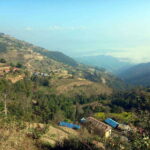
Day 2 turns the trip on to trekking mode. You ride by taxi or car to Nayapul, then start walking toward Ghandruk via Sauli Bazar. Expect a steep hill trail and a full day—about five to seven hours—so it’s not a gentle warmup. The reward is big: once you reach Ghandruk, you get mountain views from the village area and a strong feel for local life.
Day 3 continues with that same rhythm of legs + scenery. You leave Ghandruk and trek through Kumrong danda, with ups and downs built into the route, finishing in Chhomrong. This is one of the more culturally meaningful stops on the way because you’re moving through an area associated with typical Gurung people lifestyle and local natural attractions. It’s also a good day for pacing: you learn fast that steady effort beats sprinting the trail.
You can also read our reviews of more hiking tours in Kathmandu
Forest switchbacks toward Deurali and Annapurna Base Camp
Day 4 brings the classic Annapurna feeling: down, then up. From Chhomrong, the trail drops steeply to Chhomrong Khola, you cross the stream, then you climb steeply again. The route is described as multiple uphill and downhill segments, which means you’ll be constantly recalibrating your pace. It’s a good day to practice smart trekking habits—short stops, steady breathing, and keeping your footing.
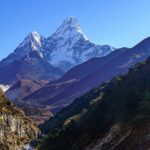
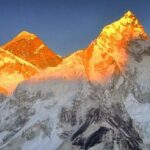
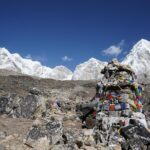
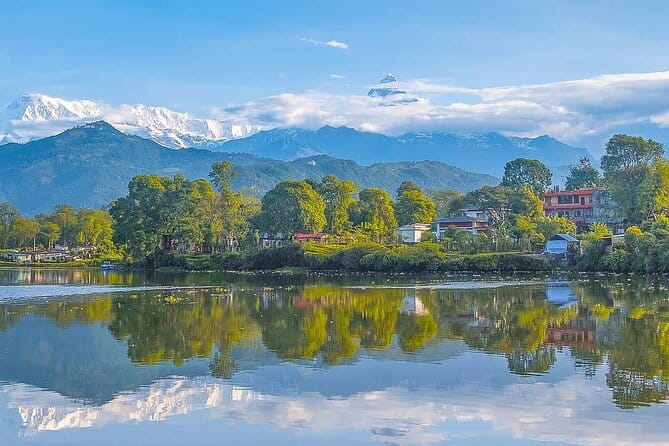
Day 5 shifts into a “walking through the woods” day. The trail from Dovan to Deurali is short and scenic, passing through bamboo and rhododendron forests. If you like variety, this is the day for it: one moment you’re shaded under tall growth, the next you’re catching majestic mountain peaks in the distance. Deurali is also where the trip starts feeling more alpine, and it sets you up for the base camp push.
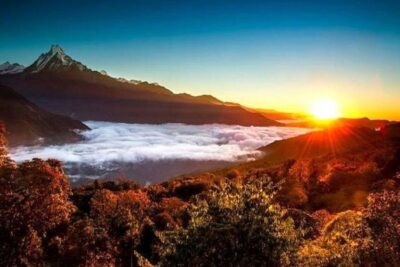
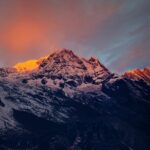
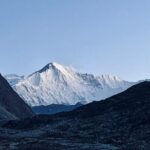
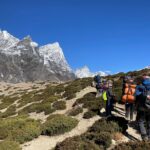
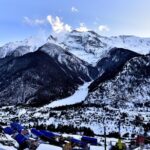
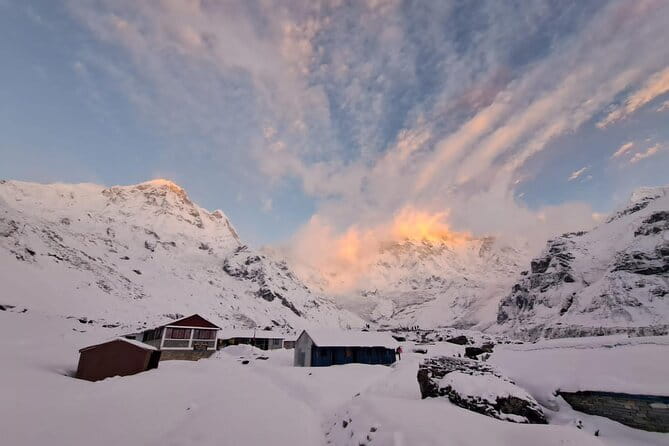
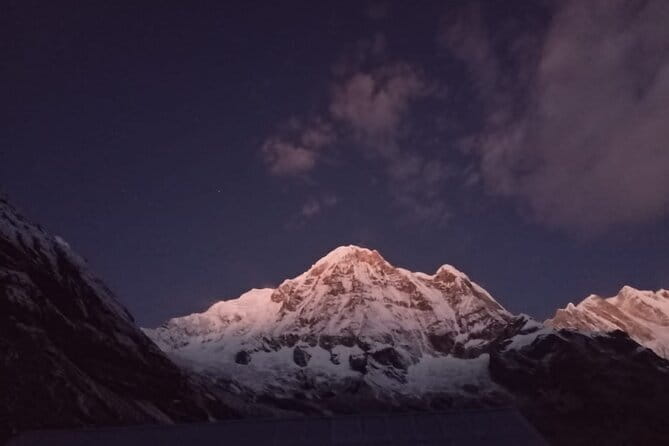
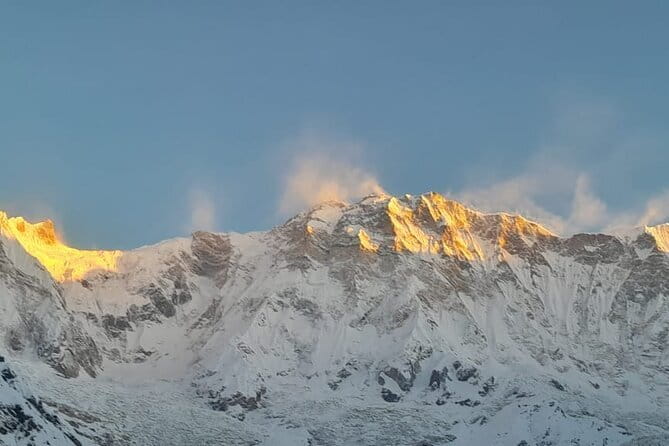
Day 6 is your target day: trekking from Deurali to Annapurna Base Camp (about seven hours). You pass through beautiful high alpine forests with stunning Himalayan views of snow-capped peaks. The route also includes several spots known for avalanches, so this is exactly where a guide-led plan matters. You’ll want to keep your mind on the trail, not on rushing. If the weather cooperates, this is also the day you’ll be thinking about sunrise views—the kind people remember long after their phone photos run out.
Practical note: start early, dress in layers, and assume conditions can change fast in the higher zones.
The return route: Bamboo, Jhinu Danda, and rolling back to Pokhara
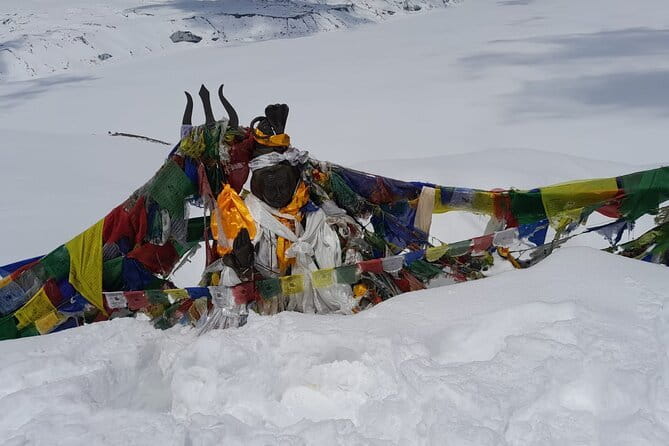
Day 7 is the long-satisfying down day, but don’t treat it like a victory lap. After breakfast near the mountains, you trek down to Bamboo on a route that largely follows the way you went up. The descent is described as dropping by around 1,700m, and you’ll feel that in your knees if you go too fast. The good news is the scenery stays active—every bend still gives you a new angle on the mountains.
Day 8 adds stair-energy. From Bamboo, you trek to Jhinu Danda (about six hours). There’s a steep ascent to Kuldi Ghar, then stone steps to Lower Chomrong, followed by a climb that builds again. This is one of the days where footwear traction and trekking-pole use can make you feel much better. Jhinu Danda is also well known for a relaxing break by the time you arrive, and at least one group on this trek specifically called out hot springs as a much-needed reset.
Day 9 turns easier—at least compared to the earlier hiking. After breakfast, you trek to Siwai, then take a shared jeep or bus to Nayapul. From there, you transfer to Pokhara by private car or jeep. The route is described as one of the easiest days of the whole trek, and you’ll notice it right away because you spend less time fighting gradients. It’s a nice “transition day” that helps you land in Pokhara without needing to immediately bounce back into Kathmandu mode.
Back in Kathmandu: the tourist bus ride and what you’ll want afterward
Day 10 is all about return travel. You’ll start from Pokhara, then follow the highway through rivers, hills, and small Nepalese settlements. The bus ride is about seven hours back into Kathmandu Valley, dropping you around the tourist bus area.
This is the day you switch from hiking focus to recovery focus. You’ll likely want a hot meal, a shower that doesn’t involve trekking-gear layers, and some quiet time to let your legs stop feeling like they have their own opinions. It’s also the easiest day for people who get nervous with logistics—your transport is organized, and you’re not stuck figuring out routes after a long trek.
Price and what’s handled for you in this $490 package
At $490 per person, you’re not just paying for trails. You’re paying for the parts that usually eat your time (and can quietly eat your budget): guide coverage, permits, and travel coordination.
Here’s what the package lists as included:
- Hotel pickup and drop-off in Kathmandu
- Kathmandu to Pokhara to Kathmandu transfers by luxury sofa-seat tourist bus
- 2 nights in a 2-star label hotel in Pokhara with breakfast
- A government-licensed English-speaking trekking guide
- Trekking permit and official documents
- Pokhara to Nayapul and Siwai transfers by private vehicle
- Emergency normal first aid kit with the guide
- Guide food, accommodation, and all expenses
- Private tour (your group only)
- Mobile ticket
What’s not included:
- Food and drinks (you buy them during the trek)
- Gratuities (optional)
So is it good value? For a trek like this, the price makes sense if you want a plan that takes care of permits and day-to-day decisions. The permit and guide piece alone can be a big quality-of-life factor. But two things are worth keeping in mind: first, your on-trail meals are extra, so budget accordingly. Second, the included hotel nights are only specified for Pokhara—so if you care about what lodging standards are covered along the trek, ask the operator to spell out exactly what’s included for sleeping during trekking days.
How to prep: fitness, weather layers, and smart trekking choices
The trek is described as suitable for travelers with moderate physical fitness. That doesn’t mean it’s easy. It means you can do it if you can handle steady walking hours, repeated ups and downs, and a few rougher terrain days (especially with the stair-heavy segment around Jhinu Danda).
Here’s what I’d do to set yourself up for success:
- Train for stairs and hills before you go. Practice makes your knees less dramatic.
- Plan for layers. You’ll go from village climates into high alpine conditions with snow-capped views.
- Pack for cold mornings, even if afternoons feel tolerable. The base camp day is where early starts and sunrise viewing can mean chilly temps.
- Wear grippy shoes and consider trekking poles for descents, especially around the big drop days.
- Bring a small snack strategy. Since food and drinks aren’t included, having backup energy helps you keep a steady pace instead of waiting for meals.
Safety-wise, the route includes areas known for avalanches near the base camp approach. That’s not something to “power through.” It’s a reminder to walk as instructed and keep your effort controlled.
Who should book this Annapurna Base Camp trek?
I’d point you to this trek if you want:
- A guide-led experience with English support and paperwork taken care of
- A mix of culture (Gurung village areas) and changing trail scenery (bamboo, rhododendron, high alpine forests)
- Private-trip comfort while still getting the big logistical pieces solved (bus transfers, pickups, permits)
I’d think twice if you:
- Want fully included meals and drinks (they’re not included here)
- Don’t want long travel days (Day 1 and Day 10 are both about seven hours by bus)
- Struggle with repeated steep sections, stairs, and descents, even at a moderate fitness level
Also, if you’re sensitive to walking-day intensity, ask how the trekking-day lodging and meal options are structured in your specific booking—because the included items spell out Pokhara hotels, but the on-trail details aren’t fully listed.
Should you book this 10-day Annapurna Base Camp trek?
If you like organized trekking—permits handled, transfers taken care of, and a strong local guide leading the way—this $490 option is a solid match. The repeated praise pattern in guide names like Krishna, Biru, Milan, Deepak, Amrit, and Prakash points to a real focus on safety, clear communication, and getting the plan right.
Book it if you’re ready for a serious walking rhythm and you’ll take the avalanche-aware approach seriously (with your guide setting pace and priorities). Consider it a lighter fit only if you’re comfortable budgeting for daily meals and you’re okay with two long bus days.
If you want, tell me your hiking experience level and whether you’re going solo or as a couple/friends. I can help you decide if this pace and setup will feel right for you.
FAQ
What time does the experience start?
The start time is listed as 11:15 am.
How long is the 10 Days Annapurna Base Camp trek from Kathmandu?
It’s scheduled for 10 days (approx.).
What is included in the $490 per person price?
The price includes Kathmandu pickup and drop-off, luxury sofa-seat tourist bus transfers Kathmandu to Pokhara to Kathmandu, two nights in a 2-star hotel in Pokhara with breakfast, a government-licensed English-speaking trekking guide, trekking permits and official documents, transfers from Pokhara to Nayapul and from Siwai (by private vehicle), a private tour setup, and an emergency first aid kit with the guide.
What is not included in the trip price?
Food and drinks are not included, and gratuities are optional.
Is there an English-speaking guide?
Yes. The trek includes a government-licensed English-speaking trekking guide.
Are transfers between Kathmandu and Pokhara included?
Yes. You’ll take a tourist bus with luxury sofa seats between Kathmandu and Pokhara, and back again.
Are trekking permits included?
Yes. Trekking permit and all official documents are included.
Is this a private tour?
Yes. It’s described as a private tour/activity, with only your group participating.
What is the cancellation policy?
Cancellation is free. You can cancel up to 24 hours in advance for a full refund. If you cancel less than 24 hours before the experience’s start time, the amount you paid will not be refunded.