REVIEW · KATHMANDU
Unforgettable Everest Base Camp Trek with Third Rock Adventures! 🌄 I recently completed an incredible journey to Everest Base Camp with Third Rock Adventures, and I can’t recommend them enough! From starRead more
Book on Viator →Operated by Third Rock Adventures · Bookable on Viator
That thin air up high has a way of changing you. This 14-day Everest Base Camp trek is built around clear, high-value pacing and the iconic Khumbu highlights, from Lukla to Kala Patthar. I like how the trip mixes Sherpa culture with big alpine objectives, and you’ll also get smart support from a licensed guide and porter team (I’ve seen names like Gnawang, Deepak, and Dawa stand out in real experiences). One thing to consider: the route is moderate to difficult, and weather or flight timing can shift on Everest schedules.
What I especially like is the focus on the climb-with-rest rhythm: Namche’s acclimatization day and Dingboche’s Nagarjun Hill hike give your body a fighting chance. I also appreciate the included safety and comfort touches, like tea house lodging, all trek meals, and gear support such as a down jacket and sleeping bag. The trek also keeps the logistics sensible with private airport transfers in Kathmandu and shared overland transport tied to the domestic flight plan.
The main drawback is not the walking itself. It’s the altitude, plus the fact that this region can mess with plans—if clouds and wind stack up around Lukla, departures can get delayed or adjusted. If you’re the type who gets stressed when schedules slip, plan for flexibility from day one.
In This Review
- Key highlights
- Kathmandu Warm-Up: Thamel Gear Checks and Meeting Your Trek Team
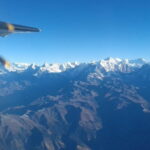
- The Lukla Jump-Off: Scenic Flights and Your First Walk in Khumbu
- Phakding to Namche: Suspension Bridges, Hillary’s Bridge, and Sherpa Trading Life
- Acclimatization Is Not Optional: Namche and Dingboche for a Reason
- Tengboche to Dingboche: Forest Trails, Ama Dablam Views, and Monastery Time
- Lobuche to Gorak Shep to Everest Base Camp: The Khumbu Icefall Moment
- Kala Patthar at 5,550 m: Sunrise Math, 360 Views, and Cold That Means It
- Back Down to Namche and Lukla: Hillary Bridge Again and That Post-Goal Feeling
- Lukla to Kathmandu: Final Flight, Ason Market, and the Right Kind of Recovery
- Price and Logistics: What $1,799 Buys (and What Costs Extra)
- Who This Trek Fits Best (and Who Should Rethink)
- The Small Things That Make This Trek Feel Well Run
- Should You Book This Everest Base Camp Trek?
- FAQ
- How long is the Everest Base Camp trek?
- Where does the tour start and end?
- What is included for accommodation in Kathmandu?
- Do you provide meals during the trek?
- Is a porter included?
- What kind of guide support is included?
- Are Sagarmatha National Park fees included?
- Are domestic flights included?
- Is the down jacket and sleeping bag included?
- Is free cancellation available?
Key highlights
- Lukla flight + first Sherpa valley day: start fast with that classic entry into Khumbu
- Namche acclimatization with views: Saturday Market time plus a sunrise hike option
- Tengboche monastery stop: Ama Dablam views paired with one of the region’s key religious sites
- Everest Base Camp approach from Gorak Shep: Khumbu Icefall views before you reach camp
- Kala Patthar sunrise at 5,550 m: 360-degree views when skies cooperate
- Human support that matters: government-licensed guide, first-aid kit, pulse oximeter, and meds like Diamox
Kathmandu Warm-Up: Thamel Gear Checks and Meeting Your Trek Team

Your trek starts in Kathmandu, where the organizer picks you up and gets you to a hotel with breakfast. Day one is your runway: you’ll meet your trek leader and team for a briefing, then sort out gear and essentials.
I like that there’s time to walk off jet lag in Thamel. You can compare trekking socks, grab any last-minute items, and generally get your bearings fast in a neighborhood built for travelers.
A practical note: Everest trekking can turn into a last-minute shopping game if you arrive without what you need. Use day one to double-check layers, warm gloves, and rain protection—especially because the mountains love changing the rules.
You can also read our reviews of more hiking tours in Kathmandu
The Lukla Jump-Off: Scenic Flights and Your First Walk in Khumbu

The next big moment is the flight to Lukla, followed by the start of the trek. You’ll meet your crew and begin walking through Chauri Kharka, following the Dudh Koshi River toward Phakding, a Sherpa village in the valley.
That first day is less about suffering and more about rhythm. The river corridor helps you settle in, and you’ll start seeing how the Khumbu villages are layered—small settlements, prayer flags, and trails that feel both busy and quiet at the same time.
You’ll also cross into Sagarmatha National Park areas along the way, so you’ll be living inside the protected zone from early on. Lunch is planned around Jorsale later in the circuit, but the vibe starts here: this is a trekking world with rules, fees, and conservation in mind.
Phakding to Namche: Suspension Bridges, Hillary’s Bridge, and Sherpa Trading Life

Crossing suspension bridges comes early, including the famous Hillary Bridge. It’s a very real part of the experience: you step out over moving water and feel how engineering and courage blend in the Himalaya.
The climb to Namche Bazaar is where the trek starts to ask for effort. Day three ends with you reaching the Sherpa capital and trading hub, which matters because Namche is both a practical supply town and a cultural anchor for the route.
Then comes a smart rest day. Day four is your acclimatization in Namche, with time to explore bakeries, shops, and the Saturday Market. If you’re hungry for normal life while still in the mountains, Namche is where you get it.
Acclimatization Is Not Optional: Namche and Dingboche for a Reason
This trek’s structure is built around altitude management, not hero fantasies. The best example is the Namche day: you get a sunrise hike in Sagarmatha National Park for views of Everest, Ama Dablam, and Lhotse, then you return and rest.
Later, Dingboche gives you another acclimatization angle. You’ll pass through Pangboche, noted as the highest permanent Sherpa settlement, then reach Dingboche with big mountain sightlines starting to dominate your daily life.
One more high-value climb happens on day seven: Nagarjun Hill at about 5,100 m. It’s a long-ish altitude hike, but it’s also a payoff day—panoramas including Makalu, Lhotse, Ama Dablam, Island Peak, plus close views of the Imja Glacier. You’re doing that for views, yes, but also because the trek’s rhythm keeps you learning how your body responds.
Tengboche to Dingboche: Forest Trails, Ama Dablam Views, and Monastery Time

Between Namche and Tengboche, you walk through rhododendron and juniper forests. This is one of those stretches where the trail feels more alive—less like a straight ascent and more like a changing environment as you gain elevation.
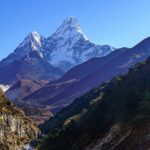
Tengboche is a highlight stop for good reason. It’s home to the region’s largest monastery, and you’ll get close-up views of Ama Dablam. I always find these monastery visits grounding in a place where the main goal is massive peaks: it reminds you that the mountain has always been part of local spiritual life, not just a climbing target.
From Tengboche, you cross the Imja Khola and continue through Pangboche before arriving in Dingboche. If you like your days with both scenery and meaning, this is the zone where the trek feels most like a cultural journey and not just a hike.
Lobuche to Gorak Shep to Everest Base Camp: The Khumbu Icefall Moment

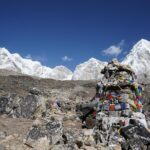
As you approach Lobuche, you’ll hike around rugged high-altitude terrain—an 8 km day with sweeping views toward Lobuche, Pumori, and Nuptse. There’s also time at Thukla Pass to honor Everest climbers at memorial stupas, which adds a quiet, reflective tone to a physically demanding day.
Then you move to Gorak Shep. From there, the approach to Everest Base Camp becomes real in a way that’s hard to describe until you’re doing it: you hike alongside the Khumbu Glacier and reach base camp, taking in views of the Khumbu Icefall and the surrounding peaks.
This is the part most people remember. Not because it’s comfortable—tea houses at altitude never feel like a resort—but because base camp is the culmination of the trail. When you arrive, the whole trek stops being theory and becomes a place you can point to.
Kala Patthar at 5,550 m: Sunrise Math, 360 Views, and Cold That Means It

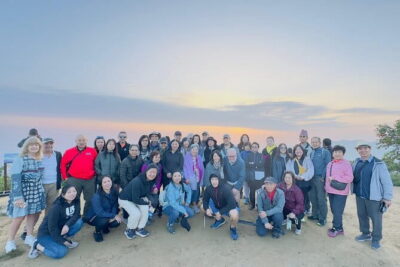
The day after base camp is built for one of the most famous rewards in the Himalaya: Kala Patthar. After breakfast, you hike to about 5,550 m, aiming for 360-degree views of Everest, Lhotse, Nuptse, and Pumori.
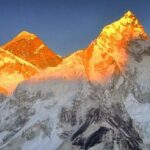
Sunrise is the big deal here, when the light hits Everest’s peak. Even when skies don’t cooperate perfectly, the act of getting up there is still the trek’s core achievement—because you’re standing at a vantage point that turns the whole region into one giant layered puzzle of snow and rock.
Afterward, you head back down toward your next stop. Descending is not optional here; it’s how you keep your legs functional for the final return stretch.
Back Down to Namche and Lukla: Hillary Bridge Again and That Post-Goal Feeling

On the way back, you’ll descend from Pheriche and pass through Tengboche again. It’s interesting to see the same places with different eyes—less like landmarks, more like checkpoints on a journey you’re now finishing.
Then Namche comes back into view. You’ll arrive after a short climb in the afternoon, and the village atmosphere feels like a mix of relief and nostalgia. This is the day where you start thinking about warm meals, showers, and the fact that you’re not going to altitude-calculate every step again.
Day twelve brings another crossing of the Hillary Suspension Bridge, then you head down to Lukla. You reach Lukla in the afternoon, and it’s a classic finish-line moment: you’ve done the hardest part of the trail in the reverse direction, with your body slowly returning to normal.
Lukla to Kathmandu: Final Flight, Ason Market, and the Right Kind of Recovery

Once you’ve completed the trek, you fly from Lukla to Kathmandu and transfer to your hotel. You’ll have a final night to rest and explore, with time to shop for handicrafts and souvenirs.
Ason Market is part of the plan for spices, tea, and decorative items. It’s a nice contrast after weeks of trail food and hot tea on schedule, even if you know you’ll smell like campfire and cold weather on the flight back.
Your last day is simple: you transfer to the airport around three hours before your scheduled departure.
Price and Logistics: What $1,799 Buys (and What Costs Extra)
At $1,799 per person for 14 days, this trek sits in the “premium but not chaotic” category. You’re paying for more than the walking route. You’re paying for the scaffolding that makes the hike workable: domestic flights, airport transfers, tea house lodging, all trek meals, and the support staff who keep the trip moving.
Here’s what feels like real value:
- Included tea house accommodation that’s described as clean and comfortable
- All meals during the trek plus tea/coffee with meals, which helps you avoid food scrambling at altitude
- Porter service for main luggage (with a ratio of 2 trekkers to 1 porter)
- Government-licensed guide with first-aid training, plus a pulse oximeter and essential medicines like Paracetamol and Diamox
- Park fees and community fees included, so you’re not tracking extra charges in the field
- Down jacket and sleeping bag provided (returned after the trek)
What you should budget for outside the main price is also clear:
- Nepal visa fee and travel/medical insurance are not included
- Kathmandu lunch/dinner are not included
- Tips for guide/porter/driver are expected
- Personal expenses run about $10 per person for items like phone/internet/laundry/snacks, plus another $10 for bottled or boiled water, hot showers, and similar add-ons
- Excess baggage costs extra beyond a 15 kg allowance, and flights use domestic routing tied to Ramechhap/Lukla
One big wildcard: the helicopter option is not included and is listed as $1,200 per person. It’s there as a safety net if conditions force changes, but it’s definitely a cost add-on.
Who This Trek Fits Best (and Who Should Rethink)
This is for you if you have moderate physical fitness and you’re ready for a moderate-to-difficult altitude hike. The itinerary includes multiple altitude climbs and acclimatization days, so you need to be comfortable working at a steady pace for hours.
It’s also a good fit if you want a small group. The trek max is listed as 12 travelers, which usually means less crowding in tea houses and a more manageable pace than larger expeditions.
Where you might reconsider is if you’re extremely inflexible about timing or you panic when flights get delayed due to weather. Even with a well-run team, Lukla schedules can change in the best and worst ways—this region runs on mountain conditions first.
The Small Things That Make This Trek Feel Well Run
The guide and porter team are a big part of why this experience is consistently rated high. Names that stand out from real trek accounts include Gnawang and porter Somdey, plus guides like Deepak and Dawa. What you should look for in a guide isn’t just friendliness—it’s how they handle altitude concerns and pacing decisions.
This package also includes tools that signal seriousness about safety: a first-aid kit, a pulse oximeter, and essential medicines carried by the guide. That means you’re not improvising medical response at altitude.
For comfort, the tea house lodging and included meals help a lot. At high elevations, small delays can wreck energy, so having meals planned and covered is more than convenience—it’s strategy.
Should You Book This Everest Base Camp Trek?
I’d book this trek if you want a structured 14-day plan with strong support, included meals, and real acclimatization built into the schedule. The price looks fair given that domestic flights, park fees, a porter ratio, and medical readiness are included.
I would hesitate only if you know you struggle with altitude or you get stressed by schedule shifts. If that’s you, consider working on fitness first, pack carefully, and mentally rehearse flexibility.
If you’re ready for the climb-and-rest rhythm, this trek gives you the key moments: Sherpa villages, Everest Base Camp, and the Kala Patthar sunrise view when the weather allows it.
FAQ
How long is the Everest Base Camp trek?
The trek is listed as 14 days (approx.).
Where does the tour start and end?
It starts in Kathmandu, Nepal, and returns to Kathmandu after the Lukla flight near the end.
What is included for accommodation in Kathmandu?
Two nights of 3-star Deluxe accommodation in Kathmandu with breakfast are included.
Do you provide meals during the trek?
Yes. All meals (breakfast, lunch, and dinner) during the trek are included, along with a cup of tea or coffee.
Is a porter included?
Yes. Porter service is included to carry your main luggage, with a ratio of 2 trekkers to 1 porter.
What kind of guide support is included?
You’ll have a government-licensed, trained guide who is English-speaking and carries a first aid kit, a pulse oximeter, and essential medicines including Paracetamol and Diamox.
Are Sagarmatha National Park fees included?
Yes. The Sagarmatha National Park entry fee and community fee are included.
Are domestic flights included?
Yes. Domestic flights (Ramechhap/Kathmandu to Lukla and back) are included.
Is the down jacket and sleeping bag included?
Yes. A down jacket and sleeping bag are included, and they are returned after the trek.
Is free cancellation available?
Yes. You can cancel up to 24 hours in advance for a full refund.