REVIEW · KATHMANDU
14 Days Annapurna Circuit Trek
Book on Viator →Operated by Yolo Hike · Bookable on Viator
Thorong La is the moment you plan for. This 14-day Annapurna Circuit strings together Kathmandu prep, high-altitude days, and a calmer Pokhara finish with real support on the ground.
I especially like the built-in acclimatization in Manang, which helps you handle altitude with a schedule that makes sense. I also like the staffing: a certified trekking guide plus an assistant, plus porters organized per trekker.
One drawback to consider: you’re committing to long travel days and a tough pass crossing, so strong fitness and a level-headed altitude game plan matter.
In This Review
- Quick hits on what makes this trek tick
- Price and logistics for the $900 value
- Kathmandu starts with comfort: airport to Thamel, then temple time
- Thamel gear and an easy walking evening
- Kathmandu Valley preparation day
- The long road to the trail: Besisahar and the Jeep to Chame
- Day 3: Kathmandu to Besisahar
- Day 4: Besisahar to Chame by sharing Jeep
- First trekking stages: Chame to Pisang, then Pisang to Manang
- Day 5: Chame to Pisang
- Day 6: Pisang to Manang
- Manang acclimatization: your safety day and your culture day
- What the acclimatization day gives you
- Yak Kharka onward: rugged terrain and the slow tightening of altitude
- Day 8: Manang to Yak Kharka
- Day 9: Yak Kharka to Thorong Phedi
- Thorong La pass day: early effort, big views, then Muktinath
- Day 10: Thorong La crossing, then descent to Muktinath
- After Muktinath: drive to Jomsom
- Jomsom to Pokhara: Mustang Valley scenery and a softer landing
- Pokhara downtime with included tickets
- Back to Kathmandu and home: easy finish, no last-minute panic
- Who should book this Annapurna Circuit trek?
- Should you book this with Yolo Hike?
- FAQ
- What’s included in the $900 price?
- Do you have an acclimatization day on the trek?
- How hard is the trek, physically?
- What is not included in the trip cost?
- Where do we meet for the trip?
- Can I cancel for a full refund?
Quick hits on what makes this trek tick
- Manang acclimatization day so you’re not rushing straight into the highest section
- Thorong La pass day starts early and ends with a rewarding descent to Muktinath
- Crew support that isn’t just talk: guide, assistant, and porters (1 porter per 2 trekkers)
- Meals and lodges handled: most trekking meals included, plus twin-share accommodation
- Pokhara add-ons included: International Mountain Museum and Devi’s Fall tickets
- Private airport transfers in Kathmandu to remove the first-day stress
Price and logistics for the $900 value
$900 for the Annapurna Circuit is only a good deal if the trip really handles the hard parts. In this case, it does.
You’re paying for a lot beyond the view:
- Guiding and crew: a professional certified trekking guide, an assistant guide (for each 6 trekkers), and porters (1 porter per 2 trekkers). That setup matters because it keeps you moving efficiently without each trekker playing logistics hero.
- Accommodation: 2 nights in Kathmandu and 2 nights in Pokhara (twin sharing), plus 9 nights in trekking areas (twin sharing).
- Meals: breakfast every day listed (13 breakfasts), plus lunches (9) and dinners (9) during the trekking stretch. In trekking regions, it’s easy to burn money on small extras—so having most meals included adds up fast.
- Local costs and entries: all fees and taxes are included, plus the Pokhara activities where admissions are part of the package.
What’s not included is also clear:
- Your personal expenses, bar-style spending, and shopping
- Tea, coffee, and hot water
- The flight option from Jomsom to Pokhara (the plan is framed around getting to Pokhara after the Jomsom leg, but that specific flight is listed as not included)
- Personal extras you decide to buy along the way
So here’s the honest tradeoff: the price feels right if you want someone else to manage the moving pieces—permits/fees, lodging, staffing, and most meals. If you’re the type who wants total self-direction, you might feel boxed in. But if you want to focus on your legs and your breath, this is a solid setup.
You can also read our reviews of more hiking tours in Kathmandu
Kathmandu starts with comfort: airport to Thamel, then temple time
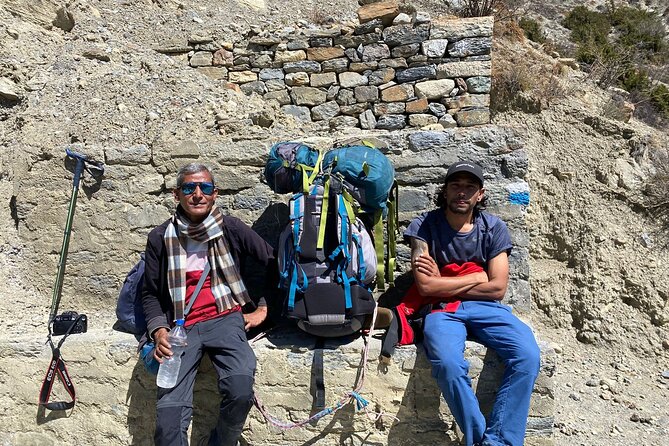
Your first day is straightforward: you land at Tribhuvan Airport, and you’re met for pickup and transfer to your hotel. The value here is simple—when you arrive tired and jet-lagged, you want your first step to be easy.
Then you get two key Kathmandu beats:
Thamel gear and an easy walking evening
In the evening, you have time in Thamel, the area most trekkers use for last-minute trekking shopping and gear fixes. With a guide on hand, it’s less guesswork. You can also use this time to do a light walk instead of sprinting into sightseeing.
Kathmandu Valley preparation day
On your next day, you’ll handle trip logistics and see major sights like Pashupatinath Temple and Boudhanath Stupa. This matters more than it sounds. If you go straight from the airport into the mountains, you miss a chance to get your bearings, confirm details, and settle your routine before altitude interrupts your sleep.
Practical note: keep your Kathmandu day expectations modest. The trek proper starts soon, and you’ll want energy for that long road-to-trail transition.
The long road to the trail: Besisahar and the Jeep to Chame
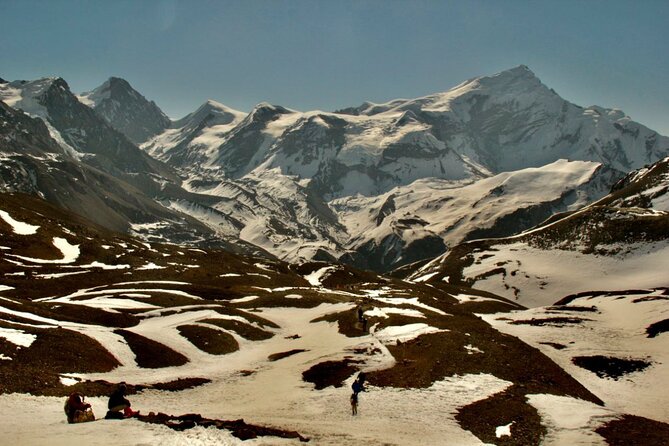
The “adventure” part starts with driving—because Annapurna doesn’t begin with a trailhead at walking distance from Kathmandu.
Day 3: Kathmandu to Besisahar
You’ll travel about 175 km to Besisahar, typically 6–7 hours depending on road and traffic. This leg is useful because it shifts you from city pace to rural pace, and it gives your body time to settle into the rhythm.
Day 4: Besisahar to Chame by sharing Jeep
After early breakfast, you go from Besisahar to Chame by sharing Jeep, around 10–11 hours. This is a big day—slow, bumpy, and part of the deal.
If you dislike long vehicle days, this section is the one you’ll feel most. But if you’re willing to treat it as the warm-up, it sets you up for the first real trekking days with less strain than a rushed start would.
First trekking stages: Chame to Pisang, then Pisang to Manang
Now you’re on the trail, and the Annapurna Circuit starts doing what it’s famous for: changing scenery, showing mountain views at different angles, and passing through villages that feel real.
Day 5: Chame to Pisang
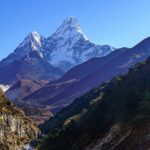
Your trekking begins from Chame toward Pisang. The route includes forests and bridge crossings, then opens up into big views. You’ll get sights of Annapurna II and Lamjung Himal, which helps with the mental payoff on days that are still building altitude.
Why this day works: it’s not only about effort. It’s also about training your eyes to notice what’s changing. One hour you’re in a cooler, shaded stretch; the next you’re looking out into wider air and stronger peak lines.
Day 6: Pisang to Manang
From Pisang you continue toward Manang with a gradual ascent. As you approach Manang, the peaks start to show more clearly, and the feel of the area shifts toward a more Tibetan-influenced mountain village vibe.
The practical upside: by the time you reach Manang, you’re not just tired—you’re also oriented. You’ll understand what kind of place you’re in, and that helps acclimatization days feel less like a break and more like preparation.
Manang acclimatization: your safety day and your culture day
One day is set aside in Manang specifically for acclimatization. That’s not just a box checked by the itinerary. Altitude is not polite, and your body needs time.
What the acclimatization day gives you
- A chance to adjust to thinner air without rushing.
- Time to explore the village and its cultural character—so you’re not only thinking about oxygen levels.
This is also the day where attitude matters. You want to feel patient, not heroic. The schedule here is designed to keep you from treating the highest sections like a single sprint.
If you’re deciding whether to go on this kind of trek, I’d treat this acclimatization day as a major selling point. It’s the difference between planning and guessing.
Yak Kharka onward: rugged terrain and the slow tightening of altitude
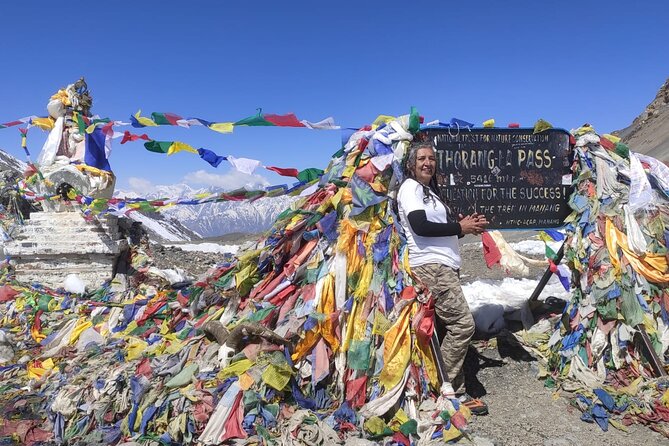
After Manang, the trek begins to feel more austere. You get fewer of the “lush valley” vibes and more of the stark, higher-altitude feel.
Day 8: Manang to Yak Kharka
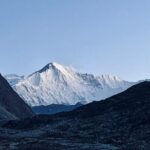
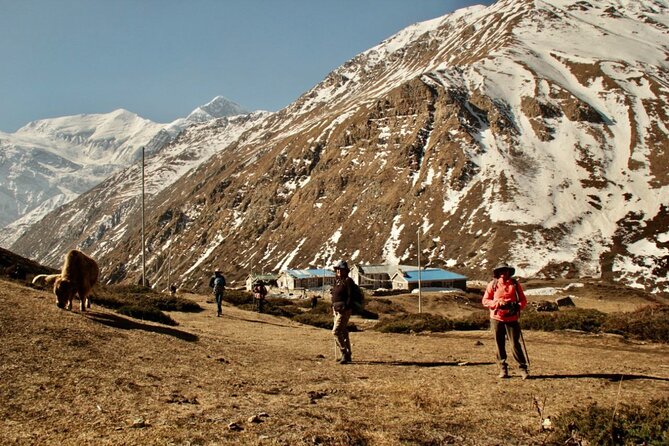
You hike toward Yak Kharka, known for rugged beauty. The route leads through barren landscapes and broader views, and as you go higher you may notice how the trekking environment changes—less greenery, more exposure to wind and sky.
What you’ll likely enjoy here is the feeling of being surrounded by mountains in every direction. What you might not love: it can feel more physically demanding even if your walking pace stays steady, because the air is thinner and the terrain can be rough.
Day 9: Yak Kharka to Thorong Phedi
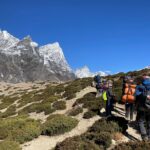
From Yak Kharka you go to Thorong Phedi, a small village at the base of Thorong La. The trail climbs through rocky terrain and glacial moraines.
Why this matters: you’re positioning yourself for the pass day with as little unnecessary wandering as possible. Thorong Phedi is a practical staging point. It’s also where sleep quality becomes extra important—because Day 10 starts early.
Thorong La pass day: early effort, big views, then Muktinath
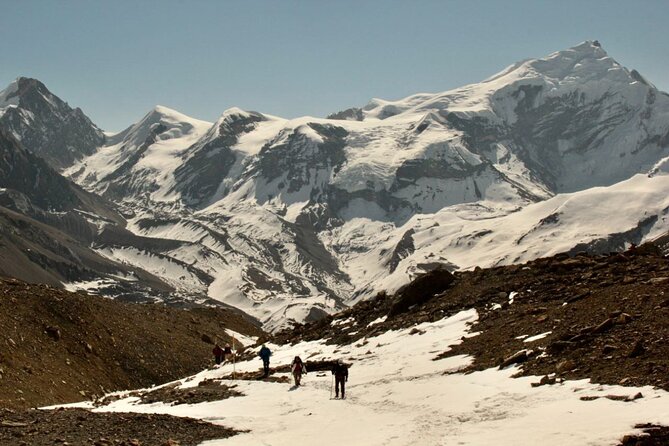
This is the signature day.
Day 10: Thorong La crossing, then descent to Muktinath
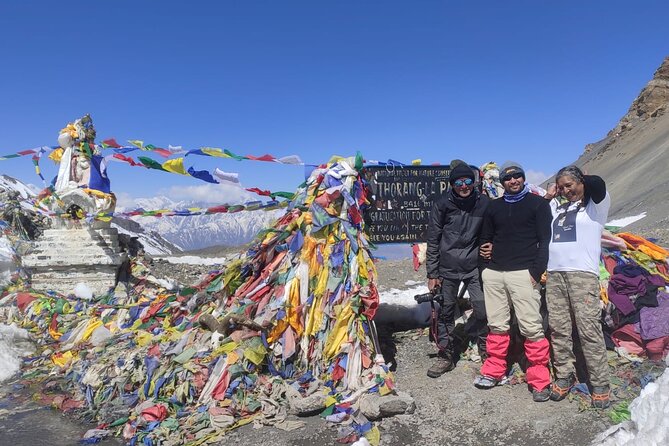
You start early and climb steeply to reach Thorong La pass at high altitude. After that big win, you descend gradually toward Muktinath, a sacred site for both Hindus and Buddhists, known for temples.
This “pass to temples” sequence is a smart emotional arc:
- You earn the big panorama.
- Then you switch gears from physical achievement to reflective travel.
After Muktinath: drive to Jomsom
You continue to Jomsom by drive (about 10 hours). Expect a contrast day: earlier, you were in thin air and rocky trails; later, you’re moving through a windswept valley with a different kind of Himalayan atmosphere.
If you’re the type who gets restless after a major hike, lean into it. This is one of the better moments to let your legs recover while you keep the journey moving.
Jomsom to Pokhara: Mustang Valley scenery and a softer landing
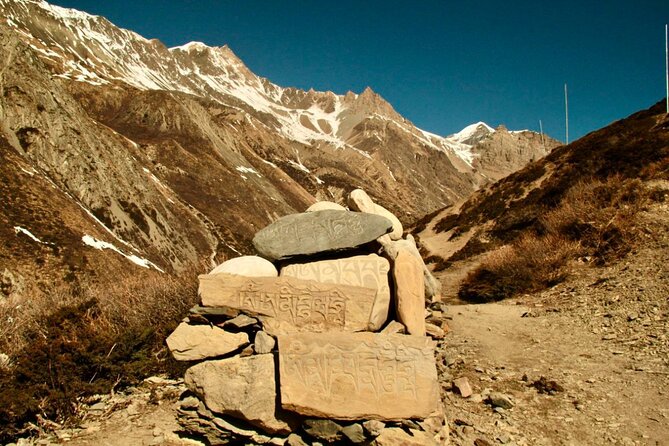
Once you’re in Jomsom, the trek transitions from foot travel to regional travel by road (with the option of a flight noted as not included).
You’ll drive through Mustang Valley to Pokhara. For me, that’s the perfect way to end a high-altitude trek: you don’t go from 5% rest to 95% travel chaos. You get scenery travel that still feels part of Nepal, but with more comfort.
Pokhara downtime with included tickets
In Pokhara, you get time for two specific activities with admissions included:
- International Mountain Museum
- Devi’s Fall (listed also as Davis Fall)
This is a good place to slow down and absorb what you just did. The mountain museum gives context; Devi’s Fall adds a different kind of Nepal natural story, one that’s easier to enjoy after a tough pass.
Back to Kathmandu and home: easy finish, no last-minute panic
After Pokhara, you return to Kathmandu by scenic drive through countryside, along winding rivers, and through lush valleys. Then the trip wraps with transfer support for your departure.
This ending matters. A lot of treks end with chaos—missing luggage, scramble for transport, last-minute gate changes. Here, your final steps stay structured, which lowers the stress load after you’ve already paid the altitude tax.
Who should book this Annapurna Circuit trek?
I think this trek fits best if you:
- Want a guided experience with porters and a real plan for logistics
- Prefer an itinerary that includes an acclimatization day in Manang
- Are comfortable with the idea of long travel days mixed into the trekking schedule
- Want a balanced mix: culture in Kathmandu and Manang, big effort for the pass, then relaxation and sights in Pokhara
It may not be the best match if you:
- Hate early mornings or challenging hiking days (Thorong La is not a casual walk)
- Want fully independent travel with no guide structure
- Are traveling with extremely limited flexibility around long drives
One more note I’d take seriously: the trip asks for strong physical fitness. That isn’t marketing language; it’s your warning label.
Should you book this with Yolo Hike?
Yes—if you want the Annapurna Circuit experience with fewer “figure it out yourself” moments.
I like the way this package handles the core risks for most people: guiding, staffing, lodging, and the Manang acclimatization stop. It also gives you a clean finish in Pokhara with museum time and Devi’s Fall, so the trek doesn’t vanish into transportation.
Before you commit, do this quick self-check:
- Can you handle a full pass day plus steep climbs and rocky terrain?
- Are you okay with long vehicle days (especially the Jeep to Chame)?
- Will you budget for extras like tea/coffee/hot water and personal expenses, since those aren’t included?
If your answers are yes, you’re booking a well-structured circuit that balances effort and support—and lets you spend your energy where it counts: on the trail, in the air, and in the villages between the peaks.
FAQ
What’s included in the $900 price?
The price includes Kathmandu airport pickup and drop-off by private vehicle, all fees and taxes, a certified trekking guide with an assistant guide, porters (1 porter per 2 trekkers), twin-share accommodation in Kathmandu and Pokhara, and twin-share lodging in the trekking area. It also includes guide and porter lodging, fooding, insurance, and salary, plus breakfasts (13), lunches (9), and dinners (9). Admissions for the International Mountain Museum and Devi’s Fall in Pokhara are included.
Do you have an acclimatization day on the trek?
Yes. There is an acclimatization day in Manang.
How hard is the trek, physically?
The tour is for travelers who have a strong physical fitness level. The itinerary includes long trekking days and a challenging day crossing Thorong La pass, plus long driving segments.
What is not included in the trip cost?
Not included are personal nature expenses like bar bills and shopping, tea/coffee/hot water, personal expenses, and the flight from Jomsom to Pokhara.
Where do we meet for the trip?
The start point is Tribhuvan Airport in Kathmandu, Nepal. Pickup and drop-off are included by private vehicle.
Can I cancel for a full refund?
Yes. You can cancel up to 24 hours in advance for a full refund. Cancellation cutoff times are based on local time.