REVIEW · KATHMANDU
Private Half Day Kirtipur Trip With Newari Food Tasting
Book on GetYourGuide →Operated by Liberty Holidays · Bookable on GetYourGuide
Kirtipur is Kathmandu’s hilltop slow walk. This private half-day trip brings you into one of the Valley’s oldest Newari settlements, with a guided loop through temples and a Newari food tasting that’s built for your taste buds. You’ll also catch amazing viewpoints of Kathmandu and Patan while you wander.
I especially like the way Kirtipur’s winding streets feel village-real, with cobblestones and old brick houses that still show off carved door and window frames. I also like that the day mixes culture and food: you’re not just sightseeing—you’re eating in the middle of it.
One drawback to keep in mind: the pace is compact, and the food is a bit spicy, so plan for heat and bring comfortable shoes. If you prefer super-short explanations, you may want to nudge your guide to focus on the walk and the food.
In This Review
- Key things to know before you go
- Entering Kirtipur: why the hilltop start matters
- The 4-hour private rhythm from Kathmandu
- Bagh Bhairab temple: a strong first taste of Newar spiritual life
- Chilancho Stupa shrine: the quieter contrast to temple energy
- Uma Maheshwar temple: architecture and context in one stop
- A Theravada Buddhist monastery: one more lens on the community
- Newari lunch and food tasting: what to expect and how to handle the heat
- Wandering the streets: cobbles, brickwork, and carved details
- Kathmandu and Patan views: when you’ll get the payoff
- Price and value: is $120 for 4 hours worth it?
- Who this tour suits best (and who might not love it)
- Practical tips to make the day smoother
- Should you book this Kirtipur half day with Newari food?
- FAQ
- How long is the Kirtipur private half-day trip?
- What’s included in the price?
- Are drinks included?
- What languages does the live guide speak?
- Is the Newari food spicy?
- Is the tour wheelchair accessible?
Key things to know before you go
- Kirtipur’s “village” streets: cobblestone lanes and old brick architecture keep it grounded and local
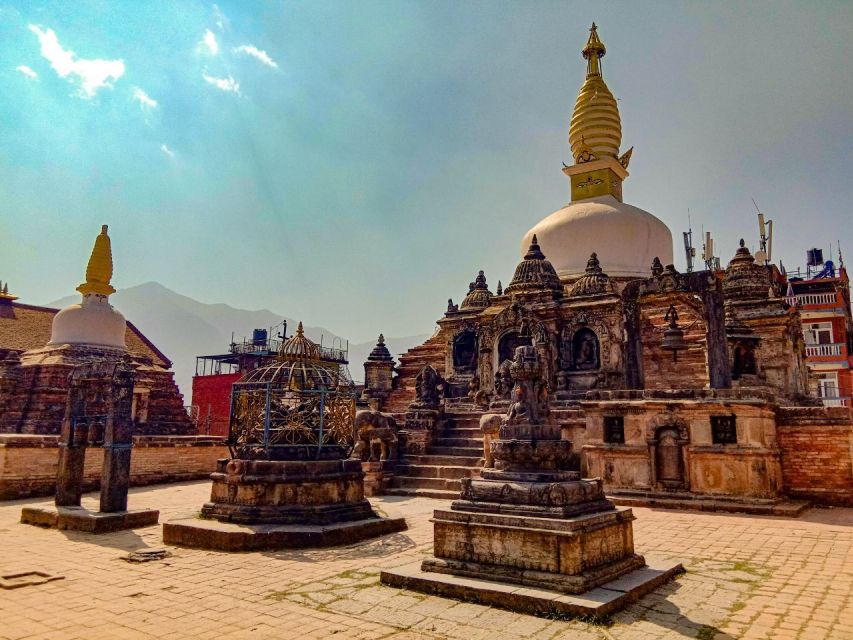
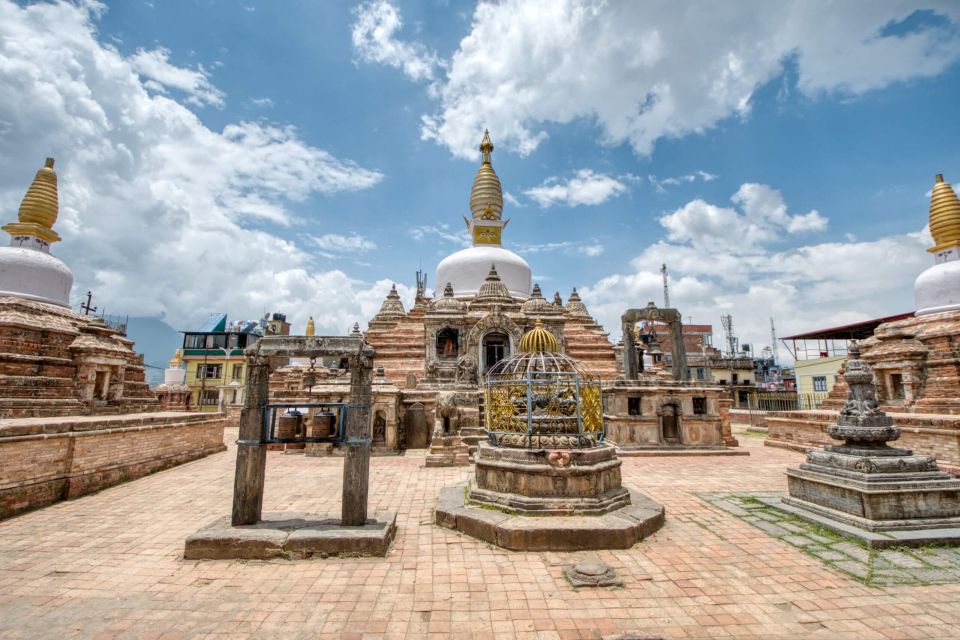
- Temple-and-stupa circuit: you’ll visit Bagh Bhairab, Chilancho Stupa, and Uma Maheshwar, plus a monastery
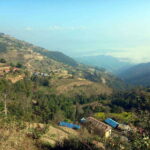
- Big valley views: viewpoints over Kathmandu and Patan are part of the payoff
- Real Newari lunch: the highlight meal is included and worth planning around
- Private, 4-hour window: efficient half-day format with pickup and drop-off in central Kathmandu
Entering Kirtipur: why the hilltop start matters
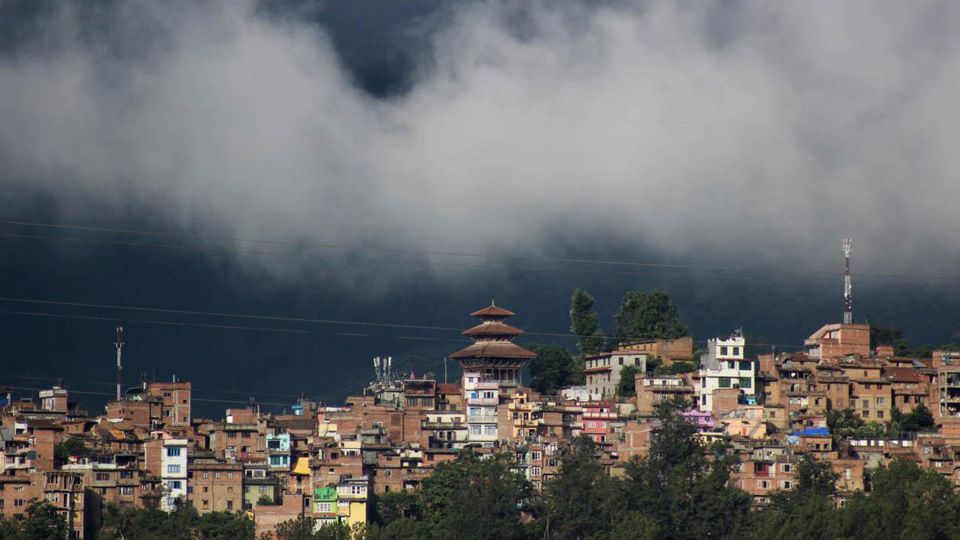
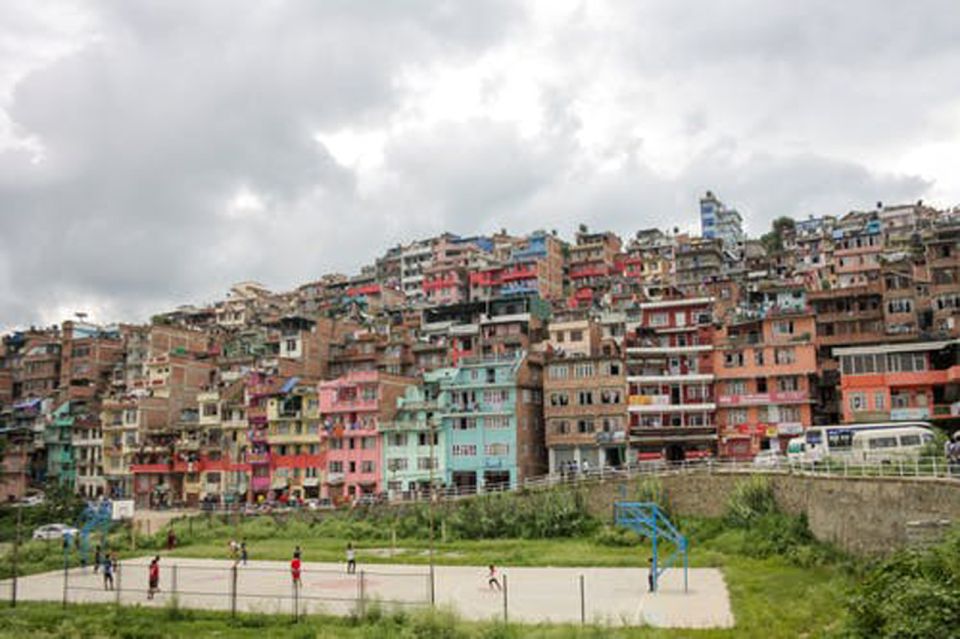
Kirtipur sits on a hill southwest of central Kathmandu, part of the Kathmandu Valley’s web of historic kingdoms that are now folded into the larger city. That history helps explain the vibe: this is not a theme-park version of Nepal. It’s a living neighborhood where religion, daily life, and craft-grade architecture sit close together.
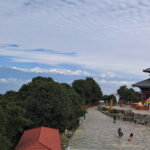
The streets do a lot of the work for you. As you walk, you’ll move through narrow, winding lanes with cobbles underfoot, and past old brick homes with elaborately carved frames. It feels like you’re walking through a traditional settlement, but with constant glimpses outward—over rooftops toward the wider valley.
This is also a smart choice if you want views without a full-day trek. In just a few hours, you can get both the intimate street-level texture and the payoff of height.
You can also read our reviews of more food & drink experiences in Kathmandu

The 4-hour private rhythm from Kathmandu
This is a tight half-day: 4 hours total, with pickup and drop-off from hotels inside Kathmandu’s ring road area. The private format matters because it lets you actually enjoy the walking time instead of spending your morning negotiating transport.
Here’s the practical rhythm you’re likely to experience:
- you’re picked up in Kathmandu
- you head to Kirtipur and start walking with a guide
- you visit key religious sites in a compact route
- you take a Newari lunch in the middle of the day
- you finish with a bit of free time and return to your hotel
The advantage is focus. In a short window, you don’t end up bouncing between random stops. Instead, you get a guided loop that ties the Newar community, their sacred spaces, and their food together.
Bagh Bhairab temple: a strong first taste of Newar spiritual life
Your first scheduled stop is Bagh Bhairab temple. Even if you’ve seen plenty of temples in Nepal, this kind of start helps you understand how local belief works in everyday life. These aren’t only grand buildings in the distance; they’re part of the settlement’s rhythm.
Bagh Bhairab is also a good “orientation” stop. After pickup and the drive up, you can reset your eyes and slow down. A guide can point out small details you’d easily miss on your own—what the worship space represents, how locals use it, and why it’s meaningful in the Newar cultural world.
If you’re the type who likes to get your bearings fast, this first stop is useful. You’ll be better able to connect later sites—like the stupa shrine and the monastery—with what you just learned.
Chilancho Stupa shrine: the quieter contrast to temple energy
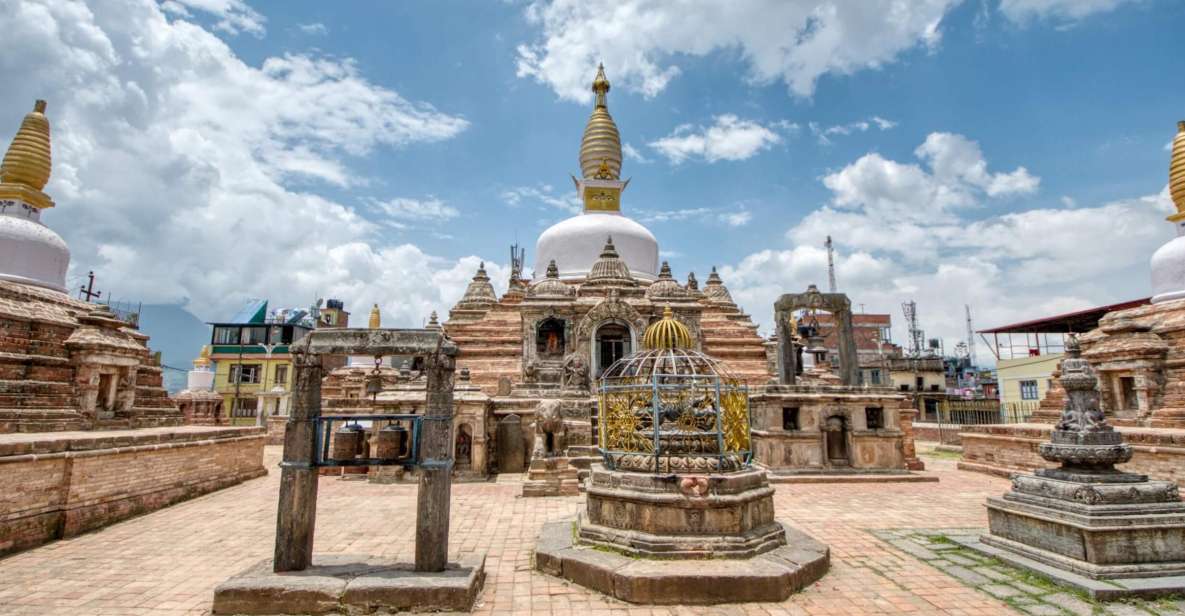
Next up is Chilancho Stupa shrine, which gives you a different tone than the temple stop. Stupa areas often feel more still and meditative, even when the place is active. That contrast is part of what makes this half-day route work: it doesn’t treat every stop as the same kind of experience.
Think of it as a pause button. After walking cobblestone lanes and entering temple spaces, you get a chance to slow down, look around, and absorb how the spiritual landscape spreads through the settlement.
It’s also a practical photo moment—stupas tend to offer good visual geometry, and you’ll usually find angles that frame both the sacred structure and the surrounding neighborhood.
Uma Maheshwar temple: architecture and context in one stop
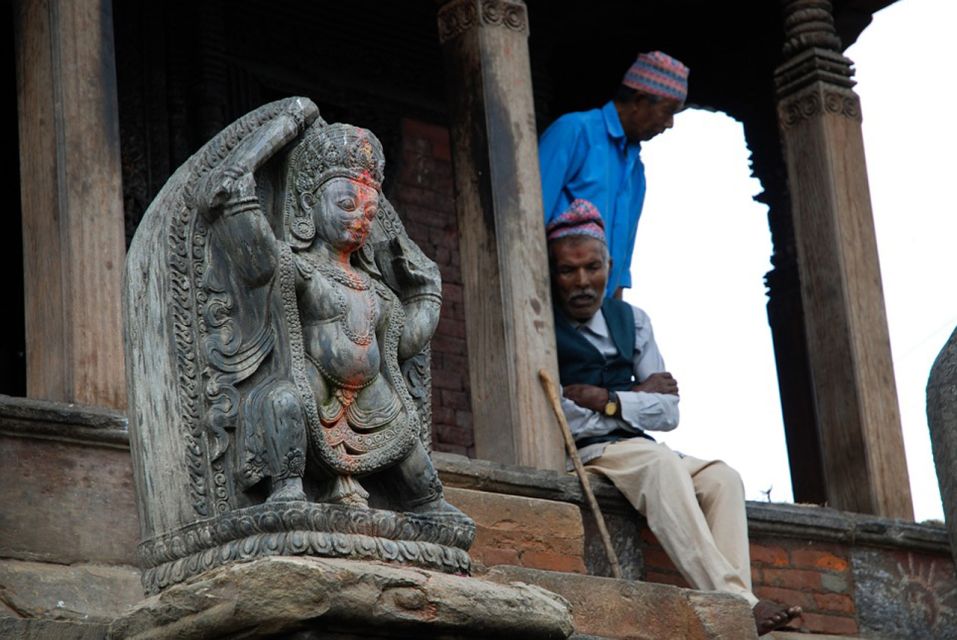
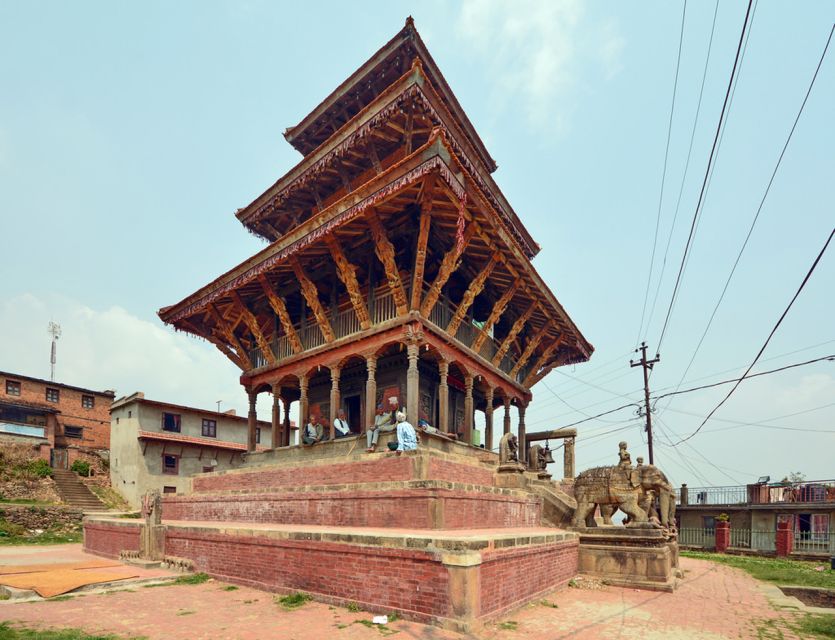
Uma Maheshwar temple is another key part of the route, and it helps deepen the cultural story. When you’re with a guide, temples like this often become more than a building. You start to see patterns—how sacred spaces are placed, how people gather, and how symbolism shows up in the details.
For me, the value of visiting multiple sites in a tight loop is that your brain starts organizing the place. After Bagh Bhairab and Chilancho, Uma Maheshwar helps you connect the dots between different sacred forms—temple vs. stupa vs. monastery—within the same settlement.
This stop also supports the “why Kirtipur” theme: you’re not just passing by landmarks. You’re learning what makes this place feel distinct within the Kathmandu Valley.
You can also read our reviews of more tours and experiences in Kathmandu



A Theravada Buddhist monastery: one more lens on the community
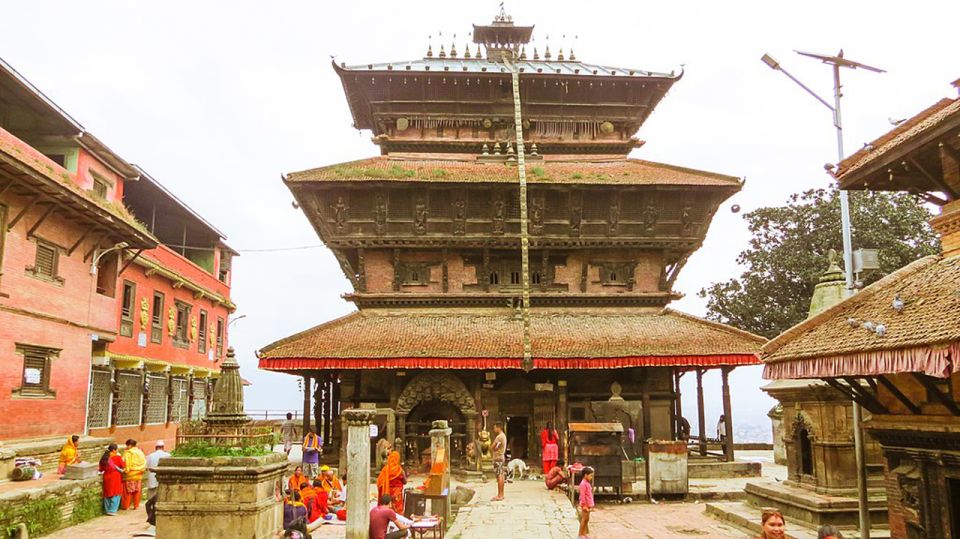
The itinerary includes a Theravada Buddhist monastery as well. This matters because Nepal’s religious life is layered. Even within one compact settlement, you may encounter different traditions and styles of practice.
From a visitor point of view, adding the monastery gives you variety without changing the overall topic. You’re still in a Newar-influenced cultural setting, but you’re also seeing how Buddhism is represented through monastic space and worship practice.
Take your time here. Monasteries reward a slower pace—watch how people behave, and don’t rush your questions. If your guide tends to talk a lot, this is where you can ask a targeted question and steer the conversation back to what you’re seeing.
Newari lunch and food tasting: what to expect and how to handle the heat
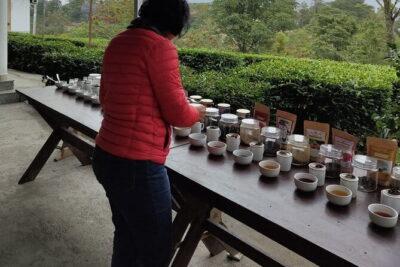
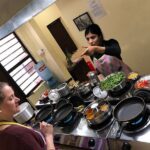
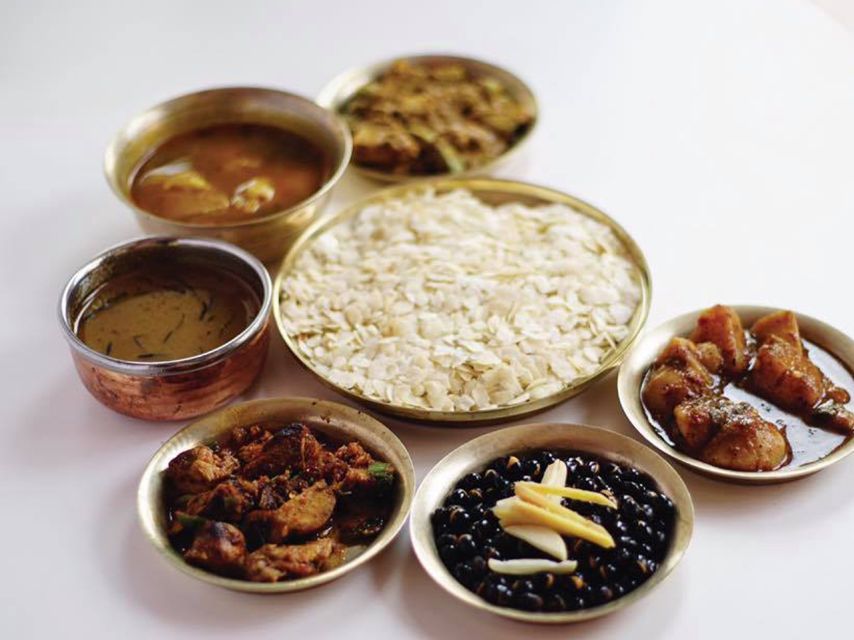
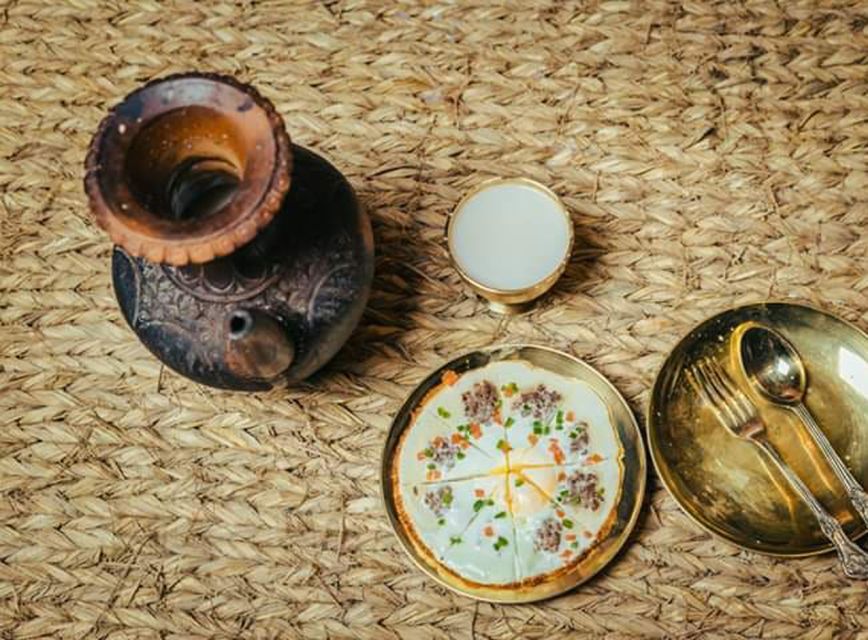
The highlight meal on this tour is a Newari lunch, presented as a traditional Newari feast. This is one of the most practical reasons to book a guided trip like this: you’re getting food in the context of the place, not just eating somewhere convenient.
Two things I’d keep in mind:
1) The food is spicy. Plan for it. If you’re sensitive to heat, consider pacing bites and drinking water in small sips.
2) A feast is meant to be sampled across dishes, not treated like a quick plate. Give it the time it needs, especially because you’re also walking afterward.
The best way to enjoy the meal is to stay curious. Ask your guide what the food is called and what’s typical. Even when you recognize some dishes from elsewhere in Nepal, Newari versions can taste different because of spice balance, preparation, and the way meals are built around local preferences.
This lunch is included in the price, which makes the overall value easier to judge. You’re not paying extra for the main event—your money is already doing something meaningful.
Wandering the streets: cobbles, brickwork, and carved details
Between religious stops, you’ll spend time walking and doing light sightseeing, with some free time built in. This is where Kirtipur can surprise you. The streets aren’t just corridors between attractions; they’re the attraction.
Look closely at the old brick houses. Many have elaborately carved door and window frames. That kind of craft isn’t usually explained well from far away, but on foot, you can actually notice the shapes, patterns, and workmanship.
Also notice how the neighborhood feels lived-in. Kirtipur’s winding lanes help you feel what daily life might be like there—shops, homes, and small community spaces all within walking distance.
If you want photos, walk slower than you think you need. Views often appear suddenly between turns, and carved details reward a quick step back to frame the shot right.
Kathmandu and Patan views: when you’ll get the payoff
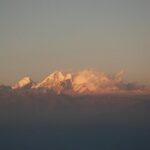
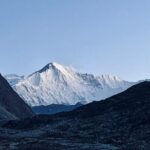
One of the big reasons to pick Kirtipur is the viewpoint effect. The tour offers amazing views of Kathmandu and Patan, and the route is designed so you’ll see the valley from above, then come back down into the village streets.
What to do with this information:
- Wear sunglasses and hat if the sun hits hard.
- Keep your phone charged before the climb and after lunch.
- Don’t plan on your guide doing all the photo timing for you. If something looks like a viewpoint, ask for a minute and step in.
Views are part scenery, part context. When you see the city sprawl, temple rooftops, and hills beyond, you understand why hill settlements like Kirtipur mattered historically—and why the architecture still feels grounded and purposeful.
Price and value: is $120 for 4 hours worth it?
At $120 per person for a private half-day, you’re paying for three things: private transport, a live guide, and included admissions plus your Newari lunch.
Let’s break down the value logic:
- You get a private transfer with pickup and drop-off from hotels in the ring road area.
- You get entrance fees covered and a guide fee included.
- You get the meal that’s central to the theme—Newari lunch—also included.
- Drinks are not included, so budget a little extra if you like bottled water or soft drinks.
In plain terms: if you were to hire a guide plus arrange transport plus pay admissions, you wouldn’t be saving much by going solo. The private format is the reason this price can feel fair—less hassle, tighter routing, and less time searching for what to do next.
Who this tour suits best (and who might not love it)
This Kirtipur trip works best if you:
- love street-level culture and old architecture
- want a guided look at Newar heritage and religious sites
- enjoy food tourism and want a proper Newari lunch, not just a snack
It might feel less satisfying if you:
- don’t enjoy spicy food and aren’t willing to adapt
- dislike longer explanations while standing in sacred spaces
- want a totally flexible schedule (because this is a planned half-day route)
Also note: it’s not suitable for wheelchair users, and you shouldn’t bring luggage or large bags.
Practical tips to make the day smoother
Here’s what I’d do to make this type of half-day go smoothly:
- Bring comfortable shoes. Cobblestones add up faster than you think.
- Bring a passport or ID card.
- Bring sunglasses and a sun hat—hill areas can get bright quickly.
- Keep drinks in mind since they’re not included.
- If you feel the guide is spending too much time repeating points, politely ask to focus on what you’re seeing right now—streets, temples, and the food.
One more small thought: since this is a compact route, you’ll likely want to stay present. The moment you rush, you miss the little details that make Kirtipur feel special.
Should you book this Kirtipur half day with Newari food?
Book it if you want an efficient, guided way to experience Kirtipur’s Newari culture, with a real meal at the center of the day. It’s a strong option for first-time visitors who don’t want to take on a full-day plan but still want meaningful stops: Bagh Bhairab, Chilancho Stupa, Uma Maheshwar, and a Theravada monastery—wrapped into village walking and valley views.
Skip or think twice if spicy food is a deal-breaker for you, or if you prefer very short guiding moments. In that case, you might still enjoy Kirtipur on your own, but you’d lose the structured context of a guided route and the included Newari feast.
FAQ
How long is the Kirtipur private half-day trip?
It runs for 4 hours total.
What’s included in the price?
The tour includes private transfer, all entrance fees, Newari lunch, and the guide fee.
Are drinks included?
No. Drinks are not included.
What languages does the live guide speak?
The guide provides English and Japanese.
Is the Newari food spicy?
Yes. The food is a bit spicy, so plan for heat.
Is the tour wheelchair accessible?
No, it is not suitable for wheelchair users.