REVIEW · KATHMANDU
Nagarkot & Bhaktapur Tour with Private Transport
Book on GetYourGuide →Operated by K.J. Adventure Nepal Private Limited · Bookable on GetYourGuide
Himalayas up top, temples down below. This Nagarkot and Bhaktapur day trip mixes Himalayan lookout time with an UNESCO World Heritage day in Kathmandu Valley, without the hassle of shared transport.
I especially like the contrast: Nagarkot’s 2,160m hill-station views over the rugged peaks and valleys, then Bhaktapur’s packed-in architecture of palaces, temples, monuments, sculptures, and pagodas. It’s also one of the rare trips where you get both natural scenery and city culture in the same day.
One thing to plan for: the tour price covers the private vehicle, bottled water, and taxes, but entrance fees aren’t included, and a tour guide is listed as not included—so you’ll want to budget a bit extra and confirm what’s handled on the day.
In This Review
- Key highlights you can plan around
- What this Nagarkot and Bhaktapur day trip is really good at
- The drive north: why private transport matters on a long sightseeing day
- Nagarkot at 2,160m: planning for the views you came for
- What to watch for when you get up there
- A small consideration
- Bhaktapur’s UNESCO core: what you’ll notice first on the streets
- How to experience it so it doesn’t blur together
- What you can fit into your time
- Shopping and food time in Bhaktapur: practical breaks that help the day work
- Who runs the day: the value of a safe driver and helpful guidance
- Price and value: how $45 adds up on a full-day private trip
- Best fit: who should book this Nagarkot and Bhaktapur day trip
- Quick practical tips so your day runs smoother
- Should you book this tour?
- FAQ
- What is included in the Nagarkot & Bhaktapur tour?
- Are entrance fees included?
- Is a tour guide included?
- How far is Nagarkot from Kathmandu?
- What view is Nagarkot known for?
- What languages are supported?
- Is there flexible payment and what is the cancellation rule?
Key highlights you can plan around
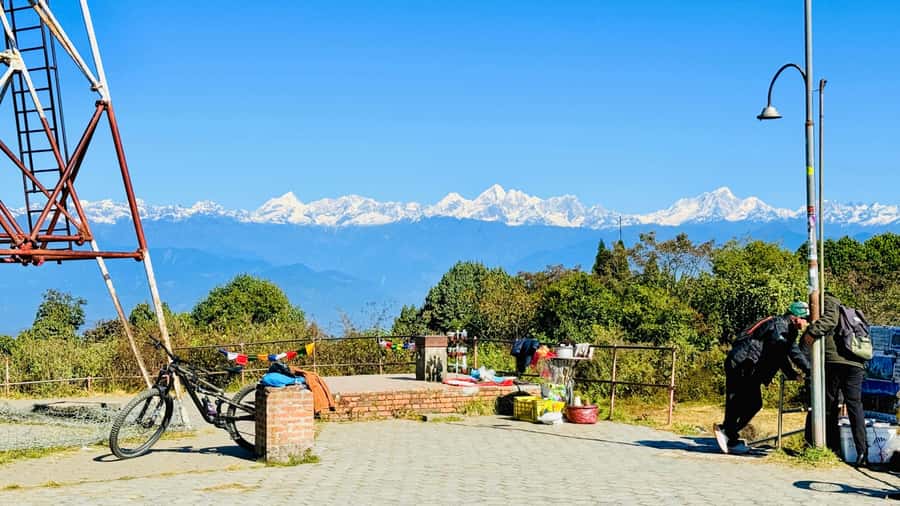
- Nagarkot’s sunrise and sunset viewpoints from the top (the main reason people come)
- 2,160m elevation for broader views across the Kathmandu Valley and the Himalayas
- Bhaktapur’s UNESCO site with palaces, temples, monuments, sculptures, and pagodas
- A cultural city with shopping and food time built into the day
- Private air-conditioned transport plus bottled water for a smoother day
- English and Hindi support so you’re not stuck guessing
What this Nagarkot and Bhaktapur day trip is really good at
This is a full-day “two-worlds” trip. You start in the Kathmandu area, swap the busy streets for hill air and forested stretches, then end in Bhaktapur’s ancient city core where stonework does the talking. If you like seeing Nepal as more than one thing, this works.
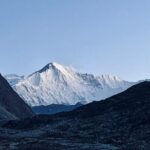
Nagarkot is the draw for the views. It sits about 32 km north of Kathmandu and is known as one of the most popular hill stations—especially for that dramatic timing of sunrise and sunset. At 2,160m, you’re high enough to get the sense of scale: mountains look closer, ridgelines layer farther back, and the Kathmandu Valley feels wider than you expected.
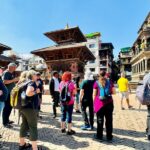
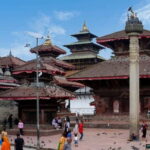
Then Bhaktapur brings you back to people, craft, and faith. It’s in the eastern part of the Kathmandu Valley and is often called Nepal’s Cultural Gem for a reason. The city’s UNESCO World Heritage standing covers the deep mix of ancient palaces, temples, monuments, sculptures, and pagodas—so you’re not just walking past buildings, you’re moving through a living museum of form and function.
You can also read our reviews of more private tours in Kathmandu

The drive north: why private transport matters on a long sightseeing day
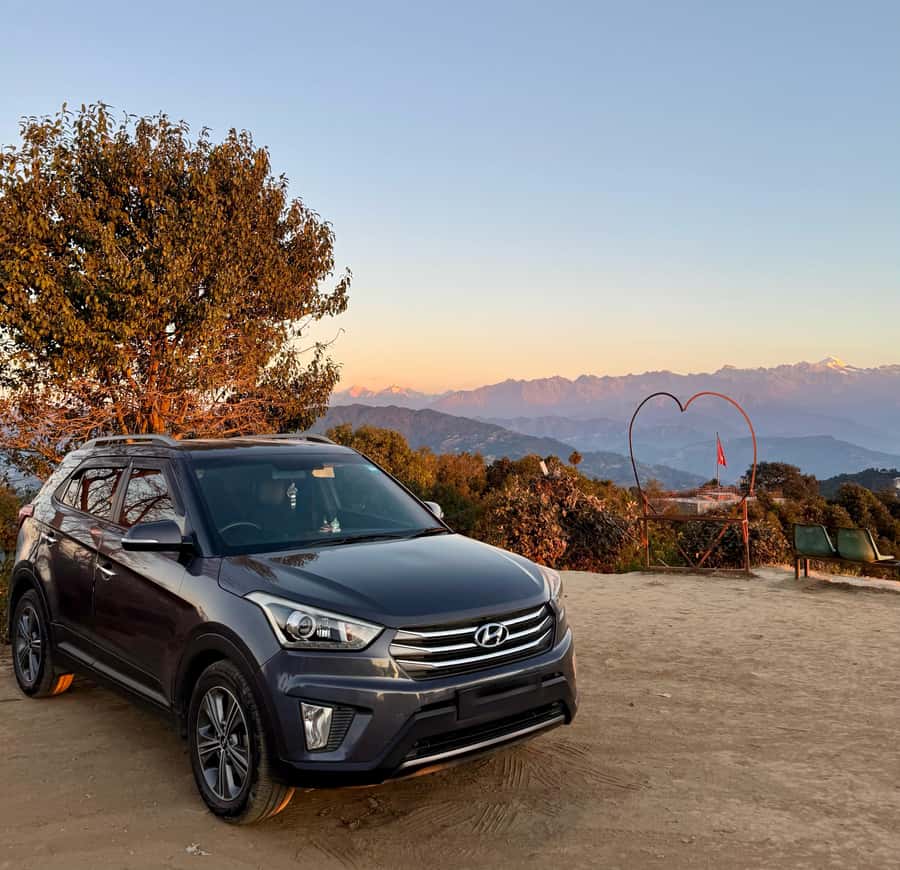
The trip includes a private air-conditioned vehicle, plus bottled water and taxes. That sounds basic, but on a full day it adds up fast. You avoid the “wait around, re-pack, re-explain” rhythm that can eat your best daylight.
And private transport usually means you’re less rushed at stops. You can ask simple questions as you move—like what time to aim for up at Nagarkot, or how much time makes sense for Bhaktapur’s key areas—without building your day around other people’s pace.
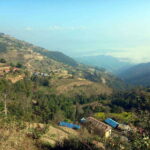
You’ll also be traveling through the kind of scenery Nagarkot is famous for: remote settlements and dense forest stretches, with the Himalayas observable as you get nearer. It’s not just a transfer; it’s part of the experience.
Nagarkot at 2,160m: planning for the views you came for
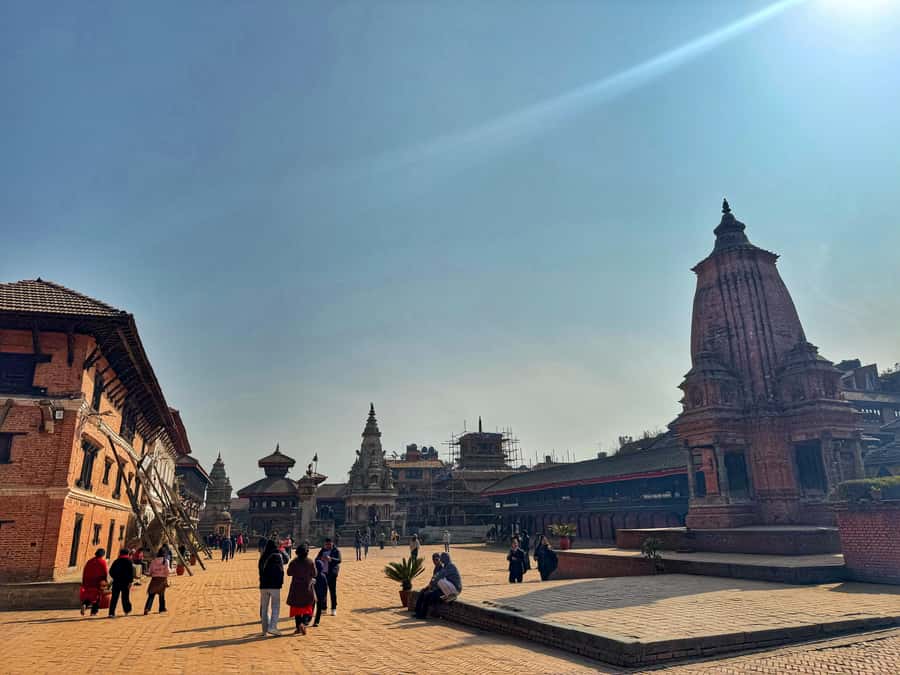
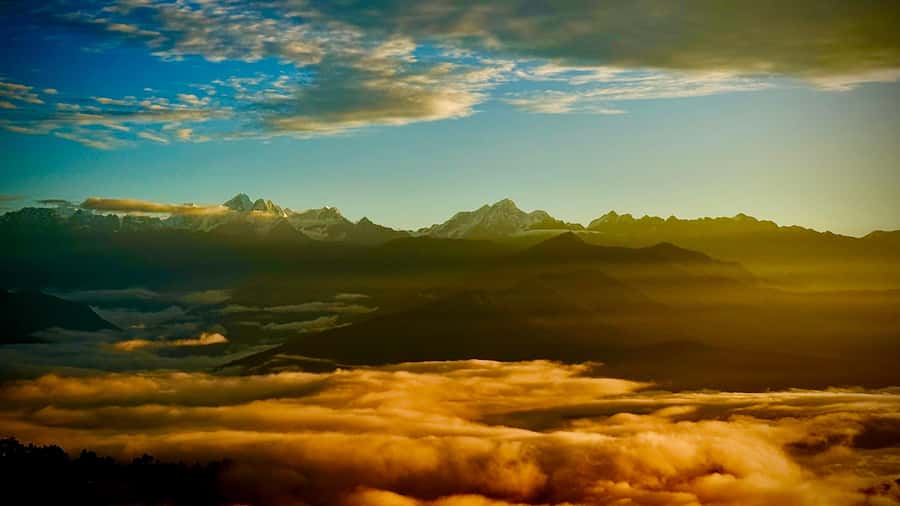
Nagarkot isn’t a place for clockwork museum hours. It’s a place for vantage points. The tour specifically highlights the startling sunrise and sunset views from the top, which tells you the main strategy: if weather is cooperating, that timing is your payoff.
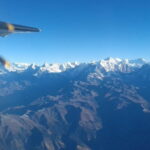
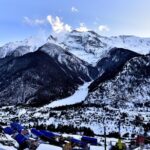
At 2,160m, Nagarkot gives you broader sightlines across the Kathmandu Valley and toward rugged Himalayan scenery. When visibility is decent, the mountains don’t feel like background wallpaper. They feel like the main event.
What to watch for when you get up there
You’ll want to treat the top like a slow, patient activity. Fog and cloud cover can change quickly in hills. If your timing window lines up with sunrise or sunset, that’s when Nagarkot tends to feel dramatic—peaks, ridges, and sky colors pulling attention in different directions.
Also, keep your expectations flexible. Nagarkot is famous for views, but Nepal’s weather can be stubborn. Even when the sky isn’t perfect, you still get the hill-station atmosphere: airier air, quiet viewpoints, and the sense of distance from Kathmandu’s streets.
A small consideration
If this is a true full-day tour and you’re aiming for sunrise, you’ll likely need an early start. The day is worth it, but you should be ready for a schedule that favors view time over sleeping in.

Bhaktapur’s UNESCO core: what you’ll notice first on the streets
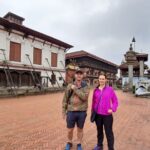
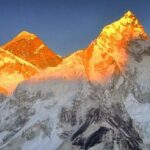
After Nagarkot, Bhaktapur feels like stepping into a different rhythm. The UNESCO World Heritage label here covers a concentrated set of standout assets: ancient palaces, temples, monuments, sculptures, and pagodas. That matters because Bhaktapur isn’t just one “big attraction.” It’s a whole city texture.
Bhaktapur lies on the eastern side of Kathmandu Valley. That location puts it within the valley’s historic storytelling loop: you see a Kathmandu Valley vibe but with Bhaktapur’s own identity and craft traditions leading.
How to experience it so it doesn’t blur together
Bhaktapur is easy to walk too fast. I recommend you move slower than you think you need. Look at details, not just overall buildings. When you pause, you start noticing how temples and pagodas relate to their surroundings, how sculpture-work and monuments sit in the civic fabric, and how the palace areas set a different mood than the religious spaces.
Because the UNESCO sites include temples and pagodas as well as palaces and monuments, your walking route often alternates between sacred quiet and grand civic statements. That shift is part of what makes the day satisfying.
What you can fit into your time
The tour format is designed as a full day, so you’re likely to get a solid sampling rather than an ultra-deep research trip. That’s fine. Bhaktapur’s value is the density of meaningful buildings. You don’t need ten hours to feel the place; you need enough time to slow down and see the patterns.
Shopping and food time in Bhaktapur: practical breaks that help the day work
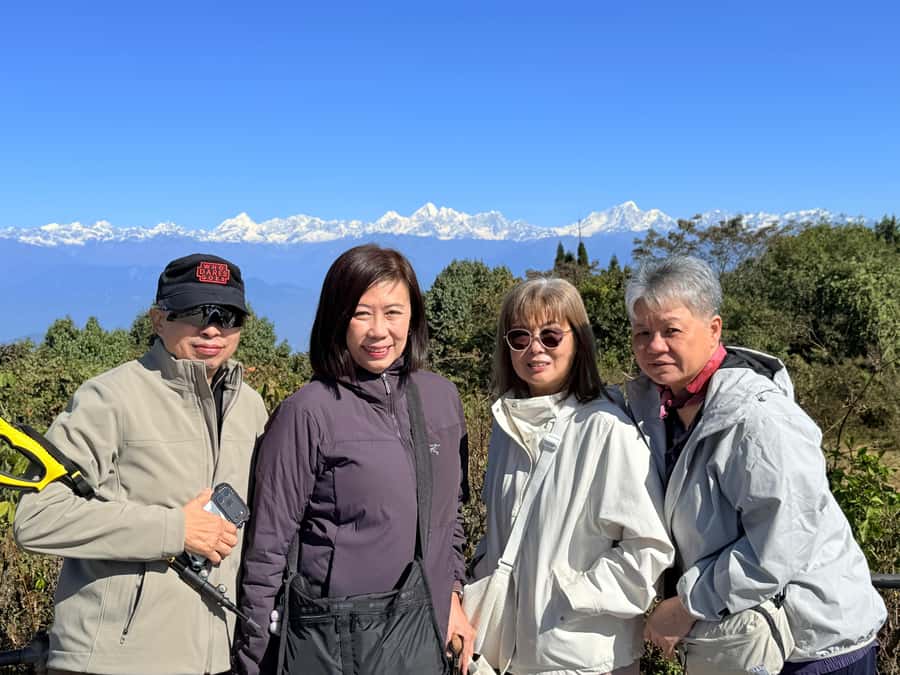
One of the most practical parts of this outing is that Bhaktapur isn’t treated like a stop-and-run photo mission. You should have time for shopping and food, which is how you keep the day human.
Cultural cities can feel tiring if every stop is just sight-seeing. Food and small purchases help you reset. They also give you a chance to interact with the local side of the city—what people actually do between heritage moments.
If you’re the type who collects small souvenirs rather than big-ticket items, Bhaktapur is the sort of place that rewards that approach. If you want to travel light, this is still manageable—you can do a quick browse and keep moving.
Who runs the day: the value of a safe driver and helpful guidance
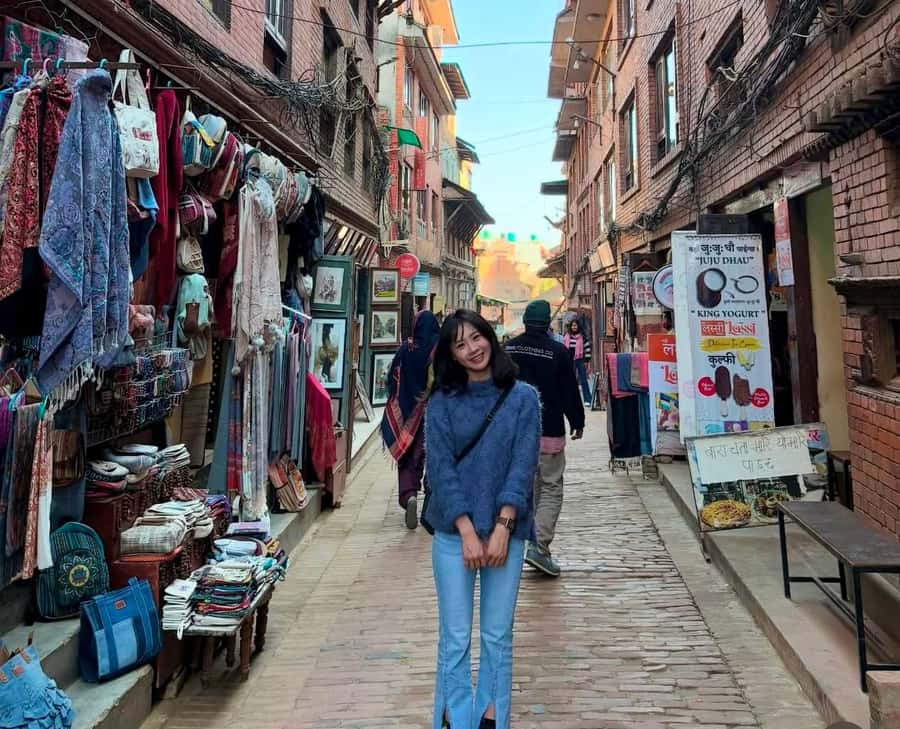
The included service is private transport, but what makes the experience smoother is the person behind the wheel (and the person helping you connect dots along the way). The service provider for this trip is K.J. Adventure Nepal Private Limited, and a guide/driver named Kunyu (also shown as Kunyun and Kunjantt in the same service context) comes up for punctual pickup, friendliness, and safe driving.
That kind of on-the-day confidence matters more than people think. Hills roads can feel narrow and busy. A driver who’s calm and safety-minded lets you focus on the scenery instead of stress.
Kunyu is also described as attentive—happy to answer questions and share useful tips. Even if you’re not hiring a full separate tour guide, that sort of real-time context can make stops click faster. You’ll understand what you’re looking at without needing a textbook.
One note: your tour data lists tour guide as not included. Still, having the driver or escort speak English/Hindi and provide on-the-ground direction can be enough to make the day feel guided rather than chaotic.
Price and value: how $45 adds up on a full-day private trip
This tour is priced at $45 per person. On its face, that’s a budget-friendly rate for a full day with a private air-conditioned vehicle, bottled water, and all government and local taxes included.
Here’s the real value math: the two biggest cost drivers in day trips are usually transport and time. Because this includes private transport (and keeps it air-conditioned), you’re paying for comfort and flexibility, not just miles. Bottled water prevents small daily annoyances.
What’s not included is where your “true total” may land:
- Entrance fees (for UNESCO and sites you visit)
- Personal expenses
- Anything outside the included list
- A tour guide is listed as not included
So the best way to think about the price is this: you’re paying for a smooth day structure and transport. If you’re the type who likes guided context, you’ll want to confirm what’s available for interpretation so you don’t feel under-informed once you’re in Bhaktapur.
If you’re traveling with friends or family, private transport is often the sweet spot—cost per person can feel reasonable compared with splitting taxis, arranging multiple vehicles, or adding extra logistics.
Best fit: who should book this Nagarkot and Bhaktapur day trip
This trip suits you if:
- You want one day that covers both Himalayan viewpoints and UNESCO heritage.
- You prefer private transport so your day stays organized.
- You like cities with real walking time and visible architectural detail, not just quick stops.
- You’re okay with a day that’s sightseeing-focused, with fewer long breaks than a multi-night itinerary would allow.
It’s also a good option if you’re new to Kathmandu Valley. Nagarkot gives you a quick “mountains are real” moment. Bhaktapur gives you an instant feel for history, art, and religious architecture—without you needing a separate specialist tour for each.
If you’re chasing only sunrise and don’t want any city walking, you might find the day too mixed. If you’re a deep-architecture researcher who wants hours of interpretation, you might want a version with a dedicated guide or extra time.
Quick practical tips so your day runs smoother
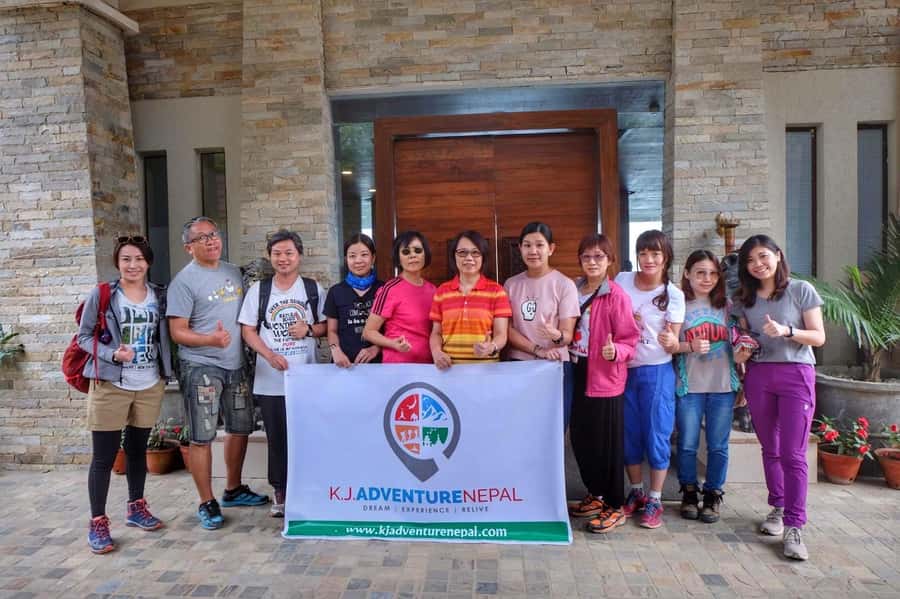
A few small moves help you get more out of both halves of the trip.
- For Nagarkot: treat timing as part of the attraction. If sunrise or sunset matters to you, plan your morning/evening energy accordingly.
- For Bhaktapur: wear shoes you trust. The UNESCO streets reward slow walking.
- For budgets: set aside some cash for entrance fees, since those aren’t included.
- For communication: know that English and Hindi are supported, which makes questions easier when you’re on the move.
If you’re sensitive to long days, keep expectations realistic: it’s full-day, and you’ll spend significant time moving between viewpoints and heritage streets.
Should you book this tour?
I’d book this if you want a simple, well-structured day that connects two of the Kathmandu Valley’s best-known experiences: Nagarkot’s high-altitude Himalayan views and Bhaktapur’s UNESCO heritage city walking.
Book it with extra care if you’re very focused on either end of the day—only sunrise/sunset, or only deep heritage study—because this format is designed for a satisfying sampler, not an all-day research thesis.
If you want one day that feels like Nepal’s variety in a single package—mountains, forests, temples, monuments, and real street life—this is a strong match for your schedule.
FAQ
What is included in the Nagarkot & Bhaktapur tour?
The tour includes a private air-conditioned vehicle, bottled water, and all government as well as local taxes.
Are entrance fees included?
No. Entrance fees are not included.
Is a tour guide included?
A tour guide is not included.
How far is Nagarkot from Kathmandu?
Nagarkot is about 32 kilometers north of Kathmandu.
What view is Nagarkot known for?
Nagarkot is best known for sunrise and sunset views from the top.
What languages are supported?
The tour information lists English and Hindi.
Is there flexible payment and what is the cancellation rule?
You can reserve and pay later (book your spot and pay nothing today). You can cancel up to 24 hours in advance for a full refund.