REVIEW · KATHMANDU
Private Tour of 4 UNESCO Heritage Sites in Kathmandu by Car
Book on Viator →Operated by Saara Tourism Nepal-Kathmandu · Bookable on Viator
Four UNESCO sites, one easy car loop. This private Kathmandu Valley tour strings together Buddhist and Hindu landmarks with pickup, a driver, and admission tickets handled, all in a private car you can relax in. One thing to watch: if you’ve already visited a site, confirm the route can be adjusted to match what you actually want to see.
I like the simple trade here: you swap taxi haggling and bus transfers for one comfortable vehicle and a steady half-day plan. You also get bottled water, and the driver is there to help you connect the dots on what you’re seeing—so you spend less time guessing and more time looking.
The main consideration is time pressure. You’re covering four UNESCO places in about 4 to 5 hours, so you’ll want to keep your pace and let the guide manage the order.
In This Review
- Key things to know before you go
- A half-day plan that connects Hindu and Buddhist Kathmandu
- Price and value: what $150 per person buys you
- Pickup, mobile tickets, and the low-drama travel day
- Stop 1: Boudhanath Stupa in about one hour
- Stop 2: Swayambhunath Monkey Temple for 1.5 hours
- Stop 3: Pashupatinath Temple and Lord Shiva in about one hour
- Stop 4: Kathmandu Durbar Square in about one hour
- Pacing across four UNESCO sites in 4 to 5 hours
- Who should book this UNESCO car tour
- Should you book this Private Tour of 4 UNESCO Heritage Sites in Kathmandu by Car?
- FAQ
- How long is the Private Tour of 4 UNESCO Heritage Sites in Kathmandu?
- Is this tour private or shared with other people?
- Which UNESCO sites are included?
- Are admission tickets included?
- What’s included in the tour price?
- Can I cancel for free?
Key things to know before you go
- Private car + pickup means fewer decisions and less stress before you even start sightseeing.
- Admission tickets are included for the listed stops, so you’re not negotiating entrances on the fly.
- Four UNESCO World Heritage highlights pack Buddhist and Hindu sites into one smooth circuit.
- Swayambhunath includes extra time, which helps for the hilltop and temple area.
- Mobile ticket is part of the process, designed to make entry easier.
- Group discounts may lower the per-person cost if you travel with others.
A half-day plan that connects Hindu and Buddhist Kathmandu
This tour works because it’s not trying to make you rush through random stops. It’s built as a linked route across the Kathmandu Valley’s big sacred landmarks—places that visitors often treat as separate trips. Instead, you get them in one go, guided enough to make sense of what you’re looking at.
You also avoid the usual friction. In Kathmandu, it’s easy to lose time to taxis that don’t know where you want to go, traffic surprises, or arguments over price. With a private vehicle and pickup, you start with a clear plan and spend the precious sightseeing hours actually at the sites.
I also appreciate that it’s designed for a private group, not a mass coach experience. That matters when you want explanations without straining to hear over other people’s questions (or silence). The driver is more than a driver here, described as an experienced guide, so you can ask what things mean and get straight answers.
One more practical note: the tour is customizable. That can be a real benefit if you want a slower pace, you prefer a different order, or you want to focus your attention. The catch is simple: customization works best when you confirm your preferences clearly up front—especially if you’re hoping to swap out a site you’ve already seen.
You can also read our reviews of more private tours in Kathmandu

Price and value: what $150 per person buys you
At $150 per person, you’re paying for more than the attractions. You’re paying for transportation, a guide-driver, and convenience that can be hard to recreate on your own during a short stay.
Here’s what you get included:
- Private transportation
- Bottled water
- Experienced driver as a guide
- Admission tickets included for the stops listed in the route
When you price it out, the value isn’t just the sites—it’s the way they’re stitched together. If you tried to do four UNESCO stops independently in half a day, you’d likely spend time coordinating rides, paying separate entrances, and dealing with the friction of changing plans. This tour bundles those elements so you can run on a schedule.
And if you’re traveling with friends or family, the mention of group discounts is worth asking about. That’s where the math can get even better, because the private car cost can feel less heavy when shared.
Pickup, mobile tickets, and the low-drama travel day
This is the kind of tour that feels good when your time in Kathmandu is tight. Pickup is offered, and that helps you avoid the “Where do I meet?” scramble.
The process also includes a mobile ticket, which is convenient when you’re moving between active religious sites. You don’t want your phone out for the first time right as you reach the entrance line, and mobile tickets are meant to reduce that stress.
You’re also not doing a patchwork of transport. You’re in one comfortable private vehicle for the whole circuit. That’s a big deal when you’re bouncing between places like a flat stupa complex and a hilltop temple area.
One caution from real-world experience: if you’re planning to skip a stop you’ve already visited, ask how the customization works before you book. I saw at least one case where a guest expected flexibility to reduce the number of sites after mentioning they’d been to one already. That’s not a reason to avoid the tour. It’s a reason to confirm the exact plan you want in writing.
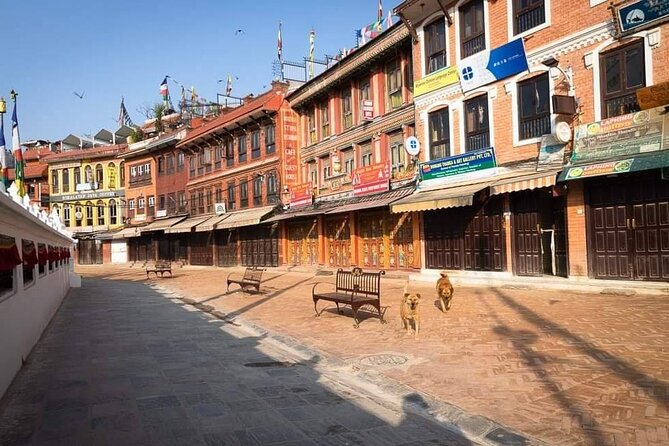
Stop 1: Boudhanath Stupa in about one hour
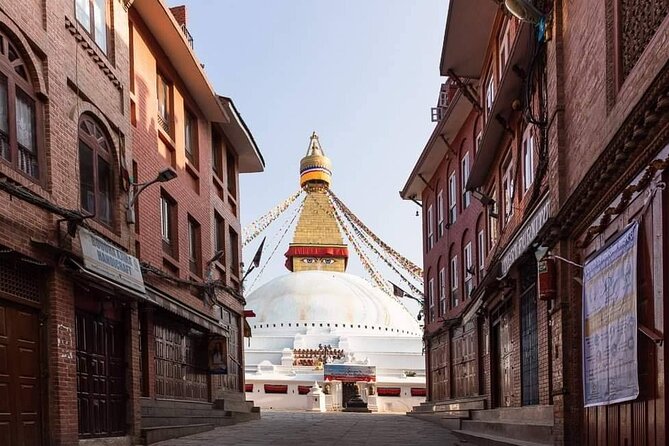
Boudhanath is one of Kathmandu’s great Buddhist landmarks, and this stop is built around that scale. You get about one hour here, with an admission ticket included.
What makes Boudhanath special in this route is its role as a major Buddhist pilgrimage center. Even if you’ve seen other stupas, this one carries a different weight because it’s recognized as the biggest Buddhist stupa in Kathmandu. That alone makes it a top anchor for the day: once you’ve set your eyes on Boudhanath, the rest of the itinerary clicks into place as part of a broader religious landscape.
During your visit, you’re likely to spend time simply looking—at the stupa itself, the surrounding areas, and the general flow of people moving through the space. With only one hour, you’ll want to treat it like a focused introduction rather than a long, slow wander.
The practical drawback is that sacred sites like this can draw steady foot traffic. In a half-day schedule, that can affect how much you can do beyond the main viewing areas. Still, it’s a smart use of time. You don’t need to overstay at Stop 1; the tour is designed to keep momentum and cover the big names.
Stop 2: Swayambhunath Monkey Temple for 1.5 hours
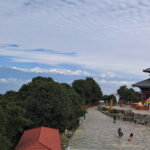
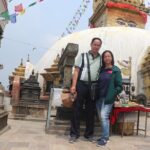
Swayambhunath is the hilltop monkey temple, and this is the stop that gets the extra time: about 1 hour 30 minutes, again with an admission ticket included.
The hilltop setting changes everything. This is where you stop thinking of the Kathmandu Valley as just a map of locations and start seeing it as a place with vertical drama. You’re going up to reach the stupa/temple complex, and that means more time is needed for the climb, the views, and the temple areas you’ll want to pause in.
It’s also called out as a stupa-monkey temple, so expect the area to be lively and visually interesting. Even if you’re not specifically there for monkeys, the setting tends to make people look longer and move slower—perfect for a tour that otherwise runs on a half-day clock.
The main consideration here is simple: hilltop sites can be slower than you expect, especially if you stop often for photos or take time around the temple spaces. This is why the route gives Swayambhunath the longest window. It’s the “balance” stop that prevents the rest of the schedule from feeling like a sprint.
You can also read our reviews of more historical tours in Kathmandu

Stop 3: Pashupatinath Temple and Lord Shiva in about one hour
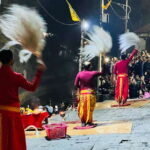
Next is Pashupatinath Temple, described as the Lord Shiva biggest temple in Kathmandu. You’ll spend about one hour here, with an admission ticket included.
This is where your tour’s Hindu thread gets center stage. The shift from Buddhist monuments to a major Shiva temple can be a strong learning moment. Even if you only know a little going in, the contrast helps you understand why Kathmandu Valley is famous for both Hindu and Buddhist cultural gravity.
One-hour is usually enough for a focused visit: look at the main temple area, get the key context from your guide-driver, and take in the general atmosphere. This isn’t a “stay for hours and attend events” type of time slot. It’s structured to keep you on schedule for the final UNESCO highlight.
The drawback to keep in mind: Pashupatinath is a religious center, so there can be active movement and restrictions depending on what’s happening. In a private tour, you can adapt your route with guidance, but the bigger lesson is that this stop demands calm and respect. You’ll get the most out of it when you slow down just slightly and let the guide’s explanations land.
Stop 4: Kathmandu Durbar Square in about one hour
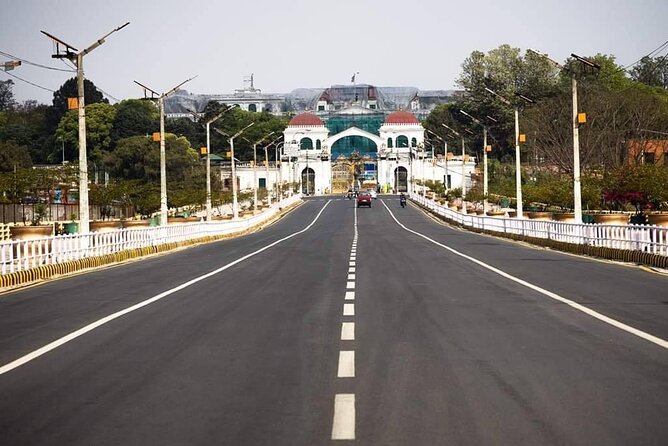
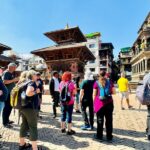
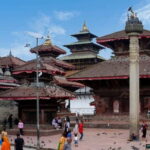
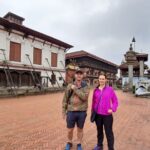
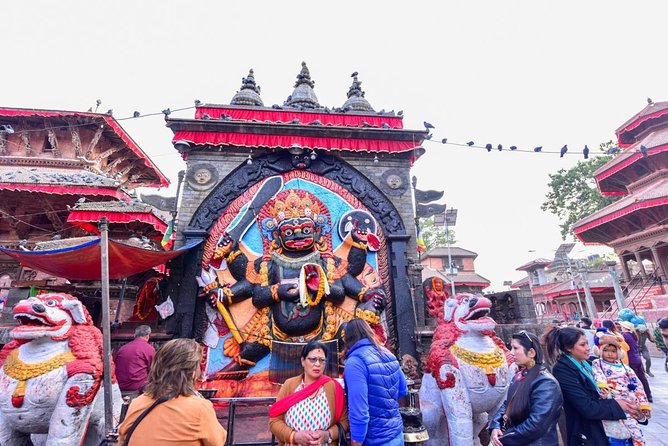
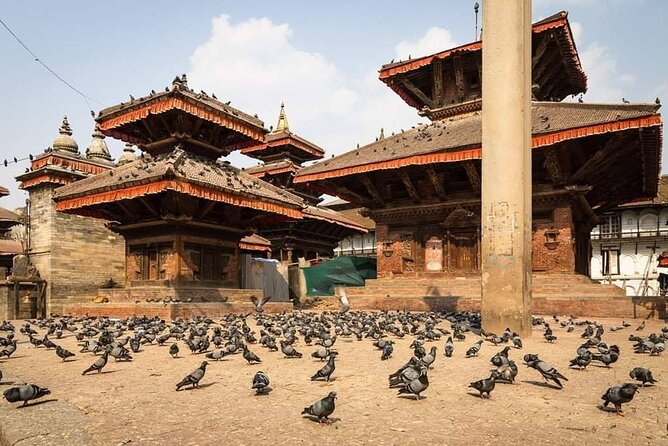
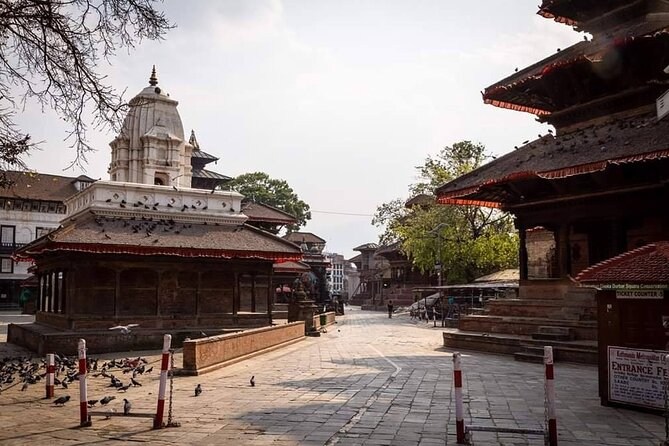
Kathmandu Durbar Square is an ancient palace area in the Kathmandu Valley, and you get about one hour here with an admission ticket included.
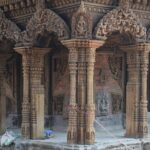
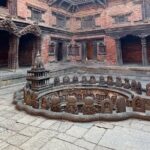
This is a different kind of UNESCO experience than the religious monuments. Instead of focusing on temples and stupas, Durbar Square represents historical power and royal architecture. It’s called out as the ancient famous palace, so you’re meant to see it as part of Kathmandu’s built heritage story.
In a four-site route, Durbar Square often feels like the “wrap-up brain” stop. After you’ve seen major sacred centers (Boudhanath, Swayambhunath, Pashupatinath), you see how the city’s identity also lives in palace squares and historic public space. That combination is a good reason this circuit is popular for first-time Kathmandu visitors.
The time limit is the only real drawback. One hour can fly if you get pulled into side details or want to photograph everything at every angle. But since this is the last stop, the schedule works like a capstone: enough time to appreciate the site, without dragging you into late-day fatigue.
Pacing across four UNESCO sites in 4 to 5 hours
Covering four major UNESCO places in about 4 to 5 hours sounds simple. It isn’t. The rhythm matters.
Here’s the pacing pattern you’ll feel:
- The schedule starts with Boudhanath (about one hour), giving you a strong opening landmark.
- It shifts to Swayambhunath (1.5 hours), which is the most time-intensive because it’s hilltop.
- It moves to Pashupatinath (about one hour), a key Hindu center.
- It ends at Kathmandu Durbar Square (about one hour), anchoring the day in palace-era heritage.
That distribution is smart for a short visit. The extra time at Swayambhunath helps prevent delays from eating into the later stops. And the relatively even timing at the other sites keeps you from feeling like you’re stuck in one place while the rest of the itinerary slips away.
If you get motion-sensitive or you simply dislike tight schedules, this tour might still work—but you’ll want to keep your expectations realistic. It’s a half-day highlight route, not a long, slow archaeological study.
Who should book this UNESCO car tour
This is a great fit if you:
- Have a short stay in Kathmandu and want to see the major UNESCO highlights efficiently
- Prefer a private group experience where you can ask questions and not compete for attention
- Want a car-based plan that reduces haggling and transport stress
- Like the idea of comparing Buddhist and Hindu landmarks in one day
It’s also a good choice if you don’t want to wrestle with entry logistics. Admission tickets are included for the listed stops, and bottled water is part of the package.
I’d be a little more careful if your plan depends on customizing the stops a lot—especially if you’ve already visited one of them before. If you want the route adjusted, confirm the exact number of sites you’ll be taken to and how that works with the included tickets.
Should you book this Private Tour of 4 UNESCO Heritage Sites in Kathmandu by Car?
If you want a half-day, private car tour that hits four UNESCO landmarks—Boudhanath, Swayambhunath, Pashupatinath, and Kathmandu Durbar Square—this is a strong value proposition at $150 per person. You’re buying convenience, included admission tickets, and an experienced driver-guide, which adds up when time is short.
Just do one smart step first: spell out any customization needs up front so the final route matches your expectations, especially if you’re hoping to reduce the number of stops.
FAQ
How long is the Private Tour of 4 UNESCO Heritage Sites in Kathmandu?
The tour lasts about 4 to 5 hours in total.
Is this tour private or shared with other people?
It’s a private tour/activity. Only your group will participate.
Which UNESCO sites are included?
You’ll visit Boudhanath Stupa, Swayambhunath (Monkey Temple), Pashupatinath Temple, and Kathmandu Durbar Square.
Are admission tickets included?
Yes. Admission tickets are included for each of the four listed stops.
What’s included in the tour price?
The tour includes bottled water, private transportation, and an experienced driver as a guide.
Can I cancel for free?
Yes. You can cancel up to 24 hours in advance for a full refund. If you cancel less than 24 hours before the start time, the amount paid is not refunded.