REVIEW · KATHMANDU
Kathmandu: Pashupatinath Aarati & Cremation Evening Tour
Book on GetYourGuide →Operated by Hari Dhakal · Bookable on GetYourGuide
Night prayers at Pashupatinath hit differently. This Kathmandu tour centers on the Pashupatinath Aarti after dusk, when chanting, lamps, and temple rituals turn the Bagmati River banks into a powerful place to watch and learn.
I also really like the way the tour gives you context first, so the symbols start to make sense instead of feeling like random ceremony footage.
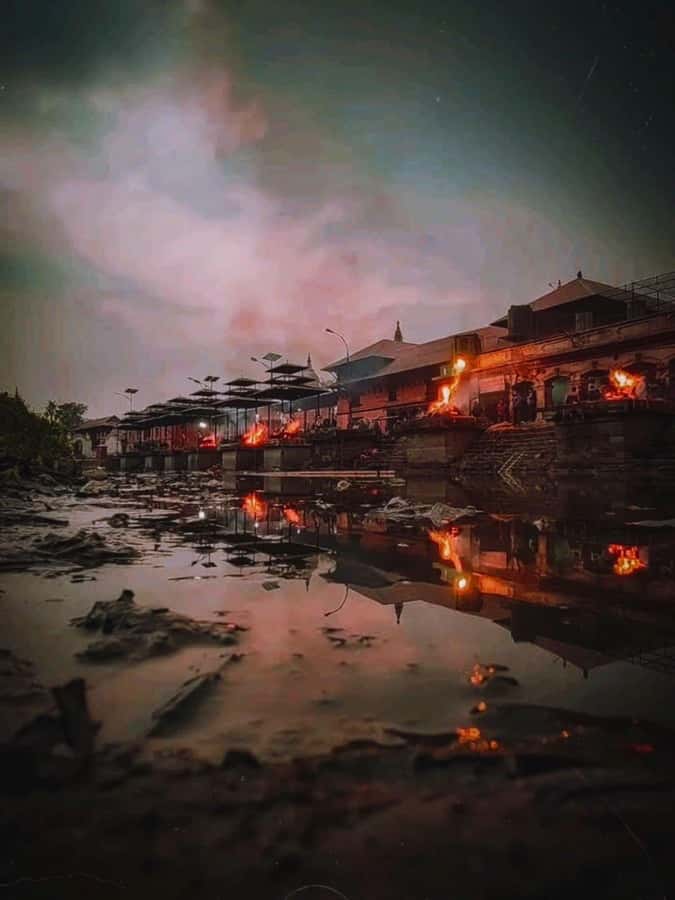
You’ll also get to see the open-air cremation activity on the riverbank in the evening, which is one of the most intense, real-world cultural experiences in Kathmandu. It’s not a staged performance, and that makes it more meaningful.
One consideration: the atmosphere can feel heavy, and the dress code is strict. Shoulders and knees need to be covered, and flash photos aren’t allowed.
In This Review
- Quick highlights
- Why Pashupatinath Aarti at Night Feels So Unforgettable
- Private Transport in Kathmandu: Fewer Headaches, More Focus
- Pashupatinath’s UNESCO Setting on the Bagmati River
- The Evening Aarti: Lamps, Chants, and Temple Ritual Timing
- Seeing Open-Air Cremation at Night: Profound, Not Tourist-Softened
- How Your Guide Helps You Respect Pashupatinath (Like a Pro)
- What’s Included vs. What You’ll Need to Plan
- Packing list that actually helps
- Price and Value: Is $43 a Good Deal in Kathmandu?
- Who This Kathmandu Night Tour Suits Best
- Should You Book This Pashupatinath Aarati & Cremation Evening Tour?
- FAQ
- What time of day is this tour?
- Where does the tour start and how do I meet the guide?
- What is included in the price?
- Is flash photography allowed at Pashupatinath?
- What should I wear to the temple?
- Can I smoke during the tour?
- Is the tour suitable for wheelchair users?
- Are meals included?
Quick highlights
- Evening Aarti viewing at Pashupatinath Temple, guided with practical explanations
- Open-air cremation observation on the Bagmati River at night
- UNESCO site context from a local English-speaking guide
- Private hotel-to-temple transport in comfort, plus entrance fees covered
- Simple but strict rules: modest dress, no smoking, and no flash photography
Why Pashupatinath Aarti at Night Feels So Unforgettable
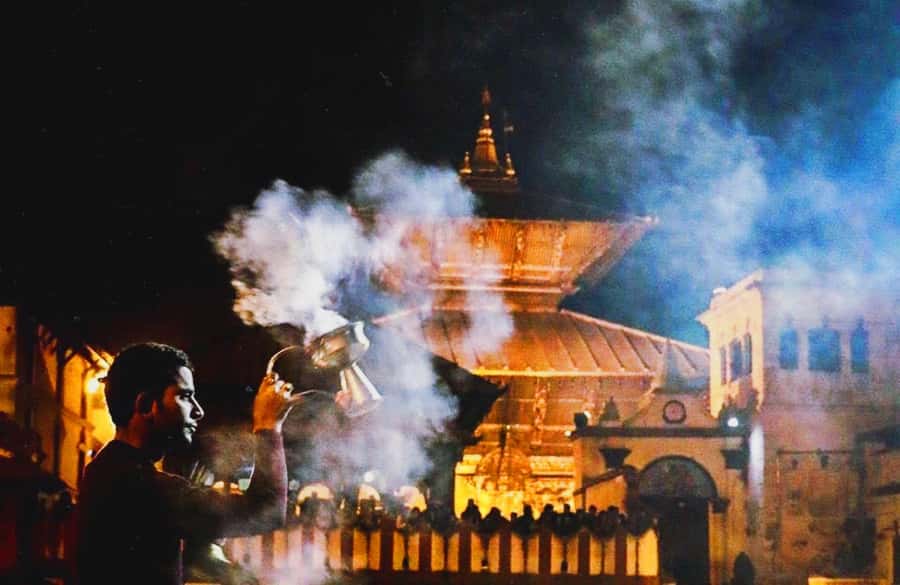
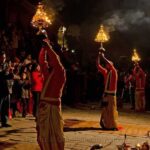
Pashupatinath is one of Kathmandu’s most important Hindu pilgrimage sites, and the timing matters. At night, the temple area takes on a different rhythm. The light from oil lamps (diyas) and the steady sound of chants make it feel less like sightseeing and more like you’re standing near the heart of daily worship.
I like that the tour sets you up for the experience instead of throwing you into it cold. A good guide helps you understand what you’re seeing—priests working through rituals, the role of the temple, and why the Bagmati River matters here. That context changes how you watch. You’re not just trying to capture photos. You’re trying to make sense of a living tradition.
The other thing I value is respect. Pashupatinath isn’t a museum. You’re stepping into a sacred space where behavior matters. With the right guidance, you’ll know what to do, where to stand, and how to stay mindful.
You can also read our reviews of more evening experiences in Kathmandu



Private Transport in Kathmandu: Fewer Headaches, More Focus
Kathmandu traffic can be unpredictable. This tour uses private round-trip transportation from your hotel, which is a big deal if you’re trying to see something specific at a specific time. Instead of worrying about transit hassles or timing slips, you can focus on arriving prepared.
Door-to-door transport also helps with comfort. Even in the evening, you’re walking in a temple area that has uneven ground. A smooth pickup and drop-off reduces stress, especially if you’re traveling with a camera and want your head in the right place.
The meeting flow is also practical. Your guide contacts you after you arrive at Pashupatinath Temple via Nepali phone number or WhatsApp. If you need it, you can wait near the main gate. It’s a simple system—just make sure your phone is charged and your WhatsApp works.
Pashupatinath’s UNESCO Setting on the Bagmati River
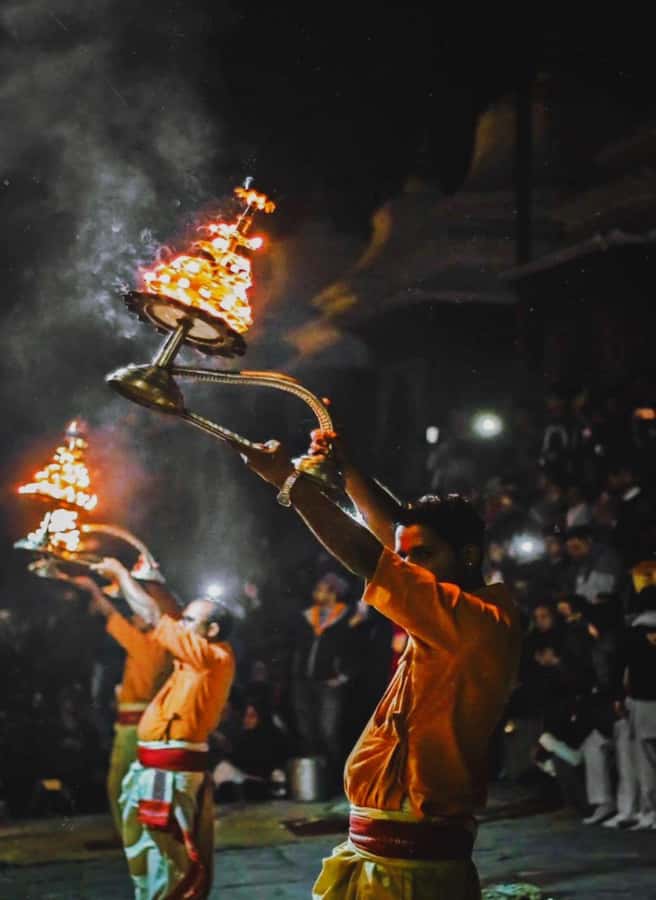
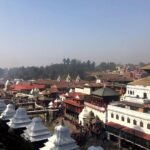
Pashupatinath is known worldwide, and it’s part of Nepal’s UNESCO World Heritage listing. What you’ll notice quickly is the location. The temple sits on the banks of the holy Bagmati River, and everything about the setting links worship to the river.
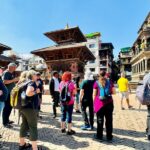
A guided walk in this area is where the experience starts to become educational. Your guide is there to explain the temple’s history and religious importance, and that’s what turns your first moments from wow-what-is-this into I get what this means.
If you’re a cultural traveler, you’ll appreciate the mix of architecture and ritual space. The golden roof, intricate temple carvings, and silver doors aren’t just pretty details. They’re part of why the site draws pilgrims and why it’s considered sacred. When you understand the symbolism, even brief moments—like where the rituals are performed—feel more intentional.
The Evening Aarti: Lamps, Chants, and Temple Ritual Timing
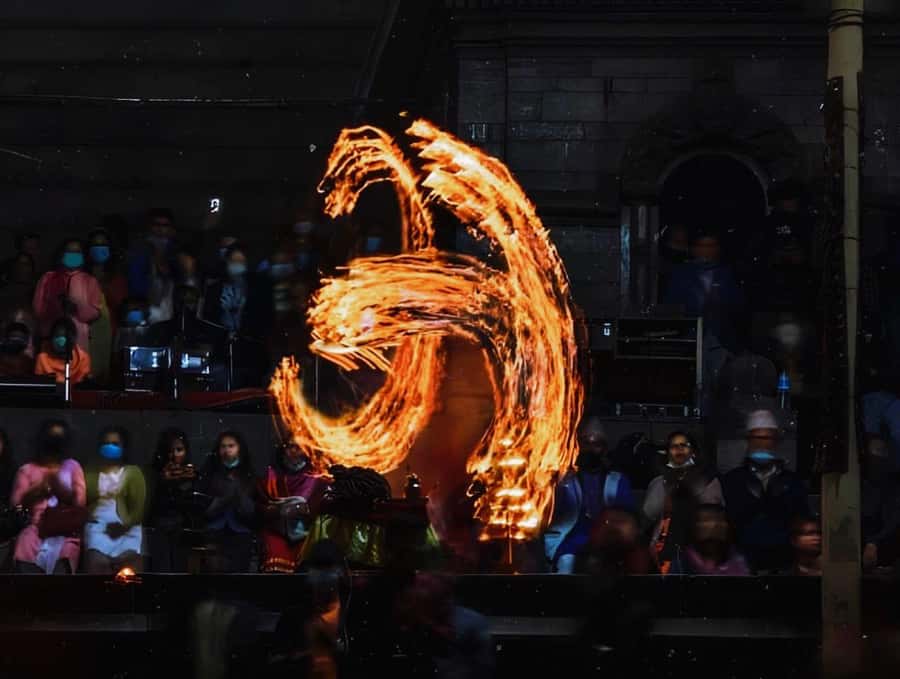
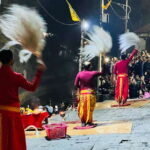
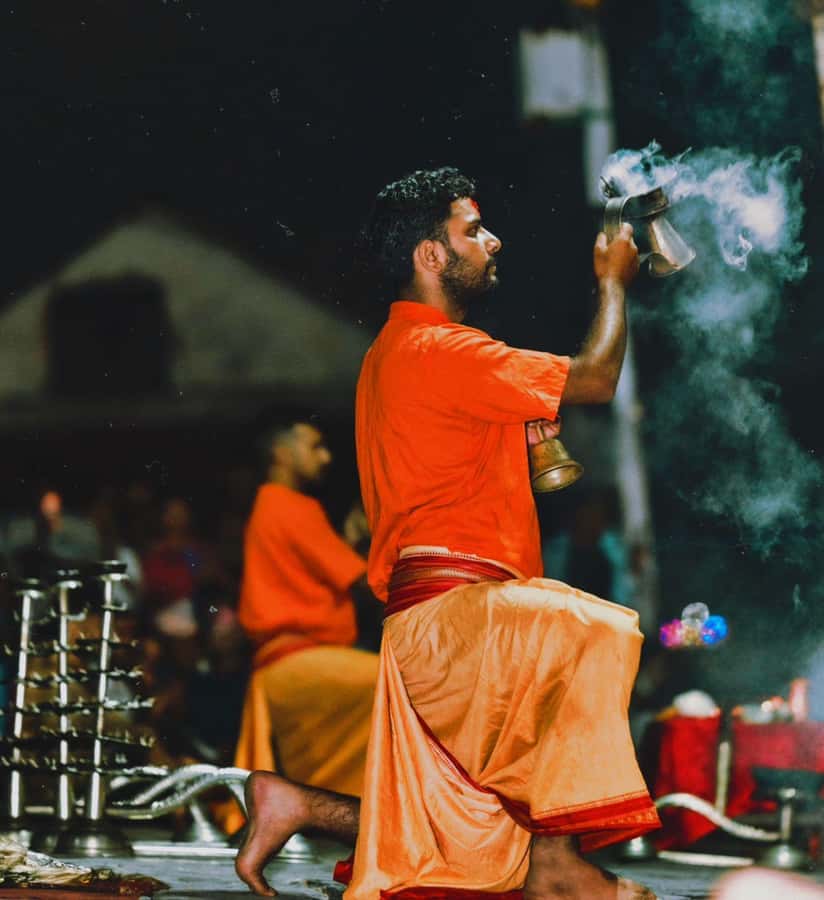
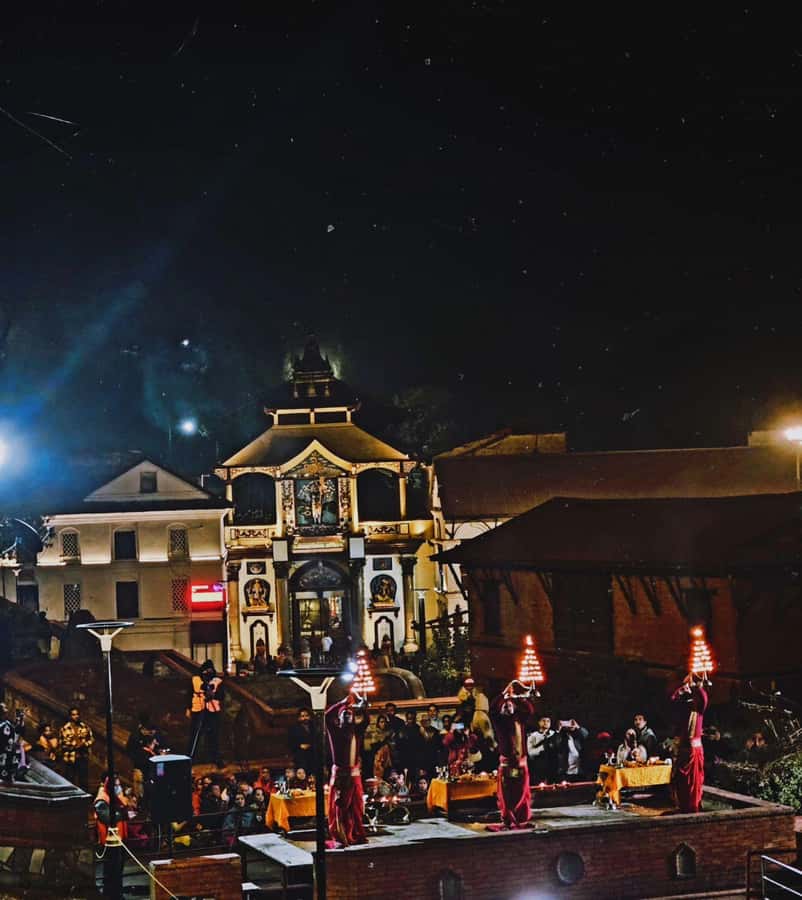
The tour’s centerpiece is the Pashupatinath Aarti in the evening or at night. This is the moment you came for. Dusk is when the temple activity ramps up, and the ritual becomes more visible as lamps light the space.
What to expect during the Aarti:
- Priests performing ritual acts while chants fill the area
- A strong visual focus on the diyas (oil lamps)
- Incense and a sensory atmosphere that can feel intense in the best way
The biggest value here is not just watching—it’s watching with a guide. A professional English-speaking guide can help you understand what parts of the ceremony you’re seeing and why they matter. That matters because many visitors only know the broad idea of Aarti. With guidance, you get the practical meaning behind what priests are doing.
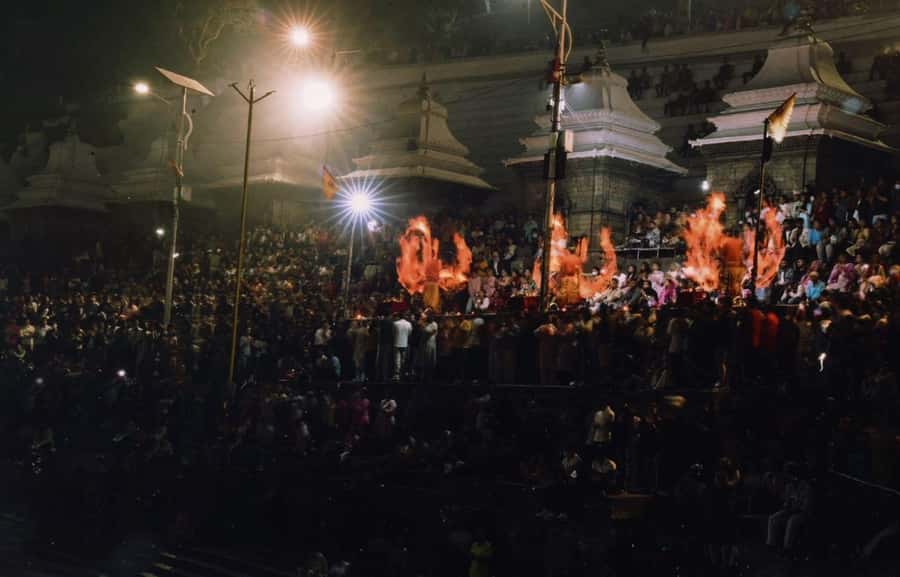
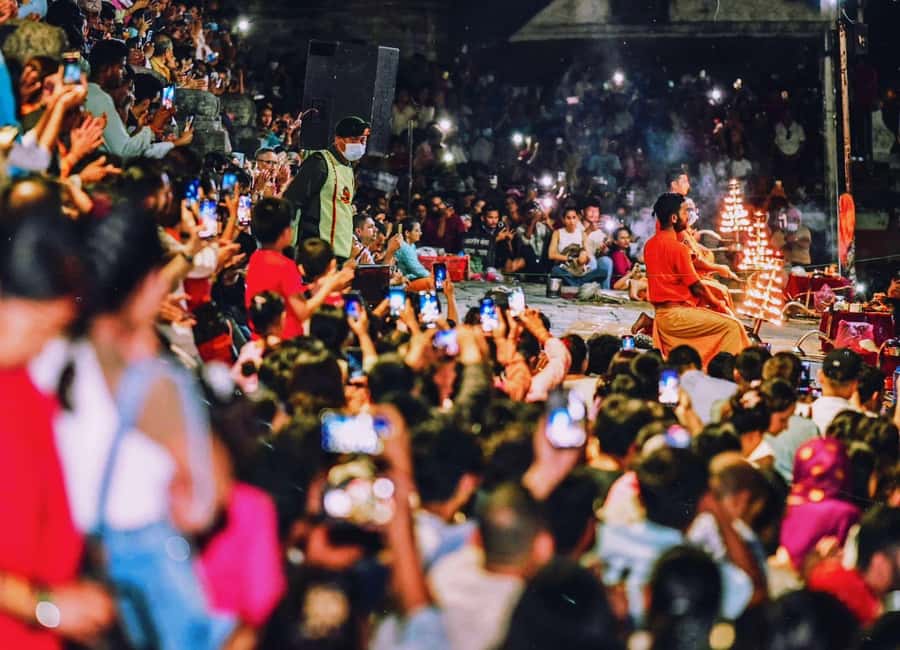
Also, plan for crowd conditions. Even when you have a guide to help you find a good vantage point, this is a public sacred site. You’ll want patience. Keep your camera ready, but remember the rules: smoking is not allowed, and flash photography is not allowed.
Seeing Open-Air Cremation at Night: Profound, Not Tourist-Softened
One of the most discussed parts of this tour is the open-air cremation activity visible on the riverbank in the evening. This isn’t a show. It’s a real ritual connected to Hindu beliefs about death and release.
That also means you should mentally prepare. This part of the experience can be emotionally challenging if you’re sensitive to the sight of cremation practices. No guide can make it comfortable. But you can make it respectful, and that’s exactly where having a local guide helps.
Here’s what I recommend you focus on:
- Observe quietly and follow your guide’s instructions
- Keep your behavior respectful, with no sudden movements aimed at getting a better shot
- Expect a solemn atmosphere, not a festival mood
Cameras are allowed, but flash is prohibited. That rule helps maintain the dignity of the space while also protecting the atmosphere for people taking part in rituals.
If you’re coming to Kathmandu for something deeper than monuments, this is the “real life” side of spiritual culture you’ll remember. It’s also the part where you should gauge your own comfort level before booking.





How Your Guide Helps You Respect Pashupatinath (Like a Pro)
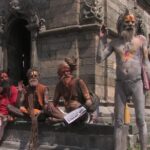
The tour includes a professional English-speaking guide, and in practice, the guide makes the difference between awkward sightseeing and a meaningful visit. I’ve seen how much clarity helps, especially around sacred sites where normal tourist behavior can accidentally feel intrusive.
You might be guided by different people, but it’s worth noting that the experience has included guides like Santosh, who was praised for clear information and guidance that helped a visitor respect other cultures properly. That’s the kind of competence you want here: a guide who explains what you’re looking at and how to behave.
Ask your guide questions while you still have time. If you want to get the most out of the Aarti and the temple visit, a few smart questions can turn the evening into a lesson:
- What am I seeing during the Aarti?
- Why does the Bagmati River matter for this site?
- Are there areas where visitors should be more still or farther back?
You’re not trying to interrupt rituals. You’re trying to understand them. A good guide will steer you toward respectful answers.
What’s Included vs. What You’ll Need to Plan
This tour keeps the essentials covered, which is great for budget planning.
Included:
- Private round-trip transportation
- Professional English-speaking guide
- Entrance fees to Pashupatinath Temple
- Bottled water
Not included:
- Meals (dinner can be arranged upon request)
- Personal expenses like souvenirs and extra snacks
So you’ll want to plan around food timing. Since this is an evening tour, eat earlier. If you want dinner afterward, ask ahead about arranging it. Keeping your evening simple usually makes the most sense here.
Packing list that actually helps
Bring:
- Comfortable shoes (temple areas can involve uneven ground)
- Warm clothing (evenings can feel chilly)
- Camera (no flash)
And remember the rule that matters most at Pashupatinath: modest clothing. Shoulders and knees need coverage. If you arrive in shorts or a tank top, you’ll spend your evening adjusting instead of absorbing the rituals.
Price and Value: Is $43 a Good Deal in Kathmandu?
At $43 per person, this tour is priced like a practical, mid-range cultural experience. What you’re paying for isn’t only the temple entry. You’re also paying for private round-trip transport, a professional English-speaking guide, entrance fees, and water.
In Kathmandu, those add up quickly if you try to assemble everything on your own. The value is strongest if you want:
- A guide-led visit with context
- Private transportation (so you don’t lose time wrangling logistics)
- Evening timing for the Aarti and cremation view
Is it a budget bargain? It’s not the cheapest option in Kathmandu. But it’s a solid value for a guided night experience that includes entrance fees and avoids the hassle of self-organizing your timing.
Who This Kathmandu Night Tour Suits Best
This is a strong match for travelers who want spiritual and cultural depth, not just photos.
Best fit if you:
- Enjoy learning from local guides and understanding ritual meaning
- Want an evening experience at a major sacred site
- Are comfortable with solemn, real-world ceremony viewing
Less ideal if:
- You’re sensitive to seeing open-air cremation activity
- You have mobility impairments or rely on wheelchair access
Wheelchair access is limited because of the ancient structure of the temple area. If mobility is a concern for you, this tour may not be the best choice.
If you do go, come prepared with modest clothing, patience, and a camera that you’ll use thoughtfully.
Should You Book This Pashupatinath Aarati & Cremation Evening Tour?
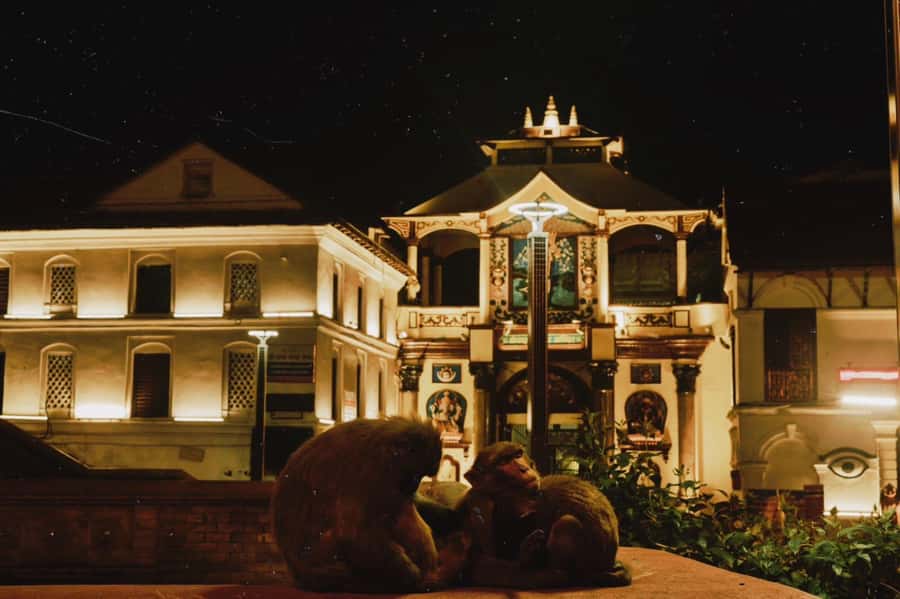
I’d book this if you want Kathmandu at its most meaningful. The combination of evening Aarti, guided temple context, and the open-air cremation viewing on the Bagmati River creates a real sense of place that you can’t get from a daytime temple stop alone.
I’d skip it if you want a light, entertainment-style evening or if the sight of cremation practices would upset you. Also, be honest about mobility needs—this isn’t designed for wheelchair users.
If you’re ready for a respectful, guided look into Nepalese Hindu ritual culture, this is a well-priced way to do it with private transport and a guide who helps you behave correctly in the sacred space.
FAQ
What time of day is this tour?
It’s an evening/night tour, timed for the Pashupatinath Temple Aarti at dusk or after dark.
Where does the tour start and how do I meet the guide?
After you arrive at Pashupatinath Temple, the guide contacts you using your Nepali phone number or WhatsApp. You can wait near the main gate if needed.
What is included in the price?
The tour includes private round-trip transportation, a professional English-speaking guide, entrance fees to Pashupatinath Temple, and bottled water.
Is flash photography allowed at Pashupatinath?
No. Flash photography is not allowed.
What should I wear to the temple?
You need modest clothing that covers shoulders and knees, out of respect for the sacred space.
Can I smoke during the tour?
No. Smoking is not allowed.
Is the tour suitable for wheelchair users?
No. Wheelchair access is limited due to the ancient structure of the temple, and it’s not suitable for wheelchair users.
Are meals included?
Meals are not included. Dinner can be arranged upon request.