REVIEW · KATHMANDU
Pick 2-Wonders of Kathmandu: A 3-Hour Heritage Hop
Book on GetYourGuide →Operated by Cordial Trek Pvt. Ltd. · Bookable on GetYourGuide
Two UNESCO stops, one quick Kathmandu snap. This 3-hour heritage hop pairs the valley’s biggest symbols with a real guide and private pickup, so you spend less time figuring things out and more time seeing what matters. You’ll also get a rare chance to look for Kumari, the living goddess, at the heart of Kathmandu’s old city.
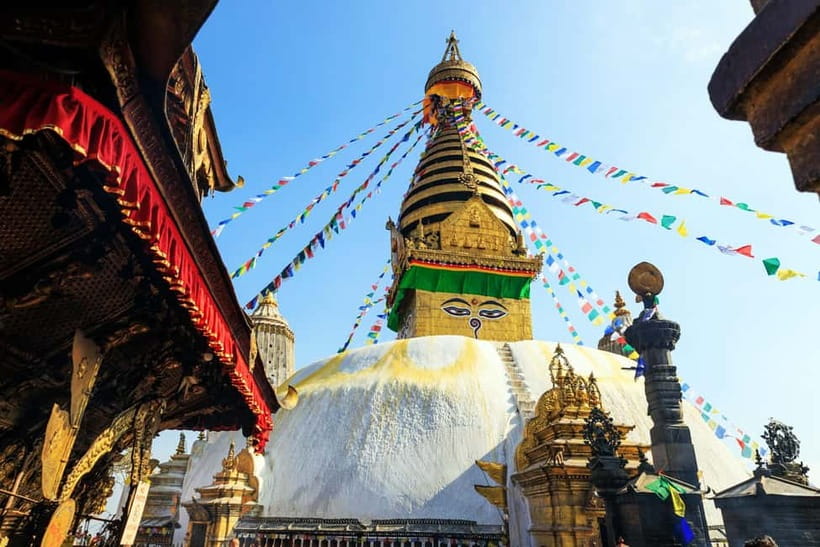
I especially like how the options let you mix viewpoints and styles. One combo brings 360-degree views from Swayambhunath’s hilltop stupa with the details of the Durbar Squares’ Newari architecture. Another lets you swap scenery for sacred rituals at Pashupatinath, then slow down at the massive calm of Boudhanath.
One consideration: 3 hours is tight, so this is not a “see everything deeply” tour. Also, monument entrance fees are not included, so budget for that on top of the tour price.
In This Review
- Key Things I’d Plan Around
- Why This 3-Hour Heritage Hop Works in Kathmandu
- Pick Your Two UNESCO Sites: 4 Easy Pairings
- Option 1: Kathmandu Durbar Square + Swayambhunath (Monkey Temple)
- Kathmandu Durbar Square: Palaces, dynasties, and Kumari
- Swayambhunath: Hilltop stupa and 360-degree views
- Option 2: Pashupatinath Temple + Boudhanath Stupa
- Pashupatinath: Shiva’s sacred riverbank
- Boudhanath: massive mandala energy
- Option 3: Patan Durbar Square + Kathmandu Durbar Square
- Patan Durbar Square: Newari artistry in red-brick form
- Kathmandu Durbar Square: go deeper with a Durbar-to-Durbar day
- Option 4: Bhaktapur Durbar Square + Nyatapola Temple
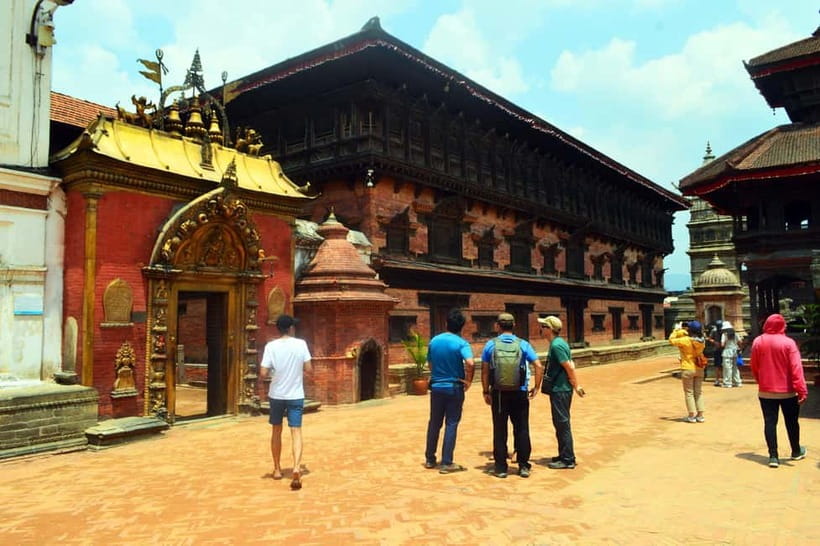
- Bhaktapur Durbar Square: four smaller squares inside the main space
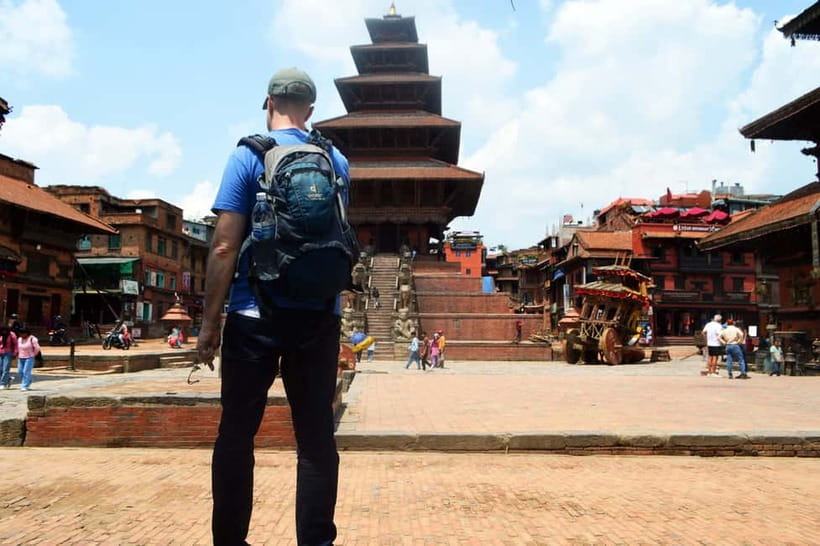
- Nyatapola Temple: the five-story showpiece
- How the Tour Runs: Private Pickup, Quick Stops, Real Guidance
- Price and Value: What You’re Actually Paying For
- Practical Tips That Save Time (and Stress)
- Who This Tour Fits Best
- Should You Book This Kathmandu 2-Wonders Hop?
- FAQ
- How long is the Pick 2-Wonders Kathmandu tour?
- Where is the pickup and drop-off location?
- How many UNESCO sites will I visit?
- What are the available tour options?
- Is the tour private?
- Do I get hotel pickup and transportation?
- Are monument entrance fees included?
- What languages is the guide available in?
- What should I bring?
- What isn’t allowed during the tour?
Key Things I’d Plan Around
- Kumari and Durbar Square details in a short, guided hit
- Swayambhunath’s hilltop panoramas plus monkeys and stupa symbolism
- Pashupatinath by the Bagmati River with possible cremation rituals
- Boudhanath’s large Buddhist stupa atmosphere, including its trade-route history
- Flexible pace with strong guides (Nilakantha Acharya is repeatedly praised for explaining clearly and adjusting to your interests)
Why This 3-Hour Heritage Hop Works in Kathmandu
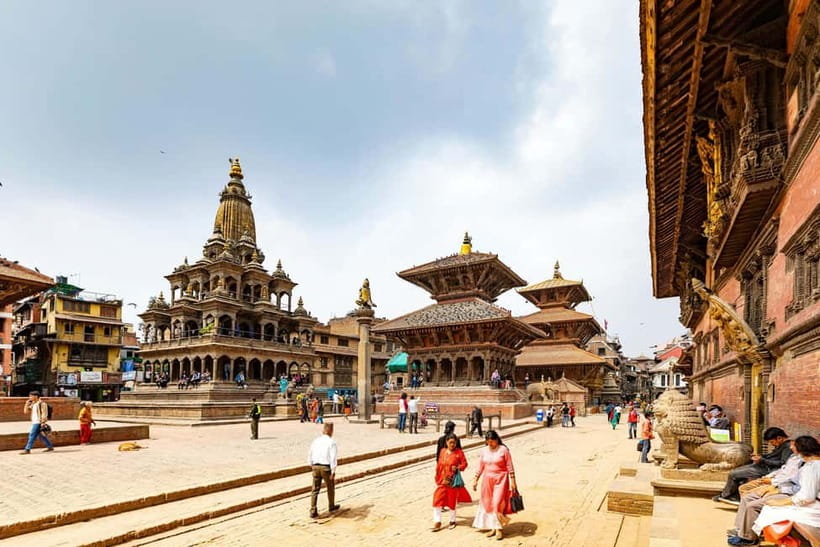
Kathmandu can feel like a lot. Noise, scooters, lines, small signs that don’t help. This tour is designed to solve one problem: getting you to two world-famous heritage sites without wasting your limited time.
The format is simple. You choose a pair from major UNESCO-listed sites in the Kathmandu Valley. Then a guide brings context while you see the landmarks. The private air-conditioned vehicle also matters because distances add up fast in real city traffic.
The best part is that the “two stops” approach forces you to think like a local planner. If you want old kings and temple craft, you pick the Durbar Square option. If you want pilgrimage energy, you pick Shiva at Pashupatinath or Buddhism at Boudhanath. If you want skyline views, Swayambhunath is your pick. You’re not trying to do everything. You’re picking what you’ll actually remember.
You can also read our reviews of more historical tours in Kathmandu

Pick Your Two UNESCO Sites: 4 Easy Pairings
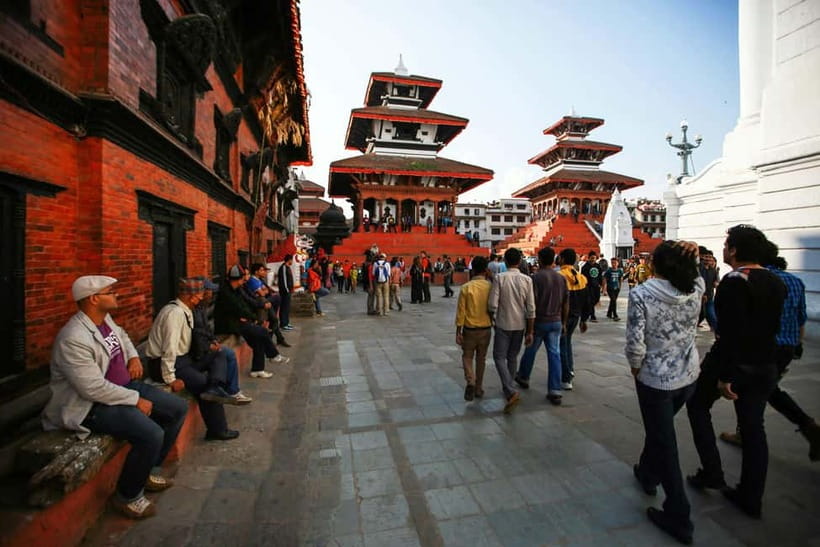
This tour gives you a menu of combinations. The goal is always the same: two of the six major UNESCO heritage sites in the Kathmandu Valley, handled in about three hours.
Here are the four “choose-your-adventure” options you’ll be looking at:
Option 1: Kathmandu Durbar Square + Swayambhunath (Monkey Temple)
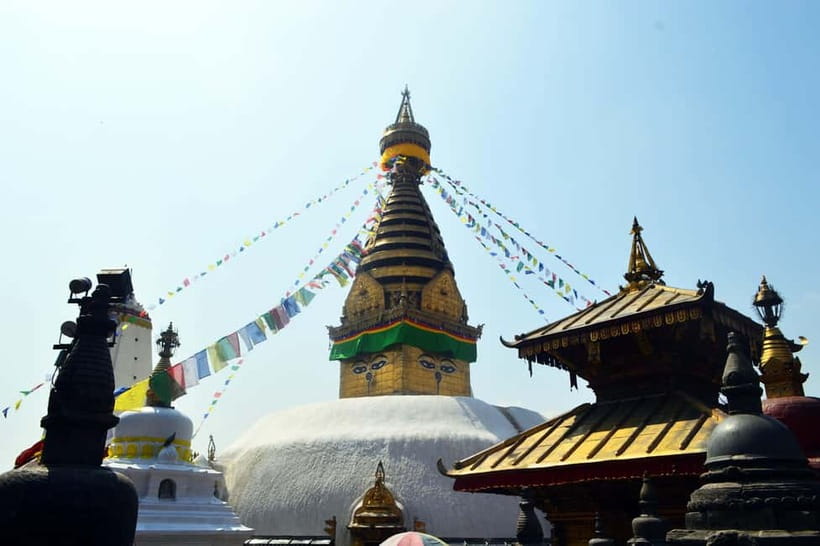
If you want the classic Kathmandu skyline-and-stonework combo, this is the one.
Kathmandu Durbar Square: Palaces, dynasties, and Kumari
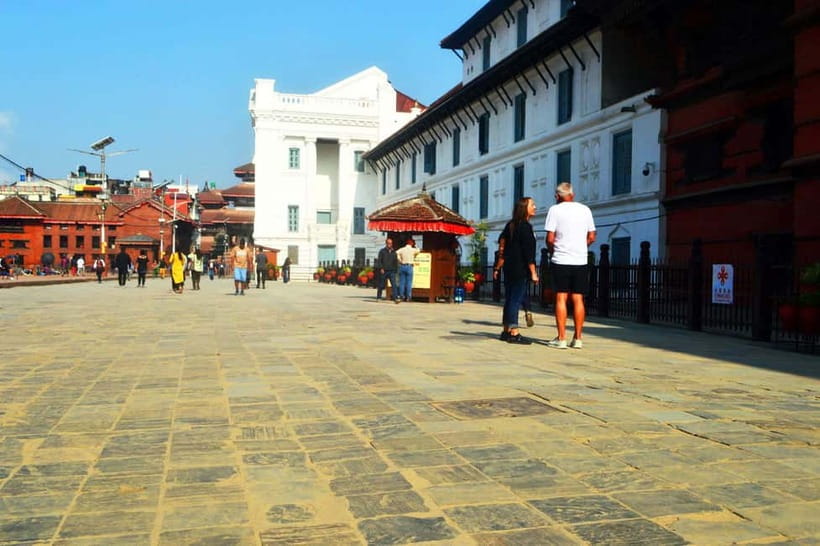
Kathmandu Durbar Square is the old-city core where you can still read the past in carved wood, stone gateways, and royal-era architecture. The tour focuses on key palace and temple structures, including the nine-storied Nautale Durbar.
It’s also the place to encounter the Kumari tradition—the living goddess who resides in her temple. Even if you don’t catch everything on display, the guide’s explanation is the point. You learn what the ritual means in everyday Kathmandu culture, not just what the building looks like.
Practical note: this is an active city square, so expect a steady flow of people and photos. Going with a guide helps you spend your time on meaning, not just guesswork.
Swayambhunath: Hilltop stupa and 360-degree views
Then you climb to Swayambhunath, the Monkey Temple. The stupa complex brings a mix of symbolism and panorama. You’ll see the Mahachaitya and get the payoff view over Kathmandu Valley.
And yes, monkeys are part of the experience. But the bigger value is how the guide links the Buddhist story of the site to what you’re physically seeing on the hilltop: the stupa’s form, the layout, and why people climb there in the first place.
If you’re short on time and want that “Oh, I get this city now” moment, the contrast between Durbar Square’s royal detail and Swayambhunath’s wide-open sky is hard to beat.
You can also read our reviews of more tours and experiences in Kathmandu
Option 2: Pashupatinath Temple + Boudhanath Stupa
This is your religion-and-spirit combo—Hindu pilgrimage intensity plus Buddhist calm.
Pashupatinath: Shiva’s sacred riverbank
Pashupatinath is dedicated to Lord Shiva and sits beside the Bagmati River. The tour experience here centers on what makes the place sacred in daily practice.
One of the most striking things you might see is traditional cremation ritual activity along the riverbanks. The guide helps you understand the symbolism so you’re not just watching from a distance. It’s powerful, and it can be emotional. This is one of those “respectful observation” experiences where your attitude matters.
Practical tip: dress and behavior matter at sacred sites. Keep your tone low, follow the guide’s cues, and don’t treat ceremonies like a photo backdrop.
Boudhanath: massive mandala energy
Then you shift gears to Boudhanath Stupa, one of Nepal’s most recognizable Buddhist monuments. The experience leans into atmosphere: the size, the history, and the way people move around the stupa.
The stupa is described as having the largest mandala in Nepal, and it was also a vital stop on the old trade route to Tibet. That background gives the site extra weight. You’re not only seeing a temple; you’re seeing a piece of how ideas traveled across the region.
If Kathmandu feels chaotic, Boudhanath can feel like a reset. It’s a place where you slow your pace without trying.
Option 3: Patan Durbar Square + Kathmandu Durbar Square
Want similar “Durbar Square” vibes but with a different flavor? This pairing sends you to Lalitpur (Patan) first.
Patan Durbar Square: Newari artistry in red-brick form
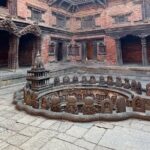
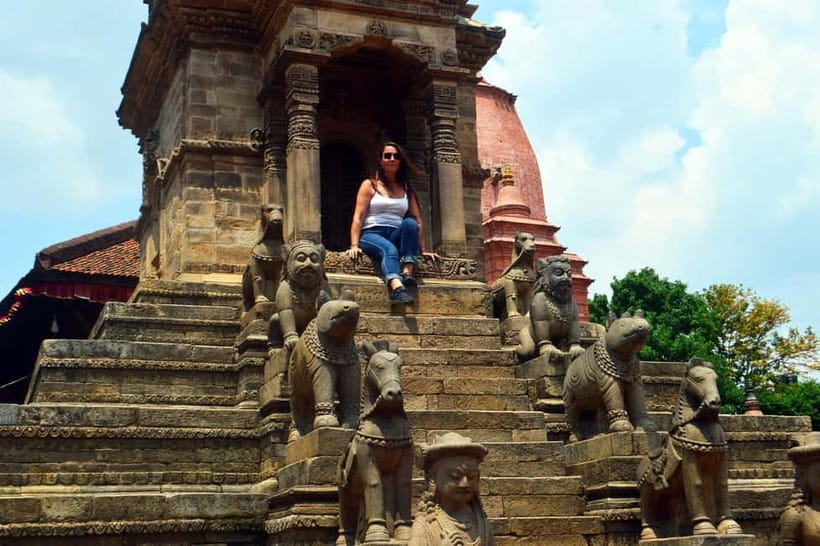
Patan Durbar Square is known for its exquisite Newari architecture and its UNESCO-listed setting. A detail you’ll notice right away is the red brick pavement, which gives the square a strong visual identity.
The tour focuses on the medieval royal palace area and the temples and statues that line the square. The value here is comparison. Kathmandu’s square gives you one slice of royal-era expression. Patan gives you another—same craft language, different emphasis.
Kathmandu Durbar Square: go deeper with a Durbar-to-Durbar day
You’ll then return to Kathmandu Durbar Square as your second stop. Since Durbar Square is your theme twice, it works best if you love architecture, carvings, and how power used to show up in stone.
It’s also a smart choice if you’re not as interested in hilltop views or riverbank rituals. You’ll still get context on the Kumari tradition at Kathmandu Durbar Square, but the day’s overall mood stays “old city craft.”
Option 4: Bhaktapur Durbar Square + Nyatapola Temple
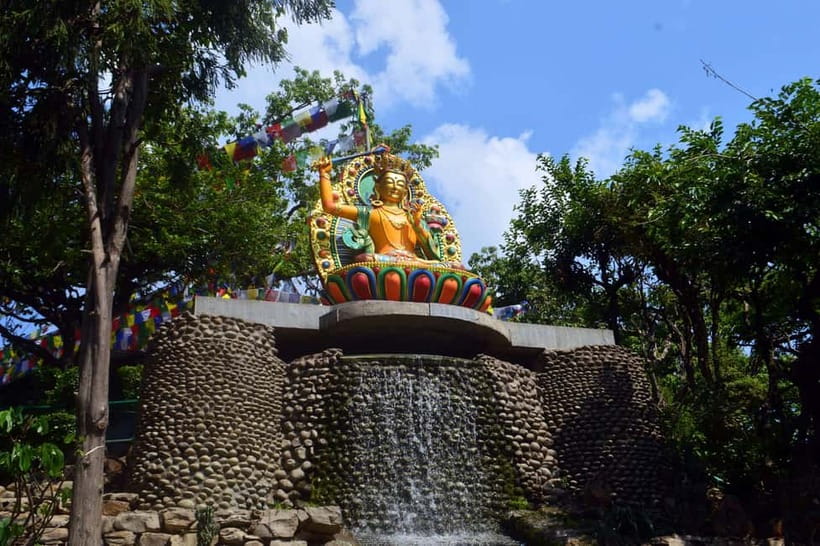
This option takes you out of the city center feel and into a more time-locked atmosphere.
Bhaktapur is described as the smallest district, yet it has the largest Durbar Square in Nepal. That sounds like a fun fact, but in practice it means you get a lot of scene in a limited area.
Bhaktapur Durbar Square: four smaller squares inside the main space
The Durbar Square complex is made up of four smaller squares. Instead of one big stop where you see everything at once, you get sections—each with its own feel. That’s helpful because it breaks the attention span challenge of a three-hour tour.
Nyatapola Temple: the five-story showpiece
Don’t miss the five-storied Nyatapola Temple. It’s described as Nepal’s tallest, so it’s a natural anchor for your time here. The guide’s job is to explain what you’re looking at: the temple’s structure, its place in Bhaktapur’s old skyline, and why it’s such a landmark.
If you like places that feel less like an “access point” and more like a lived-in old town, Bhaktapur is often the most satisfying option for this time window.
How the Tour Runs: Private Pickup, Quick Stops, Real Guidance
The tour is set up for convenience. You start with pickup in Thamel and return to Thamel. You’ll want to be ready at your lobby or apartment entrance about 05–10 minutes before the pickup time.
You’re traveling in an air-conditioned private vehicle, which is worth it in Kathmandu heat and traffic. It also makes the day feel smoother: you’re not hopping through multiple transit options while your time disappears.
A big quality point is the guide. Strong praise shows up again and again for guides like Nilakantha Acharya, including how well he explains Durbar Square and Swayambhunath in a way that makes the architecture and rituals click. Other guides mentioned by name include Prakash, and you may also meet drivers like Hari or Ram, who contribute to how calm the day feels.
Another practical bonus: the tour includes bottled drinking water. That’s not glamorous, but it keeps your “three hours” from feeling like a marathon.
Also, there’s a skip-the-ticket-line element. In a place where lines and ticketing can be unpredictable, this helps you stay on schedule.
Price and Value: What You’re Actually Paying For
At around $3.94 per person, this tour is priced in the “budget-friendly” range. Even if your exact total depends on the option and any entrance add-ons, the structure is clearly designed for value: private pickup, private vehicle, a live guide, and a targeted visit to UNESCO sites.
What’s not included is monument entrance fees. The tour says there’s an add-on option available, which is helpful. In practice, you’ll want to plan for those fees because UNESCO sites often have separate entry costs.
So the value question becomes simple:
- If you’re already paying for a guide and transport, this tour feels efficient.
- If you’re trying to see two major sites in a short window, it’s likely cheaper than piecing it together with random drivers and ticket lines.
- If you want five sites instead of two, you’ll probably feel the “limited schedule” wall.
In other words, it’s good value for a smart slice of Kathmandu Valley, not for a full-on, all-day sightseeing binge.
Practical Tips That Save Time (and Stress)
A quick, realistic plan makes this tour go smoother.
Bring:
- Passport
- Cash
Avoid:
- Large luggage (not allowed)
- Alcohol and drugs (not allowed)
And here’s the “you’ll be happier if you do this” part:
- Wear shoes you can walk in. Even without huge hikes, you’ll step around squares and temple areas.
- Expect crowds in Durbar Square zones and at popular stupa areas.
- Ask the guide what you can realistically see in your exact time window. Guides here have been praised for adjusting to your interests and pace, and that’s when a short tour becomes memorable instead of rushed.
One more practical note: this is a private group, but the route is still based on a strict 3-hour window. You’ll get flexibility, but not infinite wandering.
Who This Tour Fits Best
This is a great fit for you if:
- You’re short on time and want two UNESCO sites in one guided session
- You care about explanations—ritual meaning, architecture, and symbolism—more than just photos
- You like private pickup and a driver-ready day plan
It may be less suitable if:
- You’re wheelchair-dependent (the tour notes it’s not suitable)
- You’re traveling with very young babies (not suitable under age 1)
- You’re a very advanced age traveler (not suitable for people over 95)
If you’re somewhere in between, it’s still worth it. The guided structure is designed for people who want clarity fast.
Should You Book This Kathmandu 2-Wonders Hop?
I’d book it if your goal is a tight, meaningful introduction to Kathmandu Valley UNESCO highlights. The “two stops” structure prevents the classic problem of doing too much and remembering too little. With strong guide support—especially names like Nilakantha Acharya getting praise for clear explanations and an adaptable pace—you’re more likely to understand what you’re seeing, not just where you visited.
Skip booking only if you already know you want a slower, more flexible day across multiple sites, or if you’re mainly trying to avoid entrance fees and walking. For the right time-crunched traveler, this tour is a smart way to get oriented fast and leave with stories you can actually repeat.
FAQ
How long is the Pick 2-Wonders Kathmandu tour?
The duration is 3 hours.
Where is the pickup and drop-off location?
Pickup and drop-off are in Thamel.
How many UNESCO sites will I visit?
You’ll visit any two of the 6 UNESCO heritage sites, based on the option you choose.
What are the available tour options?
The options include:
- Kathmandu Durbar Square and Swayambhunath
- Pashupatinath Temple and Boudhanath Stupa
- Patan Durbar Square and Kathmandu Durbar Square
- Bhaktapur Durbar Square
Is the tour private?
Yes, it’s a private group.
Do I get hotel pickup and transportation?
Yes. The tour includes pickup and drop from your hotel in Kathmandu and uses an air-conditioned private vehicle.
Are monument entrance fees included?
No. Monument entrance fees are not included, but an add-on option is available.
What languages is the guide available in?
The live guide is available in English and Hindi.
What should I bring?
You should bring a passport and cash.
What isn’t allowed during the tour?
Luggage or large bags aren’t allowed, and alcohol and drugs are not allowed.