REVIEW · TIBET
9 Days Lhasa Gyantse Shigatse Everest Namtso Group Tour
Book on Viator →Operated by Great Tibet Tour · Bookable on Viator
A route like this makes altitude feel manageable. In 9 days, you’ll mix Lhasa’s big temples with Gyantse’s famous stupas and the high-country wonder of Yamdrok Yumtso and Lake Namtso. I like the small-group size (up to 12) and the private-vehicle comfort that keeps you moving without feeling rushed. One drawback to plan for: hotel and breakfast quality can be uneven on the out-in-the-distance night, so set expectations and confirm your room needs early.
This is also a smart itinerary shape if you care about Tibetan culture and the outdoors. I like that it’s designed for gradual adjustment, not a straight sprint to the highest viewpoints. And I appreciate that the tour includes airport/rail transfers and most site admissions, which cuts down on the logistics headache.
In This Review
- Quick hits: what this Lhasa–Gyantse–Shigatse–Everest–Namtso trip does well
- Small-group Tibet logistics: private vehicle, transfers, and real timing
- Lhasa start: Drepung, Tibet Museum, and Norbulingka’s royal-garden calm
- Potala Palace morning and Jokhang Temple afternoon: the two Lhasa icons
- Gyantse day over the road: Yamdrok Yumtso turquoise color and Karola Glacier
- Palkhor Monastery and Kumbum Stupa: Gyantse’s stupa with serious presence
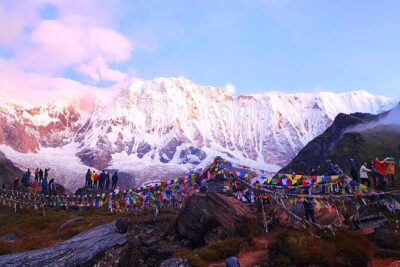
- Shigatse to Tingri and the Qomolangma National Nature Preserve: the altitude zone day
- Tashilhunpo Monastery: Panchen Lama connections near Shigatse
- Lake Namtso day trip: holy high-altitude water and NyenchenThanglha views
- Where you sleep and eat: hotels for most nights, one tougher overnight
- Price and value: what $1,443 covers and what could cost more
- Should you book this 9-day Tibet tour?
- FAQ
- How many travelers are on the group tour?
- What does the accommodation include?
- Are airport and train transfers included?
- Is breakfast included every day?
- Do I need to submit documents for a Tibet permit?
- Is the tour refundable if plans change?
Quick hits: what this Lhasa–Gyantse–Shigatse–Everest–Namtso trip does well
- Small group (max 12) with an experienced local English-speaking guide, so questions don’t get lost.
- Private vehicle and scheduled transfers (airport/rail in Lhasa) that reduce stress on travel-day timing.
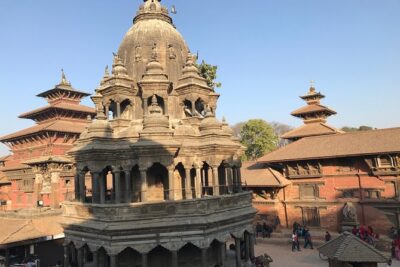
- A temple-heavy first half: Drepung, Norbulingka, Potala Palace, and Jokhang Temple.
- High-altitude scenery days: Yamdrok Yumtso turquoise lake, Karola Glacier, and Lake Namtso.
- Time for altitude adjustment built into the pace, including gradual travel days toward Tingri.
- One harder overnight is part of the deal: a guesthouse or nomad tent for the extra-high scenery segment.
Small-group Tibet logistics: private vehicle, transfers, and real timing
This tour runs as a small-group experience with up to 12 people, and you’ll travel in a comfortable private vehicle with a travel license plus parking and gas included. That matters in Tibet, where distances are long and public transport can be slow or unpredictable.
Transfers are handled in a very specific way in Lhasa. On the first day, airport pick-up from Lhasa Gonggar Airport is scheduled at 9:30 am, 1:00 pm, and 4:00 pm. On the last day, the drop-off is at 8:30 am, 12:30 pm, and 2:30 pm. If you’re booking your own flight or train, you’ll want to leave buffer for changes, delays, or slow traffic.
A practical point: the tour uses a mobile ticket and includes government tax and travel agency liability insurance. You still control your own pace once you’re there, but you won’t be juggling a stack of separate “tickets and find the booth” moments.
You can also read our reviews of more tours and experiences in Tibet.
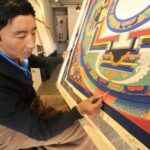
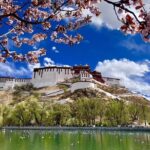
Lhasa start: Drepung, Tibet Museum, and Norbulingka’s royal-garden calm
Your trip begins with pick-up and transfer to your hotel in Lhasa. The next day starts early with Drepung Monastery (Zhebang Si) at the foot of Gambo Utse. Early morning is usually when the site feels most grounded—less distraction, more of the devotional rhythm people come for. The monastery visit is about 2 hours, and the admission ticket is included.
In the afternoon, you’ll visit the Tibet Museum. This is a good palate cleanser after monastery architecture and outdoor views. Expect exhibits that cover everyday life scenes, clothing, house architecture, and festival customs—useful background before you move into the most sacred and famous religious sites.
Then comes Norbulingka (Precious Stone Garden), described as a royal summer retreat of the Dalai Lama. It’s one of those places that helps you understand that Tibetan Buddhism isn’t only stone-and-incense. It’s also court life, gardens, seasons, and how people made highland living workable.
If you like structure—religion in the morning, context in the afternoon—this day fits.
Potala Palace morning and Jokhang Temple afternoon: the two Lhasa icons
On Day 3, the schedule goes straight for the headline: Potala Palace. It’s described as the highest ancient palace in the world and is set at 3,767.19 meters (12,359.55 ft). Even if you’re not obsessed with palaces, it helps you see why Lhasa is framed as both spiritual center and political symbol.
In the afternoon, you’ll do an easy visit to Jokhang Temple in Old Lhasa. This is presented as the most sacred temple in all of Tibet, and it’s always active with pilgrims. The entry is included, and the visit is about 2 hours.
One tip for your own comfort: Jokhang and Old Lhasa streets can be lively with people offering devotion. Plan on slow walking and give yourself time to stand back, look up, and then step aside when it gets crowded.
Gyantse day over the road: Yamdrok Yumtso turquoise color and Karola Glacier
Day 4 is where the tour shifts from city culture into long views and road panoramas. You’ll drive from Lhasa to Gyantse—about 264 km—passing Khamba-la Pass (4,794 m). That high pass is built into the day for a reason: it sets you up for the famous lake moment.
You’ll stop at Yamdrok Yumtso Lake for about 1 hour. The description calls it holy and highlights the turquoise color with snowcapped mountains in view. This is the kind of scenic stop that’s worth treating as a pause, not a photo sprint.
Then you’ll go to Karo La Glacier, about a short drive from Yamdrok. The tour notes it isn’t huge, but the white ice is visible from the highway and you can walk close to it—around 300 yards from the road. Admission is listed as free for this stop.
This is a day where weather can make or break colors. If you get even partly clear skies, you’ll likely feel like the drive paid you back.
Palkhor Monastery and Kumbum Stupa: Gyantse’s stupa with serious presence
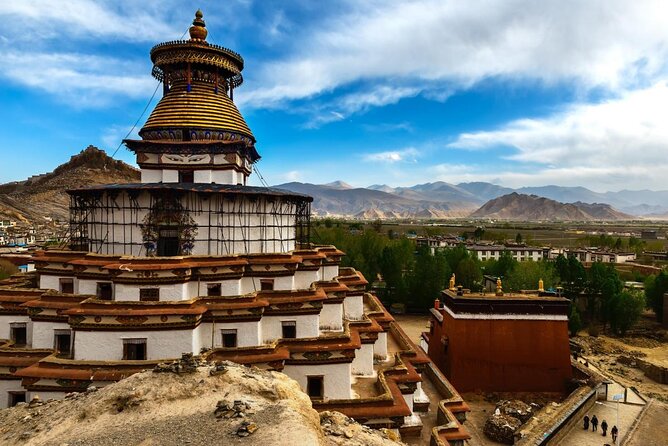
In Gyantse, the itinerary concentrates on one of Tibet’s most visually striking buildings: Kumbum Stupa within the Palkhor Monastery complex. You’ll spend about 2 hours here, and admission is included.
Kumbum is described as the largest stupa in Tibet, and the key point for your visit is not only its size. It’s also the way it holds old sculptures inside its structure. If you enjoy architecture that turns into a “keep looking” experience—doors, levels, and details rather than one flat viewpoint—this stop can be a highlight.
This is also a good counterweight after long driving. You’re back to walking and looking up, not staring out a window.
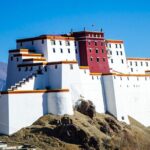
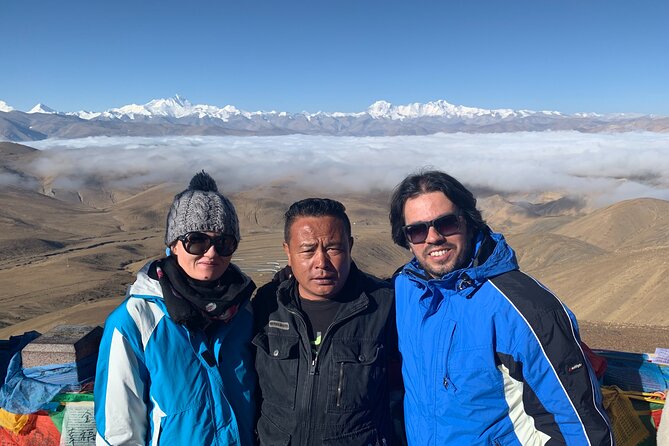
Shigatse to Tingri and the Qomolangma National Nature Preserve: the altitude zone day
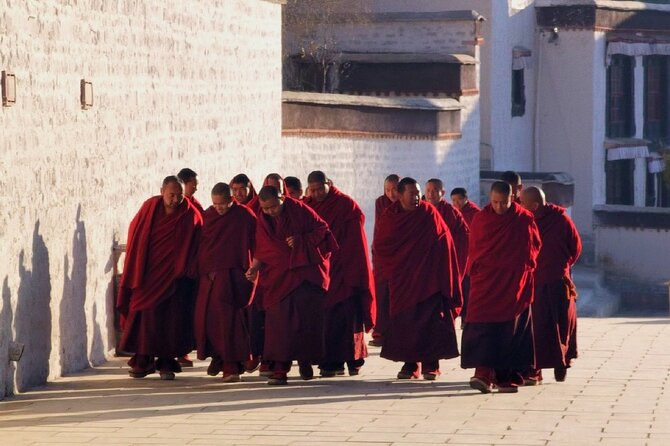
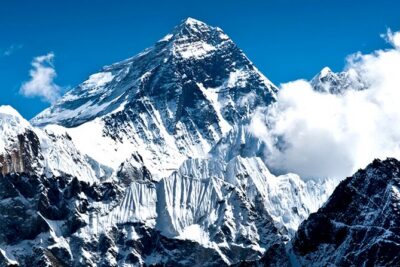
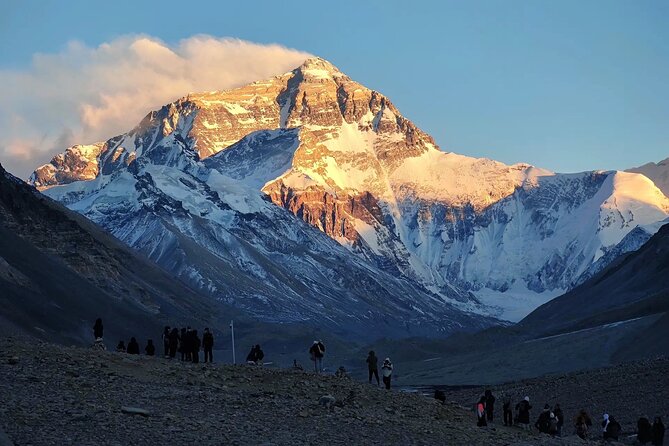
Days 5 and 6 are built around the Qomolangma National Nature Preserve. The idea here is to get you into the high-country scenery area while managing your pace.
On Day 5, you travel from Shigatse to a smaller town called Lhatse (about 150 km from Shigatse), and you may have lunch in a local restaurant. Then you continue toward Tingri, passing Tsola Pass (the itinerary text shows it as 4,6xx meters but cuts off). The stop at the nature preserve takes about 10 hours total, and admission is included.
Day 6 continues at the nature preserve area and lasts about 4 hours. Here’s a detail that matters for planning meals: breakfast isn’t included on this morning. The itinerary suggests you’ll understand why once you’re there, and it gives a practical budget cue—Tibetan breakfast items like noodles or zanba cost CNY 30. It also advises bringing small snacks like cookies and instant items.
I like that this acknowledges a reality in remote Tibet: what matters is not “fine dining,” it’s energy. If you don’t want to feel stuck waiting for food, pack backup snacks the evening before.
Tashilhunpo Monastery: Panchen Lama connections near Shigatse
Day 7 shifts back to monastery time with Tashilhunpo Monastery near Shigatse. The description says it was founded by the First Dalai Lama in 1447, and that the monastery’s structure was expanded by the Fourth and successive Panchen Lamas.
That’s a useful historical anchor even if you keep the visit light. It helps you see that Tibetan Buddhism isn’t one single storyline. It’s a set of lineages, roles, and institutions that shaped each other over centuries.
The visit is about 2 hours with admission included. Expect a calm rhythm of prayer and movement, plus architecture you can read through by paying attention to scale and placement. If you enjoyed Jokhang earlier, Tashilhunpo gives you another angle on why monasteries matter beyond their walls.
Lake Namtso day trip: holy high-altitude water and NyenchenThanglha views
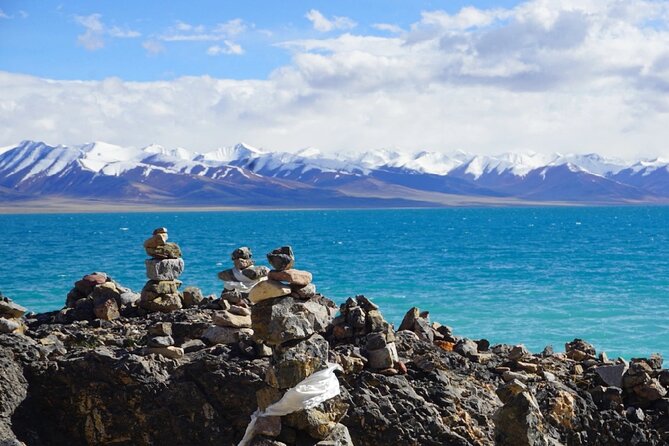
On Day 8, the tour goes to the holy Lake Namtso. The drive includes a scenic stop effect: you’ll have a far view of NyenchenThanglha Snow Mountain, and you’ll also see vast grassland on the way to the lake.
The listed duration for the stop is about 2 hours, and admission is included. Namtso works as a closing “big nature” day because it’s not a one-building sight. It’s a wide horizon experience: water, snow peaks, and the feeling of being very far from everything familiar.
For this day, I’d plan to dress warm even if the sun is out. At high elevations, the temperature can change quickly once you step off the bus and into open air.
Where you sleep and eat: hotels for most nights, one tougher overnight
The included stay structure is clear. You get 7 nights in a three/four-star hotel with breakfasts, plus 1 night at a guesthouse or a nomad tent. Rooms are two shares, and a single supplement costs extra if you want a private room.
This part is worth taking seriously. In a real-world case, one past booking flagged that a hotel on the side of the Everest-area segment had a dirty bathroom and breakfast that was very basic and not international. That doesn’t mean every booking will be like that, but it does mean you should expect variation once you leave the main city infrastructure.
My advice: before you go, ask what kind of room and bathroom setup you should expect for the extra-high scenery night. If you’re the sort of person who needs a clean bathroom and a reliable shower, this is the one question you shouldn’t skip.
Also remember: breakfasts are included for 7 mornings, but Day 6 breakfast is explicitly not included—so you’ll need a plan for that one.
Price and value: what $1,443 covers and what could cost more
At $1,443 per person, this tour’s value comes from what’s bundled:
- Accommodation for the majority of nights (3–4 star hotels for 7 nights)
- Breakfasts (7 included)
- A welcome dinner
- Private vehicle with gas and parking
- Airport/rail transfers in Lhasa
- Experienced local English-speaking guide
- Government tax
- Site admissions listed as included for many stops
What’s not included is also clearly stated: travel insurance, personal expenses, optional sights, and flights or train segments. In practice, your main “extra” costs will be your own spending on meals not covered (like Day 6 breakfast) and anything you choose to add on the side.
One more money factor that people sometimes forget: the tour requires TTB permit paperwork. You need to provide documents 12 working days before the Tibet tour begins. If you provide them late, the operator charges an additional US $50–80 per permit. This is the cost of getting permits processed correctly, and it’s easier to handle early than later.
Should you book this 9-day Tibet tour?
Book it if you want a route that hits the big Lhasa sites, the culture-heavy temple circuit, and then still gives you serious high-altitude nature time. I especially like that it includes the Yamdrok Yumtso turquoise-lake moment and Lake Namtso on the back end, because those are the kinds of places that make Tibet feel like Tibet, not just museums and monuments.
Consider passing or negotiating your expectations if clean, consistent room comfort and “normal” breakfasts are a top priority. The itinerary includes one night that can be a guesthouse or nomad tent, and real quality can vary. If you know you’re sensitive to bathroom cleanliness or you need solid food options daily, ask specific questions before you commit.
FAQ
How many travelers are on the group tour?
The tour has a maximum of 12 travelers.
What does the accommodation include?
It includes 7 nights in a three or four-star hotel (two people sharing a room) and 1 night at a guesthouse or a nomad tent.
Are airport and train transfers included?
Yes. Pick-up from Lhasa Gonggar Airport on the first day is scheduled at 9:30 am, 1:00 pm, and 4:00 pm. Drop-off to the airport on the last day is scheduled at 8:30 am, 12:30 pm, and 2:30 pm. Lhasa Railway Station transfers are also included on the first and last day.
Is breakfast included every day?
Breakfast is included for 7 mornings. On Day 6, breakfast is not included, and you can buy Tibetan options such as noodles or zanba (listed at CNY 30).
Do I need to submit documents for a Tibet permit?
Yes. You need to provide the documents for the Tibet Tourism Bureau Permit (TTB) at least 12 working days before your tour begins. If you submit late, there can be an extra charge of about US $50–80 per permit.
Is the tour refundable if plans change?
No. This experience is non-refundable and cannot be changed for any reason.