REVIEW · KATHMANDU
From Kathmandu: Private 14-Day Everest Base Camp Trek
Book on Viator →Operated by Cordial Trek Pvt. Ltd. · Bookable on Viator
Your lungs will remember this trek. This private Everest Base Camp journey is built around classic Khumbu routing: you fly into Lukla, move through Sherpa heartland villages like Namche Bazaar and Dingboche, then push up to Everest Base Camp at 5,364m and follow it with the big viewpoint hike toward Kala Patthar. I like the pacing here because it doesn’t just smash altitude all at once; it gives you real acclimatization stops along the way.
Two things I really like: first, the package handles the heavy logistics—domestic flights, airport transfers, accommodations, permits, and park fees—so your brain stays on trekking. Second, you’re provided key gear like a down jacket, sleeping bag, and duffle bag (returnable), which can cut what you need to pack and buy. The one drawback to consider is that Lukla flights depend on weather, and you might also see a solo traveler surcharge since it’s listed as not included.
In This Review
- Key highlights to know before you go
- Flying Into Lukla and the First Taste of Khumbu
- Kathmandu to Namche Bazaar: acclimatize, then explore
- Deboche and Dingboche: a steady climb with important pauses
- Lobuche to Gorakshep: the final staging ground
- Kala Patthar: the big viewpoint that finishes the story
- The return via Tengboche: monastery stop and softer pace
- Getting back to Kathmandu: certificate, then real life
- Price and value: why $1,650 can be reasonable here
- Who this private Everest Base Camp trek fits best
- Booking tip: use the guide support like it’s part of the trek
- Should you book this Everest Base Camp trek?
- FAQ
- What is included in the $1,650 price?
- Are flights to Lukla included?
- What are the key altitude points on this trek?
- Does the trek provide equipment like jackets and sleeping bags?
- Are permits and Sagarmatha National Park fees included?
- Is my Nepal visa or travel insurance included?
- What happens if the trek is canceled due to weather or if I cancel close to departure?
Key highlights to know before you go
- Lukla airport experience included: a short flight that lands at one of the most challenging airports in the world
- Acclimatization built into the route: Namche Bazaar (~3,438m) and Dingboche (~4,360m) are structured as breathing-space days
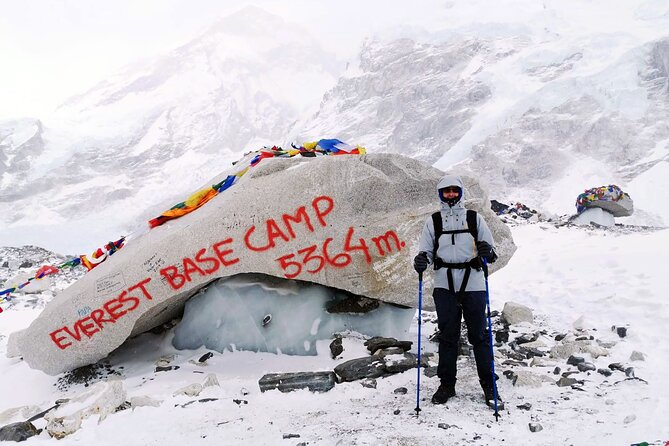
- Everest Base Camp day at 5,364m: you get time at the world-famous base area inside Sagarmatha National Park
- Kala Patthar morning push: a round trip from Gorakshep with a max elevation around 5,545m
- Guides and porter support matter: past trips with this operator include guides such as Raj Tamang and Prakash Neupan (plus porters like Surendra), and they actively check how you’re doing
- Meals and essentials are mostly covered: breakfasts are included (13), lunches (11), and dinners (12), plus a t-shirt, map, and trip certificate
Flying Into Lukla and the First Taste of Khumbu
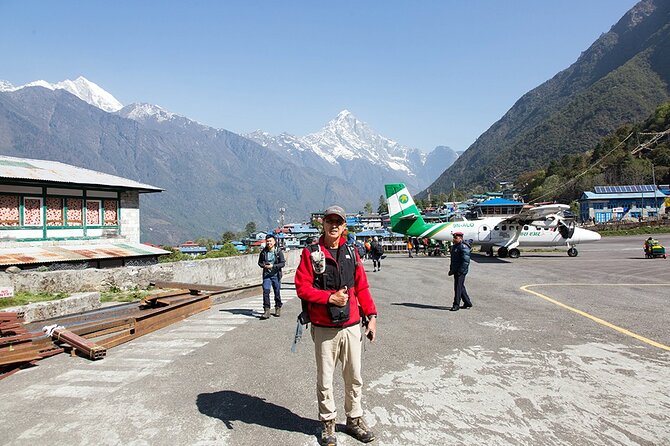
The trip starts with Kathmandu, where a Cordial Trek representative greets you and arranges pickup from Tribhuvan International Airport. You’ll check into a hotel for your first night, then the program quickly shifts you into trekking mode.
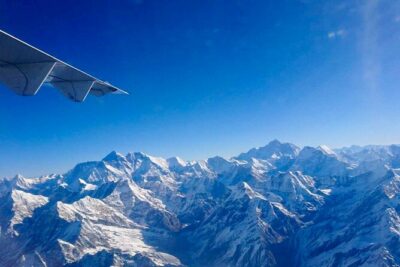
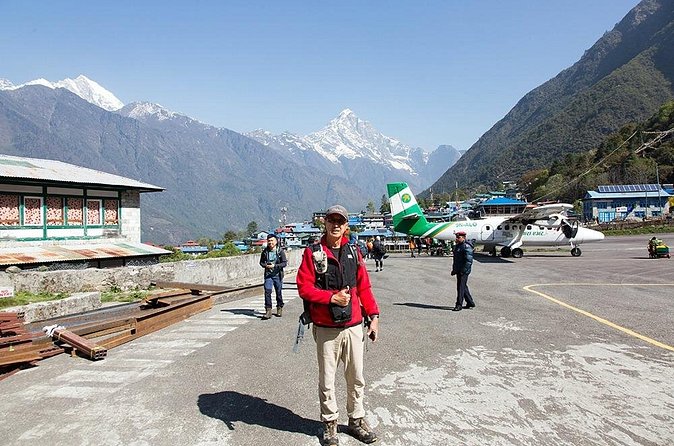
On day two, you take a roughly 30-minute flight from Kathmandu to Lukla (Tenzing Hillary airstrip). Lukla is famous for its difficult airport conditions, so this isn’t a casual hop. Still, it’s one of the best ways to reach the core Khumbu route without spending days on long road-to-trail transfers.
After landing, you’ll meet your support staff and settle into the rhythm. Expect the day’s focus to be on getting oriented and ready—because the next day is where the hiking starts in earnest.
You can also read our reviews of more private tours in Kathmandu
Kathmandu to Namche Bazaar: acclimatize, then explore
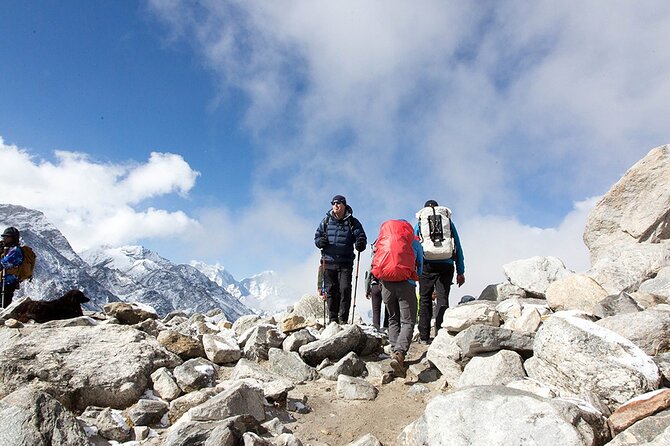
Day three hikes from Phakding toward Namche Bazaar, around 6 hours of walking, with a max altitude about 3,438m. This is one of the best early stages because the scenery lifts gradually and you start getting that “Sherpa valley” feel.
You’ll also explore areas around the route, including Manjo village, and you’ll reach Namche Bazaar where the vibe changes from villages-with-tea-stops into a bigger hub. It’s where you’ll notice more lodges, cafes, and trekking traffic—enough to feel established, not enough to feel like a city.
Day four is a proper acclimatization day in Namche. You’re high already, so the plan isn’t about distance; it’s about helping your body adjust. You’ll also do an outing to Everest View Point, tied to the Sagarmatha (Everest) National Park area, and you’ll stay at Hotel Everest View, which is known for big mountain views.
If you’ve ever wondered why good EBC treks feel calmer than you’d expect, this is why: you’re not just chasing altitude; you’re teaching your body what altitude feels like.
Deboche and Dingboche: a steady climb with important pauses
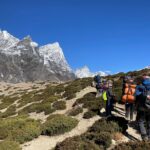
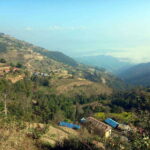
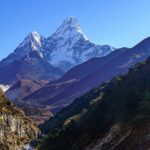
From Namche to Deboche, you’re looking at around 6 hours of trekking and reaching roughly 3,820m. This stretch is where the valleys start showing you the scale of the mountains you’re working toward. You’ll pass through Sherpa settlements and viewpoints that make the trek feel like a journey through culture, not just a grind uphill.
Then day six goes from Deboche to Dingboche (about 5 hours), reaching around 4,360m. On the way, you’ll pass through the Lobuche River area. Even if you don’t stop for long, it helps break the hike into readable sections instead of one long, exhausting pull.
Day seven is another acclimatization day in Dingboche. The program explicitly treats acclimatization as essential, and you’ll have a guided hike to a nearby point in the area (the details aren’t fully spelled out in the information provided, but the structure is clear: move, then rest, don’t just go higher). This kind of pause matters because it keeps the trek from becoming a race.
In practice, this is where I’d tell you to be honest with yourself. If you’re feeling off, you want your guide and porter support to know early, not after you’ve pushed too far.
Lobuche to Gorakshep: the final staging ground
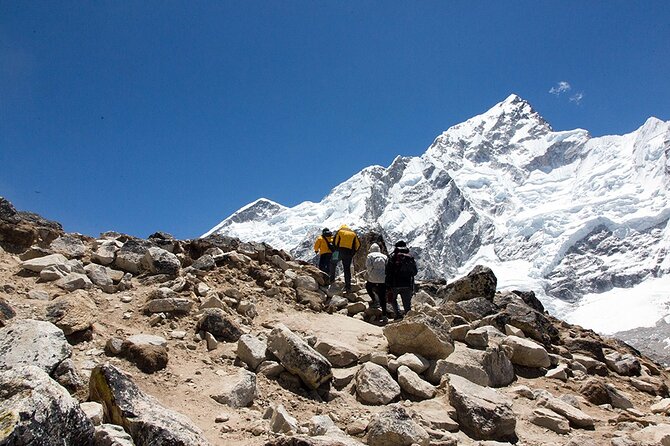
Day eight moves onward from Dingboche to Lobuche, roughly 4–5 hours, reaching a max altitude around 4,940m. Lobuche sits close to the Khumbu Glacier, and the terrain starts to feel more “high-and-hard” than in the early valleys.
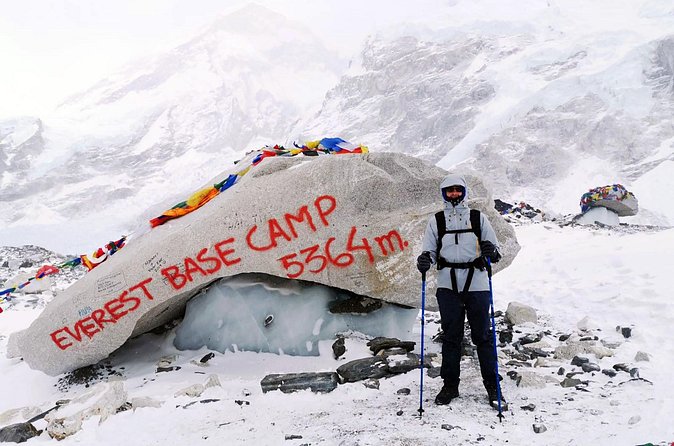
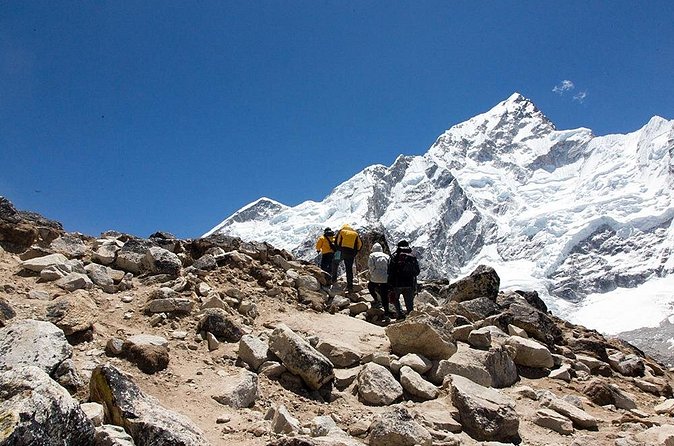
Day nine is a key transition day: you trek from Lobuche up to Gorakshep at about 5,164m, then continue on toward Everest Base Camp at 5,364m. This is the point where the trek stops feeling like preparation and starts feeling like arrival.
Reaching EBC is emotional for most people, but it’s also physically demanding. You’ll be at very high elevation, inside Sagarmatha National Park. It’s one of those places where photos don’t explain the scale; they mostly fail because they can’t capture how you feel standing there.
Kala Patthar: the big viewpoint that finishes the story
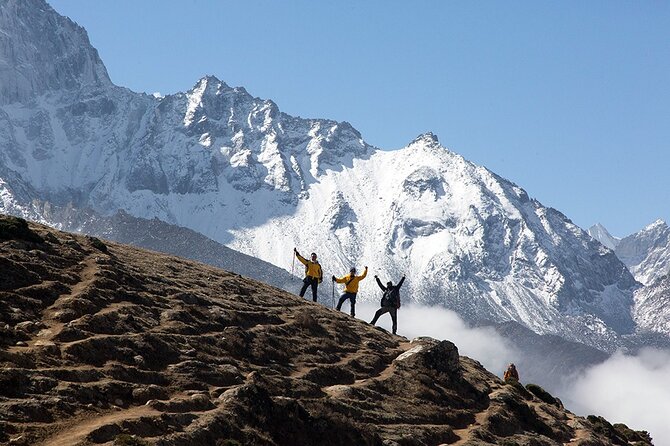
Day ten starts early: you hike a round trip to Kala Patthar, roughly 3 hours, passing via Gorakshep with a max elevation around 5,545m. This climb is the most demanding viewpoint element in the itinerary, and it’s the reason many EBC trekkers say their trip was complete after seeing it.
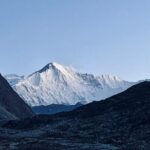
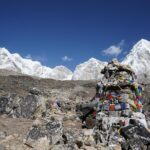
You’re going high for a reason: Kala Patthar sits in a spot that gives some of the best panoramic views toward Everest and the surrounding peaks. Even if the weather shifts, the effort typically pays off because you’re chasing visibility, not just a label on a map.
From a value standpoint, this day is worth noting: it turns your “base camp” experience into a more complete mountaineering perspective. Base Camp is the symbol. Kala Patthar gives you the bigger picture.
You can also read our reviews of more hiking tours in Kathmandu
The return via Tengboche: monastery stop and softer pace
After the Kala Patthar day, you drop in elevation as you start heading back. Day eleven takes you from Pheriche to Namche Bazaar, typically 6–7 hours, via Tengboche. Tengboche is known for the Tengboche Monastery, and that stop is part of the highlight list for this trip.
This is the part of the trek where the landscape becomes easier on your mind. You’ve already hit the peaks you came for, so the walking starts to feel more like reflection. When you reach Namche, you’ll have time to enjoy local pubs and cafes, then sleep overnight.
Day twelve is another long walking day: Namche Bazaar to Lukla via Phakding (about 7–8 hours). You’ll get another night in Lukla, and by day thirteen you fly back to Kathmandu.
Getting back to Kathmandu: certificate, then real life
Day thirteen includes your flight from Lukla to Kathmandu, followed by checking into your hotel and enjoying free time in the evening. This is when you’ll notice how normal it feels to eat without hiking for the next hour afterward.
Day fourteen wraps with a trip certificate and a final farewell. You’ll be dropped back to the airport about three hours before departure.
Two small perks that matter here: you don’t just get a finish line—you get a trip certificate, and you don’t have to manage your airport timing alone.
Price and value: why $1,650 can be reasonable here
At $1,650 per person, this isn’t a cheap hobby, but it also isn’t just you paying for scenery. A lot of the cost is bundled into essentials that usually add up fast on your own.
Here’s what’s included that protects your budget:
- Kathmandu–Lukla–Kathmandu domestic flights
- Accommodations along the route
- Guided support: an experienced trekking guide and a Sherpa porter
- Permits and Sagarmatha National Park fees
- Airport transfers
- A lot of what you’d otherwise rent: down jacket, sleeping bag, and duffle bag
- Meals: breakfasts (13), lunches (11), dinners (12)
- Admin extras: t-shirt, trekking map, and trip certificate
What’s not included is equally important:
- Nepal visa
- Travel insurance (listed as compulsory)
- Personal expenses and any unspecified meals
- Tips/gratitude for guide and porter
- Solo traveler surcharge
So the real question isn’t whether the price feels high. It’s whether you want to spend time organizing flights, gear rentals, permits, and guides yourself. If you’d rather get to Kathmandu, then follow a clear plan with support staff, this package is built for that.
Who this private Everest Base Camp trek fits best
This is listed as a private tour, meaning only your group participates. That usually suits people who want control over pacing and prefer a less crowded-feeling trip experience, even though the broader route is popular (the information notes about 40,000 people per year do the trek).
It also fits best if you:
- Have at least moderate physical fitness
- Like structured days with acclimatization built in
- Want a guided experience with a guide/porter system
It may not fit if you’re a super-flexible self-planner who enjoys booking everything separately, or if you’re traveling with strict expectations about exact hiking times regardless of weather. Lukla flight conditions are a real-world variable.
Booking tip: use the guide support like it’s part of the trek
The strongest theme from support staff mentioned in past experiences is that guidance is not just navigation. It’s care and check-ins—like watching your well-being and advising what choices fit how you’re feeling.
Guides you may encounter through this operator include people such as Raj Tamang, Prakash Neupan, and Pratip (names appear in the provided information). Managers like Ramesh are also mentioned, and porters such as Surendra show up in the same set of experiences. That matters because you want decisions like when to push, when to slow, and when to rest to be made with the right context—altitude reality beats tough-talk.
Should you book this Everest Base Camp trek?
Yes—if you want a classic Everest Base Camp route from Kathmandu with the core logistics handled, plus gear and permits taken care of, this is a strong fit. The itinerary emphasizes acclimatization days (Namche Bazaar and Dingboche), includes the big viewpoint payoff at Kala Patthar, and reaches Everest Base Camp itself.
I’d hesitate if you’re budget-tight once you add visa, insurance, tips, and any missed meals. I’d also think twice if you’re only okay with this trek when flights are guaranteed, because weather can affect Lukla operations.
If you decide to go, do yourself a favor: read the plan, pack smarter than you think you need to, and treat acclimatization days as the main event—not delays.
FAQ
What is included in the $1,650 price?
The package includes returnable trekking equipment (down jacket, sleeping bag, duffle bag), domestic flights KTM–LUA–KTM, an experienced trekking guide and a Sherpa porter, accommodations, airport transfers, trekking permits, national park fees, a company t-shirt, trekking map, trip certificate, and meals (breakfasts 13, lunches 11, dinners 12).
Are flights to Lukla included?
Yes. You fly from Kathmandu to Lukla (and back) as part of the trip. The Kathmandu to Lukla flight is described as about 30 minutes, using Tenzing Hillary airstrip.
What are the key altitude points on this trek?
You start trekking from lower elevations and climb through stages like Namche Bazaar (~3,438m) and Dingboche (~4,360m). The itinerary includes Everest Base Camp at 5,364m, and the highest point noted is Kala Patthar with a max elevation around 5,545m.
Does the trek provide equipment like jackets and sleeping bags?
Yes. You’re provided returnable necessary equipment, including a down jacket, sleeping bag, and duffle bag.
Are permits and Sagarmatha National Park fees included?
Yes. Necessary trekking permits and national park fees are included.
Is my Nepal visa or travel insurance included?
No. A Nepal visa is not included, and travel insurance is listed as compulsory (so it’s not included).
What happens if the trek is canceled due to weather or if I cancel close to departure?
The experience requires good weather, and if it’s canceled due to poor weather, you’ll be offered a different date or a full refund. For cancellations by you, it’s free up to 24 hours in advance for a full refund; less than 24 hours before start time is not refunded.