REVIEW · KATHMANDU
Kathmandu: Dhulikhel to NamoBuddha Day Hike with Lunch
Book on GetYourGuide →Operated by Cordial Trek Pvt. Ltd. · Bookable on GetYourGuide
A thousand steps, then real quiet. This Dhulikhel to Namobuddha hike pairs big Himalayan views with the spiritual pull of Thrangu Tashi Yangtse Monastery. I especially like the mix of village life along the climb and the Buddhist story waiting at the top. One thing to consider: you’ll work for those views. The hike includes a steep ascent with many steps, so it’s not a casual stroll.
I also really like how the day is paced. You start with an easy scenic drive to Dhulikhel, then walk for a few focused hours, then finish with a guided monastery visit (plus lunch). If you choose the overnight option, you get to slow down and experience Namobuddha at different times of day. The main drawback is simple: if you don’t love stairs or you’re sensitive to heat, you’ll feel it more than you expect.
In This Review
- Key Things to Know Before You Go
- Dhulikhel Drive: Why This Start Changes the Whole Day
- The Thousand Steps Up: Kali Temple to Kavre Bhanjyang
- Lunch With Real Nepal Flavor: Thali Set or Momos
- Thrangu Tashi Yangtse at Namobuddha: The Story That Gives the Steps Meaning
- Day Trip or Overnight Serenity: How to Choose Your Version of Namobuddha
- Day trip: keep it focused
- Overnight: feel the place at different times
- Zipline and Bhaktapur Add-Ons: Fun Extras, Not the Main Point
- Guides, Transport, and the Small Details That Make It Smooth
- Guides: patience and pace
- Transport: roads and timing
- Price and Value: Why This Costs Around $4.66
- When to Go and What to Bring (Without Overpacking)
- Who This Hike Is Perfect For (and Who It Isn’t)
- Should You Book the Dhulikhel to Namobuddha Hike?
- FAQ
- How long is the Dhulikhel to Namobuddha hike?
- What’s included in the lunch?
- Is there an option to stay overnight at Namobuddha?
- Do I have to take the zipline or Bhaktapur add-on?
- Where do you get picked up and dropped off?
- What languages is the guide?
Key Things to Know Before You Go
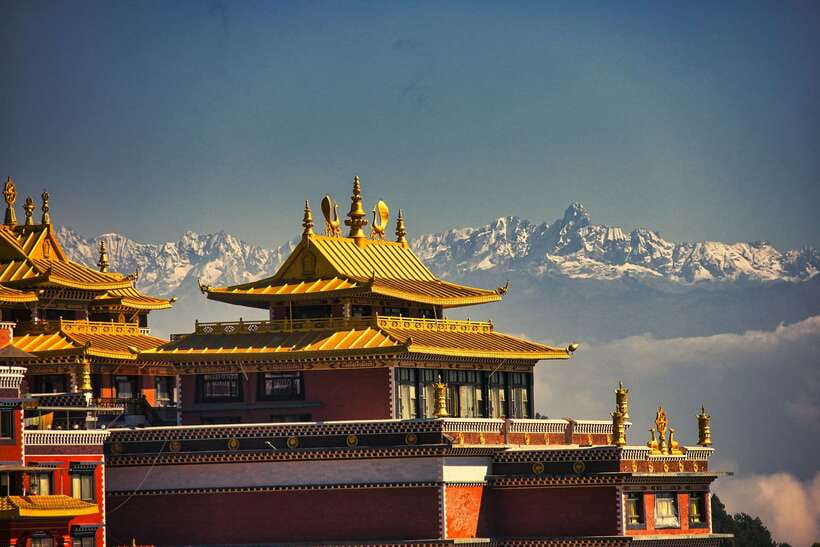
- A monastery perched on a hill: Thrangu Tashi Yangtse Monastery at Namobuddha is the payoff for the climb
- Plan on a step-heavy ascent: the route is known for the thousand steps up to the monastery
- Guides shape the experience: English- and Hindi-speaking guides like Pratip, Raj, Prakash, Terence Tamang, and Harikamal are repeatedly highlighted for keeping the pace comfortable
- Lunch is built in: you’ll get a Nepali thali set or momo, plus bottled water
- You can extend the calm: overnight stays are available at the monastery guesthouse area, with full-board meals for that option
Dhulikhel Drive: Why This Start Changes the Whole Day
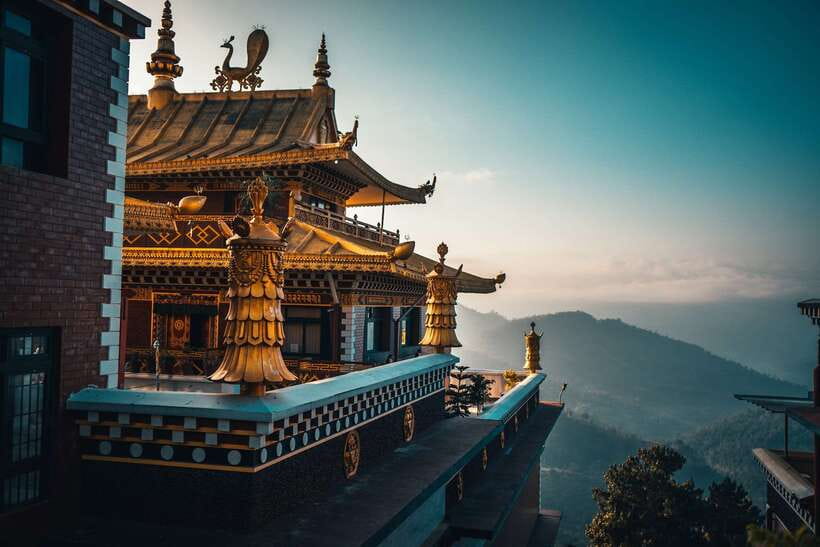
Getting out of Kathmandu is half the magic. The plan includes about a one-hour scenic drive from Kathmandu to Dhulikhel, a hill station with open views over the valley. Once you arrive, you’re not immediately thrown onto a trail. You get a short window to orient yourself, breathe, and look around before the climb.
This matters because the Namobuddha hike is short on paper, but physical in practice. Your legs will notice those steps more if you start the day already stressed or worn out. By starting in Dhulikhel, the itinerary gives you a gentler rhythm: drive, settle, then hike.
Also, the drive is part of the cultural shift. Instead of staying in the city, you transition into the Kathmandu Valley’s countryside feel—farming villages, layered hills, and that slower pace Nepal is famous for.
Practical tip: if the day starts clear, take it seriously. One of the biggest upgrades is simply having good visibility. If clouds roll in, you’ll still hike, but the “wow” factor on the views depends on the weather.
You can also read our reviews of more tours and experiences in Kathmandu

The Thousand Steps Up: Kali Temple to Kavre Bhanjyang
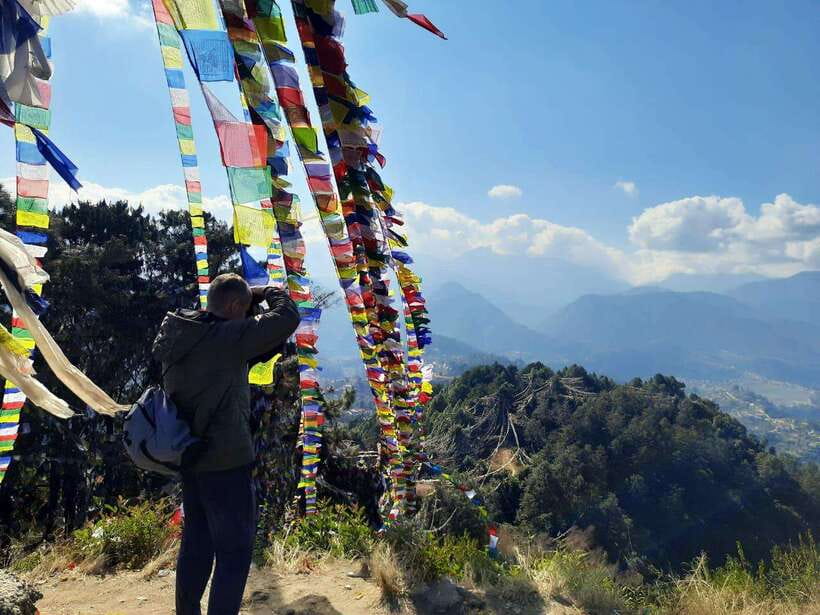
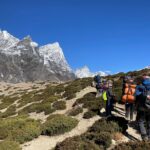
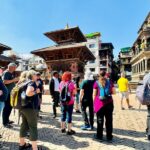
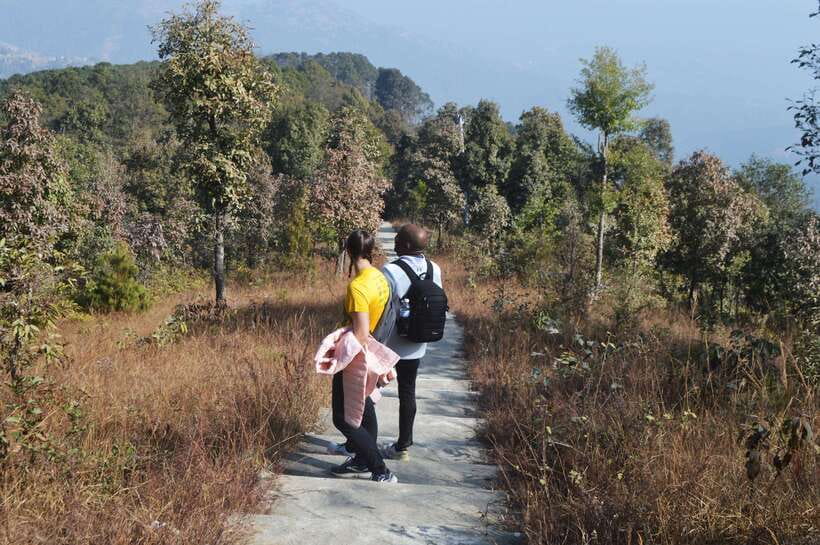
From Dhulikhel, the hike runs you toward Namobuddha, including the famous steep sections often described as the thousand steps. That steepness is the whole deal here: it’s not about speed, it’s about steady effort while the scenery keeps changing.
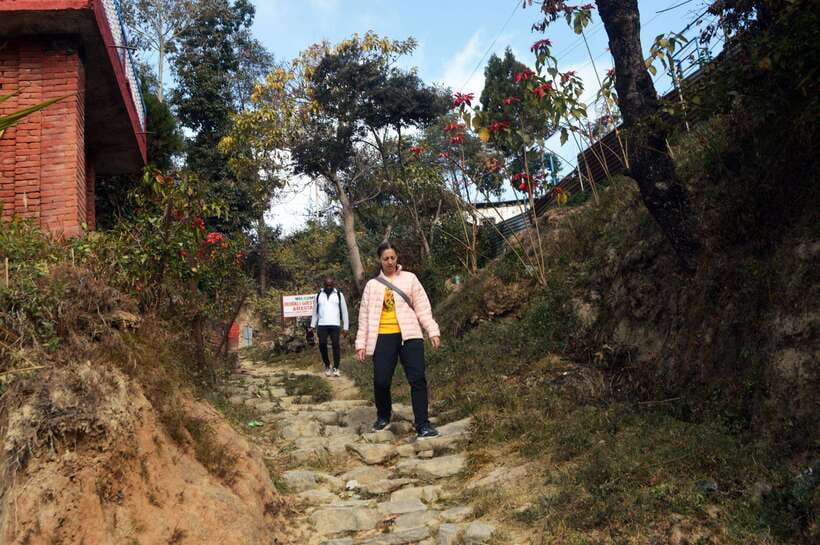
Along the route, you pass meaningful stops, including the Kali Temple and areas around Kavre Bhanjyang. These aren’t just decoration. They break up the climb and give you small markers that you’re moving through a living religious landscape, not just walking up a mountain.
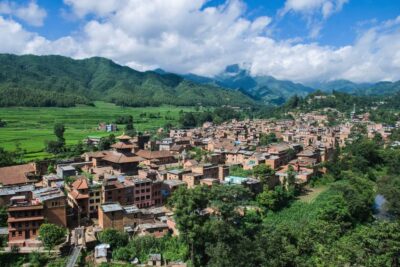
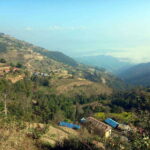
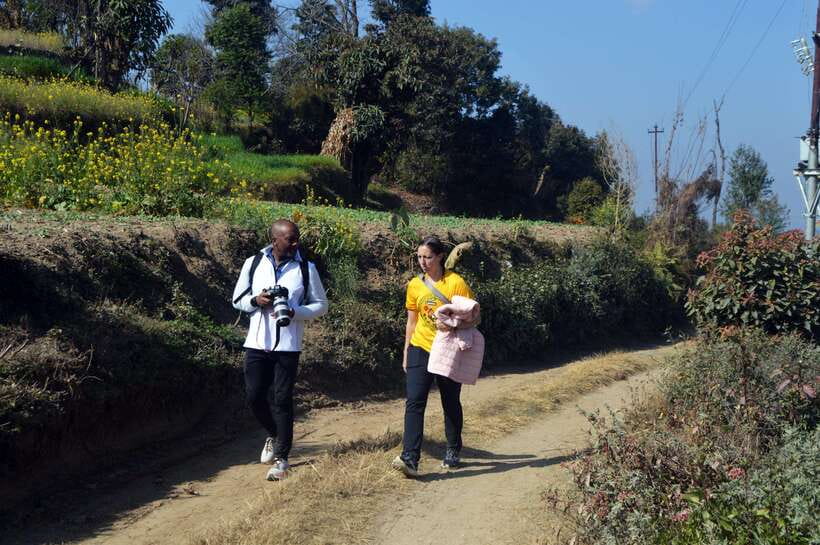
What I like about this trail is how you get a slice of everyday life while you’re earning the views. You’ll see traditional farming methods and learn about local culture and lifestyle—especially the Newari way of life in the valley. It’s the kind of travel detail that makes a hike feel like a conversation, not just a workout.
How hard is it, really? The walk time is typically around three hours of hiking, but that’s “time spent moving,” not “effort level.” In hot weather, it can feel tougher. The best strategy is pacing. You don’t have to race to the top. Guides on this route often keep you comfortable at your pace, with encouraging breaks that make the steps more manageable.
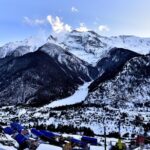
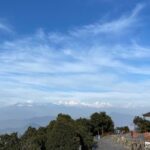
And don’t assume the photo stops will be quick. You’ll want them. Even in seasons where weather isn’t perfect, the route can still offer attractive mountain views when clouds thin out.
Shoes matter here. I’d bring something with good grip and don’t wear anything that feels new and stiff. Your feet will thank you for small kindnesses.
Lunch With Real Nepal Flavor: Thali Set or Momos
Halfway through a good day out of the city, food becomes more than fuel. It becomes a reset.
Lunch is included as a Nepali thali set or momos, and you also get bottled drinking water. The thali set is a great choice if you want a full Nepalese plate variety—think a mix of staples and sides that match what you’re seeing around you. Momos are easier if you’re tired and want comfort food without overthinking it.
Either way, this is scheduled so you’re not scrambling for food or negotiating menus while your energy is low. That’s a big value point on a half-day hike plan.
My practical advice: if you’re doing the day trip, treat lunch like your energy buffer for the return drive and final monastery time. If you’re doing the overnight option, you’ll already be thinking about a slower evening, but you still want a full meal before the spiritual part.
Thrangu Tashi Yangtse at Namobuddha: The Story That Gives the Steps Meaning
Reaching Namobuddha Monastery is where the hike stops being just scenery. It turns into meaning.
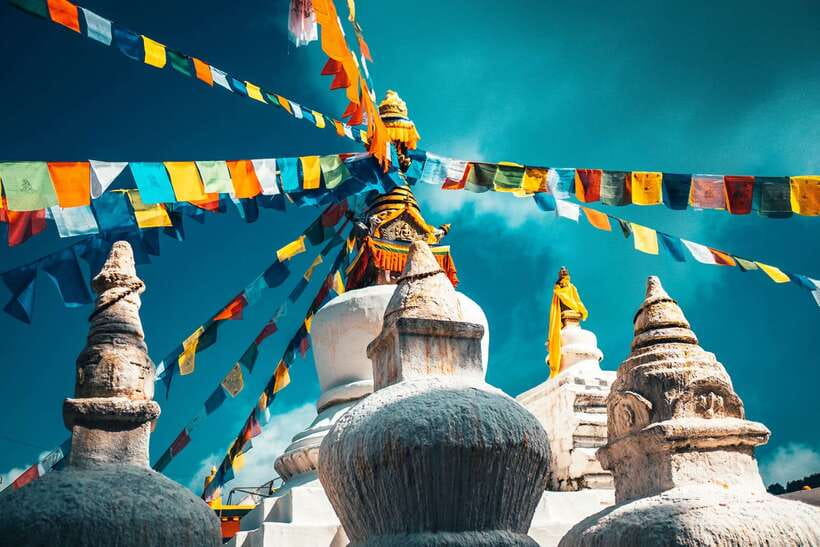
You’ll join a guided tour of Thrangu Tashi Yangtse Monastery, a prominent Tibetan Buddhist monastery perched on a hill. The legend tied to this place is the heart of why people come here with reverence.
The story goes back about 6,000 years. It describes Prince Mahasattva (Ngingdui Tshenpo) who, while observing the jungle from this spot, found a starving tigress with her five cubs. In a selfless act of compassion, he sacrificed his own life so the mother tiger could survive—providing warm blood for her strength, allowing the cubs to live.
When you hear this story in context, the atmosphere makes sense. You’re not just walking through a temple complex. You’re stepping into a place where compassion is the core theme, and where the mountain setting reinforces that sense of solemn stillness.
Inside the monastery, there’s one important rule to know: photos aren’t allowed inside. You can still bring your camera for outside views and for the approach, but plan to rely on your eyes for the interior.
The guide portion is worth paying attention to. People like Nilakantha Acharya, Terence Tamang, and Raj Tamang are repeatedly praised for explaining what you’re seeing and answering questions patiently. Even if you’re not a Buddhism expert, a good guide helps you connect the dots between the signs, symbols, and the legend that shaped the site.
And after the hike, that quiet can be startling—in a good way. The stairs you climbed earlier make the monastery feel earned.
Day Trip or Overnight Serenity: How to Choose Your Version of Namobuddha
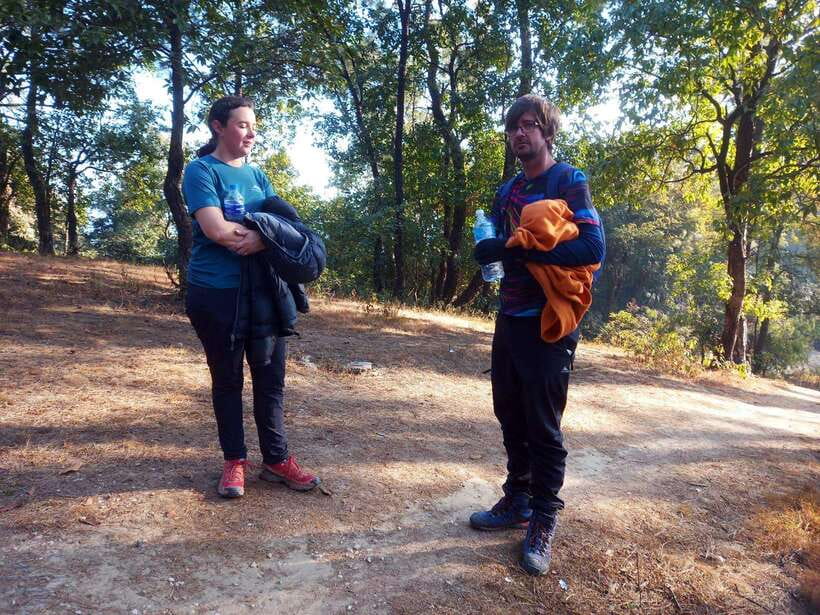
This experience comes with an easy choice: do it as a day trip or add an overnight stay near the monastery.
You can also read our reviews of more hiking tours in Kathmandu
Day trip: keep it focused
If you do the day trip, your day ends with a comfortable drive back to your Kathmandu hotel, typically arriving in the late afternoon. This is best if you want the climb and the monastery visit but you don’t want to give up a full night in your city routine.
You’ll feel a bit of momentum from start to finish. The advantage is clarity: you get exactly what you came for, then you’re back ready for dinner and sleep.
Overnight: feel the place at different times
If you choose the overnight option, you’ll stay in a guesthouse or resort in the Namobuddha area for about 24 hours. For this option, the plan includes full board meals.
This extra night changes your mindset. You can arrive, tour, and then let the monastery area settle. You’re also more free to notice details without the clock pressing down.
A practical note: since photos aren’t allowed inside, the overnight choice can help you make up for that by giving you more time to observe, listen, and sit with the atmosphere.
Zipline and Bhaktapur Add-Ons: Fun Extras, Not the Main Point
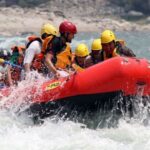
Some departures include optional add-ons. A zipline stop in Dhulikhel is available if you select that add-on. There’s also an add-on Bhaktapur tour option.
I like these as bonus energy, but I’d treat them as secondary. The reason you’re doing this is the climb to Namobuddha and the guided monastery experience. The zipline can be a fun reset when you’re excited and want something playful before the steps. Bhaktapur, on the other hand, makes sense if you’re already in Kathmandu and want to tag on a historic cultural stop before you head into the countryside.
If you’re sensitive to time, ask yourself which extra you’d actually enjoy more. Don’t choose zipline or Bhaktapur just because it’s there. Choose it because it matches your mood.
Guides, Transport, and the Small Details That Make It Smooth
A hike like this lives or dies on how you’re guided and how safe you feel getting there.
Guides: patience and pace
On this route, several guide names come up often. Pratip Tamang is highlighted for encouraging people up the steps and keeping the pace comfortable. Prakash is praised for being friendly, helpful, and making a solo day feel easy. Raj Tamang and Nilakhanta Acharya show up with a reputation for professionalism and strong explanation of what you’re seeing. Terence Tamang is also mentioned for pairing hiking know-how with thoughtful conversations about nature and spirituality.
Even if you don’t get the exact same guide, the pattern is consistent: you want someone who answers questions without hurrying you. If that’s what you care about, this tour is a good fit.
Transport: roads and timing
You’ll ride in an air-conditioned vehicle, with hotel pickup and drop-off. Pickup is offered from options in the Thamel area in Kathmandu, and you’ll also have drop-off options in Kathmandu or Thamel.
You’ll want to be ready a bit early. The guidance is to wait for your guide and driver at your lobby or building entrance about 5 to 10 minutes before pickup time.
Transportation quality is also a big deal here. The feedback shows a strong satisfaction level for transport, with 94% of reviewers giving a perfect score, which is reassuring on routes where roads can be challenging.
Price and Value: Why This Costs Around $4.66
At about $4.66 per person, this is one of the more budget-friendly ways to combine hiking, a guided monastery visit, and included lunch.
Here’s why it can feel like good value:
- You get hotel pickup and drop-off plus an air-conditioned vehicle
- You get an experienced guide
- Lunch is included (Nepali thali set or momos) and you receive bottled water
- You visit a major religious site with a guided tour
- Optional add-ons (zipline, Bhaktapur, overnight) let you shape the day without starting over
Could it cost more elsewhere in Nepal for similar structure? Sure. But the pricing here works when you want a complete, organized day without paying for a private-only setup.
My honest caution: the low price doesn’t remove the physical reality. The “cheap” part is about logistics and organization, not about making the climb easier. Bring the right shoes and expect that climb.
When to Go and What to Bring (Without Overpacking)
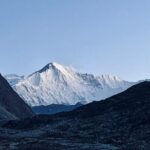
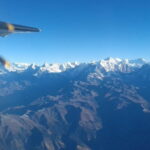
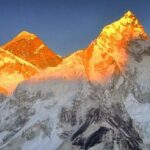
Weather can make or break the view. A clear day is a big win. One highlight in the feedback is that the hike felt especially memorable when the sky stayed clear, delivering Himalayan vistas.
That said, the route can still be enjoyable in other conditions. One person described good paths and enjoyable views even in rainy season. The key is mindset: clouds can soften the mountains, but the monastery and culture stops remain the same.
What to bring:
- Comfortable shoes (seriously, the steps will punish bad footwear)
- Comfortable clothes
- Cash
- Camera (but remember: photos aren’t allowed inside the monastery)
- Passport (yes, it’s listed as a required item)
Who should consider skipping:
- Wheelchair users (this includes the step-heavy ascent)
- Children under 6
- People over 95
Even if you’re not in those groups, if stairs are a dealbreaker for you, this route will likely feel stressful.
Who This Hike Is Perfect For (and Who It Isn’t)
This is a strong match for:
- Couples or small private groups who want scenery plus spirituality in one day
- Travelers who enjoy village culture, farming details, and a human-scale hike
- Anyone who wants a guided visit where the story behind Namobuddha is explained, not guessed
It’s not ideal for:
- People who hate steep, step-heavy climbs
- Anyone who wants a flat walk or a short promenade
- Wheelchair users, due to stairs and the hike nature
If you’re coming to Nepal for both nature and meaning, this works well because the day connects them. You climb through local areas, then you land in a Buddhist space shaped by compassion.
Should You Book the Dhulikhel to Namobuddha Hike?
If you want an organized day that gets you out of the city and into real countryside culture, I’d say yes. The value is strong: guide + transport + lunch + a guided monastery tour, all built around a memorable climb. And if you can handle steps, the payoff is very real—Himalaya views when the weather cooperates, plus a monastery with a story that sticks.
Don’t book if stairs will make you miserable. This is the kind of hike where effort is part of the point. Also, if you need lots of photo opportunities inside religious sites, remember photos aren’t allowed inside the monastery.
Overall: if you’re the type who likes walking with purpose, seeing how people live, and then sitting quietly in a spiritual setting, this is a smart choice.
FAQ
How long is the Dhulikhel to Namobuddha hike?
The experience runs about 5 hours for a day trip, with an optional overnight extension that can last up to 2 days.
What’s included in the lunch?
Lunch is included as either a Nepali thali set or momo, plus bottled drinking water.
Is there an option to stay overnight at Namobuddha?
Yes. You can choose an overnight stay in the Namobuddha area at a guesthouse or resort. For the overnight option, full board meals are included.
Do I have to take the zipline or Bhaktapur add-on?
No. Ziplining and a Bhaktapur tour are listed as add-ons, so they’re included only if you select them.
Where do you get picked up and dropped off?
Pickup options include Thamel in Kathmandu. Drop-off options include Kathmandu and Thamel.
What languages is the guide?
The live tour guide speaks English and Hindi.