REVIEW · KATHMANDU
4 UNESSCO World heritage sites of Kathmandu-private tour
Book on Viator →Operated by Outdoor Himalayan Treks P Ltd. · Bookable on Viator
One day, four UNESCO sites, and a lot of meaning. I like the smooth front-door pickup with private transfers, and I like that your guide shapes the day around what you care about. The one thing to think about is that admission tickets and meals are not included, so your total day budget will be a bit higher once you’re on the ground.
This is built for first-time visitors who want a smart sampler of Kathmandu Valley’s religious landscape without zig-zagging on your own. You’ll also get a true private format, not a rushed bus-in-bus-out crowd day, with time set aside at each major stop.
Still, this is a 5 to 7 hour window, with about one hour per place. If you want to linger for photos, sit longer at viewpoints, or slow down for crowd flow, you’ll want to keep expectations realistic.
In This Review
- Key points before you go
- One day, four UNESCO stops in Kathmandu’s religious crossroads
- Getting around: private A/C coach and pickup timing in Thamel
- Patan Museum and the Patan Durbar Square area: art meets heritage
- Pashupatinath Temple: Shiva, cremation tradition, and respectful viewing
- Boudhanath Stupa: a giant stupa, Tibetan Buddhism, and terrace breaks
- Swayambhunath Monkey Temple: viewpoints, the Hindu-Buddhist connection, and sunset patience
- Price and what $60 actually buys you
- Service quality: professionalism that makes the day easier
- Who this private tour suits best
- Should you book this 4-site Kathmandu UNESCO tour?
- FAQ
- What is the duration of this tour?
- Is this tour private?
- Does the price include the tour guide?
- Can I request a guide who speaks a language other than English or Nepali?
- Is hotel pickup included?
- Are admission tickets included for the sites?
- Are meals included?
- What’s included in transportation?
- What documents do I need on the day of travel?
- Are there any weather-related considerations?
Key points before you go
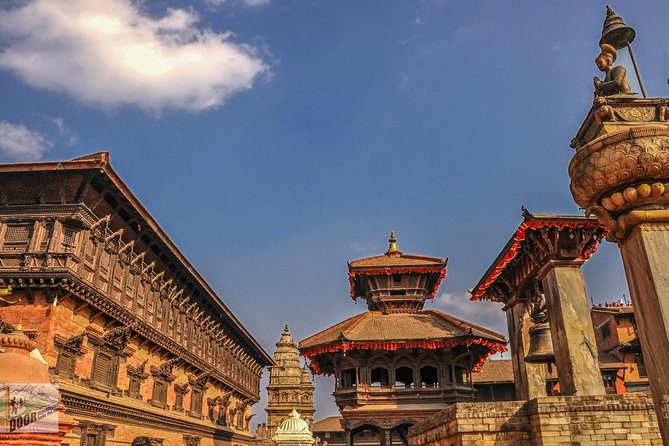
- Four UNESCO-listed sights in one efficient day, focused on Hindu and Buddhist sacred spaces
- Private, air-conditioned coach with a driver, parking, and road tax included
- English-speaking professional guide (upgrade available for other languages for USD 15 per group)
- Built-in water bottle per person, while meals stay on you
- Each stop gets about 1 hour, so the day moves—but you still get context
- Your guide can tailor the story to your interests, and past guests praised the care and professionalism from the team led by Ram, with guides including Badri and Crisna
One day, four UNESCO stops in Kathmandu’s religious crossroads
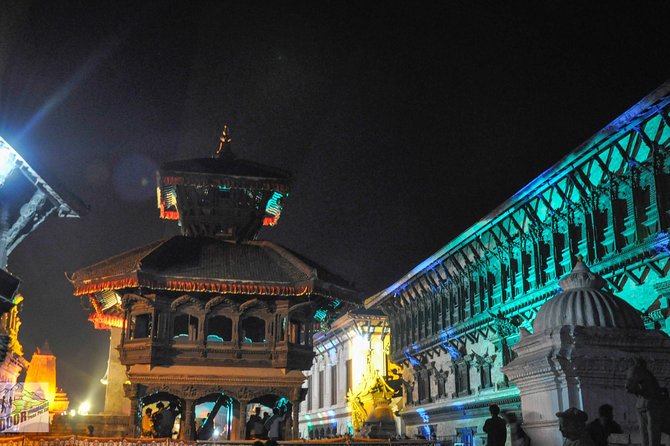
Kathmandu can feel like a puzzle at first. Streets twist, temples crowd the hills, and different faith spaces sit side by side like neighbors who don’t need to explain themselves. This private day tour tries to solve that puzzle fast.
You’ll hit Hindu and Buddhist landmarks that aren’t just pretty backdrops. They’re active places of worship, ritual, and community life. That’s the main reason this tour works so well for a first trip: you learn what you’re looking at, while you’re looking at it.
And yes, it’s also efficient. The route pairs a heritage district in Patan with the big-name sacred sites north and west of the city center. You’re not waiting around all day. You’re moving through the valley’s highlights in a planned sequence.
You can also read our reviews of more private tours in Kathmandu
Getting around: private A/C coach and pickup timing in Thamel
Logistics can make or break a day like this. What I like here is the practical setup: a private air-conditioned coach is included, and it comes with the driver plus the extra costs that usually create surprise charges later (road tax and parking, for example).
The start point is listed at Outdoor Himalayan Treks on Thamel Marg. Pickup is also offered, which matters because Thamel is where most people end up staying. If pickup is available for you, you’ll save the hassle of finding the group meeting spot in traffic.
A key detail: transfer times are approximate and depend on the time of day and traffic. Kathmandu traffic isn’t predictable, and sacred sites can also affect timing because foot traffic and crowd flow are real. Still, each stop gets about an hour, so you can plan a day that feels structured without turning into a checklist sprint.
Patan Museum and the Patan Durbar Square area: art meets heritage
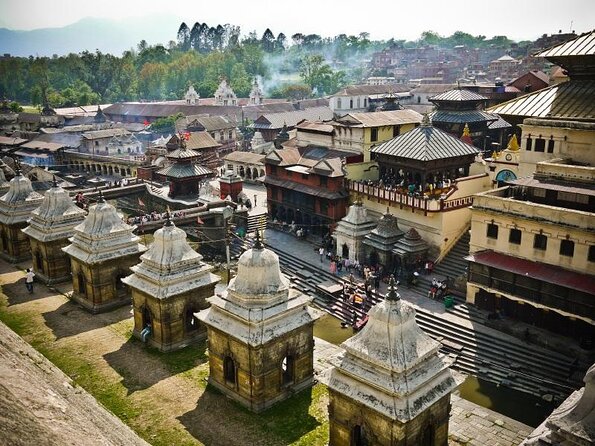
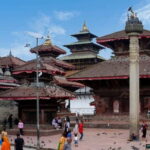
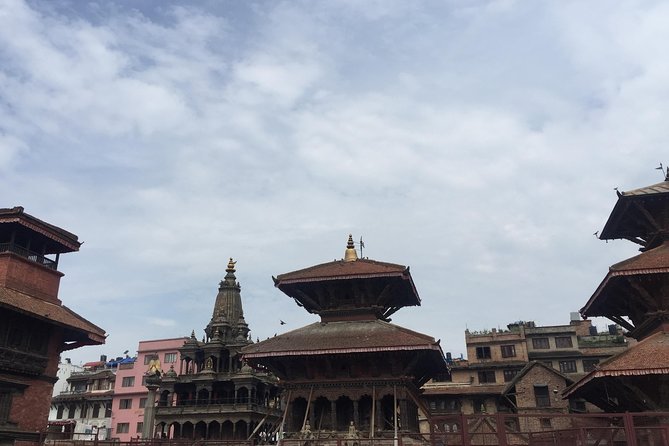
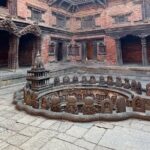
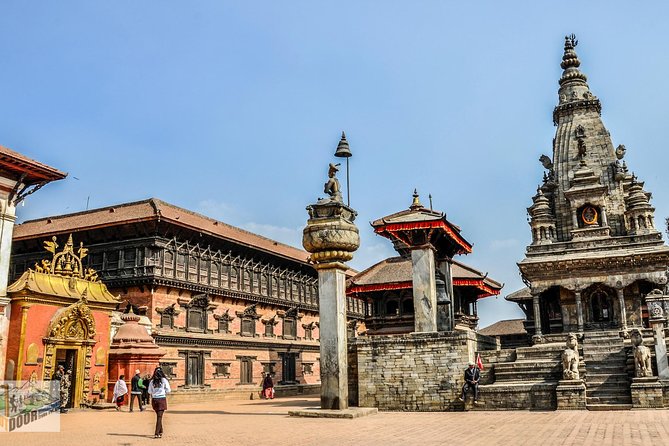
Your first stop is in Patan’s durbar square area, with a scheduled visit to Patan Museum (admission not included). Patan is often described as a city of fine art, and you feel that quickly when you’re surrounded by carved stone, metalwork traditions, and the sense that craftsmanship is part of the local identity.
What this stop gives you is a calmer start. Before you head into the busiest temple complexes, you get a heritage primer. If you like understanding where the city’s artistic styles come from, a museum stop helps you see details you might otherwise miss when you only have eyes for the big stupa or the biggest temple gate.
The drawback is simple: museum time is still museum time. If the main thing you want is outdoor temple views, you might wish you had more hours outside. But as an introduction, it sets the tone and can make the later religious stops click faster.
Pashupatinath Temple: Shiva, cremation tradition, and respectful viewing
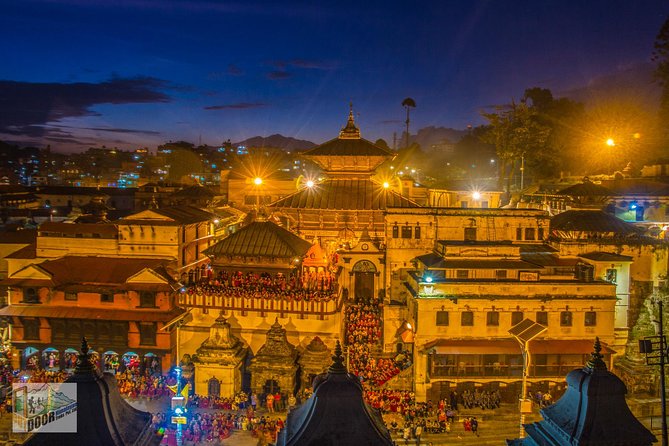
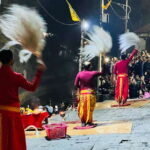
Then you move to Pashupatinath Temple, one of the holiest Hindu sites for people from across the world. It’s dedicated to Lord Shiva, and the tour schedule notes that you can see the live cremation process according to Hindu tradition (admission not included, and the viewing is subject to what’s happening on the day).
This stop is powerful, and it’s not the kind of place where you can treat your visit like a theme park photo moment. The value of going with a guide is huge here. A good explanation turns what might feel like shock or confusion into understanding. You also get a buffer for questions, because the rituals and the space have context.
The practical reality: crowds and ritual timing matter. Even with a planned one-hour visit, you may not control how long you can stand at any one spot. If you’re sensitive to uncomfortable scenes, keep that in mind ahead of time. If you can handle intense moments and you want to understand what you’re seeing, this is one of the strongest stops of the entire day.
Boudhanath Stupa: a giant stupa, Tibetan Buddhism, and terrace breaks
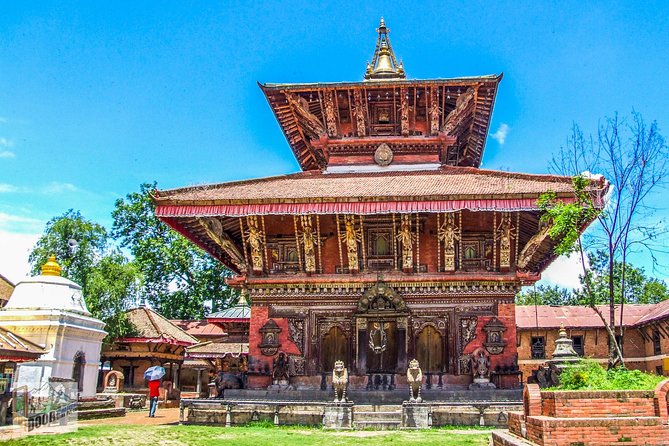
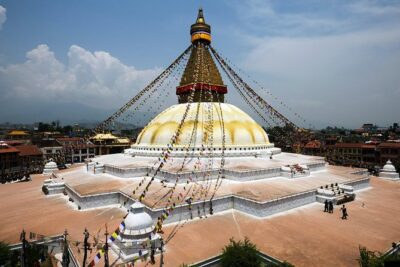
Next is Boudhanath Stupa, described in the tour as one of the largest stupas in the world. This is where Buddhist culture takes the spotlight. The route notes monasteries and traditions linked to Tibetan Buddhism, and it also points out something practical: terrace restaurants around the stupa complex where you can have meals.
That matters because meals aren’t included in the tour price. So this stop is one of your best built-in opportunities to eat without turning the day into a side quest. Even if you only grab a snack or a drink, having food options right at the complex is a real time-saver.
What I like about Boudhanath as a mid-to-late day stop is how the space works. It’s not just a single sight; it’s a living environment with smaller religious areas around it. A guide helps you connect what you’re noticing—movement, prayer styles, and the layered meaning of stupa-centered worship—so you’re not just photographing a big landmark.
The consideration: this can be busy, and it can be slower to move through crowded areas. One hour can still feel short if you want to sit and watch. If you’re someone who loves lingering, plan to be flexible and let your guide guide where you should stand and when.
You can also read our reviews of more historical tours in Kathmandu
Swayambhunath Monkey Temple: viewpoints, the Hindu-Buddhist connection, and sunset patience
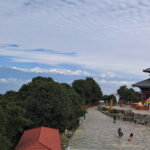
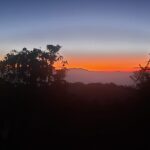
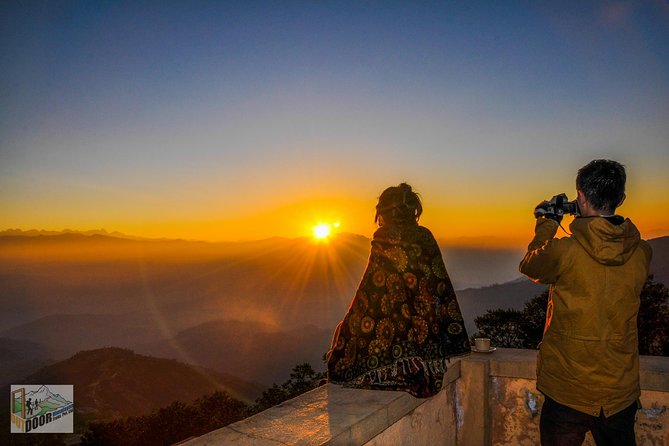
Your final major stop is Swayambhunath, also known as the Monkey Temple. The tour notes an area where Hinduism and Buddhism share space and symbolism, and it also mentions that on a clear day you can wait for a sunset view from the top of the stupa complex.
This is the stop that often changes a day from informational to memorable. The walking and viewpoint payoff can feel worth it, especially near sunset when the light shifts and the valley layout becomes easier to read.
One thing to think about: the tour is weather-dependent in the broader sense, and the sunset piece is only as good as the sky that day. If the view doesn’t cooperate, you’ll still see a significant sacred complex, but you may not get that sky-to-city gradient effect people talk about.
Price and what $60 actually buys you
At $60 per person, this is positioned as a private day tour with real inclusions: a private air-conditioned coach, an English-speaking professional guide, and water bottle per person. Parking, road tax, fuel, and insurance are also part of the package.
What’s not included is equally important for value: tickets at the sites and food/drinks. That means your true day cost will depend on how much you eat and which tickets apply at each stop.
So here’s the value lens I’d use: if you were to do this itinerary on your own, you’d still spend on transportation, and you’d likely lose a chunk of time figuring out entrances, meanings, and what to prioritize. Paying for a guide is what turns four famous names into an actual understanding of Hindu and Buddhist practice, including the notes around rituals and the culture you’re seeing.
Also, group discounts are mentioned. If you’re traveling with friends or family, you may find the per-person value improves. With a private format, that can matter more than it would on a shared group bus tour.
Service quality: professionalism that makes the day easier
Three reviews show a consistent theme: strong professionalism and good care. One standout note praises Ram and his team for being experienced and for going beyond the call of duty to make sure clients were catered to.
Another review credits Badri for delivering the best experience across a 6-day Nepal trip, and it specifically mentions Crisna as the Kathmandu guide. The feedback highlights deep help and respect for what the group wanted to learn, not just generic facts poured out on autopilot. That aligns perfectly with how this tour is structured: lots of sacred context, plus a tight time schedule.
What I’d take from this for your expectations: you’re paying for more than driving. You want someone who can answer your questions and keep the day from feeling like a rushed stamp collection. Based on the service praise tied to names like Ram, Badri, and Crisna, that’s a reasonable expectation.
Who this private tour suits best
This tour fits you best if:
- you’re on a first visit and want a fast, guided overview of Kathmandu Valley’s UNESCO sacred sites
- you want both Hindu and Buddhist perspectives in one day
- you like having a schedule, but still want a guide to explain what you’re seeing
- you prefer a private setup rather than spending the day negotiating with strangers and mixed interests
It may not be ideal if:
- you want to spend long hours at each site with no time pressure
- you’re planning to do everything without paying attention to site etiquette and crowd flow
- you dislike intense rituals or scenes, since Pashupatinath includes notes about live cremation viewing
Should you book this 4-site Kathmandu UNESCO tour?
I’d recommend booking it if you want a guided, efficient introduction to major UNESCO landmarks without getting stuck on the logistics puzzle. The combination of private transfers, an English-speaking guide, and structured time at each stop makes it a strong value for most first-timers—especially because admission and meals aren’t included, so you’ll control those parts of the day instead of paying for what you may not eat.
If you’re the type who needs unlimited wandering time or you’re extremely sensitive to emotionally heavy ritual scenes, you might choose a slower plan. But if you want context, clear pacing, and the chance to see iconic sacred spaces like Pashupatinath, Boudhanath, and Swayambhunath in one shot, this is a practical way to do it.
FAQ
What is the duration of this tour?
The tour runs for about 5 to 7 hours total, with approximate transfer times depending on traffic.
Is this tour private?
Yes. It’s a private tour/activity, and only your group participates.
Does the price include the tour guide?
Yes. A professional English-speaking tour guide is included, along with the guide’s salary, meals, and insurance.
Can I request a guide who speaks a language other than English or Nepali?
Yes. A guide with different languages is available for an additional cost of USD 15 per group.
Is hotel pickup included?
Pickup is offered. The tour also lists Outdoor Himalayan Treks on Thamel Marg as the start meeting point.
Are admission tickets included for the sites?
No. Admission tickets are not included.
Are meals included?
No. Food and drinks are not included, and lunch is not included.
What’s included in transportation?
You get a private air-conditioned coach as per group size, including the driver, road tax and parking, fuel, and insurance.
What documents do I need on the day of travel?
A current valid passport is required on the day of travel.
Are there any weather-related considerations?
Yes. This experience requires good weather. If it’s canceled due to poor weather, you’ll be offered a different date or a full refund.