Tiger’s Nest in four days? Yes, really. This quick Paro-based trip mixes big spiritual sights with a real hike, plus everyday Bhutanese culture through monasteries and a farmhouse homestay, all under the country’s Gross National Happiness approach.
I like how much you get without feeling rushed. With pickup, round-trip airport transfers, a licensed English-speaking guide, and all meals included, you spend your energy on the places instead of the logistics. I also like the human side: in past trips, guides such as Norbu and Sangay Choezom were described as friendly and professional, and the day-by-day plan has room to adjust to your pace.
One consideration: the Tiger’s Nest hike is a serious block of time, listed as 5 hours, and some attraction entry fees are not included (while others are). If you’re not comfortable walking uphill for that long, it’s worth thinking hard before booking.
In This Review
- Key points I’d plan around
- Why Paro Is the Right Base for 4 Days in Bhutan
- Day 1 in Paro: National Museum, Rinpung Dzong, Buddha Dordenma, and Weaving
- Day 2 Thimphu Stops: Memorial Chorten, Changangkha Lhakhang, Postal Museum, Zorig Chusum, and Archery
- Day 3 Tiger’s Nest Hike and Sonam’s Homestay
- Food, Hotels, and Transport: What You’ll Really Get for the $1,210
- Guide Quality and the Small-Group Advantage
- Price Check: Is This 4-Day Plan Good Value?
- Practical Considerations Before You Go (Flights, Visa, and Timing)
- Should You Book This 4-Day Discover Bhutan Trip?
- FAQ
- What’s included in the tour price?
- Is the Tiger’s Nest visit a hike, and how long is it?
- What are the main sights on Day 1 in Paro?
- What’s included on Day 2 in Thimphu?
- How many people are in the group?
- Do I need to buy travel insurance?
- How far in advance can I cancel?
Key points I’d plan around
- Tiger’s Nest timing is built in: expect a long hike day with about a 5-hour window.
- Meals and 3-star hotels are included, which is big value for a short Bhutan trip.
- Thimphu culture in one day: chortens, lhakhangs, a postal museum stop, and archery ground viewing when a match is on.
- Homestay adds a real-life rhythm with an included visit length of about 3 hours, and you can opt into a hot stone bath if you want.
- Small group size (max 12) tends to make it easier for your guide to manage pacing and questions.
Why Paro Is the Right Base for 4 Days in Bhutan
Paro is the entry point that keeps this tour doable. You land at Paro International Airport, meet your guide and driver, and then you mostly stay in the Paro area for Day 1—then branch out to Thimphu on Day 2, before returning to Paro for the Tiger’s Nest hike day (Day 3). In practical terms, that saves you from long, constant hotel changes.
You’ll also feel how Bhutan balances tradition with change. Even in a short timeline, you see places that are clearly spiritual and old—dzongs, lhakhangs, prayer circuit landmarks—plus newer national institutions like a weaving center and the National Postal Museum. The trip is designed for people who want meaning, not just photos.
You can also read our reviews of more tours and experiences in Paro
Day 1 in Paro: National Museum, Rinpung Dzong, Buddha Dordenma, and Weaving
Day 1 is your warm-up day in Paro, and it’s packed with variety. You start with the National Museum (about 1 hour, and the admission ticket is included). This is a useful start because it gives you context for what you’ll see later: Bhutan’s religious life, artistic traditions, and the logic behind many of the architecture choices you’ll meet along the way.
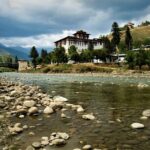
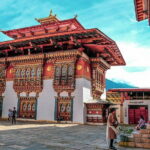
Next is Rinpung Dzong, often called the fortress of the heap of jewels. It’s an administrative and monastic center built in 1646 by Zhabdrung Ngawang Namgyel. You’ll spend about 45 minutes here. Admission isn’t listed as included for this stop, so if you’re budgeting tightly, treat this day as “tickets vary by stop.”
After that comes a quick change in mood: Buddha Dordenma, a bronze statue described as 169 feet tall, on a hilltop at Kuensel Phodrang overlooking the Thimphu valley. You get about 45 minutes. This isn’t just sightseeing. A hilltop view like this helps you understand the geography that shapes Bhutanese life—towns sit in valleys, monasteries perch above, and travel routes follow the terrain.
Then you finish with something hands-on and tactile: Gagyel Lhundrup Weaving Centre (about 45 minutes, and admission is included). Seeing weaving work up close gives you a better read on Bhutan beyond architecture. If you’ve ever wondered why textiles matter so much in Bhutan, this is one of your easiest entry points.
What could slow you down on Day 1? The drive times and short stop lengths mean you’ll be in and out of vehicles often, so it helps to travel light and keep your layers easy to reach.
Day 2 Thimphu Stops: Memorial Chorten, Changangkha Lhakhang, Postal Museum, Zorig Chusum, and Archery
Day 2 is where Thimphu shifts from a name on your map into a place with daily habits. You start at National Memorial Chorten (about 30 minutes). This is a busy religious site, and you’ll see people from different walks of life doing circumambulation and prayers. Even if you don’t follow the ritual exactly, you’ll get the feel of how spiritual practice fits normal life.
Then you head to Changangkha Lhakhang, on a hilltop above town (about 45 minutes). Built in the 13th century by Lama Drugom Zhigpo, it connects you to the long timeline of Bhutan’s religious learning. The hilltop location makes this a good stop for views and for that “Bhutan is built upward” feeling—town, valley, and sacred sites all stacking in layers.
A quick pivot follows: Bhutan Postal Museum. The listed time is short—about 1 minute—but this is a fun stop if you like stamps and printed history. The tour notes you may want to print stamps with your own photos. It’s small, but memorable in a practical, low-effort way.
Next is the National Institute for Zorig Chusum (about 45 minutes), focused on preserving thirteen traditional arts and crafts. If you’re the kind of person who wants to understand the meaning behind what you see, this helps. It also explains why you’ll notice so many crafts taught formally instead of only being family secrets.
After lunch, you pass Changlimithang Stadium & Archery Ground (about 30 minutes), and you’ll watch archery only if a match is in progress. The tour mentions archers hitting targets from a distance of 14 (the listing cuts off the unit), and the vibe here is part sport, part tradition, with a celebratory feel when shots land.
You end the day near the Paro/Thimphu orbit at Kyichu Lhakhang (about 30 minutes). It’s one of the oldest monasteries in Bhutan, believed built in 659 A.D. by Songtsen Gampo to subdue local forces. Stops like this matter because they show how Bhutanese Buddhism connects stories, politics, and place.
Day 2 pacing reality check: this is your longest sequence of “places in a row.” If you get tired easily, plan to take in fewer details per stop and just soak up the atmosphere instead of trying to memorize every fact.
Day 3 Tiger’s Nest Hike and Sonam’s Homestay
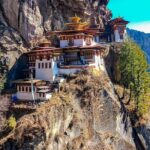
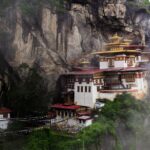
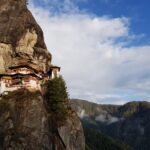
This is the day most people plan around, and it’s built around the Paro Taktsang (Tiger’s Nest) hike, listed as 5 hours. Taktsang was originally built in 1692 and is perched on a cliff face. The hike is the main event, and the time block tells you to expect effort.
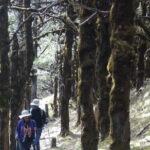
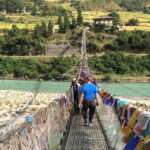
Here’s how I suggest you approach it so it doesn’t feel like punishment: focus on steady steps and stop for small moments of view rather than racing to the top. Bhutan tends to reward slower attention—look at prayer flags, notice how paths follow the ridges, and take breaks without feeling rushed. If your body is not a fan of long uphill walks, this is the day that will test that.
In late afternoon, you shift away from the landmark and into a lived experience: Sonam’s Homestay (about 3 hours, with admission included). The idea is to see traditional Bhutanese farmhouse life. The tour also says you can opt in to a traditional hot stone bath if you’re interested—worth considering if the hike leaves you stiff.
One good thing about ending Day 3 with a homestay: you get a “people Bhutan” feeling, not only “monuments Bhutan.” Even if your time there is structured, it’s still the closest you’ll get to normal rhythm: food, conversation, and daily routines rather than visitor paths.
Food, Hotels, and Transport: What You’ll Really Get for the $1,210
This tour is priced at $1,210 per person for about 4 days / 3 nights, and the value comes from what’s wrapped into the price.
You get:
- All meals (breakfast, lunch, dinner) plus light snacks for the trip length shown
- Twin-sharing accommodations at 3-star hotels certified by the Tourism Council of Bhutan
- All ground transportation, including round-trip airport transfers
- An experienced English-speaking licensed tour guide
- Medical treatment at a hospital in Bhutan if you sustain injuries while in Bhutan
- Internal taxes for the services listed
That matters because Bhutan can be difficult to DIY. With no public transportation nearby (explicitly noted), you don’t want to fight scheduling on your own. A bundled plan also helps you avoid the “small costs that add up” problem—entry tickets that vary by stop, food choices, and last-minute transport.
One thing to note: alcoholic beverages, laundry, and phone charges aren’t included, and you’ll want travel insurance even though you’re covered for certain medical care within the tour structure. For me, that’s the right trade: you’re protected for basic emergencies, but you’re still responsible for your overall travel safety planning.

Guide Quality and the Small-Group Advantage
The tour is capped at a maximum of 12 travelers, and that’s not just a number. In a place where vehicles, entry timing, and site flow all depend on real-world logistics, smaller groups make it easier for your guide to keep things moving without ignoring you.
The style of service also shows up in the guide names attached to past experiences. I’ve seen reports highlighting guides like Norbu, Sangay Choezom, and others (along with drivers such as Dawa Zangmo) for being helpful and professional. When a guide can explain what you’re seeing in plain language and adjust the pace when needed, your day feels less like a checklist and more like a coherent story.
Also, pay attention to how the tour is framed: it aims to show the mindful Buddhist way of life and how Bhutan earned the nickname Kingdom of Happiness through values like Gross National Happiness. Your guide is the bridge between that message and what you actually observe at each stop.
Price Check: Is This 4-Day Plan Good Value?
Let’s talk value, not just cost.
For $1,210, you’re getting a complete short Bhutan circuit focused on Paro and Thimphu: museum and dzong in Paro, a full Thimphu day of religious and cultural sites, the Tiger’s Nest hike day, plus a homestay. You also get bundled basics—hotels, meals, guide, and transfers. In countries where you pay separately for guides, transport, and daily meals, that sort of package becomes harder to replicate at a similar price point.
Where value can weaken is if you’re the kind of traveler who wants lots of free time and no structure. This itinerary is designed for a tight schedule and set stop durations. It’s also not an alcohol-included plan, so if you drink often, your real spend may rise.
Still, if you’re short on time and you want to hit the highest-impact Bhutan experiences with less friction, this looks like a strong deal—especially because flights into Bhutan can be tricky and planning stress is real.
Practical Considerations Before You Go (Flights, Visa, and Timing)
Bhutan planning has two big moving parts: your international flights and your e-visa.
Flights: The tour notes there are only two airlines that connect Bhutan with the outside world, which can make bookings tricky in peak months. Cities listed include Bagdogra, Bangkok, Delhi, Dhaka, Guwahati, Kathmandu, Kolkata, and Singapore. The advice is clear: book international flights a few months in advance, especially in March to May and September to November.
Visa: The tour includes visa fee & processing. You receive an e-Visa within 4–5 business days, and confirmation depends on you sending clear passport biodata pages (including the machine-readable zone). Passports should have minimum 6 months validity from your Bhutan departure date. You’ll also want to check visa rules for your next destination after Bhutan, since that can affect your passport choice.
No public transport nearby: You should expect to rely on transfers organized by the tour. That’s not a downside so much as it’s the reality of the routing.
Hike day fitness: Day 3 includes a 5-hour hike. This doesn’t mean you need to be an athlete, but you should be prepared for steady walking and uphill terrain.
Tipping: Tips to guide and driver aren’t included, so you’ll want to budget for that.
Should You Book This 4-Day Discover Bhutan Trip?
Book it if you want a structured, high-value introduction to Bhutan that covers Paro + Thimphu + Tiger’s Nest in a tight timeline, and you’d rather focus on the sites than on arranging daily transport and meals. The bundled inclusions (meals, hotels, guide, and transfers) help make Bhutan feel “manageable” for a short trip.
Pass or look for a different format if you dislike long walking days or you want lots of independent time. Also, if you’re the kind of traveler who needs every attraction’s entry details to be fully spelled out in advance, double-check which stops list admission included versus not included.
If your main goal is to understand Bhutan through sacred architecture, local crafts, daily prayer rhythms, and that signature hike day, this is a smart way to spend four days.
FAQ
What’s included in the tour price?
The tour includes visa fee & processing (e-Visa), all meals (breakfast, lunch, dinner) and light snacks, twin-sharing accommodations at 3-star hotels certified by Bhutan’s Tourism Council, all ground transportation including round-trip airport transfers, an experienced English-speaking licensed guide, entry fees for the included stops, and medical treatment at a hospital in Bhutan if you’re injured.
Is the Tiger’s Nest visit a hike, and how long is it?
Yes. Day 3 includes a hike to Paro Taktsang (Tiger’s Nest). The listed duration is about 5 hours. Admission ticket is listed as not included for this stop.
What are the main sights on Day 1 in Paro?
Day 1 includes the National Museum (admission included, about 1 hour), Rinpung Dzong (about 45 minutes, admission not included), Buddha Dordenma (about 45 minutes, admission not included), and Gagyel Lhundrup Weaving Centre (about 45 minutes, admission included).
What’s included on Day 2 in Thimphu?
Day 2 includes National Memorial Chorten (about 30 minutes), Changangkha Lhakhang (about 45 minutes), Bhutan Postal Museum (about 1 minute), National Institute for Zorig Chusum (about 45 minutes), Changlimithang Stadium & Archery Ground (about 30 minutes, admission included), and Kyichu Lhakhang (about 30 minutes). Admission is listed as not included for several of these stops.
How many people are in the group?
This tour has a maximum group size of 12 travelers.
Do I need to buy travel insurance?
Travel insurance is not included, but it’s highly recommended. The tour does include medical treatment at a hospital in Bhutan if you sustain injuries while in Bhutan.
How far in advance can I cancel?
You can cancel up to 6 days in advance for a full refund. If you cancel 2–6 days before the start time, you get a 50% refund. Less than 2 days before the start time is not refunded.