REVIEW · KATHMANDU
All Nepal Tour
Book on Viator →Operated by Above the Himalaya Trekking · Bookable on Viator
Kathmandu to jungle in 10 days. That’s the big draw: you get a well-paced mix of ancient temples, World Heritage stops, and real-nature time in Chitwan. I particularly like the airport/hotel transfers by private vehicle and the fact that Chitwan comes with the jungle program support (guide, permits, and planning). One consideration: the package is clear that lunch and dinner in Kathmandu, Lumbini, and Pokhara aren’t included, so you’ll want to budget and confirm which meals your voucher covers.
The itinerary also fits travelers who want structure without feeling locked in. You’ll have guided time in Kathmandu, Pokhara, and Lumbini, plus a mix of local bus legs between big regions. I also appreciate the human touch that shows up in guide staffing—Kathmandu guide Ajay is called out for friendly, real-life local access, and the company owner Puru/Puruji is repeatedly mentioned for professional, personal organization.
Finally, the tour caps at a maximum of 15 travelers, so you’re not stuck in a huge herd. Still, this is Nepal in motion: expect travel days and some long sits on buses/vehicles, and start times are listed as early (the published start time shows 12:15 am), so you’ll want to double-check your pickup time the day before you go.
In This Review
- Key highlights that matter on the ground
- Nepal in 10 days: what this route actually gives you
- Kathmandu with a real guide: temples, daily life, and smart pacing
- Pokhara: moving from city intensity to mountain atmosphere
- Lumbini: respected pacing at a World Heritage site
- Chitwan jungle program: permits, a nature guide, and wildlife reality
- Weather guide: when your Annapurna views and comfort will align
- Price and value at $1,290: what you’re really paying for
- How the group size changes your experience
- Tickets, transfers, and the small details that prevent headaches
- Who this tour suits best (and who should think twice)
- Should you book All Nepal Tour?
- FAQ
- How long is the All Nepal Tour?
- What cities and regions does the tour visit?
- What is the price of the tour?
- Is pickup included?
- What transportation is used during the tour?
- What meals are included?
- Is there a guide for the sightseeing parts?
- How many people are in the group?
- Do I need a visa for Nepal?
- What about weather and mountain visibility?
Key highlights that matter on the ground
- Small group (up to 15 travelers) means a calmer pace and easier guide questions.
- Guided culture in Kathmandu, Pokhara, and Lumbini with an expert local guide, not just drop-off sightseeing.
- Chitwan jungle planning with permits and a nature guide, so you’re not figuring out logistics on your own.
- Weather-targeted timing windows (autumn and spring are best for clear mountain views).
- A welcome/farewell Nepali dinner in Kathmandu, so the trip has a social anchor beyond sightseeing.
Nepal in 10 days: what this route actually gives you
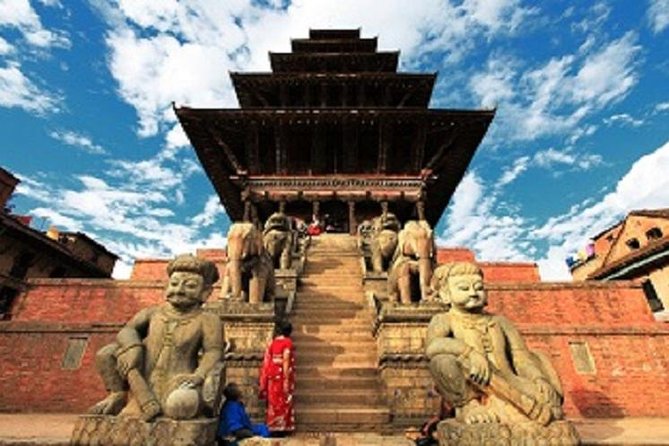
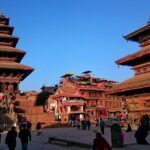
This is a classic Nepal sampler that strings together four very different moods: Kathmandu’s sacred history, Pokhara’s lakes-and-hills viewpoint energy, Lumbini’s quiet significance, and Chitwan’s wildlife-and-river-wildness setting. In other words, you’re not just collecting photos. You’re getting contrasts—stone temples, mountain scenery, birth-site reverence, then thick jungle.
The value here is in the way the days are packaged. You have hotel accommodations with breakfast throughout, guided sightseeing in key cities, and the major inter-city movement arranged (private vehicle transfers at the ends, and local/tourist bus legs between regions). For many people, that’s what turns Nepal from a “someday” plan into something you can actually finish without chaos.
The one thing I’d plan around is time management. Ten days is enough to see a lot, but not enough to slow down like a long stay. If you hate early mornings, or you want maximum downtime, you’ll need to mentally budget for transit days.
You can also read our reviews of more tours and experiences in Kathmandu.
Kathmandu with a real guide: temples, daily life, and smart pacing
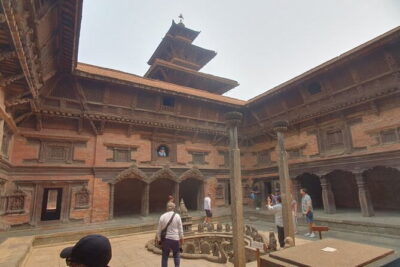
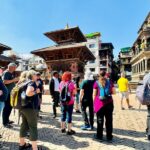
Kathmandu is where your trip earns its depth. The tour includes guided time in Kathmandu with an expert guide and a private vehicle for getting around. And the reviews reinforce what you’re aiming for in a city like this: seeing landmarks is only half the game. The other half is understanding the rhythms—why people dress a certain way at temples, how neighborhoods work, and what daily life looks like when you’re not stuck behind a tour bus schedule.
A name that comes up in the tour feedback is Ajay, highlighted as friendly and very good at helping visitors experience authentic daily life. That matters because Kathmandu can overwhelm you fast: traffic noise, crowds at holy sites, and information overload. A guide who helps you slow down and interpret what you’re looking at can turn a chaotic city into a story you can follow.
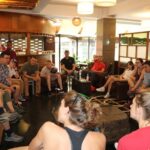
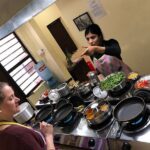
You also get a welcome/farewell Nepali dinner in Kathmandu. That’s not just food—it’s a useful moment to compare notes, ask guide questions for the rest of the trip, and feel like you’re part of something rather than only watching.
Practical tip: Kathmandu nights can be busy. If your camera batteries are dramatic, charge them before you go out—because “quick stops” in Kathmandu can turn into “we just found one more place” stops.
Pokhara: moving from city intensity to mountain atmosphere
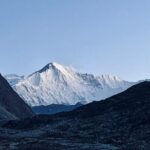
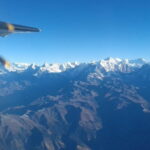
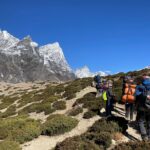
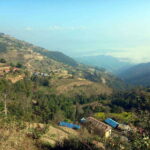
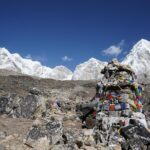
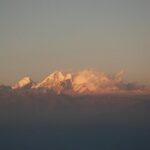
Pokhara is included with guided sightseeing, plus transportation arranged from Kathmandu to Pokhara. This is the part of the route where Nepal’s scenery starts doing the heavy lifting. Even if you’re not chasing a trekking route, Pokhara is where the trip shifts into slower landscape appreciation—views of the Annapurna region are part of what the tour promises, and that’s the emotional payoff for a lot of visitors.
The tour’s transportation approach is flexible. It notes private car/van depending on group size, and also makes clear that tourist bus/transport options exist for longer drives. In practice, that means you’ll likely spend some hours on the road, then be rewarded with a change of pace once you arrive.
What I like about including Pokhara (instead of treating it as a quick stop) is that it gives you a buffer. You can handle a travel day into Pokhara and still have time for guided viewing rather than racing straight to the next checkmark.
Consideration: mountain visibility is not guaranteed. The tour’s seasonal notes (autumn and spring being best) are there for a reason. If you go in a less clear window, you may see more clouds than peaks.
Lumbini: respected pacing at a World Heritage site
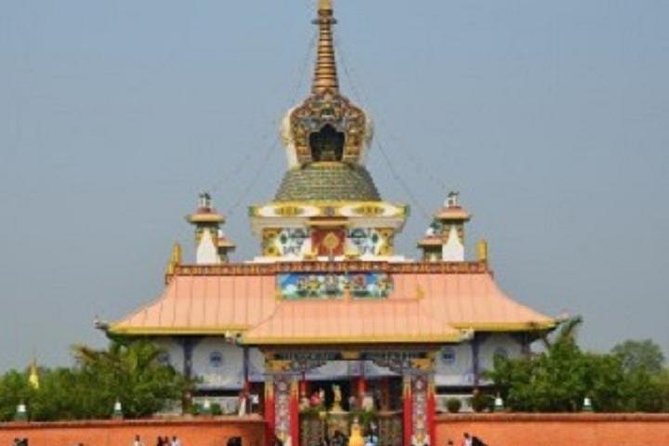
Lumbini is part of the route for a reason: it’s one of those places that doesn’t need hype to land. The tour includes guided time in Lumbini and transportation into the region (Pokhara to Lumbini). You’re not just moving through—there’s planned time to learn and see in a way that fits the site’s significance.
From a traveler standpoint, Lumbini often works best when the pace is steady and the guide explains the layers: where you are, what happened there, and how modern pilgrims interact with the space. Since the tour includes an expert guide for the cultural segments, you’re set up for more meaning than a quick walk-through.
Budget note: lunch and dinner in Lumbini are listed as not included, while breakfast is included through the hotel package. The welcome/farewell dinner in Kathmandu is included, but once you’re in Lumbini, you should expect to pay your own lunches and dinners unless your specific itinerary packet says otherwise.
Chitwan jungle program: permits, a nature guide, and wildlife reality
Chitwan is where your trip gets physical—just not in a hardcore trekking way. The tour includes a jungle program (described as included) with a nature guide and jungle permits. That’s a big deal in Chitwan because it’s easy to waste time if you’re hunting for the right entry permissions and local program details once you’re already there.
This is also the area where you should keep expectations grounded. Wildlife sightings are never 100% guaranteed. But what you can control is how prepared you are and whether the program is set up properly. Having the permits handled and a nature guide along means you’ll spend your time observing and asking smart questions, not scrambling.
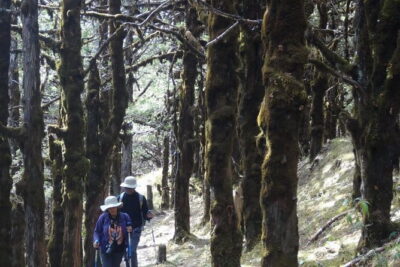
Practical mindset: dress for the outdoors and expect changing weather. Even during “pleasant” seasons, jungle areas can feel humid, and the ground can be uneven. If you’re the type who hates getting your clothes sweaty, Chitwan will still be worth it—just pack with realism.
Weather guide: when your Annapurna views and comfort will align
The tour provides a clear seasonal guide with temperature ranges and sky conditions. That’s not filler; for Nepal, weather is the difference between peak views and gray “almost there” days.
- September to November (autumn): “pleasant and clear” mountain views are the best. Max around 30°C, min around 2°C.
- March to May (warmest months): mildly warm. Max around 33°C, min around 13°C.
- December to mid-February (winter): cold but skies are described as clear. Max around 19°C, min around -2°C.
- June to August (summer/rainy season): expect heat and rain, with July/August having more rain. Max around 34°C, min around 19°C.
How I’d use this: if seeing Himalayan scenery is a core reason for booking, aim for autumn or spring. If you’re okay with mist and want fewer crowds (often), winter can work too, but plan for real cold mornings and cooler evenings.
If you go in monsoon months, you’ll still have a trip—but be ready for rain affecting sightlines, road conditions, and how long you’ll want to be outside.
Price and value at $1,290: what you’re really paying for
At $1,290 for about 10 days, this tour isn’t trying to be the cheapest option on the board. You’re paying for structure: guided segments, hotel accommodation with breakfast, organized inter-city movement, and included Chitwan support (nature guide and permits). In destinations like Nepal, those pieces can quietly cost more than you expect when you price everything separately.
Here’s where the value is strongest:
- Transfers by private vehicle (airport/hotel/airport) remove a lot of stress on arrival and departure.
- Hotels with breakfast throughout makes daily budgeting easier.
- Guided touring in multiple cities saves you from booking guides city-by-city.
- Chitwan logistics (permits + nature guide) are handled.
Where the value can feel less tidy:
- The package notes lunch and dinner in Kathmandu, Lumbini, and Pokhara are not included. That can add up, especially if you’re trying to eat comfortably in cities every day.
- City sightseeing entry fees aren’t listed as included. Some places may require separate tickets.
One practical way to judge value: if you’d otherwise spend time and money arranging transport, guides, and permits on your own, this price starts to look reasonable fast. If you prefer total DIY control and already have guides lined up, then you might find a cheaper route—just know you’ll likely trade money for hassle.
Also, there’s a small extra perk: an Above the Himalaya gifts item is included (t-shirt for gents and a pashmina shawl for ladies).
How the group size changes your experience
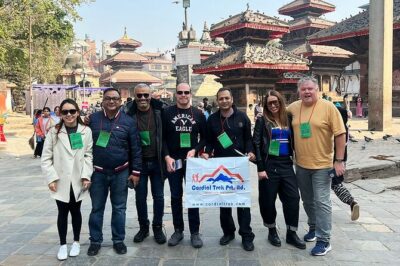
This tour runs with a maximum of 15 travelers. That’s a sweet spot. Large enough to have energy and a small enough group that guides can manage pacing and questions without feeling like a school field trip.
You’ll also likely feel the difference in logistics. Private vehicle planning depends on group size, so with a smaller group you’re more likely to get a smoother transfer setup compared with a big, mixed-speed crowd.
If you’re traveling as a family or with older relatives, the review feedback supports that guides can find hikes and adjust to needs in Nepal trips generally. For this specific 10-day cultural route, the broader takeaway is that the company emphasizes practical support rather than one-size-fits-all touring.
Tickets, transfers, and the small details that prevent headaches
A few logistics points stand out because they affect how smoothly your first day goes:
- Pickup is offered, with airport/hotel/airport transfers by private vehicle.
- Mobile ticket is included (useful for quick access on your phone).
- A printed “start time” is listed as 12:15 am. That’s very early, and it may refer to an internal schedule for pickup coordination rather than what you personally should be awake for. Either way: confirm your actual pickup time in local terms before you rely on that number.
What to bring:
- A passport with at least 6 months validity from your return date.
- Extra passport-sized photographs are mentioned for trekking permits (even if your trip isn’t a trek, the company’s paperwork list does mention photos, so follow their request).
- Travel insurance is required, with coverage for medical, personal accident, emergency evacuation, trip cancellation, lost gear, natural calamity, theft/damage of baggage, and more.
Travel insurance is one of those “not romantic but very real” requirements. In Nepal, weather, altitude exposure on some routes, and long roads can turn minor problems into bigger ones. Having the right coverage lets you focus on the trip.
Who this tour suits best (and who should think twice)
This tour is a good match if you want:
- A structured 10-day Nepal plan without doing a bunch of planning yourself.
- A blend of cultural sightseeing and a nature/wildlife day rather than only temples or only mountains.
- Guided support with a company that leans on personal service, with strong emphasis on Kathmandu guide Ajay and owner Puru/Puruji for organization.
It may not be ideal if:
- You want every meal included. Lunch and dinner in Kathmandu, Lumbini, and Pokhara aren’t included in the provided info, so you’ll pay out of pocket.
- You can’t handle transit. The itinerary includes long road legs (including local/tourist buses). You’ll be traveling.
- You’re going during weather windows that are less clear. The tour’s own weather notes point to autumn/spring as best for mountain viewing.
Should you book All Nepal Tour?
If your goal is a balanced Nepal taste—temples and heritage plus Pokhara scenery plus a real Chitwan jungle day—this tour is an easy “yes, consider it.” The value comes from what’s handled for you: transfers, hotels, guided segments, and the Chitwan program logistics.
Before you book, do two quick checks:
- Confirm meal coverage in your final voucher, since the package says all meals are included but also flags lunch/dinner in cities as not included.
- Verify your actual pickup time since the start time shown is very early.
If you like organized days with real local guidance—and you don’t mind some travel between regions—this is a strong way to see Kathmandu, Pokhara, Lumbini, and Chitwan in one clean package.
FAQ
How long is the All Nepal Tour?
It’s listed as 10 days (approx.), starting from arrival to departure.
What cities and regions does the tour visit?
It visits Kathmandu, Pokhara, Lumbini (spelled Lumbini/Lumbini in the details), and Chitwan.
What is the price of the tour?
The price is $1,290.
Is pickup included?
Yes. Airport/hotel/airport transfers are included by private vehicle, and pickup is offered.
What transportation is used during the tour?
Private car/van is used for some parts depending on group size, and Kathmandu to Pokhara and Pokhara to Lumbini to Chitwan are by tourist/local bus. Flights are mentioned as possible for long drives.
What meals are included?
Breakfast is included with hotel accommodation. A welcome and farewell Nepali dinner in Kathmandu is included. The details also state that lunch and dinner in Kathmandu, Lumbini, and Pokhara are not included, so confirm what your specific itinerary voucher covers.
Is there a guide for the sightseeing parts?
Yes. There is guided touring in Kathmandu, Lumbini, and Pokhara with an expert tour guide, plus a nature guide for the Chitwan jungle program.
How many people are in the group?
The tour has a maximum of 15 travelers.
Do I need a visa for Nepal?
The tour info says you can get a Nepal visa on arrival at the airport. It also lists visa costs of USD 25 for 15 days and USD 40 for 30 days (till date in the provided details).
What about weather and mountain visibility?
The tour notes September to November and March to May as the most pleasant/clear for mountain views. December to mid-February is cold but clear, while June to August is rainy, with more rain in July and August.