REVIEW · PARO
5 Days Glimpse of Bhutan
Book on Viator →Operated by Bhutan Acorn Tours and Travel · Bookable on Viator
Bhutan feels simpler with a guided plan. This 5-day route is built for first-timers: visa fees and e-Visa processing are included, you get an English-speaking licensed guide, and almost everything else is handled so you can focus on temples, crafts, and mountain mornings. My favorite part is how the trip mixes big “Bhutan icons” with day-to-day culture, from Thimphu’s arts-and-crafts training to Punakha Dzong and the Paro cliffside pilgrimage.
I also like the “no spreadsheet” convenience: entrance tickets for museums, national parks, and monuments are included, and you get all transportation with airport transfers. Still, the schedule has real walking and drive time, so plan for hikes that can run long on Day 3 and Day 4, especially the 4–5 hour Taktsang round trip.
In This Review
- Key points to know before you go
- Getting value from the $1,545 price tag
- Your Bhutan route in 5 days: the Paro–Thimphu–Punakha loop
- Day 1 in Paro and Thimphu: Ta Dzong, the National Museum, and Zorig Chusum
- Day 2 to Punakha: Buddha Dordenma, weaving culture, Dochula Pass, and temple highlights
- Day 3: Khamsum Chorten’s ridge hike, optional rafting, and Kyichu Lhakhang back in Paro
- Day 4: Paro Taktsang (Tiger’s Nest) and a village homestay dinner
- Day 5: a Paro airport viewpoint and a smooth finish
- The guide and group size: why small matters in Bhutan
- Practical notes that make or break your trip
- Should you book the 5 Days Glimpse of Bhutan tour?
- FAQ
- What’s included in the tour price?
- Is the visa fee included, and how long does it take?
- Do I need travel insurance?
- Are hotel rooms included, and what style are they?
- What hikes are part of the itinerary?
- Is rafting included?
- How big is the group?
- Does the tour include airport pickup or transfers?
- What about tips and alcoholic beverages?
Key points to know before you go
- Visa + e-Visa processing are included, so you’re not piecing it together at the last minute
- Small group size (max 12) helps keep days calm and questions answered
- Two major hikes: Khamsum Chorten (2.5-hour round trip) and Paro Taktsang (4–5 hours)
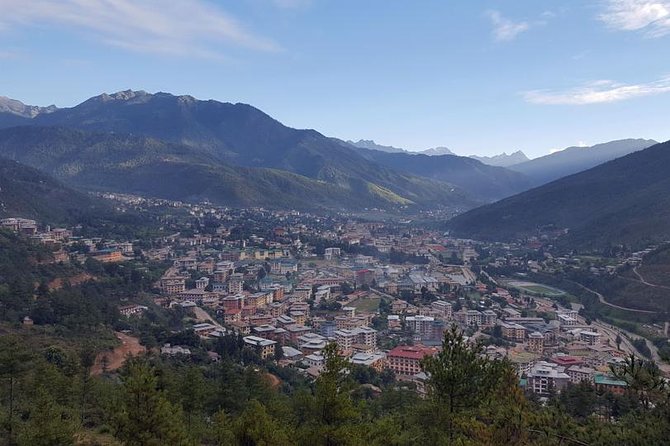
- Classic Western Bhutan stops in one loop: Paro → Thimphu → Punakha Valley → back to Paro
- Everything feels “covered”: entry fees, meals, and transport (including airport transfers) are included
Getting value from the $1,545 price tag
At $1,545 per person, this tour can look pricey until you map what’s actually included. Here you’re paying for a full package: meals (breakfast/lunch/dinner), twin-sharing 3-star hotels, airport transfers, all ground transport, and entry fees. On top of that, the cost covers visa fees and processing, with e-Visa delivery typically within 4–5 business days.
For many travelers, the real value is time and stress. Bhutan requires careful planning, and this itinerary is designed to avoid you doing the itinerary math. You’ll also want an English-speaking guide for more than comfort: Bhutan’s religious sites, craft centers, and temple rules make a lot more sense when someone explains them in plain terms.
You can also read our reviews of more tours and experiences in Paro
Your Bhutan route in 5 days: the Paro–Thimphu–Punakha loop
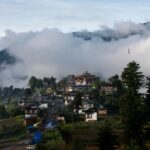
This trip takes you through Western Bhutan’s three main districts with Paro, Thimphu, and the Punakha Valley as the core. That matters because you get variety without needing to repack constantly or chase locations across the country.
You also get a good rhythm: museum and culture early, major spiritual landmarks next, then a return to Paro for the cliff-hugging finale. If you like your trips to feel efficient but not rushed, this pacing is built for you.
Day 1 in Paro and Thimphu: Ta Dzong, the National Museum, and Zorig Chusum
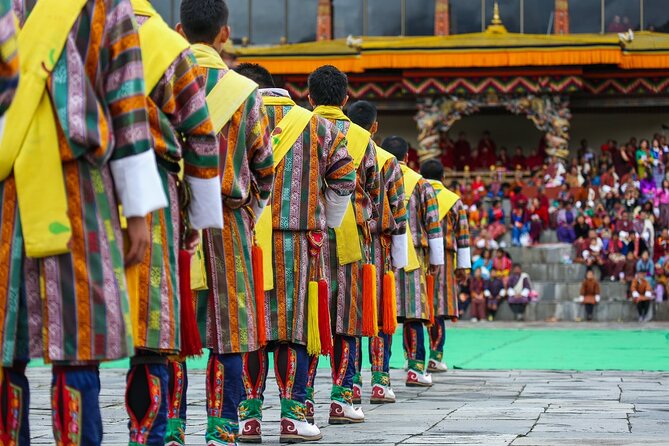
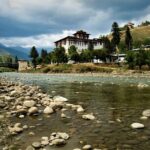
Day 1 starts the moment you land. After arriving at Paro International Airport, your guide and driver escort you and begin with Ta Dzong and the National Museum. This is a smart first-day choice because it gives context fast. Ta Dzong’s museum stop is an easy way to get oriented to Bhutan’s story before you start touring temples and city streets.
Then you head to Thimphu, the capital and the center for government, religion, and commerce. Thimphu is not a huge city, but it has energy. It’s the kind of place where you’ll notice how daily life and Buddhist values sit side by side.
The day ends with the National Institute of Zorig Chusum, focused on preserving the 13 traditional arts and crafts of Bhutan. This is more than a quick photo stop. It’s one of those experiences that helps you understand why crafts matter here: they’re part of cultural continuity, not just souvenir production.
A small practical note: the museum and institute visits are shorter blocks, so you’ll feel the day as a series of “turns” rather than one long attraction. That’s good on the first day when you’re still adjusting.
Day 2 to Punakha: Buddha Dordenma, weaving culture, Dochula Pass, and temple highlights
Day 2 is where the trip starts stacking iconic Bhutan experiences.
First up is Buddha Dordenma, the tall bronze sitting Buddha statue on a hilltop (the itinerary notes it as 169 feet tall). It’s a “wow” moment, but the real payoff is the perspective: you’re looking out while learning the religious meaning behind these kinds of monuments.
Next comes a cultural reality check at the Green Weaving Centre (GWC). You’ll see men and women weaving intricate designs and patterns. Even if you’re not into textiles, this gives you a grounded view of skill and labor. It’s also a chance to slow down after driving and sightseeing, because watching weaving is naturally patient.
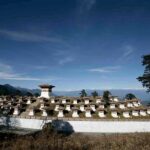
Then the itinerary goes to Dochula Pass at 3,150 meters. On a clear day, you get big mountain views. Start thinking in terms of layers here. At that elevation, weather shifts can happen quickly, and you’ll be glad you packed for it.
After the pass, you visit Chimi Lhakhang, often called the Temple of Fertility. It’s a notable stop because it shows how Bhutanese Buddhism includes compassion, blessing rituals, and community beliefs. You’re not just seeing a building; you’re seeing a living religious practice.
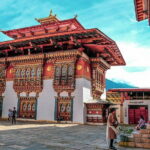
Then you reach Punakha Dzong, built in 1637 by Zhabdrung Ngawang Namgyel. The itinerary calls it the “Palace of Great Bliss,” and that name fits the vibe. Dzongs are dramatic, but they’re also functional religious and civic centers, so the atmosphere feels purposeful.
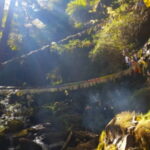
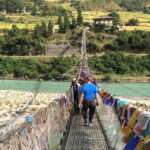
Finally, you get Punakha Suspension Bridge, spanning 160 meters over the Phochu River (male). This is a quick but satisfying finish: it gives you river views and a chance to stretch your legs after temple time.
One consideration for this day: it’s packed with multiple stops, so you’ll want to keep your energy steady. You won’t be spending hours in any one place, but you’ll get a satisfying “greatest hits” mix.
Day 3: Khamsum Chorten’s ridge hike, optional rafting, and Kyichu Lhakhang back in Paro
Day 3 starts with a hike: Khamsum Yulley Namgyal Chorten. You’ll do a 2.5-hour round trip hike to a chorten on a mountain ridge overlooking the Punakha Valley. This is the kind of Buddhist site that feels tied to the land, not separate from it. It’s also the kind of hike that makes later, longer treks feel more manageable.
After that, the itinerary offers an optional rafting experience on the Mochu River (graded 1–2). If you want a break from temples and viewpoints, this is a fun contrast. It’s also a good way to get a small hit of adrenaline without going extreme.
Then you drive back to Paro, and the itinerary notes it’s 115 km, around 3.5 hours. Long drives can feel slow, but they’re also part of how Bhutan unfolds: the route between stops gives you more than scenery. It makes the days feel connected rather than random.
In Paro, time permitting, you visit Kyichu Lhakhang, a 7th-century temple. This is one of those historic stops that rewards calm attention. When you’ve already spent time in other temples earlier in the trip, you can start spotting recurring themes and architectural choices.
Day 4: Paro Taktsang (Tiger’s Nest) and a village homestay dinner
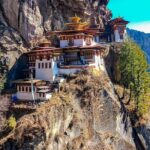
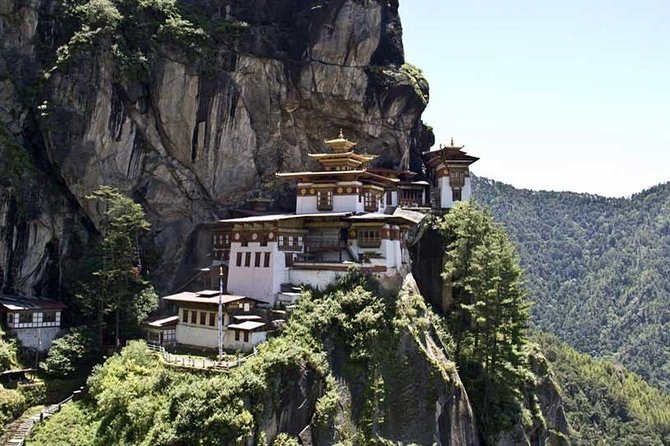
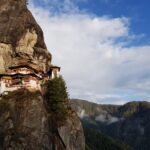
Day 4 is the headline act: Paro Taktsang, also called Tiger’s Nest. The site sits on an 800-meter rock cliff above the valley floor, originally built in 1692. The itinerary says most visitors need about 4–5 hours round trip, so treat it like a full outing, not a casual stroll.
The key here is timing. The trip recommends starting early, and I agree with that logic. You want the best chance of clearer conditions and you want daylight. The hike itself is demanding mainly because of steady elevation and the length of the day. Your guide’s pacing matters a lot on a route like this.
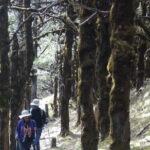
Bring a practical mindset: expect uneven paths, plan for cool-to-chilly moments, and keep water and snacks in reach as allowed by your group plan. If you’re prone to rushing, slow down. This kind of hike is more about arriving well than moving fast.
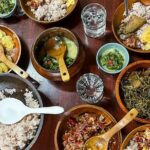
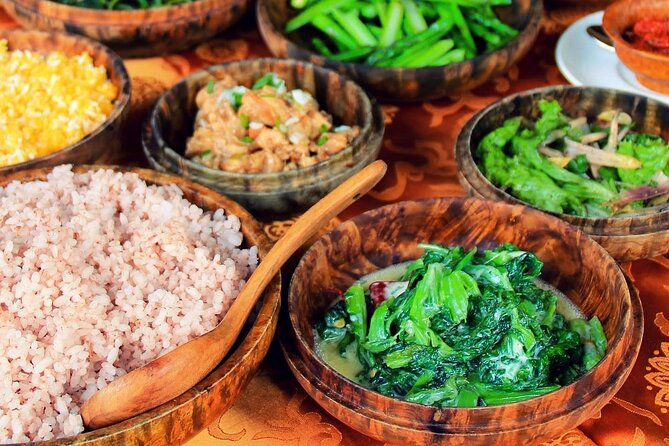
In the late afternoon, the itinerary switches gears with the Ugyen Village Homestay for an authentic dinner of homecooked local cuisines. This is a real cultural reset after temple steps. Meals like this are where you learn how people live when they’re not performing for visitors.
There’s also an optional mention of a therapeutic, revitalizing traditional practice at the homestay if you’re interested. The important part is that you’re not just ticking boxes. You’re spending time in a home setting, which changes how the country feels.
Day 5: a Paro airport viewpoint and a smooth finish
On your last day, you’ll have a Paro Airport Bird’s Eye View Point stop depending on your departure time. The itinerary keeps it short (about 30 minutes) and free, which is a relief. You get something memorable without ending on a grueling schedule.
Then it’s straight to the airport for your onward journey. This is how you want the final day to feel: calm, organized, and not dependent on last-minute decisions.
The guide and group size: why small matters in Bhutan
This tour runs with a maximum of 12 travelers, which is a big deal in Bhutan. Fewer people means less waiting at gates, quicker answers at temples, and a smoother flow between stops.
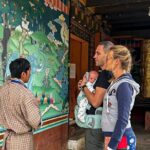
It also helps with something you’ll feel immediately: Bhutan’s sites have rules, and religious spaces reward quiet and attention. A good guide keeps you on track and explains what you’re seeing without turning it into a lecture.
From feedback I read, guide Norbu and Tensing are names that came up for their courtesy and good nature. One highlight mentioned a guide who went above and beyond on the first day and stayed out all night to make sure things worked. That kind of effort is exactly what you hope for when weather, flights, or timing don’t cooperate.
One practical reminder: tips for guide and driver are not included, so budget for that if you want to show gratitude.
Practical notes that make or break your trip
A few nuts-and-bolts points help you avoid surprises:
- Visa help is included, and you’ll get an e-Visa within 4–5 business days. You must send clear passport copies and passport-size photos, and passports should have at least 6 months validity from the day you depart Bhutan.
- Travel insurance is mandatory. The tour also includes medical treatment at a hospital in Bhutan if you sustain injuries while in Bhutan, but insurance is still a requirement.
- All meals are included (4 breakfasts, 4 lunches, 4 dinners), plus the tour notes some items not included like alcoholic beverages, laundry, and personal expenses.
- This is a hike-friendly itinerary. Most travelers can participate, but you should be honest about your stamina if you’re not comfortable with 2.5-hour and 4–5 hour round trips.
- You’ll stay in twin-sharing 3-star hotels certified by the Tourism Council of Bhutan.
The best way to enjoy Bhutan is to travel light, move steadily, and keep your plans flexible. This tour does a lot for you, but your body still has to do the walking.
Should you book the 5 Days Glimpse of Bhutan tour?
I’d book this tour if you want a first-time Bhutan experience that feels organized from landing to farewell. The big wins for me are the visa and processing inclusion, the way the entry fees and transport are handled, and the fact that you get both cultural stops in Thimphu and major spiritual sites in Punakha and Paro.
Choose it if you’re excited about Paro Taktsang and you’re okay with hiking that takes real time. If you’re the type who gets stressed by logistics or you don’t want to research a Bhutan itinerary yourself, this package approach is a strong fit.
Skip it (or consider a private customization) if you’re not comfortable with longer walks, or if you know you need very detailed pacing changes for health reasons. The itinerary is built for movement.
If your goal is a clear, faith-and-culture-heavy “glimpse” that hits the main Western highlights without you doing the planning, this is a very sensible place to start.
FAQ
What’s included in the tour price?
Visa fees and processing, an English-speaking licensed tour guide, entrance to museums/national parks/monuments, all ground transportation including round-trip airport transfers, and all entry fees are included. Meals (breakfast, lunch, dinner) are included for all days listed.
Is the visa fee included, and how long does it take?
Yes. Visa fees and processing are included, and you’ll receive your e-Visa within about 4–5 business days.
Do I need travel insurance?
Yes. Travel insurance is mandatory.
Are hotel rooms included, and what style are they?
Yes. You get twin-sharing accommodations at 3-star hotels certified by the Tourism Council of Bhutan.
What hikes are part of the itinerary?
You’ll do a 2.5-hour round trip hike to Khamsum Yulley Namgyal Chorten. The Paro Taktsang hike is about 4–5 hours round trip for most visitors.
Is rafting included?
Rafting and kayaking at Punakha is optional, and admission is not included for that activity.
How big is the group?
The tour has a maximum of 12 travelers.
Does the tour include airport pickup or transfers?
Yes. It includes all ground transportation, including round trip airport transfers. Pickup is also offered.
What about tips and alcoholic beverages?
Tips for the guide and driver are not included, and alcoholic beverages are not included. Laundry services and personal expenses are also not included.