REVIEW · PARO
Best of Bhutan Tour( Culture- Hikes- Short Trek- Monastic Stay)
Book on Viator →Operated by Bhutan Best InBound Tour · Bookable on Viator
Bhutan hits different at a monk’s morning bell. This 5-day Paro-focused tour blends Bhutanese sacred sites with practical short hikes and a full taste of daily spiritual life, from bridge walks and fortresses to morning prayer at Dodeydrak.
I love how the route doesn’t only chase famous postcards; it strings together everyday Bhutan details, like Thimphu valley viewpoints, temple stairs, and a weekend market stop, so the days feel lived-in rather than staged.
The biggest win for me is the people factor—this trip’s feel often comes from a guide-driver team that works like a local extension of your own group (names you may see in past experiences include Tandin Dorji for guiding and Pema behind the wheel). One consideration: the program assumes moderate physical fitness, and some key hikes run only when weather cooperates (especially around Paro Taktsang).
Why this itinerary works (quick hits before you go):
- A serious monastery morning at Dodeydrak, with a morning prayer session built into the day
- Short hikes that match the time: Wangditse temple walk, Dodeydrak approach hike, Chimi Lhakhang, and Tiger’s Nest
- Architecture in multiple styles: dzongs, temple compounds, and prayer-flag bridges along the Paro/Thimphu axis
- Punakha changes the mood with a major dzong by two rivers plus a pass dotted with 108 shrines
- Food with a local anchor via dinner on a farm and time spent meeting a family
In This Review
- A 5-Day Bhutan Route Centered on Paro Valley and Sacred Hills
- Bridge Walks, Simtokha Dzong, and Thimphu Valley Views on Day 1
- Dodeydrak to Pangri Zampa: Off-the-Track Spiritual Walking on Day 2
- Morning Prayer at Dodeydrak and the 108 Shrines of Dochu La on Day 3
- Tiger’s Nest at Paro Taktsang: Start Early, Walk Steady, Expect Awe
- How the Tour Builds a Real Bhutan Feeling: People, Monasteries, and Farm Dinner
- Price and Value: Why $1,370 Can Make Sense for Bhutan
- Who Should Book This Tour (and Who Might Want a Different Style)
- Should You Book Best of Bhutan Tour for Culture, Short Trek, and Monastery Time?
- FAQ
- Where does the Best of Bhutan Tour start and end?
- How long is the tour?
- Is pickup offered?
- What’s included in the price?
- What type of walking and hiking should I expect?
- What happens if weather is poor?
A 5-Day Bhutan Route Centered on Paro Valley and Sacred Hills
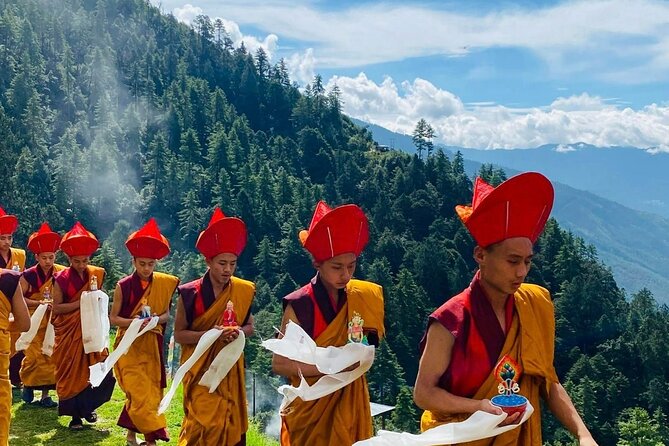
This tour is built around a simple idea: Bhutan isn’t just scenery. It’s habits—how people walk to temples, how they carry prayers on bridges, how they gather for bells and chanting, and how rivers carve the rhythm of daily life.
Most days start with a drive, then transition into something you can do with your own legs: short uphill sections, ridge walks, or steps toward a temple view. The pacing is a big part of the value. You’re not stuck on long, hard trekking days. Instead, you get multiple “mini missions,” each one small enough to keep your energy for the next sacred stop.
The itinerary also uses a nice geographic loop. You begin in the broader Paro and Thimphu area, sweep north and then east toward Punakha, and finish back in Paro for Tiger’s Nest. If you want a first Bhutan trip that feels complete without turning into a suffer-fest, this structure fits.
Bridge Walks, Simtokha Dzong, and Thimphu Valley Views on Day 1
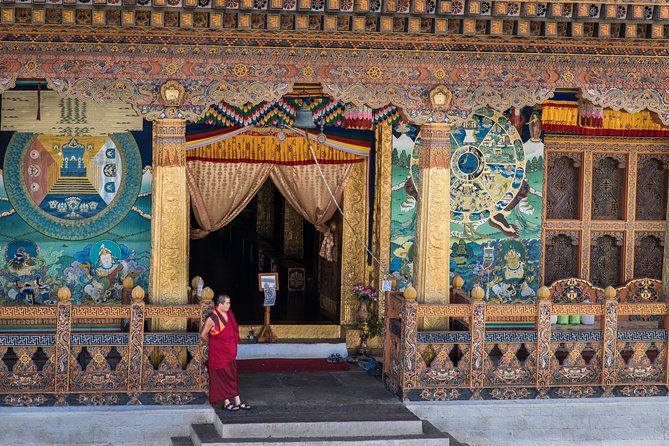
Day 1 has the feel of a gentle “welcome to Bhutan” day—short, scenic stops that also teach you how to read the country.
Tachogang Lhakhang Bridge
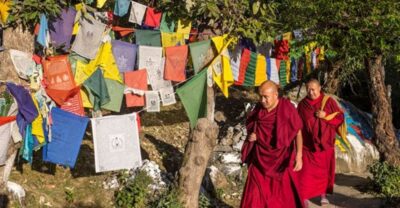
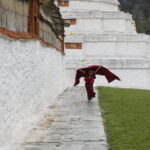
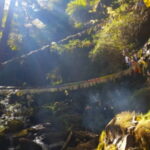
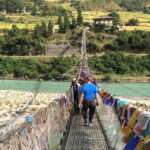
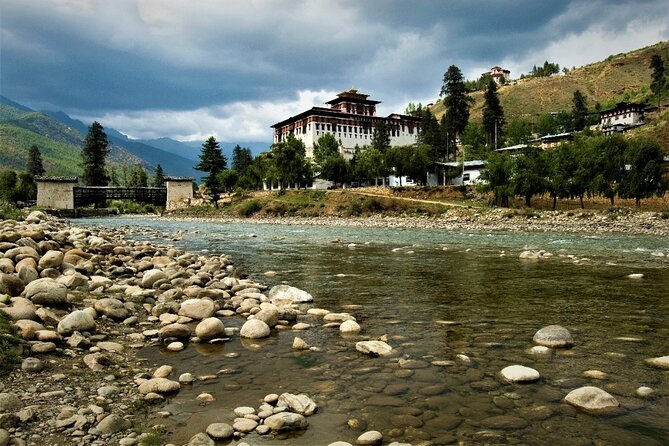
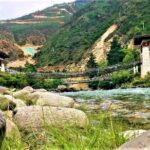
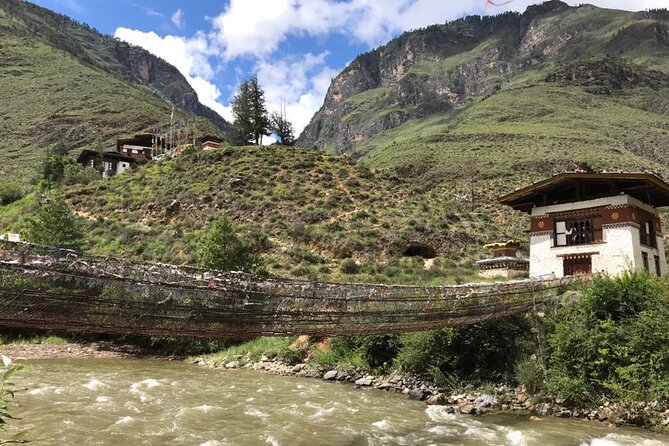
You’ll pause at Tachoggang on the Paro River. The walk across an iron bridge decorated with prayer flags is more than a photo stop. These bridges are a Bhutanese way of moving through belief: you physically cross, and your time on the bridge becomes part of the prayer atmosphere. Expect a slow stroll toward the nearby temple area, the kind of stop where you can just look at details instead of rushing.
Simtokha Dzong (the oldest fortress in the kingdom)
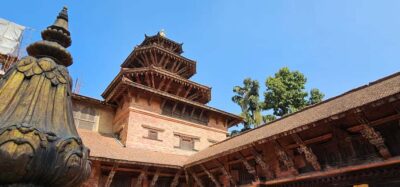
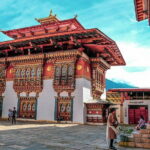
Then comes Simtokha Dzong, on a lofty ridge just about five miles from Thimphu. This is the kind of Bhutan architecture that makes you stop walking. You get a fortress mindset: thick walls, strategic placement, and a central tower with 12 sides. It’s a good entry point because it explains why dzongs matter—fortress + spiritual center, built to hold both defense and devotion.
Buddha Dordenma
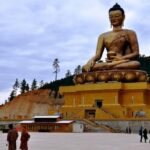
After that, you’ll see the Buddha Dordenma at Kuensel Phodrang. The statue is 51.5 meters tall, and the scale helps you understand why this is a national landmark. The timing is short, but it leaves an imprint: even in a country that values modest daily rituals, grand symbols still play a role.
Wangditse Monastery (easy hike through apple farms)
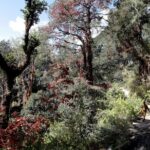
Next is a temple approach through pine forest and along the Thimphu valley side. The hike to Wangditse temple is described as easy, and it crosses local apple farms and house areas. This is one of the best “transition” moments on the tour because you trade monuments for lived landscape. You also get a break from steep climbs while still moving.
Centenary Farmers Market (weekend energy)
If your Day 1 lines up with market days, you’ll hit Thimphu’s Weekend Market near Wang Chhu. It runs Thursday to Sunday. This stop is practical for a first trip because you can pick up small, local items and get a feel for everyday Bhutan flavors—spices, incense, and local crafts. Even if you don’t buy anything, it’s a quick way to compare what you saw at temples with what people do in markets.
You can also read our reviews of more hiking tours in Paro
Dodeydrak to Pangri Zampa: Off-the-Track Spiritual Walking on Day 2
Day 2 moves you from the Thimphu valley into quieter, more “practice-focused” religious spaces.
Pangri Zampa Monastery
You’ll drive toward the northern end of the Thimphu valley, then take a countryside hike through off-beaten tracks. Pangri Zampa includes the Buddhist College of astrology and a temple of the 21 Tara Devi. That mix matters. It’s not only worship; it’s knowledge systems too. If you’ve ever wondered how astrology and study fit into modern Buddhist practice, this stop points you in the right direction.
Dodeydrak Buddhist Monastery (the hike is part of the point)
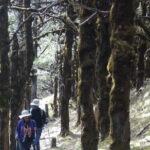
Then you’ll reach Dodedrak Buddhist Monastery with a soul-stirring hike that leads to a hilltop sacred site. The day’s description doesn’t make it feel like a hard trek; it reads like a steady climb rewarded with calm and wide views. This is where the tour starts to feel more like Bhutan than sightseeing.
Also, Dodeydrak is the emotional anchor for the trip. The next day includes morning prayer there, so Day 2 sets you up: you arrive, you get oriented, and your mind settles into the rhythm of the place.
Morning Prayer at Dodeydrak and the 108 Shrines of Dochu La on Day 3
Day 3 is the day that many people remember most—not because of one famous building, but because of what a morning ritual does to your sense of time.
Morning Prayer at Dodeydrak
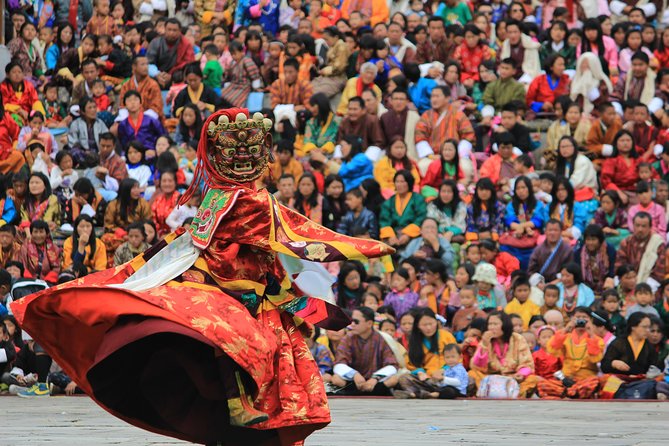
You rise early and join monks for Morning Prayer with the assembly at Dodeydra monastery. This isn’t framed as a casual peek; it’s built as an event. If you’re the kind of traveler who gets more out of quiet moments than big crowds, this is the heart of the tour.
Practical note: early mornings can feel sharp in the mountains. Bring layers. Even if the sun comes quickly, mornings can stay cool, especially when you’re standing or walking slowly.
Dochula Pass (3,100 meters) with 108 shrines
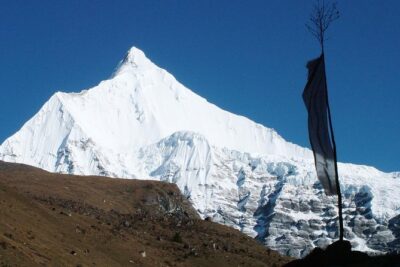
Then you stop at Dochula Pass at 3,100 meters, marked by 108 Buddhist shrines. This is one of those Bhutan stops that teaches you scale through repetition. It’s not just “a view.” It’s a whole layout of devotion, arranged across a mountain crossing. If the skies are clear, the north east Himalayan peaks can appear in all their glory—this is exactly the kind of day where good weather makes a noticeable difference.
Chimi Lhakhang Temple (short hike near Sopsokha Village)
After the pass, you hike to Chimi Lhakhang, described as about five minutes walk from Sopsokha Village. This is a nice reset after the pass because it’s short and focused. You’ll also encounter temple paintings along the way, including depictions that give character to this site.
Punakha Dzong (winter residence of the central monk body)
Finally, Punakha Dzong. It sits at the junction of two rivers, and it was Bhutan’s capital until 1955. It also still serves as the winter residence of the central monk body. That detail changes how you see it: you’re not only looking at a historic structure. You’re looking at an active religious function. Plan on taking your time here. It’s a place where your eyes naturally travel along architectural edges and river lines.
Tiger’s Nest at Paro Taktsang: Start Early, Walk Steady, Expect Awe
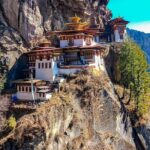
Day 4 is the big Paro moment: Paro Taktsang, commonly known as Tiger’s Nest.
Paro Taktsang hike to the cliff monastery (Admission included)
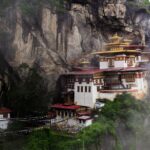
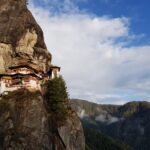
You’ll drive to Paro early morning, then hike up to Tiger’s Nest. The monastery sits perched on a cliff at 3,120 meters. The emotional payoff is clear in the way the stop is described: you reach a point where the monastery looks impossible, as if it grew from the cliff face.
What’s practical here is the pacing and footwear. The itinerary labels the hike as a multi-hour effort (about 4 hours at this stop). That means you should plan for a steady uphill, some steps, and time for your legs to adjust. If you’re not used to mountain walking, take breaks before you feel like you need them. It’s always better to slow down while you’re still comfortable than to push until you’re tired.
Weather is a real factor
This experience requires good weather. That’s not just fine print. Around Paro Taktsang, clear conditions are what make the views and the whole experience feel right.
How the Tour Builds a Real Bhutan Feeling: People, Monasteries, and Farm Dinner
A lot of tours can list temples. Fewer tours shape your sense of Bhutan as a daily way of life. This one tries to do that in two ways: monastery time and home/farm connection.
Monastic rhythm through Dodeydrak morning prayer
The monastery element is strongest on Day 3, when you participate in Morning Prayer at Dodeydrak. Even if you don’t understand every detail, you can feel the structure: bells, assembly, and ritual flow. That’s the kind of experience that makes the rest of the trip click—suddenly you see why these buildings and bridges exist.
Local farm dinner and meeting a family
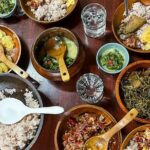
The tour also includes a dinner at a local farm where you meet the family. This is valuable because it balances the spiritual focus with real-life hospitality. Food in a farm setting also makes the country feel grounded. It reminds you that Bhutanese culture is not only in temples—it’s in how families cook, share stories, and keep traditions alive.
The “family member” feel
One standout theme from past experiences: people often describe the service as warm and close, like staying with family rather than being passed from one checkpoint to another. That doesn’t happen by accident. It usually comes from a guide and driver who manage timing thoughtfully and treat the group with patience.
Price and Value: Why $1,370 Can Make Sense for Bhutan
At $1,370 per person for about five days, this isn’t a cheap budget trip. But Bhutan isn’t a typical low-cost destination, and this price includes a lot of the costly parts that add up quickly on your own.
Here’s what’s covered in the tour package:
- Bhutan SDF at USD 100 per person per night
- Bhutan visa, accommodation, private transportation, guide, and taxes/fees/charges
- Meals: breakfast (5), lunch (4), dinner (4)
- A private group setup and a mobile ticket
- Admission tickets for several key sites where they’re listed as included
You’re also not paying extra for the big walking days to be guided and timed. Having a guide matters in Bhutan because the sites aren’t just monuments; they’re living places with meaning and rules. A good guide helps you notice what you would otherwise miss, and it keeps the day moving at a human pace.
Two practical cost considerations:
- A single supplement of USD 300 applies if you need your own room.
- Alcohol and other beverages aren’t included, so if you drink, you’ll want to budget for it.
Overall, I see this as good value if you want structure, short hikes, and cultural access without spending your time coordinating drivers, tickets, and logistics.
Who Should Book This Tour (and Who Might Want a Different Style)
This tour fits you well if:
- You want a first Bhutan trip with major spiritual highlights and several short walks
- You like cultural sites but also enjoy practical moments—markets, farms, and real village areas
- You’re comfortable with moderate physical fitness and multi-hour walking days
It might be a mismatch if:
- You want mostly flat, easy sightseeing with minimal walking
- You’re traveling during a season or week when weather reliability is low for mountain hikes (because the experience depends on good weather)
The itinerary is also built for travelers who like a private, guided rhythm rather than a fast group sprint.
Should You Book Best of Bhutan Tour for Culture, Short Trek, and Monastery Time?
If your ideal Bhutan trip includes Tiger’s Nest, dzongs, passes with shrine lines, and at least one morning where monks shape the day, I think this is a smart booking. The biggest reason is balance: you get the country’s headline sights, but the itinerary keeps rewarding your effort with calmer, more meaningful stops like Dodeydrak and the short hike to Chimi Lhakhang.
Before you commit, check two things in your head: your hiking comfort level (moderate, with a few multi-hour stretches) and your willingness to be flexible if mountain weather changes plans.
If you want Bhutan to feel like culture you participate in—rather than culture you just watch—this tour has the right ingredients.
FAQ
Where does the Best of Bhutan Tour start and end?
The tour starts at Paro International Airport (Airport Road, Paro 12001, Bhutan) and ends back at the same meeting point.
How long is the tour?
It runs for about 5 days.
Is pickup offered?
Yes, pickup is offered.
What’s included in the price?
The package includes Bhutan SDF (USD 100 per person per night), Bhutan visa, accommodation, private transportation, a guide, taxes/fees/charges, and meals: 5 breakfasts, 4 lunches, and 4 dinners.
What type of walking and hiking should I expect?
The trip is listed for travelers with moderate physical fitness. There are several hikes and walks, including temple approaches and the multi-hour hike to Paro Taktsang (Tiger’s Nest).
What happens if weather is poor?
The experience requires good weather. If it’s canceled due to poor weather, you’ll be offered a different date or a full refund.