Bhutan is a country you feel instantly, even before you leave the airport. This four-day package gives you a tight, first-timer-friendly circuit from Paro to Thimphu and Punakha, with key cultural stops like Tiger’s Nest and a big Himalayan viewpoint at Dochula Pass. I especially liked the calm setup: you get private vehicle transport, and your days are planned so you can focus on the places instead of logistics.
Two things I really liked: the all-inclusive entrance fees and meals (you’re not constantly doing math), and the sense of personal attention that lets you move at your own pace inside the day’s schedule. One possible drawback: Tiger’s Nest is a long stop, so if you’re sensitive to walking and steep terrain, you’ll want to mentally budget extra effort on Day 3.
In This Review
- Key Highlights That Matter (Not Just Names on a Map)
- A 4-Day Bhutan Starter Circuit From Paro You Can Actually Enjoy
- Price and What You’re Getting for $1,333.34 Per Person
- Getting Around: Private Vehicle, Pickup, and a Real Pace
- Day 1 in Paro: Museums, Fortresses, and a Himalayan View at Dochula
- National Museum in Ta Dzong (Paro)
- Rinpung Dzong (Paro)
- Dochula Pass Panoramas
- Day 2: Punakha Dzong, Thimphu’s Sacred Landmarks, and Peace-Chorten Views
- Punakha Dzong
- Chimi Lhakhang, the Fertility Temple
- Thimphu’s Government Dzong: Tashichho Dzong
- Thimphu Memorial Chorten (World Peace)
- Buddha Dordenma Overlook
- Day 3: Tiger’s Nest (Paro Taktsang) Takes Over the Day
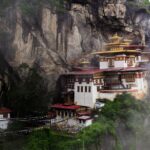
- Paro Taktsang, Tiger’s Nest Monastery
- Kyichu Lhakhang
- Day 4: Airport Escort Back Out of Bhutan
- What the Reviews Tell You to Expect (Without the Hype)
- How to Pack and Plan So This Trip Feels Easy
- Should You Book This Bhutan Tour Package?
- FAQ
- What cities are covered in this 4-day Bhutan tour?
- What time does the tour start in Paro?
- Is this tour private or shared with other travelers?
- What’s included in the package price?
- What is not included?
- Do I need travel insurance for Bhutan?
- What passport/visa requirements should I know before traveling?
Key Highlights That Matter (Not Just Names on a Map)
- Private vehicle, real comfort: You ride in a comfortable car the whole time, so the itinerary feels manageable instead of exhausting.
- Entrance fees + meals included: Your ticket math is done up front, and your meals follow the day plan (B/L/D).
- Paro’s core sights in one run: Ta Dzong museum area, Rinpung Dzong, and Paro’s quieter sacred spaces.
- Dochula Pass 360-degree views: A high-altitude break with serious panoramic payoff.
- Long Day 3 is the centerpiece: Paro Taktsang (Tiger’s Nest) takes most of the day, then you continue with Kyichu Lhakhang.
- Support from guides and drivers: Reviews call out guides like Tenzin and Sherab, plus Chencho, with drivers like Sangay—people who make the experience feel organized and humane.
A 4-Day Bhutan Starter Circuit From Paro You Can Actually Enjoy
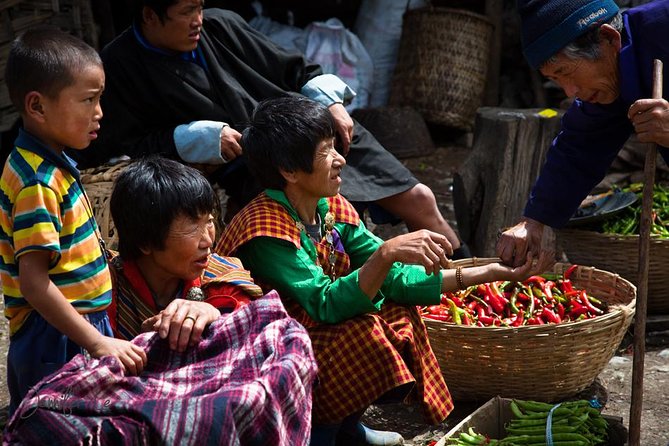
This itinerary is built for first-time Bhutan visitors who want the “big cultural hits” without spending every hour figuring things out. You start in Paro and stay on a loop that covers monasteries, dzongs (fortress-monasteries), and major landmarks across three cities: Paro, Thimphu, and Punakha.
The biggest value isn’t just the list of stops. It’s how the package removes decision fatigue. Transport is by a comfortable private vehicle, you get meals according to the itinerary, and all entrance fees are included. That means you can spend your energy on sights, photos, and quiet moments—rather than asking, How much is this? Where do I pay? Where do we go next?
One more thing: Bhutan tours often feel “strict” on paper. Here, the tone is more you-go-your-own-pace. You still have a schedule and specific times per stop, but the setup is designed for calm rather than chaos—something reflected in the feedback praising how smoothly everything runs from pickup to drop-off.
You can also read our reviews of more tours and experiences in Paro.
Price and What You’re Getting for $1,333.34 Per Person
At $1,333.34 per person for about four days, the price is easiest to judge by what’s included. This package covers:
- Transport by private vehicle
- Driver/guide
- Hotel pickup and drop-off
- Meals (breakfast/lunch/dinner as per itinerary)
- Bottled water plus coffee/tea
- All taxes, fees, and handling charges
- Sustainable Development Fee (SDF)
- All entrance fees for the stops listed
- A mobile ticket
- Pickup offered and airport escort on Day 4
What that means for you: you can plan your spending more cleanly. You know what day-to-day costs are covered, and the things you might add later (like alcoholic drinks and souvenir photos) are clearly marked as not included.
Two budget reminders that help you avoid surprises:
- Your flight ticket and travel insurance are not included, even though insurance is mandatory for Bhutan entry.
- Alcohol and some photo services cost extra, so if you care about that, set aside a little pocket money.
For the private-vehicle, all-in-fees-included style of tour, this feels like a practical value—especially if you’d otherwise be paying separately for guide time, entrances, and transfers.
Getting Around: Private Vehicle, Pickup, and a Real Pace
You start with hotel pickup and drop-off, and the transport is handled via a comfortable private vehicle. That sounds basic, but in Bhutan it matters. Distances between cultural sites and viewpoints can eat up your day. A private car keeps the travel portion from turning into a punishment.
Your tour runs starting at 7:00 am at the meeting point in Paro. Also, the tour operates in all weather conditions, so pack for rain or low visibility. The good part? Since the day plan doesn’t vanish in bad weather, you’re less likely to lose half the trip to delays.
And because this is described as a private tour/activity (only your group participates), you get flexibility and less waiting around. That can be the difference between “seeing places” and actually enjoying them.
Day 1 in Paro: Museums, Fortresses, and a Himalayan View at Dochula
Day 1 is a gentle entry into Bhutan’s culture, starting with history and moving toward a high viewpoint.
National Museum in Ta Dzong (Paro)
You’ll visit the National Museum of Bhutan, housed in Ta Dzong, a circular watchtower above Paro Dzong. The building’s origins are described as 1656, which gives you a strong “you’re in the real thing” feeling. The museum visit is scheduled for about 1 hour 30 minutes, with the admission ticket included.
Why I like this stop for Day 1: it gives you context fast. Bhutan is religious and artistic in a way that’s hard to decode without some background. The museum framing helps you see the later dzongs and monasteries with more meaning than just scenery.
Rinpung Dzong (Paro)
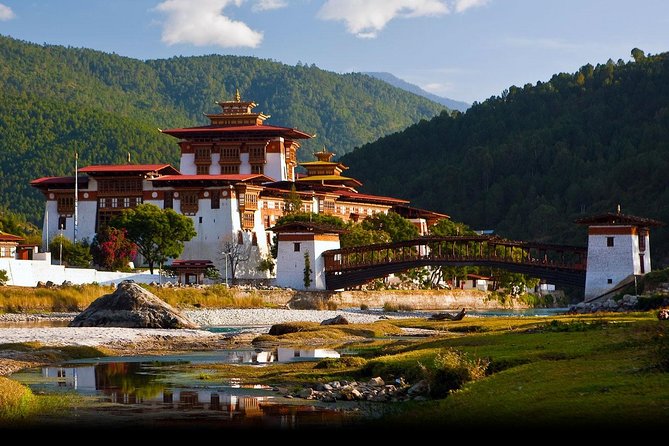
Next is Rinpung Dzong, a large dzong monastery and fortress tied to the Drukpa Lineage of the Kagyu school. It houses district monastic bodies and government administrative offices.
This stop is about 1 hour, again with admission included. The value here is watching how dzongs function as both spiritual and civic space. It’s not only a “pretty building.” It’s a working center.
Dochula Pass Panoramas
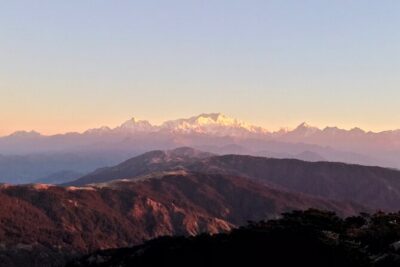
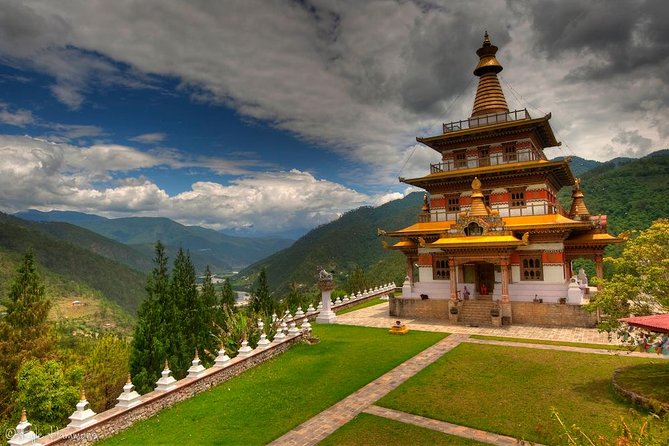
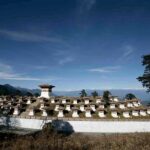
Then you get the high point: Dochula Pass on the route toward Punakha. The big draw is the 360-degree panoramic view of the Himalayan mountain range.
Time is listed around 30 minutes. That’s plenty if the weather is clear—just enough time to take it in and move on without turning it into a slog. If clouds roll in, keep your expectations flexible and rely on your guide’s timing.
My practical tip: bring layers. Pass views are worth it, but the air can feel colder and sharper than in town.
Day 2: Punakha Dzong, Thimphu’s Sacred Landmarks, and Peace-Chorten Views
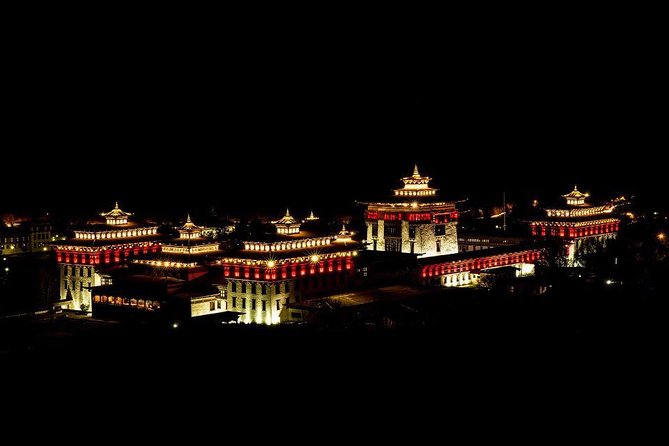
Day 2 stitches together the Bhutanese story across two regions: classic dzongs in Punakha and major government/religious landmarks in Thimphu.
Punakha Dzong
You’ll visit Punakha Dzongkhag’s Punakha Dzong, linked to key moments in Bhutanese history. It served as the capital from 1637 to 1907, and it hosted the first national assembly in 1953.
This stop runs about 1 hour, with admission included. What you’re looking at isn’t just architecture—it’s a statement about continuity. Punakha Dzong is tied to national identity, which makes it feel heavier than a quick sightseeing stop.
Chimi Lhakhang, the Fertility Temple
Next is Chimi Lhakhang, also called the Fertility Temple. It’s connected to the Buddhist figure Drukpa Kunley, known as the Divine Madman, and the original site is noted as built in 1499 after a blessing connected with that story.
The schedule gives about 2 hours here. It’s a slower-feeling stop because you’re not just viewing stone—you’re watching how pilgrims move through the place. That gives this temple an energy that’s difficult to fake with photos.
Thimphu’s Government Dzong: Tashichho Dzong
Then you’ll head to Tashichho Dzong (Thimpu Dzong), the seat of government described as since 1952, housing the king’s throne room and offices of ministries.
This is about 1 hour. It’s a different flavor from monastery stops. The scale of government presence adds another layer to the Bhutan “how religion and state coexist” theme.
Thimphu Memorial Chorten (World Peace)
After that comes the National Memorial Chorten, dedicated to World Peace and built in memory of the Third Druk King. It’s a large white structure topped with a golden spire, located close to central Thimphu.
Time listed: about 1 hour. Even if you’re not a “chapel person,” this kind of landmark helps you understand what Bhutan means by peace—quiet, public, and literal.
Buddha Dordenma Overlook
Finally on Day 2 you visit the Buddha Dordenma, located on a hill in Kuenselphodrang Nature Park overlooking the southern entrance to Thimphu Valley. The statue is linked to an ancient prophecy dating back to the 8th century A. D. (as described in the tour info).
This stop is listed around 1 hour 30 minutes. The value here is viewpoint plus symbolism: you get both a visual sweep and the religious meaning attached to the site.
Day 3: Tiger’s Nest (Paro Taktsang) Takes Over the Day
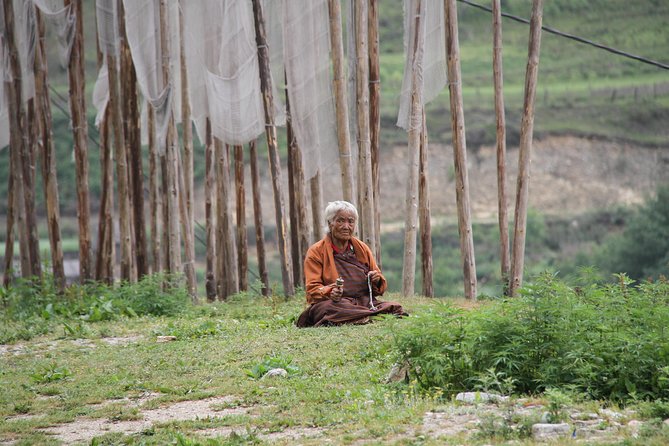
If you only remember one day from a Bhutan intro, it’s usually this one.
Paro Taktsang, Tiger’s Nest Monastery
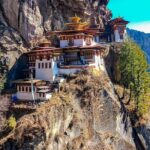
You’ll go to Paro Taktsang, more famous as Tiger’s Nest Monastery, clinging to a cliff about 3,120 meters above sea level. The tour allocates about 6 hours, with admission included.
Why it’s the centerpiece: this isn’t “a building you see from a distance.” The description alone tells you it’s dramatic—part temple, part cliffside spectacle. In practical terms, you should expect a long block of time that includes travel in the valley, time at the complex, and the energy of a famous sacred site.
Also, because it’s scheduled for 6 hours, plan your day around it. That’s why this itinerary saves other visits for after, rather than stacking too much on top.
Kyichu Lhakhang
After Tiger’s Nest, you’ll visit Kyichu Lhakhang for about 1 hour. The walk toward the lhakhang includes a specific detail: you’ll see elderly pilgrims constantly moving around the temple and spinning prayer wheels, which creates a living, rhythmic scene.
This is the kind of stop that can feel surprisingly moving because it’s not staged for tourists. The pilgrims’ routines give the place a real pulse.
Day 4: Airport Escort Back Out of Bhutan
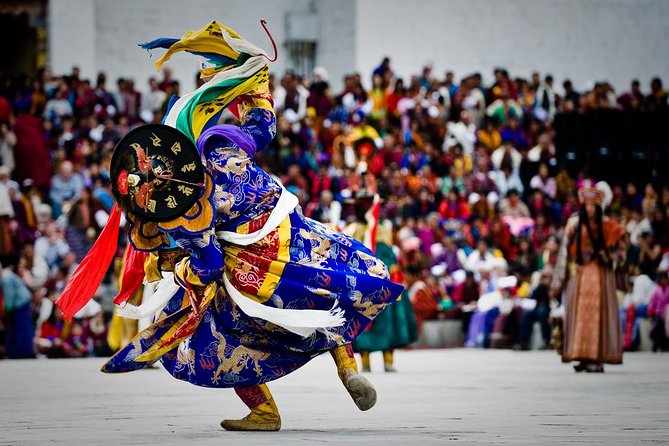
Day 4 is a wrap-up day that keeps things easy. You’ll be escorted to Paro International Airport for your onward destination.
The tour lists about 1 hour for this final section, with the same included coverage for the guided process. The practical win is you don’t have to coordinate your own departure timing or worry about where your driver is.
What the Reviews Tell You to Expect (Without the Hype)
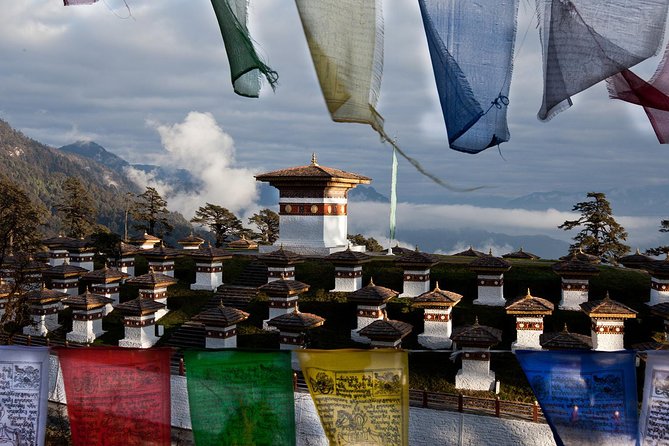
Even without reading every word, the feedback patterns are clear:
- People praise how smoothly everything runs, from airport pick up to drop off.
- Guides are singled out for making the trip feel organized without feeling cold.
- Several reviews describe Bhutan as deeply meaningful or spiritually uplifting, and they connect that feeling to the landmarks plus the quality of guiding.
The names that stand out in the comments include guides such as Tenzin, Sherab, and Chencho, plus driver Sangay. That lines up with the package promise of personalized attention and going at your own pace.
Also, there’s a nice note about the absence of skyscrapers—more natural sky and quiet living—so the country feels like a break from the usual tourist bustle.
How to Pack and Plan So This Trip Feels Easy
Because the tour runs in all weather conditions, packing matters. Here’s what I’d prioritize based on the kind of sites you’ll be visiting and the pass/viewpoints included:
- Layers for temperature swings, especially for Dochula Pass and any cliffside morning.
- Comfortable walking shoes for monastery complexes and the longer Day 3 block.
- A small day bag for water and a layer swap.
- A plan for photos: souvenirs and some photo services cost extra, and it’s good to know that upfront.
You’ll also want to handle the paperwork side early. The tour notes that you’ll need a passport and a Bhutan visa that must be per-approved prior to arrival, plus a passport valid for at least 6 months longer than your journey. It also says you need a valid scan copy of your passport for visa processing.
And don’t skip insurance. The tour explicitly says comprehensive travel insurance is mandatory and must include cancellation & emergency evacuation cover.
Should You Book This Bhutan Tour Package?
Book it if:
- You’re doing Bhutan as a first visit and want a clean introduction across Paro, Thimphu, and Punakha.
- You prefer private transport and hate piecing together separate tickets and entrance fees.
- You want a schedule that still feels human—there’s room for your pace, not just rush-through checklists.
- You’re willing to make Tiger’s Nest Day your main effort day.
Think twice (or ask questions before you commit) if:
- You need a very slow, low-walking trip. Day 3 is long by design.
- You’re counting on the tour to cover your flight and travel insurance. It doesn’t, and Bhutan entry requires that insurance anyway.
- You’re booking with strict flexibility needs. This experience is described as non-refundable and cannot be changed for any reason.
If you want Bhutan without the stress—good guidance, included meals, included entrances, and a route that hits the country’s most iconic spiritual and viewpoint stops—this is a solid, practical choice.
FAQ
What cities are covered in this 4-day Bhutan tour?
The itinerary centers on Paro, with visits that also include Thimphu and Punakha.
What time does the tour start in Paro?
The tour starts at 7:00 am.
Is this tour private or shared with other travelers?
It’s a private tour/activity, meaning only your group participates.
What’s included in the package price?
Included items are all taxes, fees and handling charges, bottled water, meals as per itinerary (B/L/D), driver/guide, hotel pickup and drop-off, transport by private vehicle, coffee and/or tea, Sustainable Development Fee (SDF), and breakfast/lunch/dinner counts according to the itinerary, plus admission tickets for the listed stops.
What is not included?
Not included: alcoholic drinks, souvenir photos, flight ticket, and travel insurance.
Do I need travel insurance for Bhutan?
Yes. The additional info says it’s mandatory for all visitors to have valid comprehensive travel insurance that includes cancellation and emergency evacuation cover.
What passport/visa requirements should I know before traveling?
You need a current valid passport, and a passport scan copy is required to process your Bhutan visa. Visitors require a passport valid for at least 6 months longer than the journey, plus a Bhutan entry visa that must be pre-approved prior to arrival.