REVIEW · PARO
8 Days Classic Bhutan tour with easy hikes
Book on Viator →Operated by Bhutan Travel Club · Bookable on Viator
Bhutan can feel like a quiet reset button, and this classic loop delivers exactly that in a smart, low-stress way. You’ll get all-inclusive coverage (hotels, meals, permits, most entry fees) plus a private car and English-speaking guide, so you spend more time looking around and less time figuring things out. I also like that the hiking is billed as easy, with optional choices on days like Dochula and the Lamperi area—so you can match the effort to your energy. The main drawback to keep in mind is that your schedule depends on good weather, and a few key moments (like the long Tiger’s Nest day) can feel physically demanding even if the itinerary is designed for lighter hikes.
You’ll start in Paro, ease into Thimphu culture, then move through the big “postcard” valleys: Punakha’s dzongs, Phobjikha’s cranes, and finally Tiger’s Nest from the cliff above Paro. Along the way, you’ll hit monasteries, fortresses, and chortens, plus hands-on culture stops in Thimphu’s creative world. One more consideration: the pace includes multiple full sightseeing blocks and drive days, so if you want lots of free time on your own, you’ll need to plan some flexibility in your head.
In This Review
- Key Things That Make This Bhutan Tour Worth Your Time
- Entering Bhutan Through Paro: Arrival Views, Then Real Planning
- Thimphu First Look: Memorial Chorten at Night and a Welcome Dinner
- Buddha Dordenma, Museums, and the Thimphu Crafts Scene
- Dochula Pass Views and Easy Hikes Through Rhododendron Country
- Khamsum Yulley Namgyal Chorten and Punakha Dzong: Bhutan’s Fortress Day
- Phobjikha (Gangtey): Cranes, Monks, and a Change of Pace
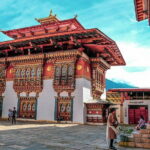
- Returning to Paro: Kyichu Lhakhang, Rinpung Dzong, and Museum Time
- Tiger’s Nest (Paro Taktsang): The Long Day You’ll Remember
- Farewell Paro: Smooth Airport Departure
- Price and Value: What You’re Paying For (and What You’re Not)
- Who This Tour Fits Best
- Should You Book This 8-Day Classic Bhutan Easy-Hike Tour?
- FAQ
- Where does the tour start?
- What’s included in the all-inclusive price?
- Is pickup offered?
- How long is the trip?
- Is there hiking, and is it actually easy?
- What’s not included?
- What if the weather is bad?
- What’s the cancellation policy?
Key Things That Make This Bhutan Tour Worth Your Time
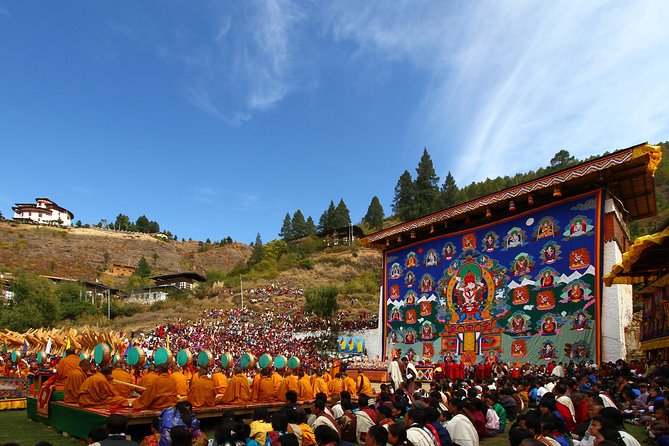
- All-inclusive in the real sense: 3–4 star hotels, all meals for 7 days, entry/permit fees, and transfers in a comfortable car.
- Easy-hike options built into the route: you get lighter trail segments on several days, with an easier alternative noted on the Dochula/Lamperi stretch.
- Thimphu culture, not just monuments: textile training, traditional arts, a heritage museum, and market time.
- Punakha Valley focus: Punakha Dzong plus a ridge-top nunnery visit that slows the day down in a good way.
- Phobjikha scenery with wildlife context: Black-necked crane center stops add meaning beyond photos.
- Tiger’s Nest day is the climax: one long, do-it-once outing with a stop at Drugyel Dzong on the way back.
Entering Bhutan Through Paro: Arrival Views, Then Real Planning
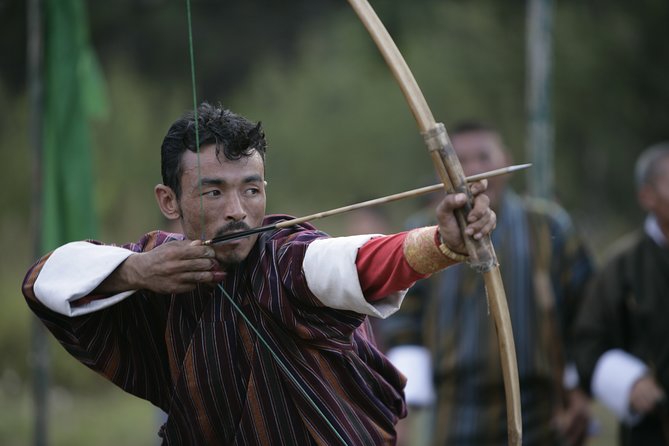
Your trip starts at Paro International Airport (start time listed as 8:30 am), with the pickup handled and your guide helping with the immediate formalities. Even before you reach town, the flight approach is the kind of first impression that makes you look out the window and forget to check your phone.
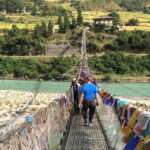
Once you’re settled, the schedule eases you into Bhutan’s spiritual geography with an early stop at Tachogang Lhakhang Bridge and nearby monastery time. Then you head toward Thimphu, so by the end of Day 1 you’ve moved from arrival adrenaline into the everyday rhythm of the country’s capital.
What I like about the opener is that it avoids a “stampede through everything” feeling. You get the scenic punch early, then you begin understanding Bhutan through temples and the way people move through them—slow, practical, and normal.
You can also read our reviews of more hiking tours in Paro
Thimphu First Look: Memorial Chorten at Night and a Welcome Dinner
On Day 1 in Thimphu, you check into 3–4 star hotel accommodation and get a short rest before evening plans. If you have energy, the Memorial Chorten is on the schedule—especially meaningful because it’s a living shrine rather than just a photo stop.
Then you end with a welcome dinner in a local restaurant. That matters more than you might think, because food is part of cultural orientation. You also get a preview of what Bhutanese cuisine feels like outside the quick “tour snack” trap.
Practical note: Thimphu evenings can feel cool, especially if you’re coming from lower elevations. A light layer is an easy win for comfort while you’re walking around sacred sites.
Buddha Dordenma, Museums, and the Thimphu Crafts Scene
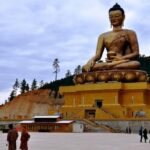
Day 2 is built around “understand Bhutan” stops, and it does this in a way that doesn’t feel like a lecture. First is Kuensel Phodrang to see the enormous 169 ft Buddha Dordenma, with panoramic views over Thimphu.
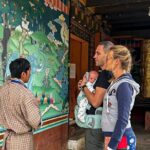
After that, you shift from big statues to big meaning: the National Folk Heritage Museum gives context for what you’re seeing around town. You’ll also stop at the National Institute for Zorig Chusum, where you can learn about Bhutan’s 13 traditional arts and crafts and interact with artisans and students. If you care about making versus consuming, this is a standout kind of stop.
The day keeps going with the Royal Textile Academy of Bhutan, which is a perfect match for anyone who enjoys how Bhutanese textiles connect to identity. Finally, you get market time at Thimphu’s Weekend Market / Crafts Bazaar area, plus a drive toward other market points depending on the day’s timing.
One possible consideration: Day 2 packs a lot into a single day, so wear shoes you can walk in comfortably for longer periods. The upside is that you’ll leave Thimphu feeling like you grasp more than names and dates.
Dochula Pass Views and Easy Hikes Through Rhododendron Country
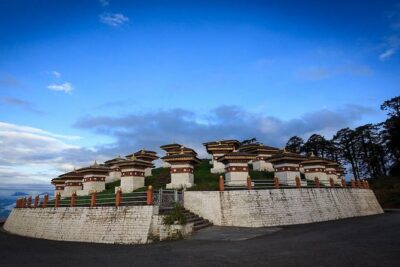
Day 3 begins with the drive to Dochula Pass (3140 m), one of the clearest “wow” moments in the route. On a good day, you’re looking out over the mountain ranges that form Bhutan’s northern border, backed by prayer flags fluttering around the pass.
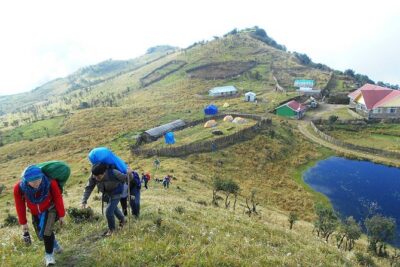
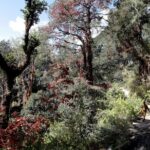
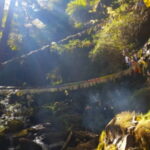
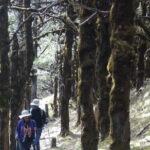
From there you have hiking structure, not just random wandering. A recommended option is Lungtsezelkha / Lungtsezelkha hike (about 3 hours) through rhododendron forests and alpine vegetation. The route description even notes that yaks can be spotted—so you’re not only hiking for views; you’re hiking for the living landscape.
If you want something easier, there’s an alternative: a hike section described from Lamperi Botanical Park down to Talo village, using part of the Trans Bhutan Trail corridor. That’s listed as about 2 hours, and it’s explicitly suggested as easier.
After the hiking, you return to cultural rhythm with stops like Druk Wangyel Chortens and Chimi Lhakhang Temple (the fertility monastery associated with the Divine Madman legend). This combo works well because you alternate effort with story—so the day doesn’t turn into one long physical grind.
Khamsum Yulley Namgyal Chorten and Punakha Dzong: Bhutan’s Fortress Day
On Day 4, you move from the pass-and-forests feel into the river-valley world of Punakha. The first stop is Khamsum Yulley Namgyal Chorten, reached with a short scenic hike through paddy fields (about 45 minutes). It’s long enough to feel like a real walk, but short enough to fit the easy-hike promise.
Then you hit Punakha Dzong, one of Bhutan’s most famous fortress sites. The route notes it sits at the confluence of two rivers and serves as the winter residence for the monastic order’s leadership, while also functioning as an administrative headquarters.
You finish with Sangchhen Dorji Lhuendrup nunnery, located on a ridge with pine trees and valley views. There’s something grounding about visiting a nunnery during daylight—especially if your previous stops have been mostly grand fortresses. This kind of pause helps you notice details: how the space feels, how people interact with the temple environment, and how spirituality shows up in daily posture.

Phobjikha (Gangtey): Cranes, Monks, and a Change of Pace
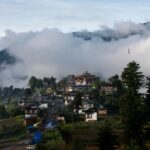
Day 5 shifts you toward Phobjikha Valley via the scenic route that follows the Dang Chuu river and crosses toward Pele La. The drive itself is part of the experience, threading through bamboo and oak forests before you reach the hidden, cooler-feeling valley.
You’ll visit Gangtey Gompa (Gangtey Monastery) in the afternoon. The description includes time with the monks in their monastic school setting, and it even offers a meditation session inside the temple with basic instructions.
Then comes the nature meaning: the Black Necked Crane Center stop explains the valley’s role as habitat for endangered black-necked cranes that visit during winter from the Tibetan plateau. If you’re a wildlife person, you’ll appreciate that the stop connects cranes to local lives and folklore rather than treating them like distant trophy animals.
This is also one of the best days for recalibrating your stamina. You still see important sites, but you’re not constantly pushing uphill.
Returning to Paro: Kyichu Lhakhang, Rinpung Dzong, and Museum Time
Day 6 brings you back toward Paro. You drive via Dochula Pass again, and you can use the second pass drive as a comparison moment—same route theme, different light and moods.
Once in Paro, you visit Kyichu Lhakhang, described as the oldest Buddhist temple in Bhutan, built during the 8th century. That makes the stop feel less like scenery and more like a time anchor.
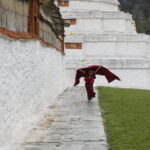
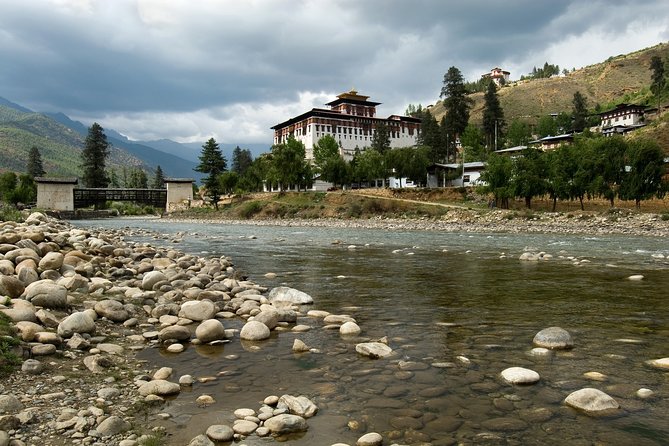
After that you go to the National Museum, with note of treasured collections that help you understand Bhutan’s history and traditions. Then you round out the afternoon with Rinpung Dzong (built in 1644 by Zhabdrung), a fortress with a memorable name: fortress of the heap of jewels.
One practical thought: temples and museums both reward slow looking. If you rush, you miss the small design choices that make Bhutan feel distinct.
Tiger’s Nest (Paro Taktsang): The Long Day You’ll Remember
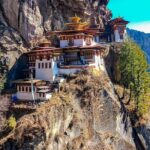
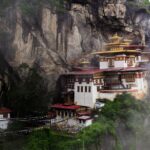
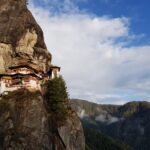
Day 7 is the big finale: Paro Taktsang (Tiger’s Nest Monastery). The description flags it as Bhutan’s most valued attraction and the unmissable cliffside experience.
This is listed as about 7 hours, and even with the easy-hike style of the overall trip, this is the day that asks for good pacing. Plan on boots you can trust, and a water-and-snack mindset even though the tour includes bottled mineral water in the car (you’ll still want something for the walk itself).
On the way back, you stop at the ruins of Drugyel Dzong, described as a strategic watchtower and fortress linked to repelling Tibetan invasions in the 1600s. It’s a smart add-on because it shifts you from one iconic image (Tiger’s Nest) to a broader sense of Bhutan’s defensive history.
If you’re worried about the physical part, use the rest of the trip to judge your pace. If earlier easy hikes felt good, you’ll likely enjoy this day rather than dread it.
Farewell Paro: Smooth Airport Departure
Day 8 is a straightforward send-off. After breakfast, your driver takes you to the airport, and your guide helps with the formalities and your onward journey.
This matters because Bhutan can have paperwork steps that feel less fun when you’re already tired. Having a guide handle the process keeps your last morning calm.
Price and Value: What You’re Paying For (and What You’re Not)
This tour is priced at $2,438 for about 8 days. On paper, that number can look steep if you compare it to a DIY flight-and-hotel plan. But here’s what you’re actually getting for the price: 3–4 star hotels, all meals for 7 days, monument/permit fees worth about $300, and a private car with an English-speaking tour leader and driver, plus mineral water in the vehicle.
For a country like Bhutan—where logistics, permits, and internal transfers can add up quickly—this package format is often where value shows up. It’s not just convenience. It’s protection against wasting time on logistics and losing good sightseeing hours.
What’s not included also tells a story. You still need to budget for international airfare, visa fee (USD 40 one time fee), travel and medical insurance, the Sustainable Development Fund / Daily Tourism Tax, and tips/gratuity. If you’re someone who hates adding up fees late, this is where you should check your personal budget early.
Who This Tour Fits Best
This one fits you if you want the classic Bhutan highlights but you don’t want hiking to run the show. The route is designed to include easy hike options and shorter trail segments, with additional climbing saved for the iconic Tiger’s Nest day.
It also fits well if you’re traveling with family or in a group that benefits from planning support. The overall approach is structured, with enough cultural stops to feel meaningful and enough logistics handled that you can focus on seeing Bhutan.
On the other hand, if you’re the type who wants lots of solo downtime and no schedule pressure, you might find the sightseeing blocks feel full. The tour seems built for a “see a lot, but don’t sprint” style.
Should You Book This 8-Day Classic Bhutan Easy-Hike Tour?
I’d book this if you want a well-rounded Bhutan sampler with easy-hike choices, strong cultural stops, and a plan that handles the messy parts for you. The mix of temples, dzongs, and hands-on culture (textiles, traditional arts) gives you variety beyond the obvious scenery, and the private car keeps travel days comfortable.
I’d think twice if you’re very weather-sensitive. The tour explicitly requires good weather, and Bhutan’s best moments can be weather-dependent—especially the cliffside day at Tiger’s Nest. Also, mentally brace for at least one long walking day even if the rest of the hiking is gentler.
If you’re aiming for your first Bhutan trip and you want it to feel smooth, this is a strong match.
FAQ
Where does the tour start?
It starts at Paro International Airport (Airport Road Paro, Paro 12001, Bhutan), with a start time listed as 8:30 am.
What’s included in the all-inclusive price?
You get 3–4 star hotel accommodations, breakfast/lunch/dinner for 7 days, all meals listed for the trip, entry fees/permit fees (monument fees noted as worth USD 300), all transfers in an excellent car, an English-speaking tour leader and driver, and drinking mineral water in the car.
Is pickup offered?
Yes. The tour summary notes pickup offered.
How long is the trip?
It’s 8 days (about 7 nights, based on the tour description style).
Is there hiking, and is it actually easy?
There is hiking, but the tour is described as having easy hikes and includes options. For example, Dochula Pass includes a recommended hike (about 3 hours) and an easier alternative via the Lamperi area (about 2 hours). Tiger’s Nest is the long, big hiking day (about 7 hours).
What’s not included?
Not included are airfare to/from Bhutan, personal expenses (laundry, phone, tips, beverages, shopping), spa charges, travel and medical insurance, Sustainable Development Fund/Daily Tourism Tax, visa fee (USD 40 one time fee), and tips/gratuity.
What if the weather is bad?
The experience requires good weather. If it’s canceled due to poor weather, you’ll be offered a different date or a full refund.
What’s the cancellation policy?
You can cancel up to 6 days in advance for a full refund. Cancel 2–6 days before for a 50% refund, and changes less than 2 days before are not refunded.