REVIEW · THIMPHU
13-Day Jomolhari Festival Trek & Cultural Immersion
Book on Viator →Operated by Raven Tours and Treks · Bookable on Viator
Jomolhari in festival season changes the math. This 13-day Bhutan plan pairs serious mountain trekking with daily cultural stops, from painting at a craft school to sending postcards through Bhutan Post, then culminates at the Jomolhari Mountain Festival. I like the hands-on culture (kira/gho dress-up, cooking with a family, butter lamp ritual moments) and the way the trek logistics are handled with tented camping support and porters, so you’re not managing details at altitude; the one real consideration is that the itinerary moves at a pace that assumes moderate fitness and long hiking days at high elevations.
You’ll also notice the trip is built like a full Bhutan circuit, not just a hike with token sightseeing. You start in Paro, settle into Thimphu life with takin and archery, shift to Punakha’s dzong and river play, then head high for the Jomolhari festival experience. The benefit is flow: each day has a job, and the cultural moments are woven in rather than stuck on at the end.
In This Review
- Key Things That Make This Trek Different
- A 13-Day Bhutan Loop: From Paro Airport to Jomolhari High Camp
- Day 1 in Paro: Bridges, Bhutan Post, and Choki Art School
- Thimphu Starter Day 2: Takin, Buddha Dordenma, Markets, and Archery
- Punakha Days 3–4: Dzong Views, Farm Cooking, Rice-Field Temples, River Time
- Lungchotse and Thimphu Cafés: A Warm-Up Before Paro Taktsang
- Paro Taktsang and Hot Stone Bath: The Iconic Temple Day
- Jomolhari Festival Trek Days 7–9: Camps, Mask Dances, and Dress-Up Culture
- Pass Crossings on Days 10–11: Bongtsho La, Takhung La, and Quieter Highlands
- Final Descent Day 12 and Wellness in Paro: Sharna Recovery to Let Your Body Exhale
- Price and Value for $5,880.60: What You’re Paying For
- Who This Trek Is For (and Who Might Struggle)
- Should You Book This Jomolhari Festival Trek?
- FAQ
- What types of meals are included on this tour?
- What trekking support is included while camping?
- Are entrance fees and government fees included?
- How physically demanding is the trek?
- Is the tour private?
- What happens if the weather is poor?
- Can I get a full refund if I cancel?
Key Things That Make This Trek Different
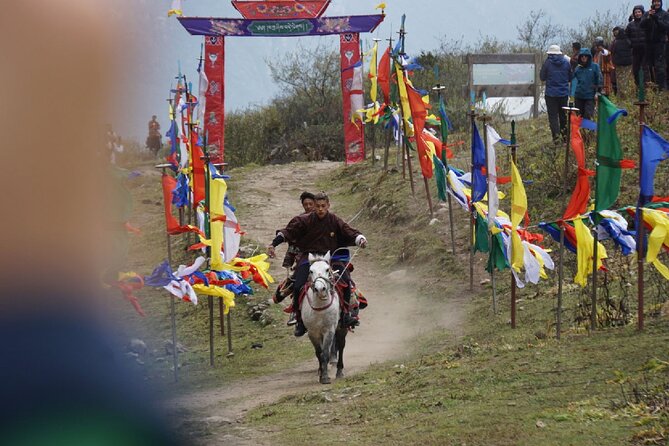
- Festival-ready pacing: you’re in position for the Jomolhari Mountain Festival with time to actually watch and take part
- Art and everyday Bhutan: Bhutan Post postcards, Choki Traditional Art School, and farm cooking stop the trip from feeling like a checklist
- Trek logistics handled for you: warm tents, porters, kitchen crew, and dining tent support take the stress out of camp days
- Ritual experiences, not just sightseeing: butter lamp lighting, private blessings, and archery moments with monks
- High passes with clear altitude context: Bongtsho La (~4,890m) and Takhung La (~4,520m) are part of the trek design
A 13-Day Bhutan Loop: From Paro Airport to Jomolhari High Camp
This trip is designed as a loop through Bhutan’s three big anchors: Paro, Thimphu, and Punakha—then the high Himalayan section for Jomolhari. That structure matters because it lets you see how Bhutan feels at different elevations and tempos. City mornings are short and social; mountain days are long and physical; then you come back down into food, hot stone soak, and a calmer rhythm.
The itinerary also keeps giving you “small wins” that don’t take extra effort. Tea breaks are built in, meals are already arranged, and entrance fees are handled, so you spend your attention on the actual experience. The trek days do get serious, but you’re not doing mystery navigation or logistics math at altitude.
You can also read our reviews of more hiking tours in Thimphu
Day 1 in Paro: Bridges, Bhutan Post, and Choki Art School
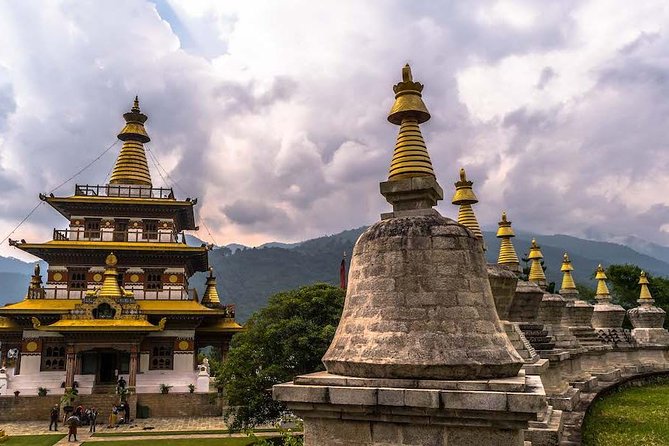
You land at Paro International Airport and within the same day you’re already out in the Bhutan flow. The plan starts with a private transfer and a visit to Tachogang Lhakhang Bridge, crossing an old iron bridge to reach a riverside temple. It’s the kind of stop that gives you a quick emotional hook: water, stone, and calm before the trip even begins.
Then comes Bhutan Post. You pick stamps and send your own postcards with your photo—an oddly satisfying activity because you’re not just touring. You’re making something. It also works as a built-in reminder to slow down and compose your message while everything is still new.
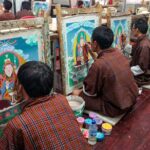
Finally, Choki Traditional Art School gives you a practical taste of craft culture, with painting and sculpting as part of the visit. This is one of the reasons the trip feels more personal: you’re not only watching tradition; you’re doing a piece of it.
Possible downside for day one: it’s light on downtime. If you’re traveling far to reach Bhutan, consider arriving with enough rest so you can enjoy the first day without rushing.
Thimphu Starter Day 2: Takin, Buddha Dordenma, Markets, and Archery
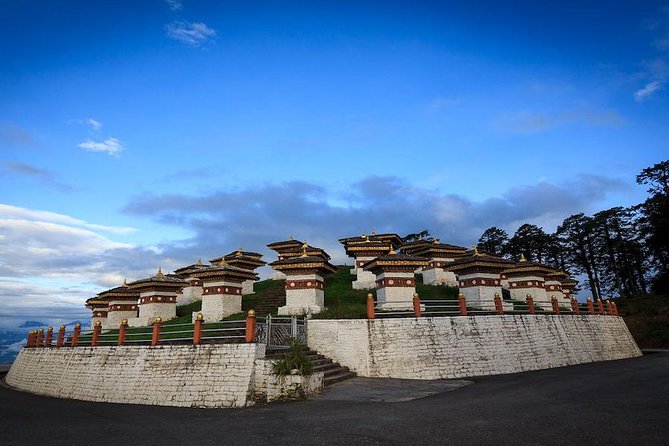
Day 2 is the “Welcome to Bhutan” day, and it’s a good mix of spiritual, natural, and local life. You start with a hike at Wangdi-tse Monastery, paired with a morning yoga session in the courtyard. Even if you’re not a yoga person, it’s a gentle way to wake up your body for the days ahead.
Next is Motithang Takin Preserve, where you meet Bhutan’s national animal, the takin. It’s a quick stop, but it’s a fun one because it feels specific to Bhutan rather than generic zoo-tour. After that, Buddha Dordenma is a peaceful spiritual stop with the world’s tallest sitting Buddha.
Then you shift into everyday culture. The Centenary Farmers Market is a practical, sensory experience: local produce and handicrafts, plus a chance to see what people buy and make. An Ambient Cafe tea and snack break keeps the day realistic, not nonstop.
Thimphu city time rounds it out with a stroll around Norzin Lam and opportunities to browse boutiques and cafés. The day ends at Changlimithang Stadium and Archery Ground, where you can watch Bhutan’s national sport. Watching archery here feels different than seeing it in a distant demo—it’s part of local rhythm, not a performance.
Punakha Days 3–4: Dzong Views, Farm Cooking, Rice-Field Temples, River Time
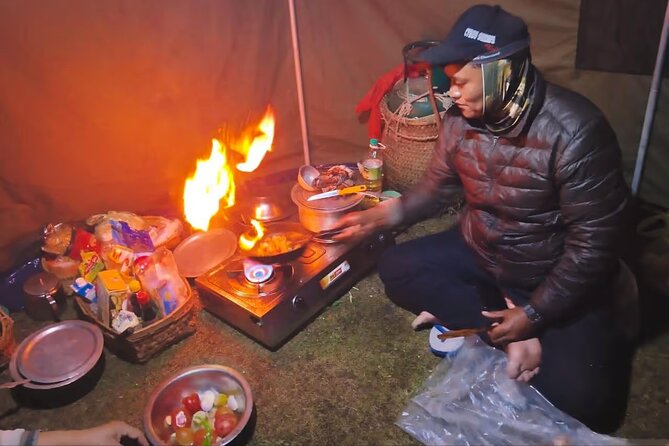
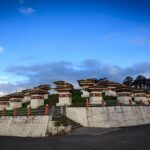
You’ll feel the change of scenery when the trip moves to Punakha. On Day 3, Dochula Pass is a short stop with big views: 108 chortens arranged around panoramic Himalayan scenery. It’s the kind of place where the air and light do most of the work, and you don’t need a long explanation to appreciate it.
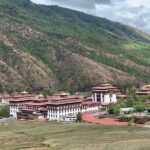
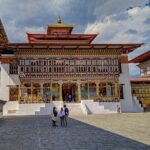
After a snack stop at Druk Wangyel Cafe, you reach Punakha Dzong, the riverside fortress of happiness. The setting is the point here. The dzong sits in a river valley environment that makes you slow your pace naturally.
Then the trip gets hands-on. At Aum Leki’s Farmhouse, you join a cooking class with a Bhutanese family. This is not just “watch someone cook.” You prepare traditional recipes, then share the meal. For me, that’s where culture becomes memory instead of photo captions.
Day 4 adds more variety and more action. Khamsum Yulley Namgyal Chorten involves a hike through rice fields to a riverside temple, and the journey itself is part of the experience. Khuruthang brings another riverside café break at Garuda Café.
Then you get river play: a rafting/kayaking session on the Mo Chhu River. If you’ve only ever hiked on travel days, this is a welcome change of pace—movement without the altitude tax.
You also get a Bhutan spiritual and cultural layer that’s more interactive. A Raven signature experience includes private blessings, butter lamp lighting, archery, and interaction with monks. This is a meaningful mix of ritual and sport rather than one-note sightseeing.
The day ends with a visit to a local school. It’s short, but it helps keep the trip anchored in real community life.
Lungchotse and Thimphu Cafés: A Warm-Up Before Paro Taktsang
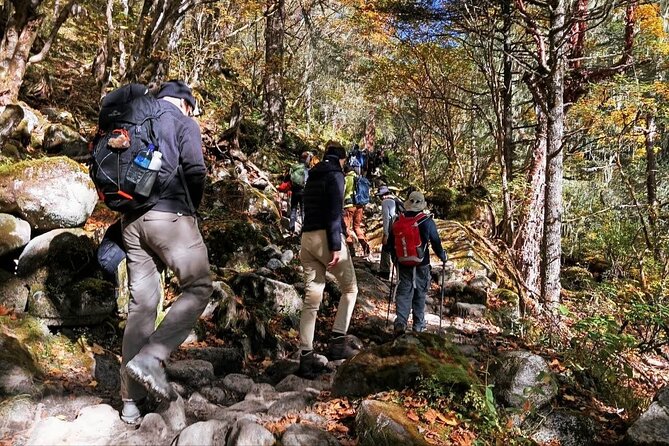
Day 5 functions as a warm-up day. Lungchotse Hiking Trail is a scenic forest and ridge trail with panoramic Himalayan views, taking about 3 hours. It’s long enough to feel like a hike, but it’s not a stamina test.
You also get a quick tea stop at Café at the Bend. That matters more than you’d think. In mountain travel, frequent small breaks keep you from turning the day into “survive the next hour.” Here, the rhythm is built in.
This is the day I’d recommend using strategically. If you want to check how your body handles movement, Day 5 gives you feedback without punishing you.
Paro Taktsang and Hot Stone Bath: The Iconic Temple Day
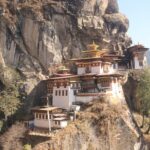
Paro Taktsang is one of Bhutan’s most iconic sights, and this plan doesn’t treat it like a quick photo stop. It’s a guided hike to the cliffside temple, taking about 7 hours. That’s a full day. You’ll want comfortable shoes, a steady pace, and the patience to accept that in Bhutan, “iconic” usually means “time-consuming.”
After the hike, you get a traditional hot stone bath. The evening recovery here is not random; it’s a smart counterweight to a long day. Then you’re back to lighter things: a stroll through Paro’s handicraft shops and cafés.
This pairing is a big value point. Many treks add a temple and then leave you to recover on your own. Here, the recovery is part of the itinerary.
Jomolhari Festival Trek Days 7–9: Camps, Mask Dances, and Dress-Up Culture
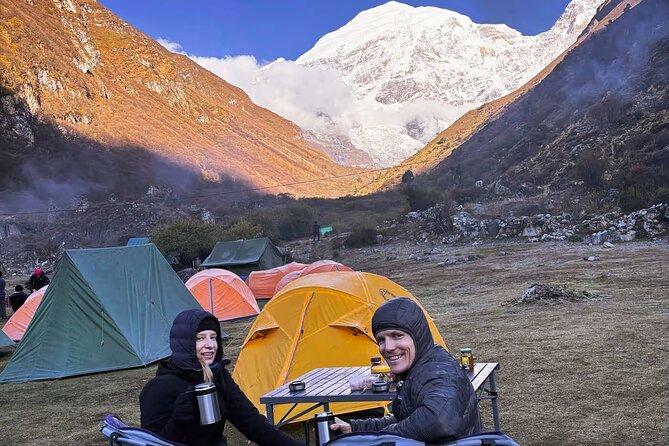
Now we get to the heart of the trip. Day 7 begins the Jomolhari Festival Trek, moving along river valleys and forest trails with pine and rhododendron scenery. You reach Thangthangkha Camp, and the day’s job is to get you used to the trek rhythm.
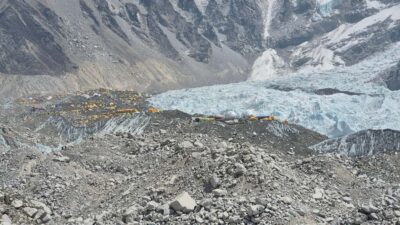
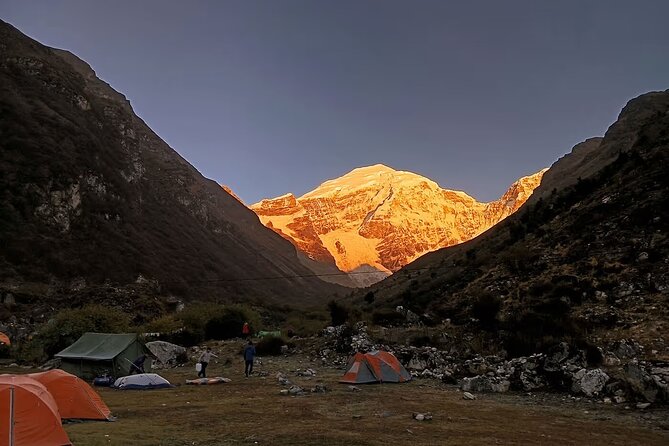
On Day 8 you trek to Jomolhari Base Camp and go on to Jangothang. The ascent happens gradually through highland valleys with yak pastures. The trekking time is about 5–6 hours, and the camp is around 4,080m. That altitude number matters because it’s where many people start feeling the thin-air effects if they came in too fast. Your best move is to keep your effort steady and let your breathing find its pace.
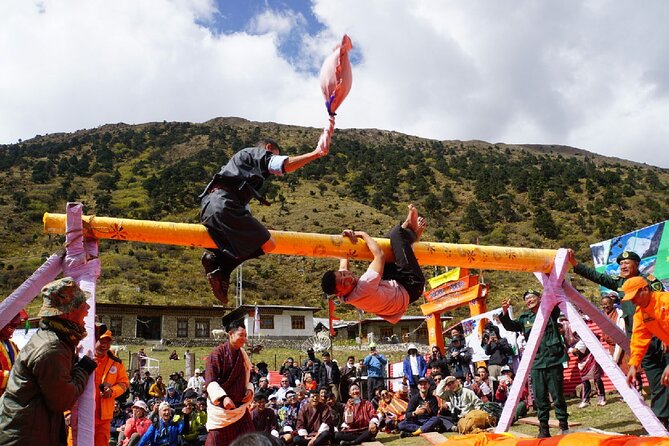
Day 8 also brings the Jomolhari Mountain Festival moment, with traditional mask dances and highland traditions. It’s not just a “festival exists” stop. You join locals in the highlands for the performances, which is where this trip earns its name.
Day 9 is the full festival day at the festival venue. You’ll spend the day immersed in mask dances and cultural performances. You also get the option to dress in Bhutanese attire, wearing kira or gho for a deeper cultural connection and memorable photos.
Practical consideration: dress-up is fun, but it can also make you think less about comfort. If your clothing choice affects how you feel while walking or sitting for performances, choose what lets you stay comfortable through long stretches.
Pass Crossings on Days 10–11: Bongtsho La, Takhung La, and Quieter Highlands
Day 10 is where the trek becomes more serious. You go from Jangothang and start the ascent across mountain passes with dramatic Himalayan panoramas, about 7–8 hours trekking. The featured pass is Bongtsho La at approximately 4,890m, with views of Mt. Jomolhari, Jichu Drake, and nearby peaks. This is the day for big effort and big reward.
Day 11 keeps the challenge going. You trek from Soi Yaksa, following alpine ridges and meadows into quieter highlands for about 6–7 hours. Takhung La (~4,520m) comes with sweeping views of snowcapped ranges and remote valleys. This is a nice contrast to the festival crowds: you get both the social cultural peak and the quieter mountain side of the region.
Both days reinforce what makes this trek different from a simple “walk to a view.” You’re moving through terrain at altitude while the itinerary layers in the cultural payoff earlier. The trip builds anticipation, then delivers.
Final Descent Day 12 and Wellness in Paro: Sharna Recovery to Let Your Body Exhale
Day 12 brings the payoff of descending. You trek from Thombu Shong down through forests and valleys to Sharna, about 7–8 hours, around 2,850m. Then you get a scenic drive back to Paro. That drive is useful because you’re already tired, and it saves you from turning “rest day” into “transport day.”
The evening includes a Bhutanese wellness treatment in Paro. Even though details aren’t specified, the key point is the trip acknowledges recovery as part of the plan, not as an afterthought.
By the time you reach Day 13, you’re simply heading back to Paro International Airport via private transfer.
Price and Value for $5,880.60: What You’re Paying For
Yes, $5,880.60 per person is a lot. Bhutan trips often are. But the price makes more sense when you look at what’s included beyond basics.
You’re getting:
- All meals (and tea/coffee/snacks breaks in hand-selected cafés)
- Accommodation for 7 nights in boutique hotels, eco-lodges, and family farmhouses
- Trekking logistics: warm tents plus full support with porters, kitchen crew, and a dining tent
- Entrance fees for monasteries, museums, and parks
- Government fees like Bhutan visa fee and Sustainable Development Fee (SDF)
- Bottled water during the tour
- Raven signature experiences (including dress-up photo, tree planting, archery, hot stone bath, and butter lamps)
- A licensed English-speaking Raven guide
- Private transport in SUVs/vans, with a larger bus option for bigger groups
What’s not included is also clear: international flights, travel insurance, alcohol, personal expenses, and gratuities are not mandatory. When a trip like this includes so much on the ground, you’re paying for orchestration: guides, logistics, permits/fees, and the staff that make high camp life possible.
So the value question becomes simple: do you want to manage trekking support, festival logistics, and all the site fees yourself? If not, this cost starts looking less like a luxury charge and more like buying peace of mind.
Who This Trek Is For (and Who Might Struggle)
This fits best if you:
- can handle moderate fitness and long trekking days (several days run 6–8 hours)
- want cultural time that’s not only museum stops (craft school, cooking with a family, Bhutan Post postcards, school visit)
- like the idea of both high-altitude trekking and a festival day where you participate, not just watch
It might be a struggle if you:
- prefer short hikes or minimal time at altitude
- need frequent rest days with no physical demands
- get stressed when the plan is tightly structured (even though the experience is private, you still have a clear schedule)
Should You Book This Jomolhari Festival Trek?
If you want Bhutan with real motion—temples, rivers, high passes, and the Jomolhari Mountain Festival—the structure here is strong. The biggest reason to book is the balance: culture is not an add-on, and the trek support is built into the itinerary so you can focus on the walking and the moments that matter.
I’d book if you’re comfortable committing to a multi-day trekking rhythm and you’ll enjoy long days that start early and end later. I’d pause if you’re unsure about altitude tolerance or you want a gentler pace.
If the festival timing and Jomolhari trek are the main goal, this is the kind of trip where the logistics do the heavy lifting, and you get to enjoy what Bhutan is best at.
FAQ
What types of meals are included on this tour?
All meals are included during the tour. Lunch and dinner are included for the trek days and throughout the itinerary, with tea, coffee, and snacks also provided at selected stops.
What trekking support is included while camping?
You get branded warm tents plus full trekking logistics, including porters, a kitchen crew, and a dining tent for camp life.
Are entrance fees and government fees included?
Yes. Entrance fees for monasteries, museums, and parks are included. Bhutan visa fee and the Sustainable Development Fee (SDF) are also included, along with applicable taxes and surcharges.
How physically demanding is the trek?
The experience is for people with a moderate physical fitness level. Several trekking days run about 6–8 hours, and the route includes high passes such as Bongtsho La (~4,890m) and Takhung La (~4,520m).
Is the tour private?
Yes. This is a private tour/activity, and only your group will participate.
What happens if the weather is poor?
The experience requires good weather. If it’s canceled due to poor weather, you’ll be offered a different date or a full refund.
Can I get a full refund if I cancel?
Yes. Free cancellation is available, and you can cancel up to 24 hours in advance for a full refund. If you cancel less than 24 hours before the start time, the amount paid is not refunded.