REVIEW · PARO
A 7-Day Journey Through the Land of Happiness
Book on Viator →Operated by Happy Place Expedition · Bookable on Viator
Tiger’s Nest is only the start. This 7-day run through western Bhutan strings together big-name temples, hands-on culture, and nature conservation—without making you guess what to do next. I like that the schedule hits Thimphu early, then slows down for Phobjikha’s conservation focus, and ends with the Paro highlights. I also like that you’re not just sightseeing: you’ll learn about Bhutan’s culture through places like the Royal Textile Academy and Bhutan Post Museum, plus you get a chance to wear gho or kira.
One possible drawback: it’s fast-paced, with several hikes and temple visits across different elevations, so you’ll want to be comfortable moving each day. If your ideal Bhutan trip is long, quiet mornings with minimal walking, this one may feel a bit busy.
In This Review
- Key things that make this itinerary work
- Western Bhutan in 7 days: the right mix of wow and meaning
- Price and value: what $2,105 covers (and what it doesn’t)
- Day 1: Paro arrival, Thimphu monuments, and an easy first-night dinner
- Day 2: Buddha Dordenma, Royal Textiles, and Bhutan Post Museum in Thimphu
- Day 3: Dochula Pass at 3,100m, then on to Phobjikha’s quieter rhythm
- Day 4: Gangtey Monastery, a nature trail, and the Black-necked Crane Center
- Day 5: Khamsum Yulley Chorten hike, Punakha Dzong, and a ridge-top nunnery
- Day 6: Paro Taktsang (Tiger’s Nest) hike plus Ta Dzong in Paro
- Day 7: Departure from Paro, with an optional Kyichu Lhakhang stop
- What you’ll actually learn about Bhutan from this route
- How to prepare: comfort, weather, and your walking level
- Who should book this Bhutan trip (and who should skip it)
- Should you book? My honest call
- FAQ
- Is this tour private?
- What’s included in the price?
- Are meals provided?
- Will I pay extra for entrance fees at temples and attractions?
- Can I wear Bhutan’s national dress during the trip?
- How much hiking should I expect?
- What if weather is bad?
Key things that make this itinerary work
- A smooth first day in Thimphu that gets your bearings fast, then eases you into local food
- Textiles and postal history in the mix so you don’t only chase temples
- Phobjikha conservation focus with a Black-necked Crane Center stop
- Hikes that match the view (Dochula Pass, Khamsum Yulley Chorten, and Paro Taktsang)
- Included hot-stone bath for recovery after active days
- Private group format so your pace and questions don’t get lost in a crowd
Western Bhutan in 7 days: the right mix of wow and meaning
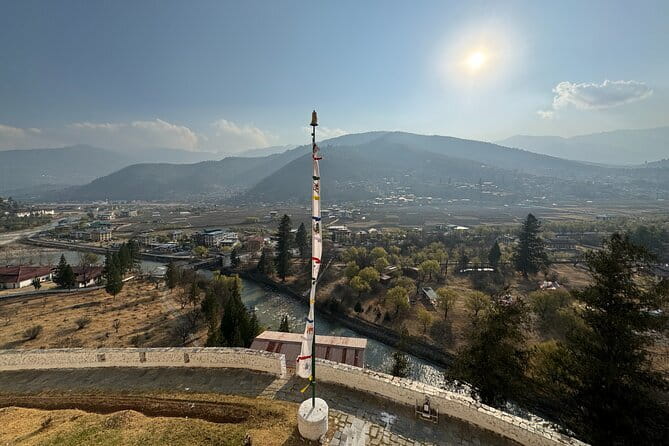
This tour is built around western Bhutan’s strongest “felt sense” of the country: monasteries you can see from a distance, stories you hear on the ground, and nature that’s protected for a reason. You move from Paro to Thimphu, down toward Punakha, and then into Phobjikha Valley before circling back to Paro.
The pacing can be intense—especially if you like to linger—but the tradeoff is that you get a lot of Bhutan’s main themes in one week. You’ll see how Buddhism is woven into everyday spaces, how Bhutan supports living traditions (like textiles), and how conservation shows up in real visitor experiences (like crane-related education).
And it’s not just theory. Stops like the Norzin Lam human traffic signal add a specific, practical flavor to your day. You’re constantly seeing Bhutan as a system—religion, community, and daily routines all tied together.
You can also read our reviews of more tours and experiences in Paro
Price and value: what $2,105 covers (and what it doesn’t)
At $2,105 per person, this isn’t a cheap budget trip. The upside is what’s bundled in. Your cost includes an air-conditioned vehicle, an English-speaking tour leader and driver, all accommodations (twin-sharing, 3-star hotels certified by the Tourism Council of Bhutan), and all meals (7 breakfasts, 6 lunches, 6 dinners). It also includes the site entrance fees and government-related fees (SDF fees and visa application fees are stated as included).
That matters because Bhutan travel gets expensive quickly once you add up daily logistics: transport, guides, entry fees, and the government fees that go with visiting. By keeping those covered, you can plan your spending around what’s truly optional: shopping, laundry, tips, and personal purchases.
Also note a couple of practical inclusions that make travel smoother:
- Drinking mineral water in the car
- Hot-stone bath (included with no extra charge, aside from any spa charges beyond that)
What’s not included is equally important. You’ll still want to budget for personal expenses, and travel and medical insurance is not included. A single room supplement is also not included, so if you need your own room, factor that in. Finally, Bhutan flights aren’t part of this package.
Day 1: Paro arrival, Thimphu monuments, and an easy first-night dinner
Your trip starts with a straightforward arrival flow: you land in Paro, and your guide is there to help you get settled and into the car. From there, you head into Thimphu for an afternoon and evening full of major civic and religious landmarks.
Tachogang Lhakhang Bridge is your first quick pause en route to Thimphu. It’s a small moment, but it gives you a neat historical hook—this bridge is connected to Thangthong Gyalpo. It’s the kind of stop that prevents your first day from feeling like only driving and checking boxes.
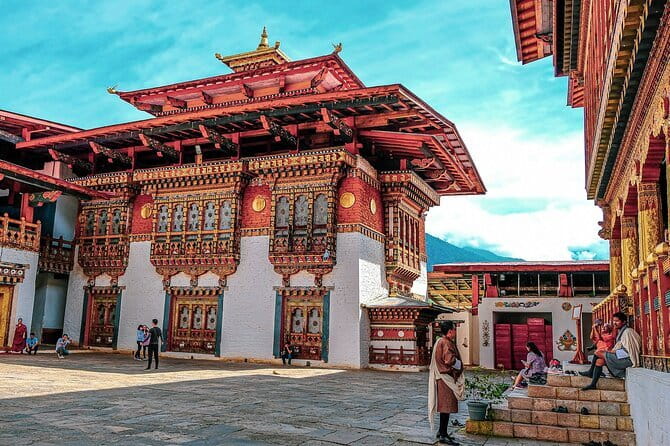
Then you move through Thimphu Memorial Chorten and Tashichho Dzong (the fortress used for the Central Administration Headquarters). These stops do two things for you early on: they teach Bhutan’s public-religious overlap and help you understand why dzongs and chortens matter beyond their architecture.
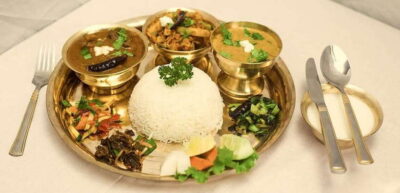
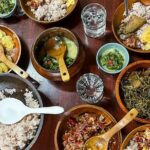
Finally, you end at Babesa Village Restaurant for dinner in a traditional Bhutanese ambiance. The dinner stop is practical for jet lag: you get a planned meal instead of having to figure out where to go on day one.
Potential consideration: Day 1 has multiple visits with set time blocks. If you arrive tired, you’ll want to keep your energy for the next hike-heavy days—don’t let the schedule push you into a late-night slump.
Day 2: Buddha Dordenma, Royal Textiles, and Bhutan Post Museum in Thimphu
Day 2 adds variety in a smart way. Instead of stacking more dzongs and monasteries back-to-back, it uses cultural institutions to teach you how Bhutan preserves identity.
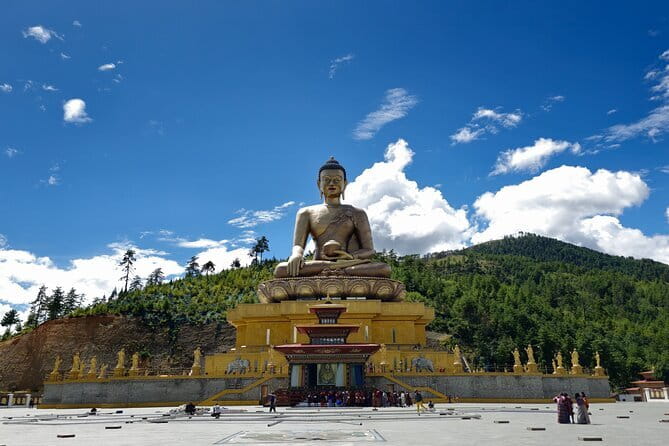
You start with Buddha Dordenma, a monumental Buddha statue reached by drive up to Buddha Point. It’s designed for scale—something that visually anchors your sense of Bhutan’s spiritual priorities.
Next is the Royal Textile Academy of Bhutan, where you’ll see Bhutan’s living textile arts. This isn’t just a museum stop; it’s a window into how clothing and pattern-making carry culture across generations. It’s also a nice setup for later national dress moments.
Then comes Bhutan Postal Museum, tied to the everyday rhythm of communication. You’ll also have the chance to create personalized stamps featuring your design—small, but it’s exactly the kind of souvenir you’ll feel good about, because it’s interactive rather than generic.
A surprisingly memorable quick stop is Norzin Lam 1, the human traffic signal. You see police officers managing traffic instead of traffic lights. It’s brief, but it gives Bhutan’s system-level thinking a place you can recognize instantly.
After lunch you head up the Wangditse Trail to Wangditse Lhakhang. The listed time here suggests a moderate walking portion, and the payoff is the views over the area (with Tashichhodzo referenced as a visible landmark).
Potential consideration: Day 2 is still active and full of stops. If you prefer deeper downtime between sights, you may want to carry a snack and plan for brief rest moments rather than trying to sprint.
Day 3: Dochula Pass at 3,100m, then on to Phobjikha’s quieter rhythm
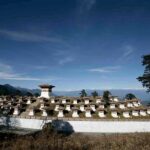
Day 3 is a shift: you head toward Punakha with a stop at Dochula Pass (3,100m). If the weather is clear, you may get those classic snow-capped Himalayan views. Even if visibility isn’t perfect, the pass stop still works because it marks a dramatic change in scenery and altitude.
After your meal, you continue onward to Phobjikha Valley, with your guide arranging your transition to accommodation so you can unwind. This “switch” is valuable in the itinerary. After several active temple stops, you get a calmer valley arrival where your body can adjust before the next day’s longer nature and monastery time.
Potential consideration: altitude and weather both matter at passes. You’ll feel it if you rush, so take the view pause seriously. Also, layers help—mountain weather can flip quickly even within one day.
Day 4: Gangtey Monastery, a nature trail, and the Black-necked Crane Center
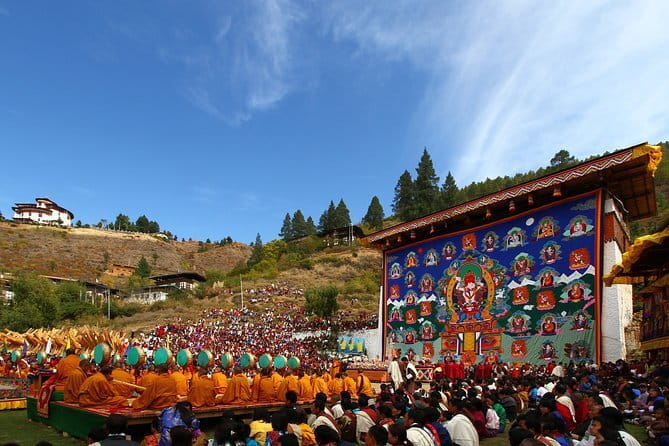
Day 4 is where conservation becomes real, not abstract. You visit Gangtey Monastery (Gantey Gompa), associated with the Nyingmapa school and the Pema Lingpa tradition. It’s a key monastery in the region, and having it early in the day helps you anchor the “why” behind the landscape you’re exploring.
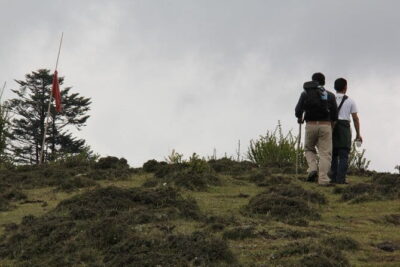
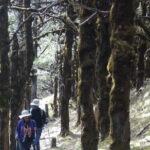
Then you walk the Phobji Nature Trail around Gangtey Valley for about two hours. This is your chance to slow down and take photos without feeling like every step is another ticket booth. The point is to see the valley at human speed.
After that comes the Black Necked Crane Center. Here, you learn about the ecosystem and why the cranes matter in Bhutanese culture and conservation efforts. This is the best kind of tourism: it turns your wildlife interest into understanding and context, so your time doesn’t end at a look-and-leave snapshot.
Potential consideration: this is a full walking day plus a center visit. Wear shoes that handle uneven ground and plan for weather changes. If you’re prone to feeling cold, bring warm layers even if Thimphu felt mild the day before.
Day 5: Khamsum Yulley Chorten hike, Punakha Dzong, and a ridge-top nunnery
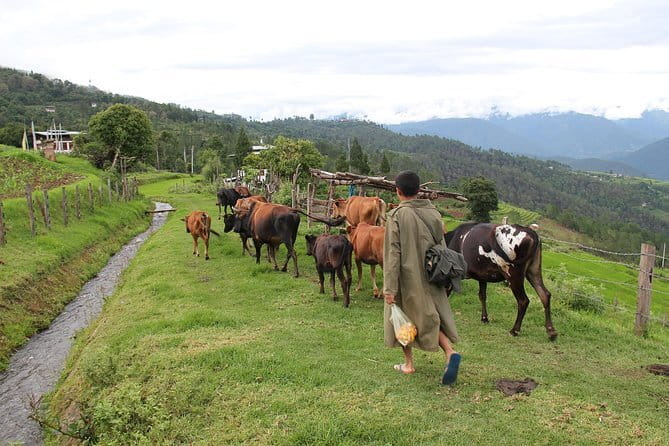
Day 5 stacks three spiritual stops, but it also varies the experience. You start with a hike to Khamsum Yulley Namgyal Chorten, described as traveling through paddy fields with sweeping views. The listed time suggests it’s not a quick stroll—this is a “walk with purpose” day, where you’ll want to pace yourself and enjoy the changing scenery.
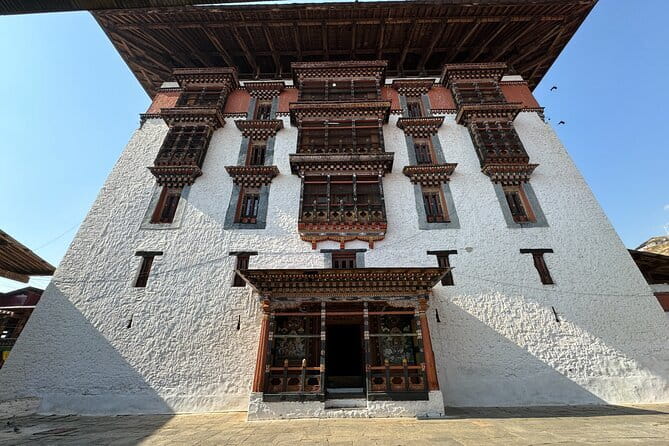
Then you reach Punakha Dzong, widely known for its beauty. You’ll spend time admiring the structure’s intricate details and hear about the head of Bhutan’s clergy and where monks reside during their seasons in the dzong.
Finally, you visit Sangchhen Dorji Lhuendrup Lhakhang Nunnery, perched on a ridge among pine trees. This stop is great for perspective: it adds a different monastic setting compared with the larger dzong complex, and ridge locations often give you a bigger view of the area.
Potential consideration: by this point in the trip, your legs have logged multiple days. You’ll do best if you treat today as stamina work rather than “max effort” sightseeing.
Day 6: Paro Taktsang (Tiger’s Nest) hike plus Ta Dzong in Paro
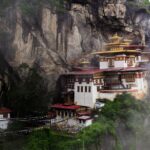
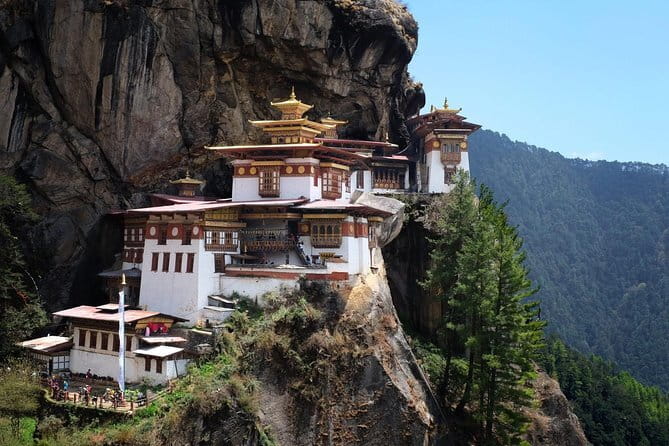
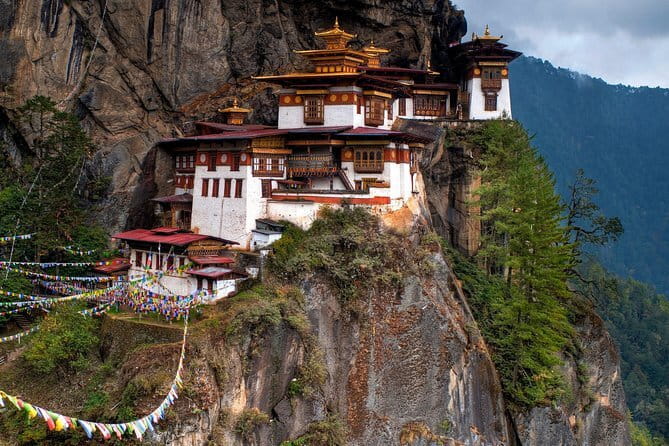
If you’re choosing this tour for one signature experience, it’s Paro Taktsang Monastery, also called Tiger’s Nest. The itinerary sets aside about five hours for the hike to reach the monastery and take in the setting. This is the day that makes the whole trip feel like Bhutan, because it’s a pilgrimage-style outing.
After Taktsang, you continue to Ta Dzong, originally built as a watchtower in 1649 to help defend the nearby Rinpung Dzong. Even if you’re not a fortress-history nerd, having this place after Taktsang gives your brain a switch: from spiritual destination to strategic architecture.
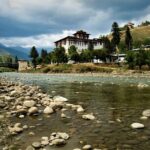
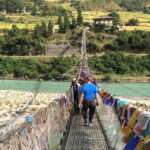
Then you finish with time in Paro District for a leisurely stroll. The plan includes an ancient traditional bridge and time to shop for clothing. This is also where the itinerary explicitly notes the opportunity to wear Bhutan’s national dress—gho for men and kira for women—a fun, memorable cultural moment that feels participatory rather than staged.
Potential consideration: Taktsang is the hardest time commitment on the schedule. Plan to go slow. If you’re worried about stamina, tell your guide in advance so the pacing can be adjusted for your comfort.
Day 7: Departure from Paro, with an optional Kyichu Lhakhang stop
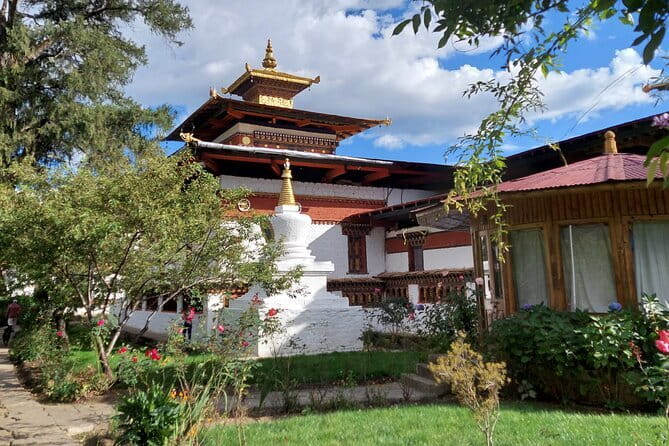
On day 7, you depart from Paro. If timing is favorable, the itinerary may include Kyichu Lhakhang, described as one of Bhutan’s oldest and most sacred temples, before you head to the airport.
This is a nice “bookend” because it gives you one more deep spiritual stop without turning the final day into another hike. It’s also a practical way to make use of the time you sometimes lose with airport schedules.
What you’ll actually learn about Bhutan from this route
A good Bhutan trip should teach you how symbols work: buildings, prayer, and everyday rules all connect. This itinerary does that in a few tangible ways.
You’ll hear stories linked to major regions, including the legendary “Divine Madman” of Punakha referenced in the tour theme. Even when you don’t remember every name and date, you come away with a better sense of how belief and local identity intertwine.
You’ll also see culture as lived practice. The Royal Textile Academy helps you understand that crafts aren’t just souvenirs. They’re part of how Bhutan protects identity. Then the chance to dress in national clothing turns that knowledge into a personal experience.
Finally, the Black-necked Crane Center connects Bhutan’s religion-and-nature approach to real conservation work. It turns the idea of protecting animals into something you learn, not something you just admire from a distance.
How to prepare: comfort, weather, and your walking level
This itinerary is not built for people who want a seat most of the day. You have multiple hikes and temple walks, including:
- A hike day to Khamsum Yulley Chorten
- A long hike day to Paro Taktsang
- A couple of shorter walking portions around monasteries and nature trails
The good news is that the schedule includes regular visits with time blocks for travel and meals. Your recovery tool here is the hot-stone bath, included with no extra cost. That’s especially helpful after heavier hiking days.
Weather is a real factor. The tour is stated to require good weather, and it’s mentioned you may be offered a different date or a full refund if poor weather cancels it. That matters for mountain views at Dochula Pass and for the overall trekking experience.
Practical tip: pack layers and don’t assume warmth will stay constant across elevations. Also, plan for comfortable footwear. Even when stops are “only” a couple of hours, Bhutan’s stone steps and uneven paths are part of the package.
Who should book this Bhutan trip (and who should skip it)
This tour is a strong fit if you want:
- A structured week with transport, hotels, meals, and entrance fees handled
- A balance of temples, culture, and nature conservation
- The ability to handle multiple days with hiking and walking
It may not fit if you:
- Want a slow, minimalist itinerary with long rest periods
- Get stressed by moving through several timed stops each day
- Need a trip with lots of downtime and fewer active outings
If you’re hoping for a Bhutan “greatest hits” week with meaningful context and you like your days organized, this is a compelling choice.
Should you book? My honest call
I’d recommend booking this tour if you want western Bhutan to feel complete in one week: Thimphu culture, Punakha highlights, Phobjikha’s conservation story, and the Paro finale. The value case is strongest because meals, accommodations, and site/government fees are covered, so you don’t end up doing mental math every night.
The main thing to watch is the activity level. Paro Taktsang is the big-ticket physical commitment, and other hike days mean you should train a bit (or at least be realistic) before you go.
One more reason I like it: the tour is private, so your guide and timing won’t be diluted by a mixed group dynamic. Add in the inclusion of a hot-stone bath and mineral water, and it feels designed to reduce friction—not just stack attractions.
FAQ
Is this tour private?
Yes. It’s described as a private tour/activity, and only your group will participate.
What’s included in the price?
The package includes an air-conditioned vehicle, monument fees payable to the Department of Culture, drinking mineral water in the car, all accommodations (twin-sharing at 3-star hotels certified by the Tourism Council of Bhutan), an English-speaking tour leader and driver, a hot-stone bath, visa service assistance, and all meals. Entrance fees and stated government fees (SDF and visa application fees) are included.
Are meals provided?
Yes. The tour includes 7 breakfasts, 6 lunches, and 6 dinners.
Will I pay extra for entrance fees at temples and attractions?
No. Entrance fees for the listed site visits are included in the package, and monument fees payable to the Department of Culture are also included.
Can I wear Bhutan’s national dress during the trip?
You’ll have the opportunity to wear Bhutan’s traditional national dress, with gho for men and kira for women, during the Paro District portion.
How much hiking should I expect?
You should expect multiple hikes and walking periods, including a hike to Paro Taktsang (about 5 hours listed) and a hike to Khamsum Yulley Namgyal Chorten (about 3 hours listed), plus shorter nature and monastery walks.
What if weather is bad?
The experience requires good weather. If it’s canceled due to poor weather, you’ll be offered a different date or a full refund.