REVIEW · KATHMANDU
Bhaktapur and Panauti Day Trip with Lunch – Private/Group
Book on GetYourGuide →Operated by Luxury Holidays Nepal · Bookable on GetYourGuide
Bhaktapur and Panauti make Kathmandu feel far away. I love the way Bhaktapur Durbar Square still reads like medieval Nepal, and I love how English-speaking guides (like Sajina, Sumit, and Hemant) turn temples into real stories. One catch: Panauti can feel smaller and more low-key than Bhaktapur, and the drive includes windy roads that may be affected by construction.
This trip is set up for comfort, with air-conditioned transport plus short electric-car stretches. You also get a practical packed lunch box, so you’re not hunting for food while you’re trying to see things, especially between towns. Private departures can start at flexible times, which helps when you want to dodge traffic or just sleep in.
The day runs about 8 hours, with group tours starting at 9:00 AM and private options available at 8:00, 9:00, 10:00, or 11:00. Plan on roughly $20 in entrance fees on-site for Bhaktapur Durbar Square and Panauti unless you choose the all-inclusive option.
In This Review
- Quick take: what I’d bank on
- Bhaktapur Durbar Square: where the details do the talking
- Panauti by the river confluence: calm streets, smaller sights
- Guides like Sajina, Sumit, and Hemant: stories that change the visit
- Electric-car segments, timing, and the reality of the drive
- Lunch that doesn’t derail your day: what’s in the box
- Price and value: where $45 feels fair (and where it may not)
- Entrance fees: avoid the surprise math
- What to wear and bring for temple days
- Pacing: how to get the most from both towns
- Who this trip fits best (and who should rethink it)
- Should you book Bhaktapur and Panauti for $45?
- FAQ
- What’s the tour duration?
- Are start times flexible?
- Is lunch included?
- Do I need to pay entrance fees?
- What language is the guide?
- What’s the cancellation policy?
Quick take: what I’d bank on
- Bhaktapur Durbar Square: temples, courtyards, and the 55-Window Palace with a guide who can explain what you’re seeing.
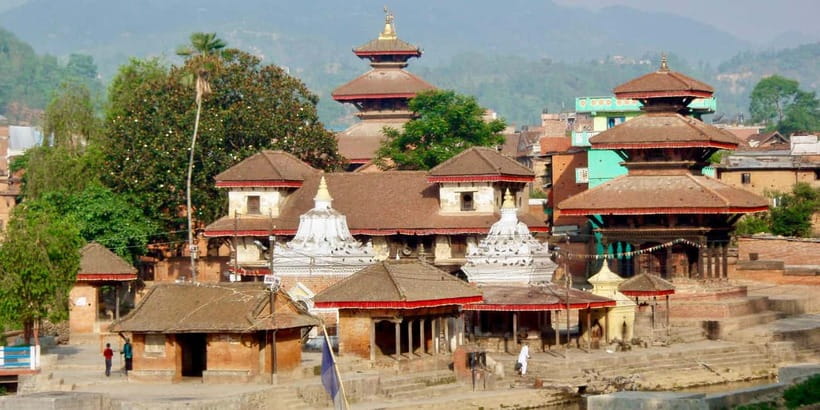
- Panauti by the rivers: quieter streets and the Indreshwar Temple complex, best when you’re in a slower mood.
- Specific guides: Sajina, Sumit, and Hemant get praised for history, religion, and day-to-day local habits.
- Lunch that travels well: bottled water, muffin, donut, banana, seasonal fruit, and juice (with a fuller meal option if you upgrade).
- Comfort + timing: air-conditioned pickup inside Kathmandu Valley, plus electric-car hops so you spend less time cramped on the road.
Bhaktapur Durbar Square: where the details do the talking
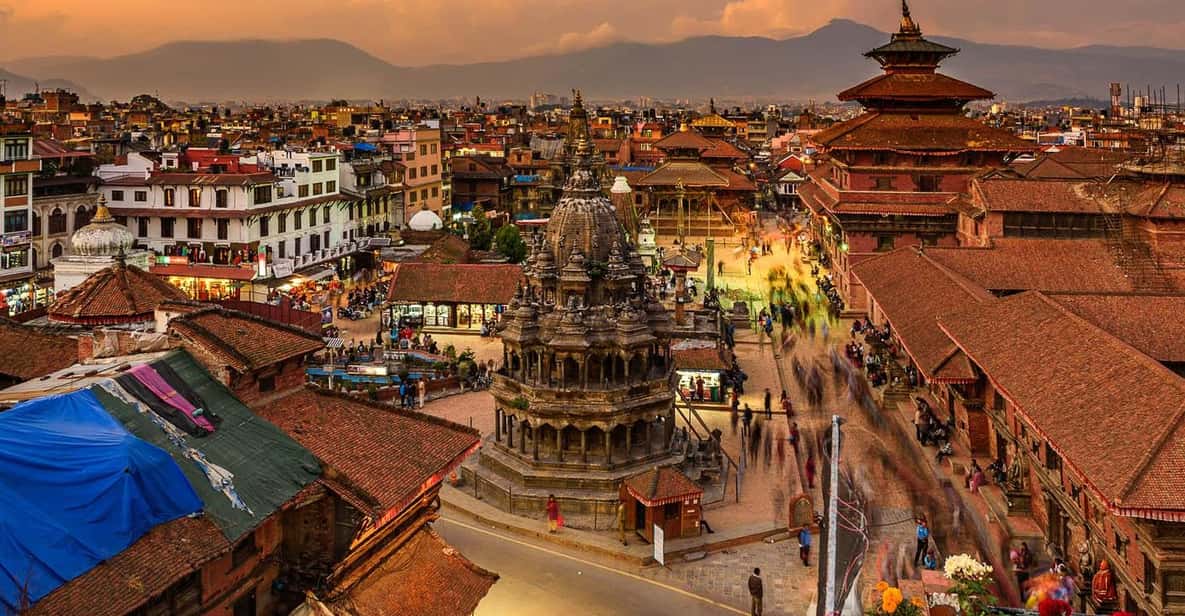
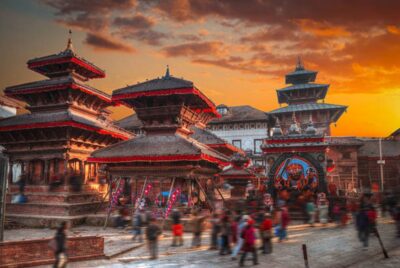
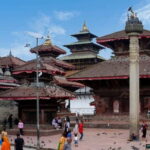
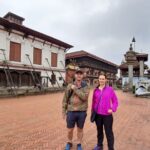
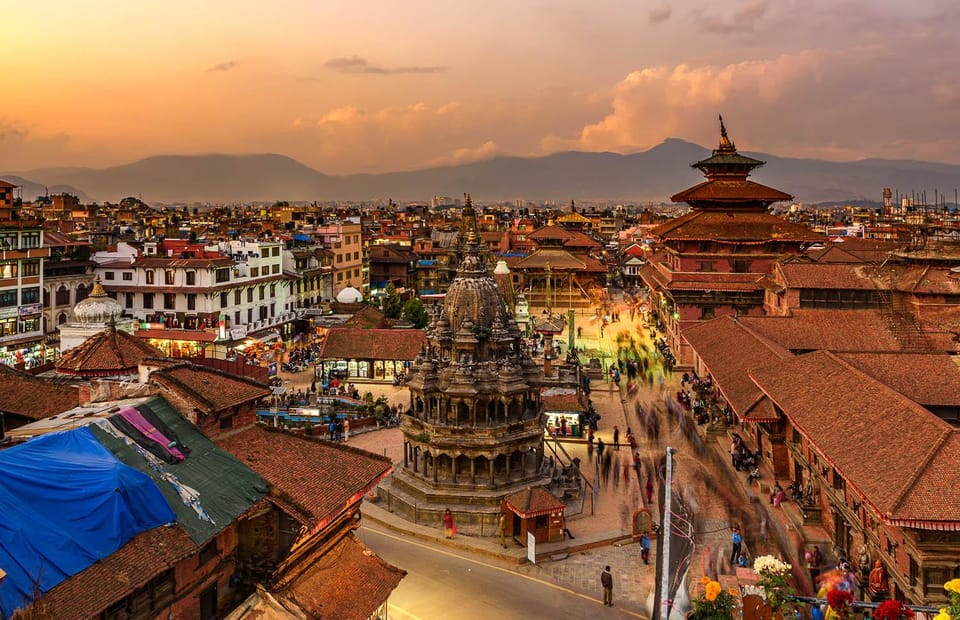
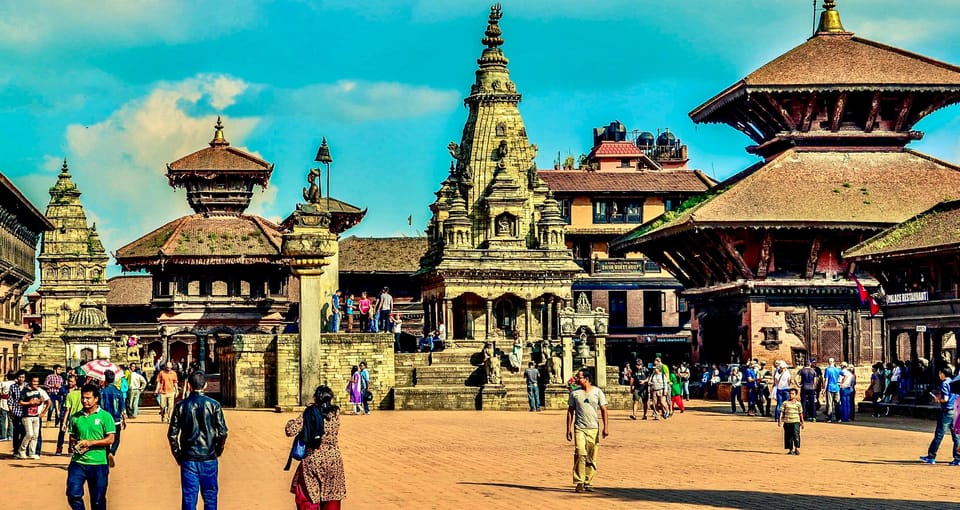
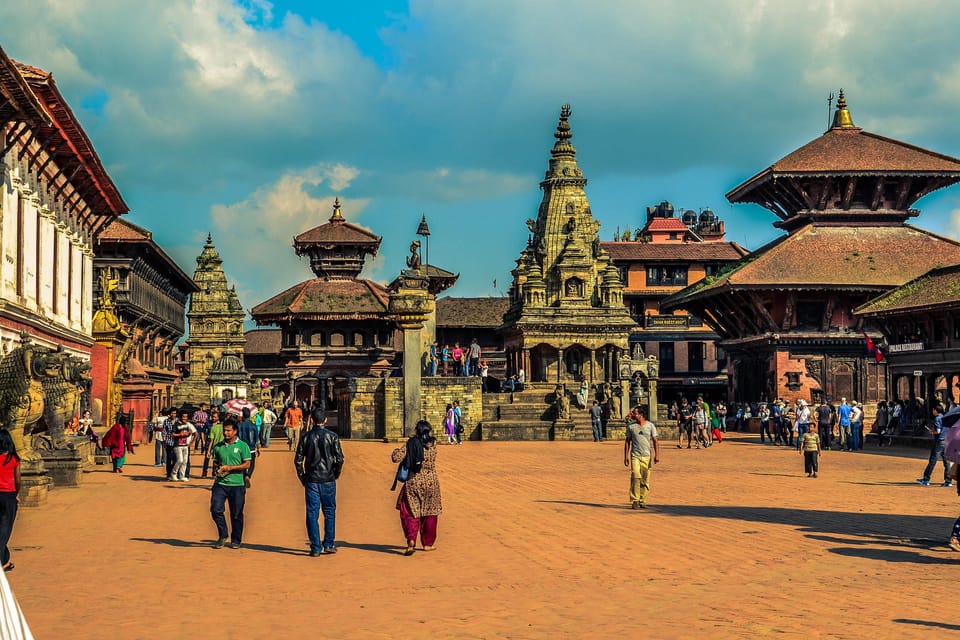
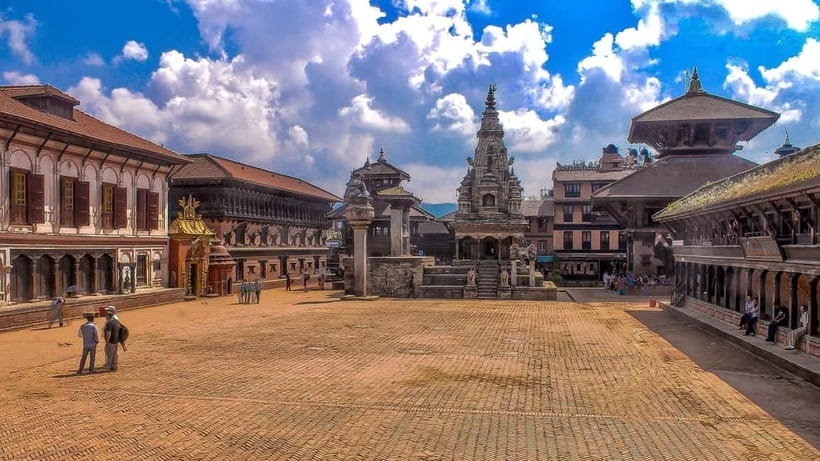
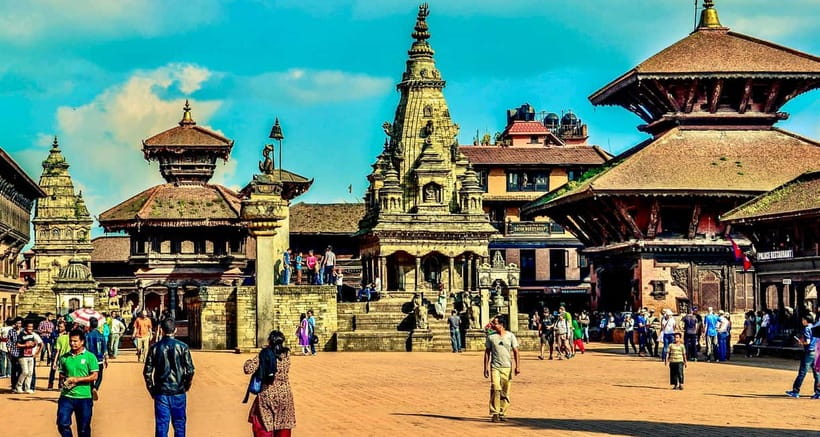
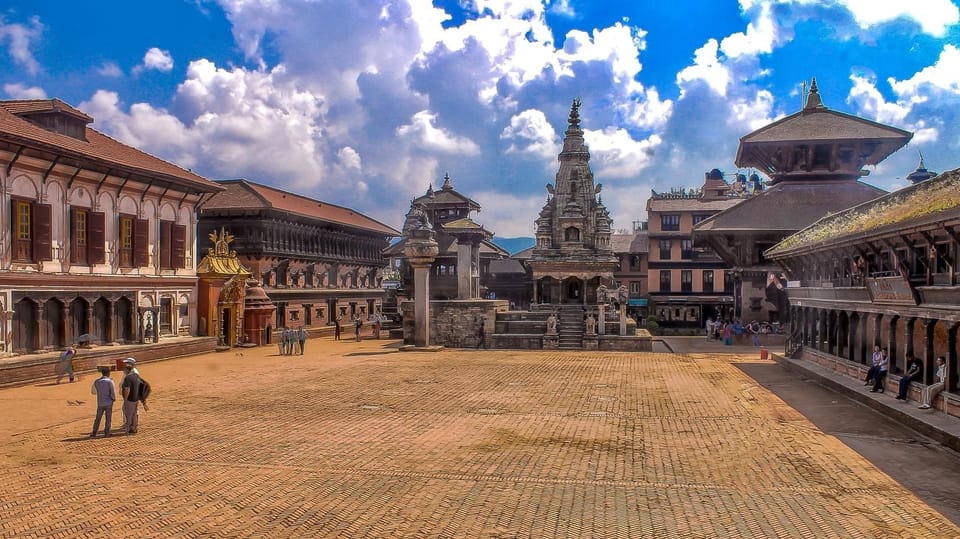
Bhaktapur Durbar Square is the heart of the day for a reason. You walk through a maze of stone courtyards and temple spaces where the architecture isn’t just pretty—it’s instructional. With a guide, the carved facades and sacred layouts start making sense instead of turning into a blur of sights.
Expect the classics: the 55-Window Palace and Nyatapola Temple. You’ll also have time to look around traditional courtyard areas and nearby town scenes like pottery squares. Even if you’re not a “temple scholar,” you’ll still get something out of the visit, because the guide connects the symbols to daily life and belief.
One practical note: Bhaktapur’s best moments are often slow moments. Take your time near the main temple clusters and don’t rush the photo stops. You’ll have a couple hours here, which is enough for a guided pass plus some wandering at your pace.
The vibe is also different from Kathmandu. This is a heritage town where streets and squares feel built for foot travel. If you come in expecting a busy, modern city experience, you’ll be pleasantly surprised by how much you can still read the past in the stonework.
You can also read our reviews of more private tours in Kathmandu
Panauti by the river confluence: calm streets, smaller sights
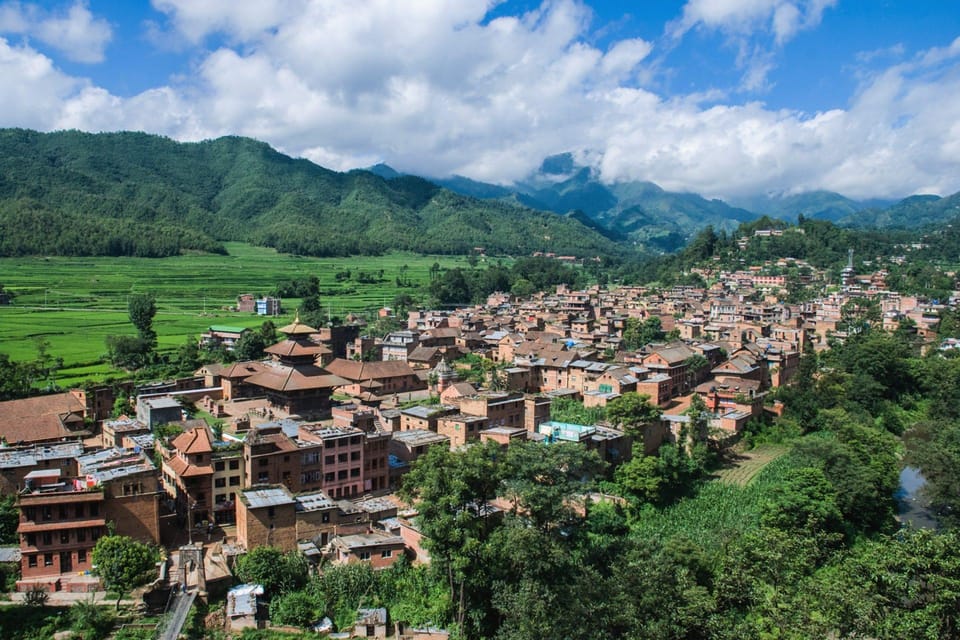
Panauti is your “breather stop” after Bhaktapur. It sits around the confluence of sacred rivers, and you’ll feel that shift from the bigger Durbar Square energy to something quieter and more local. Your walk goes through cobbled streets where the pace naturally slows.
The main target is the Indreshwar Temple complex, plus a general stroll through older lanes and spiritual spots. Compared with Bhaktapur, you should treat Panauti as more reflective than impressive. It’s not designed to overwhelm you with big monuments at every turn.
Here’s the balanced reality from what I’ve learned: some people find Panauti more urban than they pictured, while others feel it can look a bit small or tired outside festival periods. That doesn’t make it bad. It just means you’ll enjoy it most if you’re the type who likes quiet temples, everyday street life, and conversations sparked by a good guide.
If you’re short on interest, you’ll still get value from the drive plus the guided explanations. But if you came only for major wow-factor architecture, keep your expectations grounded: Bhaktapur does the heavy lifting.
Guides like Sajina, Sumit, and Hemant: stories that change the visit
The guide is where this day trip goes from sightseeing to understanding. I like that the tour is designed around an English live guide who can connect religion, history, and local habits to what’s in front of you.
Some guides (including Sajina) have been praised for being warm, attentive, and well prepared across history, religion, food, and everyday customs. Others (like Sumit) are highlighted for strong context on Hindu beliefs and the roles of different gods and deities. Hemant has also earned strong notes for being respectful and knowledgeable.
What this means for you: you’ll spend less time guessing what something is and more time noticing why it’s placed where it is. A temple becomes a story about community, not just a building. Even the food and market habits your guide mentions can make the towns feel real instead of staged.
One more practical perk: a good guide keeps things moving without rushing you. You get both the structured highlights and enough breathing room to wander the small streets that visitors often miss.
Electric-car segments, timing, and the reality of the drive
This is an 8-hour day, and you’ll feel the time balance between walking and riding. You’re picked up in Kathmandu Valley and travel by air-conditioned vehicle, with electric-car segments used for parts of the transfer.
The day is paced like this:
- Drive to Bhaktapur (about 1 hour)
- Short transfer to Panauti (about 45 minutes)
- Return to Kathmandu (about 1.5 hours)
Road conditions can vary. One person noted windy roads and stretches under construction, so if you get carsick, plan accordingly. The route is part of the experience, but it can also be the part you’ll remember most if your stomach is sensitive.
Timing matters because Bhaktapur and Panauti are calmer in the morning. Group tours run at 9:00 AM, while private tours can start at 8:00, 9:00, 10:00, or 11:00. If you prefer fewer crowds, the earlier start is usually the safer bet.
Also, you’re not left to figure everything out alone. The pickup process is set up so your driver should show a placard with your name or the tour name, and you’ll be waiting at your hotel lobby or the main entrance about 10 minutes before departure.
Lunch that doesn’t derail your day: what’s in the box
Hunger is the enemy of good sight hours, so I’m glad lunch is handled. You’ll get a lunch box with practical travel snacks and drinks: 500ml bottled water, a muffin, a donut, a banana, seasonal fruit, and juice. It’s not a fancy picnic, but it’s built for easy eating while you’re moving.
Between Bhaktapur and Panauti, that kind of predictable food matters. You don’t need to stop hunting for something open or scramble for cash and menus. And because the items are portioned, it tends to work well for different dietary needs with advance notice (the tour asks you to inform them of dietary requirements).
If you choose the all-inclusive upgrade, you get a fuller traditional Nepali lunch set or an à la carte dish choice. That option also covers monument entrance fees for the included sites, which can be worth it if you’d rather not deal with on-site payments.
If you’re picky about food, don’t assume the standard lunch matches your preferences. Still, the baseline box is designed to be straightforward and filling enough to keep you going through the walking hours.
You can also read our reviews of more tours and experiences in Kathmandu

Price and value: where $45 feels fair (and where it may not)
At $45 per person for an 8-hour guided day, the value depends on what you want from Nepal outside Kathmandu. You’re paying for three main things:
1) guided time (so the temples make sense),
2) comfortable transport (air-conditioned, pickup included),
3) a lunch setup that keeps the schedule intact.
If you’ve been doing self-guided temple walks, a guided day can feel like a shortcut to deeper understanding. Bhaktapur especially rewards a guide because there’s a lot to interpret in the stonework and layout.
The potential “watch-out” is entrance fees. There’s an on-site entrance fee of about USD 20 (for Bhaktapur Durbar Square and Panauti) unless you select the all-inclusive option. So the all-in cost may land higher than the headline rate once you add those fees.
Still, even with entrance fees, this is often a smoother option than hiring separate transport plus a guide plus finding lunch. For most people, the convenience is part of the payment.
My rule of thumb: if you want the least hassle and fewer cash moments, the all-inclusive choice can feel more “worth it.” If you’re already comfortable paying entrance fees on-site, the standard option can still work well.
Entrance fees: avoid the surprise math
Here’s the clean way to plan it. Entrance fees are only included in the all-inclusive option. If you choose the standard option, expect to pay about USD 20 on-site for the Bhaktapur Durbar Square and Panauti sites.
That doesn’t mean you’ll be stuck at the last minute. It just means you should carry enough cash or be ready to pay where required, so the day stays smooth and you don’t have that awkward moment of hunting for funds with your time running.
If you’re budget-tight, the standard option is fine. Just do the math early and don’t assume the tour rate includes everything.
What to wear and bring for temple days
Temple visits can be less about “special clothing” and more about avoiding discomfort. Wear comfortable shoes because you’ll walk around both towns, including cobbled streets in Panauti and thicker walking around Bhaktapur’s square areas.
Dress modestly. That’s not a vague rule. It’s a practical one, especially when you’re entering temple spaces where locals expect respectful clothing.
Bring water, even though bottled water is included in the lunch box. You might also want sunscreen and a light layer, depending on the season. If you’re sensitive to carsickness, consider a prevention plan, since the drive includes winding stretches and road works.
And if you have dietary needs, tell the operator in advance. The tour specifically asks for dietary info or special requests, which helps your lunch go smoother.
Pacing: how to get the most from both towns
This is a “two-town” day, so the pacing matters. You get around two hours in Bhaktapur and about two hours in Panauti, with guided explanation plus time to walk and look on your own.
Here’s how to make it work:
- In Bhaktapur, prioritize the main temple stops first, then use the guide’s stories to interpret smaller side details.
- In Panauti, slow down. If you rush, you’ll miss the quieter street-level texture that makes the stop feel different.
A lot of the joy comes from contrast. Bhaktapur is architectural and structured. Panauti is calmer and more human-scale. You’ll get more out of the day if you treat Panauti as a rest stop for your eyes, not just another checklist entry.
If you’re traveling with kids, this pacing can still work, since you’ll have snack support and guided movement. Just be ready for walking on uneven ground.
Who this trip fits best (and who should rethink it)
This day trip fits you if you want:
- guided context for Newari heritage sites,
- comfortable transport with pickup in Kathmandu Valley,
- a schedule that doesn’t require planning lunch on the fly,
- and a balance of big-name Bhaktapur sights plus a slower Panauti rhythm.
It might not fit you if your idea of a perfect day is only large, polished monuments at every stop. One guide can explain a lot, but Panauti is still smaller and quieter than Bhaktapur. If you’re chasing maximum monument density, you may leave wanting more time in Bhaktapur or more stops later.
If you love temples, architecture, and spiritual settings, you’ll likely come away satisfied because the guide makes the cultural links feel practical, not abstract.
Should you book Bhaktapur and Panauti for $45?
I think this tour is a strong pick if you’re spending a short time in Kathmandu and want a day that actually changes how you understand the Valley. Bhaktapur Durbar Square is the star, and the guide’s ability to explain the meaning behind what you see is the difference between a nice walk and a memorable one.
Book it if you:
- want guided architecture and religion context,
- prefer not to manage transport and food logistics yourself,
- and don’t mind paying entrance fees on-site unless you upgrade.
Consider skipping or adjusting expectations about Panauti if you only want big spectacle stops. Treat Panauti as the quiet palate cleanser, not the main event.
FAQ
What’s the tour duration?
The tour runs for about 8 hours.
Are start times flexible?
Group departures start at 9:00 AM. Private tours offer flexible start times at 8:00 AM, 9:00 AM, 10:00 AM, or 11:00 AM.
Is lunch included?
Yes. All options include a lunch box with bottled water, a muffin, donut, banana, seasonal fruit, and juice. An all-inclusive option also includes a full traditional Nepali lunch set or à la carte dishes.
Do I need to pay entrance fees?
Entrance fees are included only in the all-inclusive option. If you choose the standard option, there’s an entrance fee of about USD 20 on-site for Bhaktapur Durbar Square and Panauti.
What language is the guide?
The tour includes a live English-speaking guide.
What’s the cancellation policy?
You can cancel up to 24 hours in advance for a full refund.