REVIEW · KATHMANDU
12 Days Annapurna Circuit Trek from Kathmandu
Book on Viator →Operated by CAN Travels · Bookable on Viator
Nothing beats a high pass and a warm guide. This 12-day Annapurna Circuit trek strings together green valleys, Tibetan-style villages, and windswept high country, with top views of big peaks on the route. You’ll also get hands-on cultural moments in places like Braga and Muktinath, guided by an English-speaking team that focuses on both safety and local stories.
I especially like two things: the clear altitude plan built into the days in Manang, and the way the trek is organized around real logistics—hotel stays in Kathmandu and Pokhara plus guesthouses on the trail. I also like that you’re not left to puzzle things out alone; you’ll hike with an experienced guide who can explain what you’re seeing, not just point at a trail.
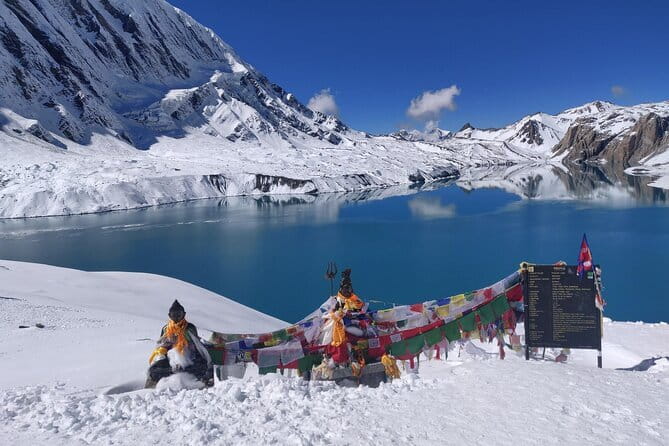
One possible drawback to know up front: this is physically demanding. You have a long, high-altitude push day (8–9 hours around Muktinath) and a major elevation milestone at Thorong La (5,416m), where strong winds can happen.
In This Review
- Key highlights at a glance
- What makes the Annapurna Circuit feel different from a typical trek
- Price and what you actually get for $680
- Day-by-day: how this itinerary keeps you moving and still adjusts to altitude
- Day 1 in Thamel: meeting the logistics on day one
- Day 2 to Chame: road trip rivers and a first taste of the region
- Day 3 to Upper Pisang: views start early, and bridges matter
- Day 4 to Braga: Tibetan-style village architecture in Manang
- Day 5 in Manang: acclimatization time that’s more important than it looks
- Day 6 to Yak Kharka: juniper forests, yak grazing, and a rare teahouse
- Day 7 to Thorong Phedi: the pass approaches, and the air gets sharper
- Day 8 to Muktinath: the long, demanding high point day
- Day 9 to Jomsom: Kali Gandaki Valley meadows and orchards
- Day 10 to Pokhara: bus ride recovery and lake-town breathing space
- Day 11 back to Kathmandu: warm memories and a final Nepal evening
- Day 12: airport transfer so you don’t scramble at the end
- The guides are the difference: English, pacing, and culture talk
- What you should watch for before you go
- Who this trek is best for
- Should you book this Annapurna Circuit trek?
- FAQ
- How long is the Annapurna Circuit trek?
- Where does the experience start?
- What is included in the price?
- Are meals included?
- Do I need to bring a trekking pole?
- What fitness level do I need?
- Is the guide English-speaking?
- Is this a private tour or shared group?
- What is the cancellation refund window?
- What accommodation should I expect during the trek?
Key highlights at a glance
- Thorong La (5,416m): the high point that makes the whole circuit feel real
- Manang acclimatization time: built in so you have a chance to adjust before the big pass
- English-speaking trekking guide: praised by name in past trips (Biru, Milan, Amrit, Krishna)
- Guesthouse trekking support: accommodation included during the hike
- Best-of valleys to arid highlands: lush early days, then drier terrain as you climb
- Pokhara recovery day: a change of pace after the trek with a lake-focused break
What makes the Annapurna Circuit feel different from a typical trek
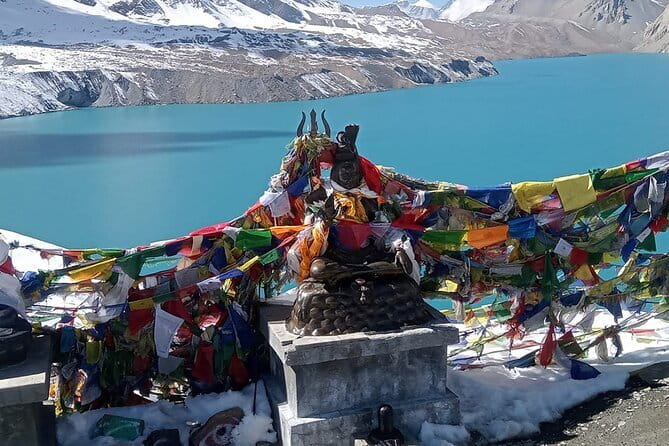
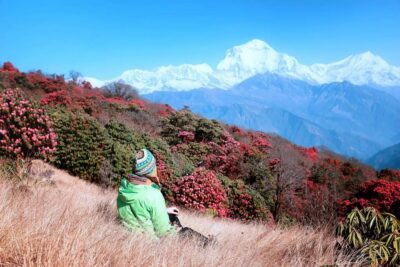
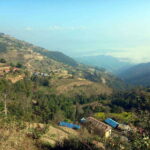
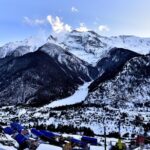
The Annapurna Circuit has a reputation for a reason. It doesn’t just give you one kind of scenery. You start with greener river valleys, then the air changes, the vegetation thins, and the mountains look more sculpted. That shift is part of the point: your body slowly learns what higher altitude feels like, and your eyes learn the rhythm of the region.
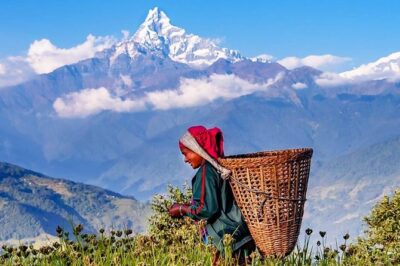
This version also keeps the human side close. You move through Gurung and Manangi country, and you’ll see Tibetan cultural influence along the way. Braga’s Tibetan village style and the Buddhist presence around monasteries and stupas are the kind of details that turn a long hike into a trip with memory hooks, not just photos.
The biggest value for me is the combination of trail guidance and practical inclusions. Permits and official paperwork are handled, your Kathmandu and Pokhara stays are included with breakfast, and you’ll have guesthouse lodging during the trek. That matters when you’re tired and altitude is stealing your spare energy.
You can also read our reviews of more hiking tours in Kathmandu
Price and what you actually get for $680
At $680 per person, the price is best understood as paying for the infrastructure around the trek. You’re not just buying “a route.” You’re buying guides, permits, accommodation, and key transfers.
Here’s what’s included:
- Kathmandu pick-up and drop-off round trip, plus airport transfer on the last day
- An English-speaking trekking guide
- Trekking permits and official documents
- Kathmandu 2 nights + Pokhara 1 night with breakfast
- Guesthouse accommodation during the trek
- Transfers by shared bus according to the itinerary
- A trekking pole per person
What’s not included:
- Food and drinks during the trek (you’ll typically purchase meals; the estimate given is about US$25/day)
- Gratuities (optional)
In plain terms: if you can cover your daily meals and tip fairly, you’ll likely feel this is good value. If you prefer a trek where your meals are all included, you’ll want to plan your budget before you go.
Day-by-day: how this itinerary keeps you moving and still adjusts to altitude
Day 1 in Thamel: meeting the logistics on day one
You’ll start in Thamel, Kathmandu, after arriving at Tribhuvan International Airport. You’re met by a Sherpa Expedition & Trekking representative and taken by private vehicle to your hotel. After check-in, you’re set up for an easier first evening before the longer road and hike days begin.
This matters more than it sounds. Kathmandu can be chaotic, and you don’t want your first hours to be about finding transport. The structure here helps you get your bearings fast, which is a big deal before you start thinking about sleep, hydration, and packing for altitude.
Day 2 to Chame: road trip rivers and a first taste of the region
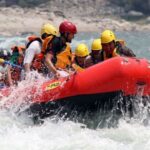
Day 2 is a long road day. The drive crosses major rivers like the Trishuli (with the rafting scene nearby) and the Marsyangdi close to Chame. You go through Besisahar and continue to Chame, setting the stage for the trekking section to come.
A potential downside is simply the time in transit. You’re still building stamina, but your legs aren’t doing the work yet. If you get motion sick, it’s worth preparing. If you’re okay with long rides, it’s an efficient way to move into the trekking zone without wasting days.
Day 3 to Upper Pisang: views start early, and bridges matter
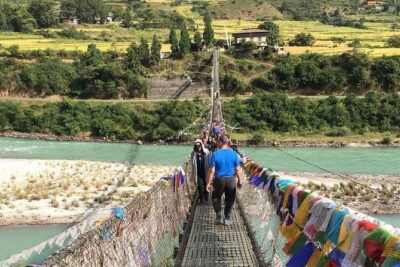
Leaving Chame, you pass through Telekhu and get views of the Annapurna Range and Mt. Pisang (6,091m). The route includes a suspension bridge re-crossing, which is common in this area and often a reminder that the terrain is active and dynamic.
What I like about an early-view day: you get payoff before you’ve earned it. That helps keep energy up when your body is still adapting. Just remember that bridge sections can feel slow and bouncy—move steadily and don’t rush for speed.
Day 4 to Braga: Tibetan-style village architecture in Manang
Today’s trekking move brings you into the upper Manang area. You trek to Braga, described as a Tibetan village with distinctive architecture—houses stacked one upon another.
This is the kind of stop that makes the Annapurna Circuit more than a workout. You’re not just climbing; you’re watching how people build for wind, cold, and tight valley space. If you like culture that you can see with your own eyes, Braga is a highlight.
Day 5 in Manang: acclimatization time that’s more important than it looks
You get a dedicated acclimatization day in Manang. The plan emphasizes what climbing professionals recommend: spend time adjusting and stay active rather than lying around all day.
Even without exact hike details provided, the purpose is clear. This is where you reduce the risk of altitude problems by giving your body time to adapt. It can feel like a “slow day” on a schedule, but it’s often the difference between enjoying the pass and feeling miserable.
When strong guidance is part of the value, this is why. A good guide will encourage steady effort and smart pacing when it would be tempting to sprint ahead.
Day 6 to Yak Kharka: juniper forests, yak grazing, and a rare teahouse
Day 6 is an uphill trek of about 10.4 km to Yak Kharka. You pass through juniper forests and see yak grazing in the alpine pastures. On the route, you’ll also come across the only teahouse at Thorong Khola, which hints at how sparse services can be as you go higher.
I like that this day is described with specifics. When you know services can be limited, you pack differently—water planning and snacks matter more. It also sets expectations for the next stretch, where the trail becomes more serious.
Day 7 to Thorong Phedi: the pass approaches, and the air gets sharper
You slowly ascend following the east bank of the Jarang Khola. You’ll view steep bluffs before reaching Thorong Phedi, literally meaning foot of the pass.
This day is important because it’s where you switch from “trekking” to “preparing for the pass.” Your body starts to feel the altitude more strongly, even before you get the big climb. Slow steps win here. Let the guide set the pace, especially if you feel tempted to chase other hikers.
Day 8 to Muktinath: the long, demanding high point day
This is one of the hardest days: hiking about 8–9 hours with the altitude making everything more difficult. You may also deal with strong winds at times.
You’ll end up at Muktinath, a major cultural and spiritual stopping point in the Annapurna region. When you arrive, you’ll feel the contrast: you fought wind and thin air, and then you’re in a place with a deeper human layer than just rock and snow.
If you want a practical tip: start early, drink steadily, and don’t treat “speed” as the goal. The most common mistake on pass days is going too hard too soon.
Day 9 to Jomsom: Kali Gandaki Valley meadows and orchards
After Muktinath, the trek continues along a trail that’s described as lush meadows, orchards, and streams. You pass Kagbeni, then reach Jomsom in the Kali Gandaki Valley.
This day helps you breathe again. You still hike, but the environment feels more lived-in than the higher, harsher sections. Kagbeni is also known for its reputation (the detail isn’t specified here), so you can expect it to feel like an important waypoint rather than a random stop.
Day 10 to Pokhara: bus ride recovery and lake-town breathing space
You drive to Pokhara by local bus, a 7–8 hour journey. The route goes via Tatopani through Beni Bazaar, then continues to Pokhara.
Pokhara is famous for its lake, Phew Tal, and it’s a popular place for travelers to reset. This rest day is valuable even if you feel wired after the trek. A massage, a gentle stroll, and a good meal can do more for your long-term memory than another “must-see” list.
Day 11 back to Kathmandu: warm memories and a final Nepal evening
You head back to Kathmandu with another 7–8 hour drive. The idea is simple: take in the geography and village life one last time, then return to civilization where you can sleep deeply.
If you’re thinking about shopping or last meals, this is the day to plan it. You’ll likely want to do it while you still have daylight and energy.
Day 12: airport transfer so you don’t scramble at the end
On your last day, Sherpa Expedition and Trekking takes you to the airport at least three hours before your scheduled departure. The meeting structure is built to reduce stress, especially after a long trek and a sleep-disrupting travel day.
The guides are the difference: English, pacing, and culture talk
The trek is physically demanding. What makes it feel human is the people guiding you.
This trip includes an English-speaking trekking guide, and past participants have praised guides by name. People spoke highly of Biru, including how he cared for clients and helped them feel like part of a family. Others highlighted Milan for honest help and handling the trek smoothly, including talk around mountain culture. Amrit was praised for excellent management and explaining local mountain culture. Krishna was noted for friendliness, adapting pacing to the group, and speaking English very well.
Even when the exact guide can vary, the pattern is consistent: good communication and thoughtful pacing. That’s what you want when the altitude gets serious and your brain starts doing math it doesn’t need to do.
What you should watch for before you go
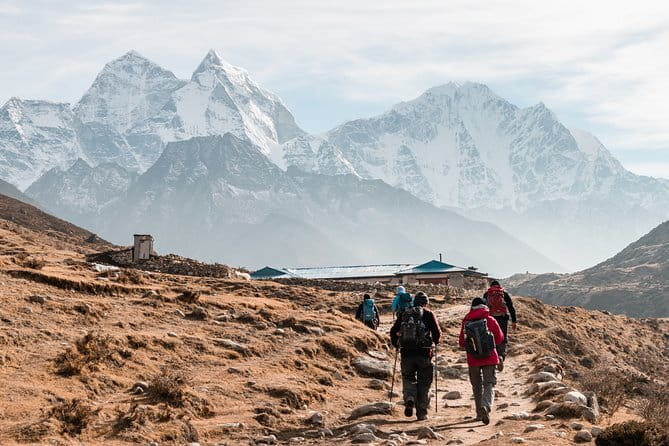
This is not a “walk and snack” holiday. The itinerary includes a long day (8–9 hours) and a high pass at 5,416m. You should have strong physical fitness, and you’ll want to come with a trekking plan that includes steady effort over bursts.
Also, plan for wind. High-altitude areas can bring strong gusts, especially near pass approaches. Wind can make temperatures feel worse and it can affect your energy.
Finally, budget for food and drinks. Meals aren’t included, so your daily spending will add up. The estimate given is about US$25 per day, which is useful for planning.
Who this trek is best for
This Annapurna Circuit trek fits best if you:
- want a classic high-mountain route with a real cultural thread
- can handle multi-day hiking and long road transfers
- prefer an organized trip with permits, guides, and guesthouse lodging handled
- like learning about the region from an English-speaking guide
If you’re new to altitude, the Manang acclimatization day helps, but you still need to respect the elevation. If you’re only comfortable with flat hikes, this won’t match your style.
Should you book this Annapurna Circuit trek?
If you want the Annapurna Circuit with real support—permits handled, an experienced English-speaking guide, guesthouses included, and a thoughtful acclimatization approach—this is a solid choice. The price feels fair for what it covers, as long as you’re ready to budget for meals and you’re fit enough for the pass day.
I’d book it if you like a mix of views plus culture, and you want someone to manage the hard parts so you can focus on the trail and the people along the way. I’d hesitate if long hiking days, high altitude, and high-wind conditions sound like a stress you can’t handle.
If you’re the type who prepares, paces, and follows the guide’s plan, you’ll likely come away with that rare trek feeling: your legs are tired, your mind is calm, and the mountains actually stick in your memory.
FAQ
How long is the Annapurna Circuit trek?
The trip runs for about 12 days.
Where does the experience start?
It starts in Kathmandu, with pickup around Thamel and a start time noted as 4:15 pm.
What is included in the price?
The price includes trekking guide support, trekking permits and official documents, Kathmandu (2 nights) and Pokhara (1 night) accommodations with breakfast, guesthouse accommodation during the trek, transfers (including shared bus segments), hotel pickup and drop-off, and a trekking pole per person.
Are meals included?
Food and drinks are not included. You can purchase them on the route, with an approximate estimate of US$25 per day.
Do I need to bring a trekking pole?
Trekking poles are included, one per person.
What fitness level do I need?
The experience notes you should have a strong physical fitness level.
Is the guide English-speaking?
Yes. The trek includes a friendly English-speaking trekking guide.
Is this a private tour or shared group?
It’s listed as a private tour/activity, meaning only your group participates, though some transport is done via shared bus according to the itinerary.
What is the cancellation refund window?
You can cancel up to 3 days in advance for a full refund. If you cancel less than 3 full days before the experience start time, the amount paid is not refunded.
What accommodation should I expect during the trek?
You’ll stay in guesthouses during the trek, with Kathmandu and Pokhara hotel stays included before and after the hiking portion.